Boxing Matches 4/7

We listed Vilma’s ten best films and matched it with Nora’s. We then came up with analogy of who did well in terms of credible performances. We also tried to switch the roles and see if both actress remained credible. The outcome was incredible. Boxing Matches Continues with….

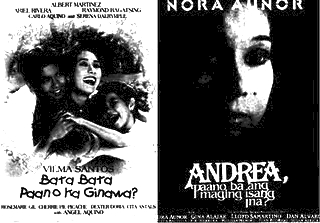
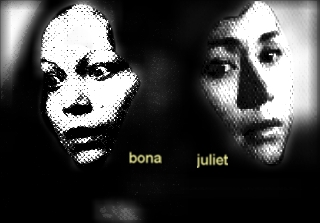
Pahiram Ng Isang Umaga versus Bona – The intention of Nora Aunor to prove that she is a fine actress continued as she produced projects that can showcase her talent under her own NV productions. And in 1980, “Bona” was conceptualized by director Lino Brocka, producer Aunor and writer Cenen Ramos. It was entered at the 1980 Metro Manila Film Festival together with another Aunor starrer, the soap operatic, Kung Ako’y Iiwan Mo surprisingly directed by Laurice Guillen. Nora’s performance in Bona assured her supporters a win as festival best actress but she left empty handed as the trophy goes to, not to her rival Vilma Santos but to Amy Austria in Marilou Diaz Abaya’s dramatic film, Brutal. The defeat didn’t discouraged her supporters particularly Brocka who brought the film to the 1981 Cannes and received numerous positive reviews.

Nestor U. Torre on his Philippines Daily Express review titled “Obsession” in 1981 described “Bona” as: “…a story of obsession, the tragedy of the fan turned fanatic. It delves into what causes an otherwise sensible girl to throw discretion and self-respect to the wind to serve her beloved.” An accurate description. Torre added: “…Clearly, Brocka, Aunor and writer Cenen Ramos know the phenomenon whereof they speak. The intimate knowledge makes for a film that rings true both for the expert in abnormal psychology and for the ga-ga movie fan reliving his dream and high nightmare in the audience… In the end, the nasty man announces that he’s leaving the country with his latest and wealthiest inamorata. Bona, who has taken all the shit he’s casually thrown her way, can take no more. She kills the bastard. In the process, she has hopefully killed her insane obsession for him. Or maybe she has also killed herself…What a story!…” Strangely enough, Torre wasn’t convinced with Aunor’s performance. He pointed out: “…the best performance in “bona” is turned in, not by Nora Aunor in the title role, but by Phillip Salvador as the bit player who is her idol, her nemesis, and her obsession. Nora is all over the place and gives the role everything she’s got…Trouble is, she is too intelligent for her part. Obsession is born of emotional weakness, a psychological vacuum that the idol is idealized into filling. As Aunor portrays her on screen, Bona is too sensible and savvy a woman to make this act of self-delusion plausible. She is also a mite too old for the role. Granted, there are “diehard-fans in their fifties and sixties, but the character of Bona, as written. Is clearly intended for a young girl (She is supposed to be still a student, for one thing). The character’s innocence would account for much of her naiveté, and Nora does manage the Naïve but, but it feels a little forced. On the other hand, the fact that he, too is no longer a spring chicken helps Salvador in his portrayal of the trying-hard bit player who is destined to be a has-been even before he has been anything at all. His age makes the character even more pathetic. Salvador has a perfect feel for the bit player’s braggadocio in public, his private fears, his dimwitted dreams and his casual cruelty. Stardom is his own obsession, and his failure to achieve it consumes him as much as her failure to possess him consumes Bona in the end. I’m surprised that Salvador didn’t win the Best Actor award at the Metro Film fest last month (so what else is new?)…” So According to Torre, Aunor was too old for the role and didn’t look innocent for the role the required naivety and innocence.

Isagani R. Cruz, another critic, who in 1981 wrote this article for TV Times have a contradicted views: “…The final sequence, where Aunor finally assaults Salvador, is excellent, although it is, of course, in the same vein as Insiang. The typical Filipino film thrives on the theme of revenge. Bona is no exception. When Aunor finally dumps the boiling water on her non-feeling master, the viewer cannot help but be moved. The sequence is effective, perhaps because the rest of the film is not…” Cruz, unlike Torre found Aunor’s acting untouchable…meaning no one can portray Bona as convincing as Nora Aunor! Here’s Mr. Cruz’ opinion: “…Aunor’s acting…saves the film. Despite the incoherent screenplay, the erratic direction, and the irrelevant production design, the film is gripping because Aunor is excellent. Aunor is indeed a signal phenomenon in Philippine film. She broke the color barrier (she is not a mestiza). She broke the marriage barrier (she is not single, nor she is she even happily married). She broke the superstar barrier (before her, superstars were supposed to be beautiful, but not good, actresses). She has now broken the untouchable barrier: in Bona, she is subjected to the most degrading physical abuses. Unlike Hilda Koronel who remained a Madonna even during the rape scene in Angela Markado. Aunor really becomes the penniless, dumb, neurotic alalay Bona is supposed to be. Who can imagine Fernando Poe, Jr. beaten to a pulp by nameless villains? Who can imagine Lloyd Samartino made up to look like a vampire? In Bona, Aunor really looks like an alalay, rather than a superstar. That is why she is, in fact, a superstar.” Wow…nice statements.

Nice because the URIAN can’t get over the same mentality/arguments (the skin color arguments etc) and despite the much more superior acting of Gina Alajar or Amy Austria in Brutal gave Aunor the nod. Actually, Aunor and Alajar tied the honor for the Urian best actress in 1980. Nine years after the Bona was shown, Bernal, Lino Brocka’s closest rival created a much better film. Like Bona, death was evident in this Bernal creation.

Pahiram Ng Isang Umaga was about Juliet, a successful advertising executive who has seven to nine months to live. Cancer stricken Juliet have to take care her responsibilities as a single mother and found herself reconciling with the people who wronged her prior to her diagnosis as cancer victim. The film wasn’t about cancer but about life and death. A very morbid, dreaded topic that very seldom being touch by local filmmakers without being melo-dramatic. Not until Bernal created Pahiram.

Mario A. Hernando, one of URIAN critics summarized splendidly the overall tone of the film, in his Malaya article on March of 1989: “…In the last scene, the imagery and symbolisms of life and death abound. Juliet dies at the break of dawn, the start of a new day (and life), but not without first making her last sentimental paean to life. Supported by the artist, her eyesight having failed completely and with the waves caressing their feet, the weak and dying cancer victim remarks how beautiful life is. True enough, this dying scene set on a beach, with the woman in white, dainty night gown, is one of the most exquisite, breathtaking moments in Philippine movies. But before giving us this grand, highly emotional death scene, the director has gradually introduced various motifs of death, from the artist’s pet black bird which at one point he cruelly squeezes in his hand, to the funeral rituals for Juliet’s father…”

Like the URIAN, the PMPC finally can’t ignore Vilma anymore. They finally rewarded Vilma her first Star Awards for her restrained triumph as Juliet. Mario Bautista, one of its members noted: “…Talaga namang dramatic tour de force for Vilma ang role niya as the dying Juliet. Maihahanay ito sa kanyang best performances in “Relasyon? “Sister Stella L? “Broken Marriage? “Ikaw ay Akin” at “Burlesk Queen? But unlike her spirited performances there, toned down na toned down ang emoting na ginawa niya rito. Iniba ni Ishmael Bernal (who really brings out the best in her)ang estilo ng acting niya. Pati ang crying scenes ay napakatahimik ng dating. ‘Yung tipong basta tumutulo na lang ang luha ni Vilma without much facial and body contortions na gaya ng dati…Dalawang beses kaming cry rito. Una’y nang nagbibilin siya kay Vicky Suba (na napakagaling din kahit walang ginawa kundi mag-react lamang kay Vi.) at sinabi niyang “Ayoko ng mahabang burol.?Isa pa’y nang finally ay magkabati na sila ng estranged sister niyang si Dexter Doria (isa pang napakahusay) na wala nang dialogue at nagyayakapan na lang sila.”

Bautista even went to the extent of writing his belief in his People’s Journal article titled “Mas Mahusay si Vilma kaysa Kay Nora.” He wrote: “…Sa second viewing ng movie namin lalong napansin ang subtle nuances ng performance ni Vi, up to her death scene which confirms our supposition that the movie is not really so much about death than a celebration of life, what with all the panoramic shots showing the beauty of nature and the world around us, na enough reason for anyone to want to survive.” When the PMPC members resolved its long time struggle to give Vilma its deserving recognition, the critics group Manunuri, decided not to ignore Nora Aunor’s mechanical performance in Bilangin Ang Bituin Sa Langit, an Elwood Perez opus. They gave the best actress to both Vilma and Nora.

Switcheroo – If Nora Aunor plays Juliet, the successful advertising executive, she will need to re-invent her image. Sophistication can be done via right wardrobe, make-up and conformability in delivering English or Taglish lines. A tasks that she failed to do before in her long film history. Her last try was in her last full length film, Naglalayag, she was very akward and unconvincing as a successful rich judge. Now, what about Vilma portraying a fanatic “alalay” in Bona? It will be a challenge. But Brocka can do wonders plus the role required for someone who can possessed innocence and naivety as Nestor Torre pointed out. Vilma would excel in these regards.

Reality Checks – As Juliet, Nora would need to work harder to be effective. She failed miserably under Mario DeLosReyes’ direction in Naglalayag. Would she produced the same results under Bernal? Maybe not but in 1989, she remained typecasted into api-apihan roles. The opposite can be said with Vilma if she played Bona. The chemistry between Vilma and Philip Salvador was established already by their successful team-up in another Brocka film, Rubia Servios. In addition Vilma’s much younger look in 1980 will fit the requirements of innocence and naivety that Nora lacks. She will be perfect to play Bona.

Boxing Results – Vilma wins again. Vilma 6, Nora 2 – To be continued…

RELATED READING:
IMDB: Nora Aunor
IMDB: Vilma Santos
Official Web-site: Vilma Santos Recto
Official Web-site: Nora Aunor ICON
Facebook: Vilma Santos Recto
Facebook: Nora Aunor
Nora & Vilma No Longer a Rivalry (a special magazine)
Boxing Matches 1/7
Vilmanians and Noranians Surveyed
About “Larawan” and Nick Joaquin
Nora at Vilma sa Gitna ng Basura
Very Long Rivalry (Repost)
Sino ba talaga ang mas mahusay umarte, si Vilma o si Nora?
May be the Philippines’ best film actress of all time 1/3
Vilma-Nora Then, Nora-Vilma Now (Repost)

Boxing Matches 5/7

We listed Vilma’s ten best films and matched it with Nora’s. We then came up with analogy of who did well in terms of credible performances. We also tried to switch the roles and see if both actress remained credible. The outcome was incredible. Boxing Matches Continues with….

Lipad Darna Lipad versus Super Gee – In 1973, Vilma’s box office clout flew higher and higher as the new Darna, Nora decided to match the new strategy her opponents were bringing in the table by producing her version of super hero via Batman inspired Super Gee. It was a perfect strategy as Vilma’s Darna was like Superman (basically Darna – – can fly), Supergee rode a vehicle, just like Batman! The customer was quite similar too as Super wore a mask, just like Batman.  Just like Darna, Super Gee came from a comics serial. It was a creation by Zoila serialized ironically in “Darna” komiks. Like in Lipad Darna Lipad, Nora casted Celia Rodriguez as her nemesis and hired Armando Garces as director. Unfortunately Nora Aunor can’t replicate the success of Darna even with the presence of Jojit Paredes and teen star Arnold Gamboa. The uninspired direction of Armando Garces didn’t helped the case too. The movie bombed in the box office and the press ridiculed Nora’s Super Gee costumes. Speaking of costumes, Madonna maybe got the inspiration for her cone bra costumes from this film.

Vilma Santos made another milestone career move. She bravely starred as the new Darna despite her lack of height. Past Darnas, From Rosa Del Rosario to Gina Pareno, prior to Vi, were all tall and toned. So the stakes are high as the film were released in March of 1973. Vilma’s supporters were relieved and ecstatic to find out the huge crowed in each theatres. It was reported that the production company, Tagalog Ilang Ilang distributed Darna dolls and Coca-Cola gave Darna masks to thousand filmgoers. Vilma will continue to starred in four more Darna movies while Super Gee quickly disappeared to its deserving death. Lipad, Darna, Lipad were divided into three separate segments with each segments and was directed by three different directors. It its First episode, Emmanuel H. Borlaza handled the exciting fight between Darna and the “Impakta” played with much gusto by Gloria Romero that climaxed into that aerial fight that ends with Gloria falling down into the church’s cross. If the first one was exciting, the second director, Elwood Perez successfully gave us a strangely cold and campy episode. Maybe because Darna’s nemesis Valentina played by Celia Rodriguez were supposed to be a supermodel hence the overtly poised gestures. She turned out to be a snake queen, turning her hair into diabolical snakes with her eyes beams up and turning whatever that touch the beams into stone. The face-off between Darna and Valentina was so stylish, sizing each other by dirty glances. It was like watching a western cowboy movie. When finally Valentina used her beams to turned Darna into stone, she was outsmarted by Darna. Using a mirror Valentina beamed her own self and she turned into stone. Add to her demise, she fell from the building and was shattered into hundred pieces! The last episode directed by the late Joey Goseingfiao featuring Liza Lorena as the hawk lady or “Babaing Lawin.” As expected Darna defeated her third nemesis but compared to the first two episodes, the fight scenes here were less exciting. We both seen Super Gee and Lipad Darna Lipad. Unfortunately, Super Gee was so poorly done that we can’t remember it’s full story. The press were also in agreement with me as there were no articles whatsoever written about this film even via internet.

Switcheroo – Would Vilma gave Super Gee it’s rightful shot in the arm if she did plays the fully clothed super hero? The answer would be yes. Nora lacks physicality that the Super Gee role requires. Vilma’s dancing experience earlier in her career helped her to do the action scenes better than Nora. What about Nora as Darna? Can you imagine Nora in those skimpy two-piece bikini costumes? I don’t think Nora would fit the role of Darna considering the history of physical attributes of past Darnas. A brow-skinned Darna that would be a first. But would the masses accepts this drastic change? Remember this was 1973, segregation in the US was a big social issue. In the Philippines, Nora Aunor may have changed some mind when it comes to the skin color issue but talent and physicality would play an important factor to be convincing as Darna.

Reality Check – Like so many fantasy characters that Vilma did in the 70s (like dyesebel, phantom lady and wonder vi), she will excelled as Super Gee. The opposite can be said with Nora doing the Darna role. Her lack of physical attributes that a Darna role calls will failed her miserably.

Tagos Ng Dugo versus Bulaklak Ng City Jail– Tagos and Bulaklak gave both Vilma and Nora best actress awards from the Catholic Mass Media Awards in 1987 and 1984 respectively. Considering the graphic violence and shady story lines, it was ironic that CMMA gave the nods to both actresses. A proof that despite it’s presumed image (CMMA was a religious organization), deserving performances should be rewarded with its rightful recognitions.  In Tagos Ng Dugo, Vilma Santos gave us another versatile performance. She won her fourth FAMAS best actress in addition to the CMMA and minor awards from the Movie Magazine and Cinemascope for the role of Fina, a distraught woman who becomes a murderer every time her period comes.

A role that was too bold and daring in the eyes of Maricel Soriano. She was initially offered to play the lead role but turned down it down despite previous success with director Maryo De Los Reyes. An unidentified writer analyzed Tagos Ng Dugo as “a breakthrough for Philippine psychological movies.” The writer added that the film was a cross between Francois Truffaut’s “The Bride Wore Black” and Luis Benuel’s “Belle Du Joir.” Films that I have to check out to get the writer’s point. Anyhow, the writer added: “….I don’t know if screenwriter Jake Tordesillas or Delos Reyes himself should be congratulated for the cohesion of multi-resultants in this work. Part of this multi-readings would be the movie as a feminist take on womankind’s monthly pains as a form of excuse for female monthly insanities, insanities our macho’s regard as regular terrorism on the whole of mankind (men or society as a whole). It is with that reading that the ending apologies, by Vilma Santos in the lead role, might be understood as a plea for understanding of how all of woman’s monthly Eve-behavior should not be seen as a Biblical sin but as an equal (to, say, man’s beastly) naturalness… “

Tagos Ng Dugo, a feminist film? The writer pointed out: “…the film as a view of how Philippine society (the men in it, primarily) approaches provincial innocence, educational weakness, and “female’s weaker sanity as stimuli for abuse… There is, however, the possibly more general reading of the film as an apologia for insanity qua itself, how it should be treated as a disease instead of as a monster to be eliminated… And finally, there’s the possibility that the film is actually a depiction of how crazy the world outside the insane mind really is, albeit this view would probably be the least successful direction for the film… As a bonus, maybe we can also bring the movie to more latent, more philosophical territory, say, how it depicts the sanity of innocence.”  The writer obviously seen the film numerous times to appreciate it’s every details. It its final analysis: “…what finally makes this movie a jewel in Philippine cinema history is how it brings forth — every time you watch it — its case achievements in directorial and film editing dramaturgy (including the recurring stage-like choreography, Hitchcockish camera positioning, and acting pacing within). For the serious student of third world filmmaking, here is a requisite Philippine movie from where to cull precious fragments. In these fragments, he/she is sure to find sparkles that are in themselves gems.”

For us, the technical superiority of this film was jus the back drop of the stellar performance of Vilma Santos. Her numerous character changes in accordance to her next sexual victims was choreographed in such intensity that the anguish fate of each of her victims were expected and tragic. When the Final climaxed scene arrives we were so conditioned to see a dead Fina but we were surprised by her strong wailing and maddening facial hatred that we understood her full emotion. A cry for help. It was the most intense scene we ever seen her ever since we started following her movie career.  In 1984, Nora Aunor came-up with another successful run at the local festival. Produced by Cherubim films, Bulaklak Sa City Jail was an entry to that year’s Metro Manila Film fest. The film earned Nora Aunor her deserving trophy as the festival’s best actress and also Mario O Harra the best director as well as the best supporting actress for Celia Rodriguez. Despite its festival success, only the CMMA rewarded Nora as their best actress of 1984.

Mario Bautista in his article for the Philippine Daily Express wrote about the film’s story line as: “Nora is Angela, an orphan who falls for a married man and is later accused of trying to kill his wife. But the film is more than just her story. It is an indictment of a prison system that instead of helping in the rehabilitation of inmates only make them worse.” He praised Nora’s acting as: “…Nora Aunor gives a very moving performance, notwithstanding that zoo childbirth scene specially engineered to endear her to her fans…” He’s probably talking about the numerous facial shots of Nora in the zoo, as if saying, “look at those eyes…Just by this, she should be rewarded.” The film was written by Lualhati Bautista and Mario commended the writer’s excellent script. But with so many characters and plot twists, it was at the hands of the director to fleshes out these challenges. And O Harra succeeded in giving us a much better film compared, according to Bautista, to his previous offering, the equally ambitious Condemned.

Switcheroo – Would Nora be convincing as the murderous Fina in Tagos Ng Dugo? A project that even Maricel Soriano turned down because of its boldness and daring theme. The ability to jumped into unfamiliar territory and Aunor’s restrictive image will frankly played (again!) an important factors in figuring out if Aunor would do justice as Fina. Meanwhile, if Nora will struggle playing such bold and daring roles like Fina in Tagos, Vilma will excel as Angela in Bulaklak, as she played a similar role, as the convicted inmate in period film, Baby Tsina.

Reality Checks – Nora Aunor will turned down Fina. Vilma Santos will prove her versatility as Angela. For Noranians, unfortunately their idol’s lacks of versatility will play an important factor if we switch roles.

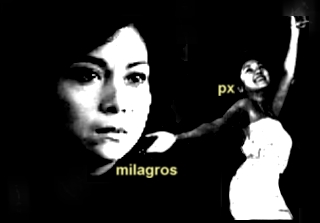
Pinay American Style versus Merika – Pinay American Style and Merika were both films were shot on location in the United States. Elwood Perez and Gil Portes, its film directors tackled the flight of two Filipinas, one was an illegal alien and one was an established nurse, both from New York. The technical acting talent of both actress were in full display here.  Vilma was obviously under utilized as PX in these Elwood Perez experiment. Despite this predicament, Vilma was able to give us a splash of her abilities. While Nora was in full bloom as Mila in these quiet Portes film. She gave us a convincing portrayal of lonely woman who realized that she was being used by a man she truly loves. The contrast of style was the main point why I matched these two roles.  As PX, Vilma was talkative, hiding her insecurity and vulnerability with her fragile disguise as rich New Yorker with almost caricature gestures. Quite the opposite of Nora. Nora was Mila, a quiet, stable nurse whose vulnerability raised to its fullness the moment she discovered she’s in loved with an illegal aliens who was just using her to get a green card.

Let’s start with Nora… In 1984, PMPC created their own award giving bodies. They called it the Star Awards. And with much fanfare, they only nominated two actress, Vilma Santos and Nora Aunor. Aunor was nominated for her performances in three films: Bulaklak sa City Jail, Condemned and Merika. Santos was nominated for two films: Baby Tsina and Sister Stella L. The past decades proved to be an advantage for Nora Aunor. She got an excellent stronghold of a group of movie writers who dominated the membership of PMPC. It will take five long years before PMPC evened out Aunor’s stronghold.   It was reported that members of PMPC had a long night debating who will get their first award. Eventually Nora’s quiet performance as Mila in Merika won over the majority of its members. Noranians were ecstatic as Vilma’s lucent transformation in Sister Stella L were ignored. In 1984 Tempo article titled “Tender effort: one from the heart” written by Emmanuel A. Reyes, the dream of many Filipinos to fulfill their American dreams were emphasized.

Reyes said”:’…Merika comes at a trying moment when the foremost thing on people’s minds is to flee the archipelago for more rewarding frontiers. Sadly enough, after 38 years of independence, the Filipino no longer sees his own country as land of opportunity. The promise of progress has gone bust. Traditional values of home, family, and love of country have consequently eroded under the threat of hunger and torment. The need for more money has become apparent. Faced with the need to survive, the Filipino is forced to seek work elsewhere. He is happy for a while to be in another corner of the world. But when he realizes that he is no longer the king of his own culture but a servant of a more affluent race, he starts to dream about home and wish for that life he had left behind.” I can’t agree more…  Reyes pointed out the simplicity of Merika’s production value that adds to its luster as very effective film: “…Merika doesn’t attempt to declare anything big about Filipinos and their life in the United States. It’s a simple story of loneliness and survival in the land of milk and honey… What is clearly admirable about “‘Merika,” is its affecting portrait of loneliness, so thoughtfully realized by Nora Aunor’s touching performance, Gil Portes’s direction and Doy del Mundo and Gil Quito’s homely screenplay. The film does not emphasize a single, urgent cause for Mila’s wanting to go home precisely because such loneliness cannot be quantified. For the migrant Filipino, this kind of loneliness exists in mind and heart but it can never be completely expressed. It’s a feeling so deep seated, it couldn’t be relieved entirely, even by a long-distance call. The film utilizes many images to describe this sad feeling—from chilly scenes of winter to bare trees, disabled senior citizens, to the never-ending pictures on television. It all adds up to a very, very cold account of a life of sacrifice in a country of great expectations.”

Meanwhile if we praised the simplicity of the overall production of Merika, it can’t be said with Regal films’ Pinay American Style. It was as commercial as one can imagine. Regal films hired three leading men to support the most bankable actress of 1979, Christopher DeLeon, Bembol Rocco and Victor Cocoy Laurel. It was a stage in Vilma’s career where she doing one commercial films after the other. Mostly targeting the mature adult audience. A trend that Nora Aunor can’t seem to tap. Aunor has established her clout as a serious actress in 1979 by producing a number of ambitious projects, tapping high caliber directors but was always came-up short when the box office tallies were recorded.  Both Nora and Vilma did eight movies in 1979. Nora did two musicals the hit, Annie Batungbakal and the flop, Disco King. Four were light comedies and two serious drama. Her year ended with a collaboration with Brocka and Lolita Rodriguez in Ina Ka Ng Anak Mo. The film earned Aunor another festival best actress but was unsuccessful to out throne the tandem of Charito Solis and Vilma Santos in their film entry into the same festival in Bancom’s Modelong Tanso.

Vilma in 1979 was a picture of self-assured bankable star. Like Nora, she did two musical, the mild hit, Swing it baby and the blockbuster Rock Baby Rock. She did two movies with Elwood Perez, Magkaribal and Pinay American Style both were box office hits. The rest of her project were a film under her own film company, an Eddie Rodrigues starrer Halik sa Paa Halik sa Kamay, a comedy with Dolphy and the year end explosive, Tanso with drama queen Charito Solis. The end of the decade marked her stronghold as the box office queen. A feat Nora Aunor can’t seem to figure out. Clearly, Vilma Santos’ versatility was the secret weapon. And this weapon was in full display in Perez’ second film with Vilma in 1979.  Pinay American Style was the story of PX, an illegal alien or TNT, tago ng tago. Her boyfriend played by Victor Laurel abandoned her for an rich American girl mainly to secure a green card. PX met an Americanized Filipino, Christopher DeLeon but found him not serious of having her as a steady girlfriend. It just so happened that PX also met Christopher DeLeon’s brother, Bembol Rocco, a new immigrant. PX and Bembol fell for each other. And a love triangle surfaced the screen. Adding to the drama was Victor Laurel’s enraged, jealous appearances. Laurel eventually tipped the police ending PX stays in New York. As Bembol Rocco realized that America doesn’t fit his lifestyle he reconciled with his brother and advised him to follow PX in the Philippines. Both Christopher and Vilma reconciled in a farm field in the Philippines. The end.

The film was so forgettable that the critics didn’t even bother to write any reviews. The lack of enthusiasm on the part of the critics were compensated with the box office success of the film. Vilma fits the role as the illegal alien, PX. Her attempt to speak fluent English and pretend that she’s rich when she met the boyish looking Christopher was funny and poignant. She was given enough scenes to shine. One was the scene after she was harassed by her landlady. She opened her refrigerator and found a staled piece of bread. She took a bottled water and ate the bread, found her mom’s letter and lying down in bed started to break down. A quiet scene without dialogue. A contrast from the earlier scenes where she started to be talkative, as she tried to impress Christopher, telling him she’s rich and from a well-known family. It was obvious in 1979, Elwood Perez wasn’t the kind of director you will expect to produce a serious output. He wasn’t a Bernal or Brocka. He’s a commercial director. It was a better effort though, compared to a much more convoluted Magkaribal or their past successful projects like Nakawin natin ang bawat sandali and masakit masarap ang umibig. In Pinay, Toto Belano’s script wasn’t efficient enough in ironing out the quadrangle plot twists and establishing the characters of four actors. So the blame can’t be put to Perez shoulder alone. There was a scene were Vilma Santos and Christopher were watching a concert which was obviously not part of the script.

Switcheroo – Vilma Santos did a movie, Miss X under Gil Portes prior to Nora Aunor’s 1984 Merika. And she did a wonderful job. The requirement of Mila, the lonely nurse in this film wasn’t new to Vilma. She did a splash of quiet scene ironically in Pinay American Style. And so we concluded that Vilma would do justice to the role of Mila. If we switched roles and Nora played PX in 1979, the film would have a different version. Would she be convincing as a talkative PX, hiding her vulnerability with a delicate facade by pretending she this socialite? It will be a challenge considering that Perez is not Portes.

Reality Checks – Vilma can effectively do a quiet restrained role. She will be effective as Mila in Merika. Nora will have a hard time convincing us as PX.

Boxing Results – Surprisingly, Vilma wins again. Vilma 9, Nora 2 – To be continued…

RELATED READING:
Official Web-site: Vilma Santos Recto
Official Web-site: Nora Aunor ICON
Facebook: Vilma Santos Recto
Facebook: Nora Aunor
Wikipedia: Vilma Santos
Wikipedia: Nora Aunor
Superstar Nora Aunor
Star For All Seasons Vilma Santos
Nora Aunor Film Actress
Vilma Santos Film Actress
And God Smiled at Me vs. Dama de Noche
Vilma-Nora Then, Nora-Vilma Now
Will Vilma Santos do a Nora Aunor?
A Tale of Two Movie Queens
About “Larawan” and Nick Joaquin
T-Bird at Ako (1982) (Video)

Boxing Matches 3/7

We listed Vilma’s ten best films and matched it with Nora’s. We then came up with analogy of who did well in terms of credible performances. We also tried to switch the roles and see if both actress remained credible. The outcome was incredible. Boxing Matches Continues with….

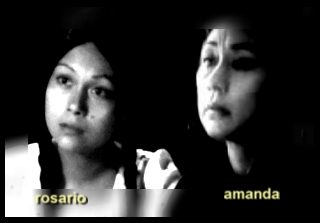
Tatlong Taong Walang Diyos versus Dekada 70 – Two political period films. Tatlong Taong Walang Diyos was about a love triangle set in the Japanese occupation of the Philippines and Dekada 70 was about a family in a society under the Marcos dictatorship.

It was reported that Dekada 70 was first offered to Nora Aunor. Whatever happened to that plan remained just a tiny anecdote to the Dekada’s success. Vilma Santos played the lead role with richness that we could not imagine other actresses playing her role including Nora Aunor. This Chito Rono film garnered Vilma 9 awards for Vilma Santos as Amanda Bartolome. Also, the film was entered to Cannes Film Festival and at Cinemanila International Film Festival where Vilma won her second international best actress. Dekada 70 was also the Philippines entry to the foreign language category of the OSCAR. Not bad for a film not originally intended for Vilma.

Ronnie Schieb of Variety Magazine described the film and Vilma’s performance: “…At the center of the film and the family is Amanda (Filipino cinematic diva Vilma Santos) who vicariously experiences living under a dictatorship through her husband and five sons’ different reactions before coming into her own as a person. Her husband, Julian (Christopher de Leon), seems a walking contradiction: he offers rationalizations for the government while supporting his eldest son’s revolutionary activities, but has a fit when his wife wants a job…As for the sons, firstborn son (Piolo Pascual) joins the guerillas in the mountains. The second son (Carlos Agassi), forced into a shotgun wedding, defiantly works for the American navy. The third son (Marvin Agustin) writes journalistic expose’ he can’t publish, while the fourth son (Danilo Barrios) is a mystery to his family until his brutal, motiveless murder (probably by police) reveals a lost girlfriend. The fifth son (John W. Sace) is still a boy…Santos’ Amanda effortlessly and movingly chronicles the changed consciousness of the family and the country, with understatement her most reliable tool. The film begins and ends with images of Santos at the forefront of a political demonstration, and nothing, from first image to last, for 128 minutes, is allowed to spontaneously or slyly deviate from the logic of her consciousness-raising.”

Tatlong Taong Walang Diyos on the other hand was really conceptualized and produced for Nora Aunor…but wait…she was the producer! In 1976, Mario O’Harra, the director and writer was at his peak of his career. Critics were disappointed with his earlier works because they had high expectations but most were delighted that he redeemed himself by coming up with a superb production and acting in Tatlong Taon.  The critics (URIAN) and even Famas rewarded O’Harra with the satisfaction of witnessing the acting recognition of Aunor, his producer. As producer, Nora Aunor’s Tatlong Taong Walang Diyos faced another gigantic film, Ganito Kami Nuon Paano Kayo Ngayon and lost the best picture in both Famas and URIAN.

For many Noranians the failure of the film to win the best picture wasn’t as important as the win of Aunor in both URIAN and Famas. For them this was a grand slam. Never mind that in order to be considered a grand slam it should be four or five majors just like in tennis. The reasoning behind it was that there were only two major award giving bodies back then. But in 1976, no term was given to Nora’s wins. Not until Vilma’s swept of all the best actress awards in 1982 that the term “grand slam” was brought up in papers! She was even given a “Walis” award for this feat.

Pio de Castro III on his article for The Times Journal in 1976 dissected Tatlong Taon with it’s unrealistic theatrical touches in so many scenes but was impressed with the film’s lead actress performance. And he wrote: “…The film recounts the story of Rosario (Nora Aunor), a schoolteacher in a small town in Laguna, whose heart is torn between her romantic love for Crispin (Rafael Roco Jr.), a guerilla who survived Bataan and the Death March, and her realistic love for Masugi (Christopher de Leon), a dashingly handsome Japanese officer born in Manila of a Filipino mother. It is a touching story of private people thrown into unimagined stress during turbulent times of Japanese Occupation. A time when man, woman and child doubted the existence of God because they saw with their own eyes man’s inhumanity to man. It was an era that marked the Filipino’s loss of innocence. It was an era that started rampant corruption, smuggling, arson, robbery, rape and murder. The Filipino way of life was never quite the same again. It was the end of “peace time.” …People who used to smile and wink when they talk of Nora Aunor as an actress should see this film, because the lady is determined to show everybody that she means business both as an actress and as a producer. In this film she is successful as both…”

Switcheroo – In 1976, like Nora Aunor, Vilma Santos produced her own film, titled Mga Rosas Sa Putikan, a less ambition film than Tatlong Taon. She doesn’t have to prove much about acting as Nora Aunor’s whole intention in producing Tatlong Taon. Like the usual suspects, would Vilma be as effective as Nora as probinsiyana in Tatlong Taon? In 1976, her usual roles are either a spoiled brat, socialite modern woman mostly a picture of youthful rebel. This might strikes against her in performing such a serious role like Tatlong Taon. It will take another year before critics takes her seriously as an fine A-1 actress via Burlesk Queen. This is different in the case of Vilma playing Elsa.

Vilma as Elsa in 1982 will be easy because she already discovered her technical camaraderie with Bernal. Her not fitting as probinsiyana will be remedied by the talent of her director Bernal. In this case, would O’Harra be able to make Vilma as Rosario effective as he did with Nora? I doubt it. O”Harra was a die-hard Noranian. He will be ill-equipped to figure out a way for Vilma to do the Rosario role despite the fact that Vilma is equally capable for such role.

It is worth noting that Vilma portrayed a similar “probinsiyana” look two years after in Tatlong Taon were shown, and it her own produced film, in 1978’s Pagputi Ng Uwak Pag-itim Ng tagak. Fast forward to 2002, Star Cinema bought the rights to Lualhati Bautista’s Dekada 70 and gave the project to Vilma Santos. This was after the box office successes of Anak and Bata Bata Paano Ka Ginawa. The film ripped prestige to the film outfit and cemented its reputation as the number one film outfit of the land probably next to Regal films.

Would the same results arise if Nora Aunor starred as Amanda Bartolome in Dekada 70?

Given the fact that Nora is a capable actress and Star Cinema are know to its high quality production, the feasibility is high. BUT…fast forward to another two years, Naglalayag laid an egg in the box office. Amazingly disappointed was the producer who witnessed the closing of many theatres after its only third days of showing of the film.  A clear proof that Nora Aunor has lost her clout as a box office drawer.

Reality Checks – No doubt Nora Aunor fits the role of Rosario to a T. Vilma will be out of cast as the provinciana in a Japanese occupation in 1976 if the director remained to be Mario O’Harra. In the case of Nora Aunor playing Amanda Bartolome in Dekada, she is capable of playing the role of the mother in the Marcos society but clearly it will not be as commercially successful given her series of unsuccessful comebacks.

Boxing Results – Nora wins. Vilma 5, Nora 2  – To be continued…

RELATED READING:
Official Web-site: Vilma Santos Recto
Official Web-site: Nora Aunor ICON
Facebook: Vilma Santos Recto
Facebook: Nora Aunor
Wikipedia: Vilma Santos
Wikipedia: Nora Aunor
Superstar Nora Aunor
Star For All Seasons Vilma Santos
Nora Aunor Film Actress
Vilma Santos Film Actress
And God Smiled at Me vs. Dama de Noche
Vilma-Nora Then, Nora-Vilma Now
Will Vilma Santos do a Nora Aunor?
A Tale of Two Movie Queens
About “Larawan” and Nick Joaquin
T-Bird at Ako (1982) (Video)

Boxing Matches 2/7

We listed Vilma’s ten best films and matched it with Nora’s. We then came up with analogy of who did well in terms of credible performances.  We also tried to switch the roles and see if both actress remained credible.  The outcome was incredible. Boxing Matches Continues with….

Sister Stella L versus Himala – Why Himala versus Sister Stella L (instead of Himala versus Relasyon)? Well, I believe they’re match in terms of the seriousness of the projects. Both were directed by a serious director who in 1982 and 1984 were both at their peaks of their careers. Both also earned their leading actress only one award each. Both didn’t fare well at the box office. But lastly, both films did well in the international scenes.

Sister Stella L was invited to Cannes but due technical shortcomings it wasn’t shown in there but at the equally prestigious Venice Film Festival. Himala on the other hand graced the international scene via our very own Manila International Film Festival under the Marcos administration. The dismal box office result of Sister Stella L were compensated by its critical achievements. In Urian alone, it earned 10 awards including a best actress nod to Vilma Santos, completing her three-year consecutive wins. Meanwhile after the success of Himala in the local festival that earned Nora a best actress award, Himala was relegated to runner up as another ECP film, “Oro, Plata, Mata” amassed its rightful honors as the best film of 1982. For many critics, Himala was maybe one of the most underrated film and they gave the film its rightful recognition by recognizing it as one of the best in 80s.

One of the Manunuri critics, Alfred A. Yuson, in his Philippine Daily Express article in 1983 summed-up Nora’s performance as follows: “Nora Aunor is perfect as Elsa; she leaves nothing to be desired in her interiorization and delivery…The brilliant Aunor gets all the solid backing she can ever get, this time from an array of supporters drawn mostly from the Bulwagang Gantimpala stable…”

Next is Vilma, Alice G. Guillermo in her article titled “More than just entertainment” for Who Magazine dated 30 May 1984 chronicled Vilma’s performance as: “..For a heart-warming film, the entire cast deserves congratulations, particularly Vilma Santos who reveals another aspect of her multi-faceted talent. From her usual soft and sweet romantic roles, she can be transformed into a strong and militant woman without losing any of her charm and beauty…”

In 1982, Nora Aunor was conditioned to make some dents in the award giving seasons and yet she went empty handed every time the awards nights were held. The gigantic role as Elsa was slingshot by a tiny film ironically performed

by her rival. Another ironic note was that the film that defeated Himala, Relasyon was also directed by the same director, Bernal.

It was worth the wait for Vilma, her disappointments from previous years of neglect from the award giving bodies were now all gone. She earned her first best actress grand slam. Nora’s “goliath” kind of performance as Elsa reached its match by the “davidian” typed of performance of Vilma in Relasyon. And this adds intensity to the defeats, the wounds. Noranian will never admit the enourmosity of these defeats. This is for the fact that Himala was considered one of the biggest film of 1982 again next to Oro Plata Mata. And that Relasyon is not even at the same league at least in the eyes of Noranians.

As fair as we can be, we accepted the fact that Relasyon wasn’t matched with the scope of Himala. And so I decided to match Himala with Sister Stella L. In 1984, Vilma Santos has arrived in the big-time, A-1 league of fine acting. This was despite her earlier history of dramatic excellence, as a child actress and a teenage supporting actress. Her experiences in getting empty handed come awards nights have evaporated. She became the darling of the awards nights starting from her first grand slam wins. This will confirmed by her three consecutive wins from the critics den, the Gawad Urian. Sister Stella L gave her so much consolation from its dismal box office returns that tainted her illustrious records as the most bankable actress of the 80s. In 1984 URIAN, her most stiff competitions came from the performances of her closest rival, again Nora in two films, Merika and Bulaklak Ng City Jail. And from many awards aficionado, it was a matter of split votes that’s why Nora didn’t win. Nora will win the very first PMPC Star Awards for Merika but in the local critic’s eyes, Vilma’s deep transformation from a blatant observer to a pro-active activist nun was the best of all-best in 1984.

Switcheroo – If we switched roles, Nora Aunor as Sister Stella L and Vilma Santos as Elsa…hmmm we all know that both are well equipped, acting wise and so it is not hard for us to say that both can do justice with each roles. We have seen Nora as a nun in one of her forgettable film in the 70s titled Fe, Esperanza, Caridad. The segment where she played the nun being tempted by the devil played by Ronaldo Valdez was directed by Gerry DeLeon. It was not the serious typed SSL project but a horror experiment. Nora looks comfortable as a nun in Fe, Esperanza, Caridad but would she visibly transformed her looks from innocence to militancy as Sister Stella? It is hard to answer. We are used to see Vilma as SSL. It will be 50-50.

Then Vilma as Elsa. Elsa is a probinsiyana, a devoted Catholic who became a ritualistic faith healer. Would Vilma’s fresh face and urbanites physicality be a barrier for her to do the Elsa role? Remember this is 1982. The answer would be yes but this can be remedied by make-up and proper attire. Bernal have deglamorized Vilma before like in Broken Marriage, no make-up with plain clothes resulted in her effective portrayal of a woman who find herself difficulty balancing career with family life.

The problem arised as like Vilma in SSL, we all identified Elsa with Nora. It is hard for us to imagine Vilma in it. But like I’ve said, proper costumes and make-up and the excellent motivation from Bernal will not stop Vilma to do justice to the role of Elsa. And same can be said with Nora as Sister Stella L.

Reality Checks – We identified Elsa in Himala to Nora Aunor and Sister Stella in Sister Stella L to Vilma Santos. It is hard for someone to see them switched roles but with the technical guidance of Bernal and DeLeon the film directors of the respective films, both Santos and Aunor would undoubtedly do justice to each roles.

Vilma’s urbanites beauty and fresh face in 1982 would not prevent her to do justice to the Elsa role. Her acting technique was in full bloom in 1982. It would be amazing to see how she will attack the role. Nora’s ordinary beauty that the mass can identified will bring different take as SSL. It would be amazing too to see how she will tackle the transformation

that Vilma gave us on screen.

Boxing Results – Nora as SSL – yes it can be achieved. Vilma as Elsa, absolutely. It’s a tie. Vilma 4, Nora 1

Flor Contemplacion Story versus Dahil Mahal kita: the Dolzura Cortez Story – Now let’s take on two true to life films. The social relevance of both Dolzura and Flor was as intense as the performances of the lead actress portraying the lives of these true to life women.

Dolzura’s life as the first publicly known Aids victim in the Philippines was important because of its social message she wanted to conveyed to her fellow countrymen and the promotion of safer sex.  Flor’s life on the other hand opened our eyes about the hardship many overseas worker faces in foreign lands.

Both films earned Vilma and Nora critical acclaims. Vilma won her second grand slam best actresses and Nora her first grand slam best actresses with a bonus of her first International recognition from the Cairo International Film Festival.

Emmanuel Levy in his Variety magazine article wrote in 1995: “Aunor invests her role with powerful emotions and utmost conviction, showing how a humble, self-sacrificing mother became a victim of corruption and abuse — and later, a national symbol adored by her countrymen…” The critics, URIAN, couldn’t agree more. They gave Aunor their best actress although she shared the best actress award with Helen Gamboa in ironically for the same story in Bagong Bayani OCW. Aunor will eventually wins solo in Film Academy of the Phils., Star Awards, Young Critics Circle and because she’s already a hall of famer at Famas, she was given a consolation honor via FAMAS Circle of Excellence.

Levy also wrote: “The Flor Contemplacion Story” is an often stirring re-creation of the true-life story of a Filipino maid who was executed in Singapore in 1995 for allegedly killing a co-worker and a young boy. A strong performance by movie star Nora Aunor dominates the film, which is at once a touching family saga and a forceful look at social injustice. However,

unrestrained melodramatics and excessive running time undermine overall impact of a story whose facts are still in dispute. Extreme poverty and an accompanying sense of hopelessness have driven many Filipinos out of their country, seeking employment abroad. The plight of women employed as domestic workers has been a major problem, with many reportedly suffering torture, rape and other abuse from their masters. A devoted mother of four, Flor Contemplacion (Aunor) went to Singapore to work as a maid, where her employers treated her fairly. However, in March 1995, she was arrested and hanged for allegedly murdering another maid, Delia Maga (Amy Austria), and the Singaporean boy Delia

was taking care of. Framed as a mystery, the tale uses flashbacks that not only enrich the story, but successfully move the film beyond a case of social outrage into a heart-wrenching exploration of women’s inferiority in a patriarchal system. Indeed, Flor’s long absences from home drove her weak hubby Efren (Julio Diaz) into an open relationship with a mistress and forced her two older children into early marriages. In one of the film’s many touching scenes, Flor visits her family, but she can’t distinguish between her twins. According to the film, there’s no doubt that Flor was innocent and that her confession was obtained through physical torment. The picture offers political background that implicates the Philippine government with cruel negligence and incompetence in the case.

For giving Vilma her second grand slam wins, Dolzura Cortez’ most relevant exposure was it’s universal appeal to promote safer sex. The film was featured in You and Aids web-site in their arts cape section. Although the web-site didn’t mentioned about the excellent performance Vilma gave us, it mentioned about the films synopsis with some accuracy: “This Philippine drama chronicles the colorful life of Dolzura Cortez, the first publicly recognized AIDS patient in the Philippines . The film begins with a brief examination of Cortez’s pre-AIDS life. Initially she lived in a small village with her cruel husband and three kids. The spunky woman leaves them and moves to the big city where she engages in several affairs. Her second marriage to a rich foreigner does not last long. To support her children, Dolly begins an all woman “contract worker” agency. This also serves to facilitate her love of night-life. Tragedy comes to Dolzura after she collapses on a dance floor one night and learns that she has full-blown AIDS. At a Manila hospital she meets ex-lover Paulo, an AIDS researcher who encourages to tell her story publicly. The courageous woman does and she becomes instrumental in spreading AIDS awareness to the islands…It was the first movie on AIDS in the Philippines that provided ‘a name and a face’ among the 50 recorded lives that were lost to AIDS in 1992. This movie was utilized as a focus of discussion by some health care personnel to express their thoughts, opinions and recommendations regarding the use of cinema as a powerful tool for AIDS information dissemination.”

Switcheroo – We have to be clear here. Both Vilma and Nora didn’t look like Flor and Dolzura in real life. Well, Dolzura and Vilma both have fair skin and petite but that’s all the similarities. Flor and Nora has no similarities in physical features.

It was worth noting that Flor story doesn’t end with this film alone. Her story was similarly penned in Helen Gamboa’s Bagong Bayani and the forgettable film by Elizabeth Oropeza. All of these films didn’t put any physical resemblance to the real life Flor Contemplacion. So, I came to a conclusion that if we switched roles, physical resemblances would not be a big issue.

As we all know Vilma played convincingly a role identified with Nora in Anak. Five years earlier, will Vilma be able to play Flor Contemplacion, a maid in a foreign land? No doubt. Her maturity was all in full displayed in Dolzura Cortez.

In 1995 Nora Aunor’s career has been in decline. Prior to Flor, she did only four films all become failures in the box office. All she needed was a big comeback. And she did it via Flor Contemplacion. Will she able to do justice if she did Dolzura Cortez in 1993? Acting wise, it will be a gutsy move. The film will require her to play a woman who enjoys sex, a sex club owner. Will she be able to do justice to all sex scenes finally getting rid of her virginal image? A question we asked a number of times now

Reality Checks – Sex and Nora Aunor. It’s like water and oil. It doesn’t mix well. Dolzura’s life was full of sex related issues – prostitution, unsafe sex, relationships, poverty. Nora Aunor has the acting equipment to do justice for such role but her image and limitation to jump into an unknown territory always prevented her to do other types of roles. Vilma on the other hand embraced challenges. She will be tested if she’ll do the Flor role. And she will passed the test with flying colors!

Boxing Results Vilma 5, Nora 1 – Nora as Dolzura will be a challenge, a no-no to her restricted image. Vilma on the other hand will jumped into the challenges of becoming Flor. Vilma wins.  To be continued…

RELATED READING:
IMDB: Nora Aunor
IMDB: Vilma Santos
Official Web-site: Vilma Santos Recto
Official Web-site: Nora Aunor ICON
Facebook: Vilma Santos Recto
Facebook: Nora Aunor
Nora & Vilma No Longer a Rivalry (a special magazine)
Boxing Matches 1/7
Vilmanians and Noranians Surveyed
About “Larawan” and Nick Joaquin
Nora at Vilma sa Gitna ng Basura
Very Long Rivalry (Repost)
Sino ba talaga ang mas mahusay umarte, si Vilma o si Nora?
May be the Philippines’ best film actress of all time 1/3
Vilma-Nora Then, Nora-Vilma Now (Repost)

Sino ba talaga ang mas mahusay umarte, si Vilma o si Nora?

“Nora vs. Vilma, Vilma vs. Nora…Kanino ka? Dekada 70 hanggang 80, nagpaligsahan ang Superstar at Star For All Seasons sa paramihan ng magazine covers. Halos linggo-linggo ay walang humpay ang paglabas ng mga movie/fan magazines na sila ang cover dahil sa mainit na rivalry ng dalawang de kalibreng aktres. Ilan lamang ang sumusunod na mga magazines kung saan sila ang cover.” – James DR (READ MORE)


Sagot Ng Isang Noranian:

Sa sandaling ito, kakalimutan ko munang isa akong fan ni ate guy. I will transform myself as a jury weighing how these two incomparable competitive Actresses span their acting career for more than four decades have fascinated us all! Minahal natin silang dalawa pati na rin ang mga taong minahal at minamahal pa nila. Malaki ang ginawa nang dalawang ito sa pagkilala at paghubog sa lalo pang ikagaganda nang takbo ng industriya nang pelikulang pilipino. Pinadama at pinakita nila ang anyo at mensahe nang bawat karakter na kanilang ginampanan (at gagampanan pa!). Maaring sa ibang paraan ay masasabi kong magpahanggang ngayon umiinog pa rin sa kanilang dalawa ang takbo ng showbiz, isang hudyat nang pagpapahalaga na hindi nalilingid at maitatanggi ng karamihan sa atin na sila lamang dalawa ang may mas higit na naiambag sa institusyon nang puting tabing at sa labanang propesyonal na ito lamang muli’t muli silang pupukaw at hahaplos sa puso nating lahat. Sabi ko kanina, kakalimutan ko munang maging isang Noranian — mahirap yata ito para sa akin. Heto nga’t hindi pa tapos itong sinusulat ko eh balik Noranian uli ako! May history kasi ito eh, seven yrs. pa lang ako alam kong isa na akong Noranian and that has already been confirmed because I remember when I was somewhere between five or four, binutas ko ang isang speaker nang aming Stereo para lang silipin kung nanduon si Ate Guy kung talagang kumakanta siya ng “pearly shell”! Sound stupid but I guess that really showed how an innocent boy would go all the way just to see the glimpse of his Idol!( to the extent that I even wanted to be sounded like her, her voice and the whole enchelada!) Hanggang na-developed pa ‘yun noong lagi pa akong kasama ni Nanay sa mga pagtitinda nang mga doormat , iskoba, bunot at mga iba’t iba pang household cleaning stuff! Enjoy ako kasi after we did all the selling at the end of the day ang treat ni Nanay sa akin ay ang manood kami ng pelikula ni ate guy. Unang movie niya na napanood ko sa sine ay ang “The Impossible Dream”! sa Cinerama ko pa napanood ‘yun (kanto ng Claro M. Recto at Roxas blvd.) Topbilling were Miss Nora Aunor and Cocoy Laurel! Hanggang nagkasunod-sunod na yung mga pelikula niyang pinanood ko, ‘yung iba nakalimutan ko na ang title pero itong mga pelikulang ito ang kabisado ko, “Paru-parung itim” based ito sa isang english movie, na bulag at pipi siya. I like the scene ‘yung pinapakain siya ni Boots Anson-Roa and Nora was out of control and being taught how to eat properly. From there, she was astounding and learning how her eyes project to the screen and at the same time show how to express the feeling of lost and helpless through her cinematic eyes were just impressive! “Ikaw ay akin” sa pelikulang ‘yun nilamon niya nang buhay ang kanyang hiwalay na asawa na si Boyet at ang rival niyang si Vi and up to now (last scene of that movie!) kumpara sa may mga kung sinu-sinong title na may star sa unahan man o sa huli, too bad so sad and i know you all gone that far but not,,,,, beyond! Wala pa akong makitang may kakayahang pupuwedeng gumawa uli nang ganung eksena and that includes your” beloved”( ano ba yan, title pa ng isang movie ni negi) star of all season ! Only Nora can do that! And this is not only coming from me but from the director himself, Ismael Bernal! “Minsan may isang gamu-gamo” actually, this movie is much more on social relevance than acting ng mga artistang involved. The picture theme was so huge and you don’t need big names like her but that doesn’t stop Nora from stepping up on stage to recieve her best Actress trophy and This was best picture that year! Among her best were “Tatlong taong walang diyos”, “Ina ka ng Anak mo”, “Atsay” this was the most controversial award because they gathered all the best actors and actresess in a leading role in just one title, the best performer award! Dito niya binanggit ang pamosong linyang” Mamay , mali ang hula nila!” The movie” BONA” was not bad. I guess, it wasn’t as realistic and acting-challenged as “Atsay” people watched this movie only because of her and its director late Lino Brocka. “Himala and Banaue” were so huge because of its cast and budget. Again, you will watch these movies because of her screen presence and how she managed to manipulate the admiring fans to watch her over and over again without ever feeling sorry and regret,,,, and that’s how we love her. The movie “Merika”, there was a scene from that movie na ang galing-galing niya talaga! Nakaupo lang siya sa isang bus at naka-tanaw sa bintana, facial expression shot lang ito pero you don’t need any lines to read and feel what she is really trying to emote. Yung panghihinayang at galit kay bembol rocco na minahal lang siya nito dahil sa “Green Card” and the fact na minahal na rin niya ito! Minsan, nabanggit ni Ms. Armida segion-reyna na kapag si Nora ang kaeksena mo humanda ka na dahil ang mata nang taong yan ay buburahin ang memorya ng linya mo!!! ‘Yung latest movie niyang made in U.S. hindi ko pa napapanood and i’m not expecting much. Pero yung “Naglalayag” I did watched it and frankly, from what I heard and this is coming from Vilmanians (and what did you expect from them!) the, “Lamay scene”, that was Nora’s touch. the kind of acting that only her can truly aspires, touched and magnificently project what that particular scene requires her to do! And she did it touched-down! (as always!) Magkaroon man nang mga Star of all season, Megastar. diamond star at kung anu’t ano pang mga klaseng star. Iisa lang po ang orihinal na nagkaroon ng titulong may star at yan po ay ang aming natatangi, namumukod at nag-iisang Superstar na si Ate Guy, Miss Nora Aunor! – MBA Jr.

Sagot Ng Isang Vilmanian:

Fan mentality, paano mo aalisin ito kung ang tatanungin ay kung sino ang mas magaling umarte si Nora o si Vilma. Magmula pa lamang ng pagkabata’y namulat na ako sa kahusayan ng pagganap ni Ate Vi. Ganuon rin naman marahil ang mga tagahanga ng sa kabila. Mahirap alisin ang katwirang lalo pa’t nakasalalay ang pangalan ng dalawang aktres. Pero kung tatanggalin lamang natin kahit pansamantala lamang makikita na ang katotohanang nalagpasan na ni Vilma ang sinasabi nilang numero unong superstar lalo na sa pag-arte. Hindi ang aktres ng mga darna o wonder vi kundi ang aktres na naglakas ng loob na itapon ang sweet image at yakapin ang naiibang imahen na nagpasubok ng kanyang galling simula sa pagtanggap niya ng mahamon na papel sa Burlesk Queen. Sinabi niya sa kanyang sarili, Oo wala akong gintong boses pero marunong naman akong sumayaw. At kasabay nito’y handa kong tanggapin ang mga matatapang na papel na hindi kayang sikmurain ng mala-berhen na imahen ni Nora. Kasabay nang pag-ungos ay ang sunod sunod na patok sa takilya kasabay rin nang mga mapag-hamong pelikula katulad ng Relasyon, Broken Marriage at Sister Stella L. Sunod sunod na pelikulang pinarangalan ng Urian ng mga manunuri ng pelikulang tagalog. Hindi na nga siya ang sinasabing “poor second” sa sinasabi nilang superstar. Kung tutuusin siya na ang dapat tawaging superstar ngunit hindi ito ang ninais ni Vilma, patuloy pa rin niyang hinubog ang kanyang talento sa pagganap. Sabi nga ni Charito Solis, mas magaling si Vilma sa pagganap dahil sa mas versatile ito kaysa kay Nora. Totoo ka dahil hindi lamang mga martir na role ang puedeng gawin ni Vilma, puede rin siyang maging bida contrabida, puede rin siyang maging senyorita o atsay o kaya pamartir na asawa o kabit. Samantalay napako na si Nora sa mga pamartir na papel. Ito marahil ang dahilan kung bakit kalian lang sinabi ni Elizabeth Oropeza na mas magaling umarte si Vilma kaysa kay Nora dahil sa walang pinagbago ang pag-arte ni Nora. Totoo ito samantala’y sinabi rin ni Boots Anson Roa na si Vilma may iba’t ibang klase ng pag-iyak. Mayroon tumutulo lamang ang luha parang patak lang, meroong umaagos sa pisngi at meron namang parang gripo sa pagpatak. Ganyan kahusay si Vilma kung umiyak. Samantala ang pag-iyak ni Nora’y hindi nabago. Sa mga ilang pelikula kailan lang masyadong nagasgas na ang pagpopokos sa kanyang overrated na mata para lang masabing magaling siya sa pagganap. Ilang beses nilang pinopokus ang kamera sa kanyang mga mata para masabing super galing ni Nora. Kahit na ang maging sukli naman nito’y magsuffer ang buong pelikula. Kung hindi ang i-exploit ang mga mata’y ang pagbibitiw niya ng mga salita’y makaka-distract ng mga eksena. Bawa’t kataga’y mayroong diin sa dulo na ginagawang katatawanan ng mga komedyante dahil nga sa hindi napipigil ng mga director ang kanyang nakagawiang pag-arte. Samantala si Ate Vi ay nahasa na sa mga kilo-kilometrong linya sa mga pelikula niyang pawang kumita sa takilya. Matatandaan duon sa eksena na nagsasalita siya sa harap ng kanyang ama na patay na sa Burlesk Queen, sinabi ni director Celso Ad Castillo na pinipigil ni Leopoldo Salcedo na hindi maiyak. Hindi siyan dapat umiyak dahil patay na siya sa eksena pero mahirap itong gawin dahil nadala siya ng husto sa tuhog na dialouge ni Ate Vi. Mga tuhog na eksenang pagganap ito ang sikreto ni Ate Vi na nagpatumba kay Elsa. Marahil halos lahat ng mga tangahanga ng kabila ang nagsasabi na bakit napataob si Elsa ng Himala ni Marilou ni Ate Vi sa Relasyon. Isang eksena lang ang kasagutan. Ito ay ang death scene ni Christopher DeLeon na tuhog na tuhog meaning hindi nagkaroon ng cut ang ginawa ni Ishmael Bernal hinayaan niyang umarte si Ate Vi ng walang putol at ang naging resulta ay ang napakahusay na pagsasalarawan ng biglang pagkamatay ng mahal mo sa buhay. Walang pokus sa mga mata, at walang OA na pagi-emote ng lines. Walang “hayup” o “my brother is not a pig” na line kundi tuloy tuloy na pag-iyak. Dahil ito ang makatotohanang pagganap hango sa tunay na buhay. Kung sa tunay na buhay naganap ang Ina Ka Ng Anak Mo nang mahuli mo ang sarili mong ina’y inasawa ang sarili mong asawa wala na ang pa-emote na oa na acting na “hayup, hayup” kungdi sa tunay na buhay sabunutan na ang mangyayari. Iyan ang dahilan kung bakit pinataob ng Relasyon ang Himala ng kabila. Hindi hango sa tunay na buhay ang pagganap ni Nora sa Himala. Samantalay si Marilou ay tutuong tao. Hango sa tunay na tao ang ginawang pagganap ni Ate Vi. Mabalik tayo sa present time, makikita sa huling pagtutunggali ng dalawa sa mga awards ang Mano Po 3: My love versus Naglalayag. Kitang kita ang ebidensiya na hindi nagbago ang akting ni Nora. Hindi niya nabigyan ang justice ang role ng isang mayamang judge. Sa pagsasalita at pagkilos. At muli sa sinasabi nilang “burol” scene hindi makatotohanan ang page-emote niya na parang nagkaroon siya ng epilepsy. Samantala si Ate Vi from the start to finish nakikita mo na sa pagsasalita’t pagganap ay makikita mo si Lilian, isang Chinese na nalilito sa pag-ibig. Kung iisipin natin mahaba na rin ang nagdaan upang tignan natin ang “body ofwork” ng dalawang aktres. Surin mo man makikita mo ang lawak ng kaibahan ng mga pelikula ni Ate Vi kumpara sa mga pelikula ni Nora. Kungbaga, na-stock na si Nora sa mga apiapihan roles. Samantalay si Ate Vi hanggang ngayon highest paid aktres dahil sulit lagi sa takilya at laging may kakaibang pinapakita sa kanyang mga pelikula. Ilang dekada na ang lumilipas at ang kinang na kanyang bituin ay nanatiling makinang samantala sa kabila halos wala nang kinang, Sino kaya ang dapat sisihin? – RV


Awards Summary: Nominations were not counted here, both actress received numerous citations and nominations.

Nora’s Awards Tally
• Manunuri’s Urian Awards – 6
• PMPC’s Star Awards – 4
• Film Academy of the Phils. – 5
• MMFF and MFF – 9
• Catholic Mass Media Awards – 2
• Young Critics Awards – 4
• FAMAS – 5
• International Awards – 4
• Pasado – 1
• Gawad Tanglaw – 1
• Davao City & Bacolod City Film Festival – 2
Total Awards: 42

Vilma’s Awards Tally
• Manunuri’s Urian Awards – 8
• PMPC’s Star Awards – 7
• Film Academy of the Phils. – 4
• MMFF and MFF – 5
• Catholic Mass Media Awards – 2
• Young Critics Awards – 2
• FAMAS – 6
• International Awards – 2
• Pasado – 3
• Gawad Tanglaw – 2
• Gawad Suri – 2
• Cebu City and Bacolod City Film Festival – 2
• San Beda College Awards – 1
• Let’s Talk Movies Awards – 1
Total Awards: 47

RELATED READING:
Official Web-site: Vilma Santos Recto
Official Web-site: Nora Aunor ICON
Facebook: Vilma Santos Recto
Facebook: Nora Aunor
Nora & Vilma No Longer a Rivalry (a special magazine)
Boxing Matches 1/7
Vilmanians and Noranians Surveyed
About “Larawan” and Nick Joaquin
Nora at Vilma sa Gitna ng Basura
Very Long Rivalry (Repost)
May be the Philippines’ best film actress of all time 1/3
Vilma-Nora Then, Nora-Vilma Now (Repost)
Sino ba talaga ang mas mahusay umarte, si Vilma o si Nora?

The Greatest Musical Variety Show

This slideshow requires JavaScript.

In the 1980’s, Nora Aunor’s Superstar show was losing viewership and her box-office appeal was also in question. Suddenly, the 70’s superstar was being eclipsed by a non-singer but an excellent dancer and versatile actress Vilma Santos. She has just scored her first of four grand slams for the movie Relasyon and continued to reign as the Longest Box-office Queen of Philippine Cinema. And slowly but surely, her VIP (Vilma In Person) TV show was gaining patronage/high ratings too from the precious class ABC households nationwide, TV advertisers’ prime target audience for their products.

Smart Move — There was no stopping Vilma Santos. She was about to conquer the TV musical-variety genre where Nora Aunor ruled for years. Early on, Vilma Santos had rough sailings with her musical variety show. VIP was being broadcast from Channel 2 which had a bad reception among TV homes nationwide, and was no match to the more modern RPN Channel 9 where Nora’s Superstar show was simultaneously shown from Luzon to Mindanao  in vivid, crisp color. When VIP moved to GMA Channel 7, it was the best move that Vilma’s think tank ever did. With better satellites, shrewd marketing, state of the art facilities, and more ambitious production numbers and with the Dancing Queen Vilma at the center of it all, and with the genius of Maribeth Bichara’s choreography and musical concepts written all over the show – “Vilma!” became the most watched and the most awarded TV show in the musical/variety category.

52 — Every Friday, 52 weeks a year, there was Vilma Santos’ most awaited opening number that never failed to surprised, amused and elicited ooohhhs and aaahhhs as the TV Musical Variety Queen won the hearts of music and dance aficionados here and abroad. Who would ever forget these outstanding, well-rehearsed, high performance level and unforgettable numbers?

Madonna — The Madonna Material Girl number, which would make Madonna proud. She sashays, gyrates and pirouettes ala Tina Turner for Vilma’s version of Private Dancer.? (“I’m your private dancer, a dancer for money, do what you want me to do?” Talbog ang Burlesk Queen! My most memorable Maribeth B. and Vilma Santos sexy number was when they showed their legs and swing those hips as the Swing Out Sisters belt out their number one hit Breakout… The “A Chorus Line” ensemble, “On Broadway” with Queen Vilma leading the group with a hat, gloves, a cane and a glossy costume. Who would ever forget her swing number with then sweetheart Ralph Recto? Or a dance number with the late Nida Blanca? Or a naughty, haughty dance number La Conga, sung by Gloria Stefan? And many, many more production numbers that were shot from Luzon to Mindanao, and even in the U.S., like The Raging Waters in California.

Here are some of the awards the Queen Star and her famous Vilma! show had won:

• 1987 STAR Award Best Musical Variety Show Host
• 1987 CMMA Best Musical Variety Show
• 1988 STAR Award Best Musical Variety Show Host
• 1988 STAR Award Best Musical Variety Show
• 1988 CMMA Best Musical Variety Show
• 1989 STAR Award Best Musical Variety Show
• 1989 CMMA Best Musical Variety Show
• 1990 CMMA Hall of Fame in Musical Variety Show
• 1990 STAR Award Best Musical Variety Show
• 1990 New York International Awards for TV Finalist
• 1991 STAR Award Best Musical Variety Show
• 1991 Dove Awards Best Musical Variety Show
• 1992 STAR Award Best Musical Variety Show
• 1994 STAR Award Best Musical Variety Show
• 1998 STAR Award Ading Fernando Lifetime Achievement Award

My wish: please bring back Vilma!, the dancer and entertainer par excellence, even if it’s just one show. Sayaw, Vilma, sayaw! The whole world awaits. Who cares if you’re 51? Tina Tuner is almost 70. Vilma, you are the Eternal Youth and the Dancing Queen Forever! – Mar Garces, V Magazin, Volume1, Issue 2 2006 to download v magazine issue 02 click here

RELATED READING:

Vilmanians and Noranians Surveyed


Fans from each camp were recently invited to a survey. Dr. Rubia Servios, now a respectable doctor (yes, she was pardoned, went back to school and now based in the United States) and Sister Elsa, now a non denomination religious coach (yes, thanks to the doctor she was revived and resurrected and now based in Europe).

Together these two women started a research about two groups of fans who have demostrated their loyalty, love and devotion to their idols: Vilma Santos and Nora Aunor. They came up with a survey that they distributed to both camps. Studying all the information both Dr. Servios and Sister Elsa made sure that all is fair and unbiased. Hiring an independent agency to figure out how to measure its findings, It all boils down to three categories: basic demographic; longevity & loyalty, and lastly activities and future endeavours.   Dr. Servios and Sister Elsa were present in the formal conference held at Manila Hotel and attended by both camps attended in full “regallia”. Black ties for men and formal gown for women. An example of the survey were exhibited in wide big screen. One survey participants on each side answered the same question, in a intertwined scene and with an excellent editing the segment went like this:

Who do u think is better Nora or Vilma?:

Participant A: “definitely Vilma!”
Participant B: “Sino pa po, si Ate Guy po”

When did it start your being a Vilmanian/Noranian?

Participant A: “when I was in young kid my mom will always brings me to the movies… and we always watch Ate Vi”
Participant B: “Nuon po sa Bicol po, lagi akong nanonood ng pa-kontest… tandang-tanda ko po nuong nanalo si Ate Guy sa Darigold Singing Contest… duon po nag-umpisa…at tv…kay Guy & Pip po..”

What do you remember most in the 70s?

Participant A: “I remember seeing Vilma in Lipad Darna Lipad also her transformation from sweet teenage sensation to a mature actress… I love it, it was very daring…no one has done that before…its like seeing Madonna and Meryl Streep molded into one… this decase has not been very good to Ate Vi but she has proven to all of us that she is a fighter…this decade also reminded me of such a wide variety of films…from musical, comedy, action to drama she has done it! The most critically acclaimed was Burlesk Queen, Rubia Servios and Pagputi Ng Uwak, PagItim Ng Tagak…how I can’t forget these films?! They’re all embeded to my memory…it was a roller coaster ride with so many highs, Heaven!”
Participant B: “Si Maria Leonora Theresa po… natatandaan mo po ba siya? Siya yung manika ni Ate Guy…Isa pa po yung pong mga movies ni Ate Guy po na lahat magaganda at magagaling ang arte niya… pati na rin po ang kanyang tv show na number one. Lahat po ng ginagawa niya siya ang number one, plaka, telebisyon, at pelikula, siya ang numero uno, kaya nga po siyang tinawag na superstar dahil siya ang pinaka-sikat….at isa pa sa pinakamemorable nuon ay nuong nanalo si Ate Guys sa pelikulang Atsay… tandang tanda ko pa ang speech nya po…”mamay mali ang hula nila (aarte at gagayahin si Nora)… nagtatalon po ako sa galak…talagang parang nasa alapaap po ako sa tagumpay ni Ate Guy…”

How about the 80s and 90s?

Participant A: “the 80s and 90s were definitely Vilma’s decades…I remember all of her films were both critically acclaimed and box office hits…Also in each decade Vilma got grandslam wins so, it proves that her grandslam win in Relasyon were not a fluke… It also reminded me of her number one show, Vilma!… How can I forget the line: “I love you Lucky!!!”…Vilma also started to settle down in terms of her family life. It was a very fruitful decades for Vilma and the Vilmanians!”
Participant B: “Maganda rin ang ala-ala sa aking ng 80s dahil po sa maraming magagandang pelikula ang nagawa ni Ate Guy…at ang tutuo unang naging grandslam winner si Ate Guy kaysa kay Aling Velma… pero ang pinaka-importanteng pelikula ng dekada eh ang “himala” kahit na sinong kritiko ang tanungin ito ang pinaka-importanteng pelikulang ginawa ng dekada 80… Nuong dekada 90, ang pinaka-importanteng pelikula rin ay ginawa ni Ate Guy po.. eto ang Flor Contemplacion… tandang tanda ko po ito dahil bukod sa humakot ng awards ito, malaki po ang kinita nito sa takilya… at nanalo pa po ito sa mga festival sa abroad…pagpapatunay lamang na malayong malayo ang agwat ni Ate Guy kay Aling Velma…”

What are the things you don’t like about Nora/Vilma?

Participant A: “Personally…I can’t say that I don’t like Nora because I don’t know her. I guess its a preference, some of us like apple, some oranges… I think its the choices and decision she made over the years, I must say Nora’s movies doesn’t fit my taste…and her lifestyle…I don’t consider it as bad choices it just doesn’t appeal to me…unlike Ate Vi’s films are more to my liking…they’re all have some social relevance that at that time agreed to what was going on to my life…I guess I am a feminist and don’t realized it until later…looking back to all of those films of Ate Vi that I have seen, it feels like I became part of all those roles…it was very revealing, liberating and fullfilling!”
Participant B: “Ang ayoko po kay Aling Velma eh ang kaplastikan po niya… hindi ko gusto ang mga pelikula niya… nagbobomba po siya nuon mabuti na lang tinigilan na niya ito…si Ate Guy hindi po niya ginawa iyan para sumikat lang…at kung ano-ano pa ang ginawa niya para lang malagpasan si Ate Guy, pilit kumanta pero boses ipis naman tapos yun nga po, nagpumilit umarte pero kahit si Lino Brocka sinabi talagang mas magaling umarte si Ate Guy… tapos hanggang mag-burlesk at maghubad na po siya hindi pa rin niya mahigitan si Ate Guy po… yung ang ayoko sa kanya!”

What are the things you don’t like about the fans of Vilma/Nora?

Participant A: “I don’t hate them…lets be clear on that because I definitely know in my heart that whatever they’re doing is just protecting their idol… the only irritating thing is they don’t have “open mind”…they still have the fan mentality…they can’t accept the fact that their idol no longer have the status they embedded in their brain since the late 70s…also, they have the tendency to attacked us below the belt…I mean everything is personal… they’ll swear, cursed and verbally abuse you… sometimes physically too… So I have to be on guard all the time…”
Participant B: “Hay naku po…mga ilusyonada po ang mga Velmaniacs… siguro po dahil mahilig sila sa mga bomba films kaya po love na love po nila ang mga bomba films ni Aleng Velma…ang hindi ko pa maintindihan kung bakit po hindi nila matanggap na hindi talaga marunong umarte and kanilang idolo, walang ginawa po kundi magkandalabas-labas ang litid nito sa leeg kapag umaarte at lagi sumisigaw at histerikal hindi katulad ng aming mahal na idolo, gamitin lamang nito ang kanyang mga mata wala na pong binatbat ang idolo nila…siguro po talagang mahina po ang utak nila para hindi nila ito makita…”

Tell me about yourself…

Participant A: “I’m 34, I manage this up-scale hotel in Makati…I got my Marketing degree from LaSalle. I love collecting vintage Vilma films, newspaper and magazine articles, I love anything about Vilma…I love collecting movie memorabilia, posters, still pictures…I love to cook, I do gardening and also love to read books…”
Participant B: “34 anyos na po ako… negosyate po ako, merong akong tindahan ng mga px goods sa Makati at Quezon City, balak ko pong magtayo ng branch diyan sa Caloocan at Baclaran… nagtapos po ako sa FEU…una pong kursong kinuha ko nurse kaya lang dahil gusto ng mga magulang ko na magtayo ako ng negosyo kaya naiba, nagtapos ako ng Commerce… Mahilig po akong mangulekta ng mga pelikula ni Ate Guy…dvd, vcd, vhs at pati na rin mga artikulo at poster niya…bata pa po ako madalas na akong makipag-away maipagtanggol ko lang po si Ate Guy…kapag naririnig ko ang boses niya kapag kumakanta, lagi po akong naiiyak…”

What are the things Vilma/Nora influenced you?

Participant A: “her being a fighter, her kind words and positive actions and decision… when she decided to leave her tv show, Vilma! to settled down and get serious in having another baby, I admired her more…then when she started her political career and saw all the good things she has done for her constituents…I started to think also about my own career and also started helping out…I now do volunteer work…masarap pala ang pakiramdam kapag nakakatulong ka sa kapwa mo…”
Participant B: “Katulad po ni Ate Guy, natuto po akong makipaglaban… kahit ano pong pagsubok hindi ako sumusuko… kahit anong mga intriga, laban lang po ako… natuto rin po akong maging matapang. Iyan po ang mga bagay na hinahangaan ko kay Ate Guy… Mabait po si Ate Guy at hindi po siya balimbing na katulad ng mga sinasabi ng mga Velmaniacs… matapat po siya at tunay na kaibigan… pero huwag po n’yo siyang gagalitin dahil masama po siyang magalit katulad ko rin po… iyan po ang impluwensiya niya sa akin…”

Give three Nora/Vilma films that you considered the best of all time…

Participant A: “Burlesk Queen, Relasyon and Sister Stella L”
Participant B: “Tatlong Taong Walang Diyos, Himala at Flor Contemplacion”

Give three roles that you want Vilma/Nora plays in the future…

Participant A: “I want her to play a leader of a crime sindicate just like God Father type…also, a comedy role — a mother of four sons like the mother in Malcolm In The Middle… and maybe an offbeat role like the mother in Six Feet Under.
Participant B: “halos lahat na po yata nagampanan na ni Ate Guy po… pero siguro po eh yung hostes katulad ni Elizabeth Oropesa sa Bulaklak Ng Maynila, o kaya po yung katulad ng role ni Hillary Swank sa Million Dollar Baby po, yung boksingero… bagay po sa kanya iyon… at saka po yung role ni Charlise Theron sa Monster… tiyak na makikita po ruon ang lalim ng galing ni Ate Guy sa pag-arte…”

What are the activities you have been involved with together with your fellow Noranians/ Vilmanians?

Participant A: “We are very active in raising funds to help other less fortunate Vilmanians and also others who may not be a fan of Vilma but who are also in need… we are very much active in making sure all Vilmanians are updated with the latest about Ate Vi… we also have other means of communicating creatively… we are more proactive when it comes to organizing events…which means most of the time we seek opinions of our leaders and also Ate Vi…”
Participant B: “Naku marami po…kakatapos lang po naming magfundraising with our Nora Aunor book… tapos po patuloy pong dumarami ang mga organization ng mga Noranians sa buong mundo po… Patuloy pong sumusubaybay ang mga Noranians sa Amerika para po masuportahan namin si Ate Guy sa Amerika…”

What are the project(s) you wish your fan club will do in the future?

Participant A: “We wanted to register our organization to have a foundation status so we can have more fundraising events…we like to eventually have a Vilma Santos Museum like Dolly Partons’ Dollywood or Elvis’ Graceland museum… we like to have a complete collection of all Vilma Santos films for preservation…”
Participant B: “Naku marami po… sana po magkaroon ng headquarter office po ang mga Noranians…tapos po magkaroon po sana ng concert si Ate Guy na talagang para sa mga Noranians na maliit lang po ang venue pero merong malaking orkestra parang katulad ng ginawa ni Lea Salonga… sana po magkaroon ng isang malaking lugar para ma-exhibit ang mga pelikula ni Ate Guy, parang The Nora Aunor Film Festival at ipapalabas rito ang mga pelikula niyang magaganda katulad ng Tatlong Taong Walang Diyos, Minsay Isang Gamu-gamo, Atsay, Himala, Merika, Bona at marami pa pong iba…”

Is there any chance that Vilmanians and Noranians will get along?

Participant A: “Funny you mentioned that because I have some friends who are Noranians and yes we can get along… I guess were all getting old and we mellowed down… we all respect each other… well, some of us do…”
Participant B: “Puede rin naman kaya lang masyadong pong magsalita ang mga Velmaniacs kung minsan talagang nakaka-irita po…”

If you will speak to a Noranian/Vilmanian what would you say to them?

Participant A: “I’ll say that we should respect each other and we should stop arguing and move on with our lives…”
Participant B: “Sasabihin ko po na tigilan na po nila ang pang-aapi kay Ate Guy at tanggapin po nila na si Ate Guy pa rin ang numero uno at Superstar…”

Both Sister Elsa and Dr Servios took the podium after the clips and started explaining the result from the independent survey.

Here are the result:

basic demographic – Noranians and Vilmanians are now in their early 40s. Mostly in stable financial position and career.

longevity and loyalty – Vilmanians have an edge with longevity while Noranians have an edge with loyalty.

activities and future endeavours – Vilmanians have been very proactive with the future while Noranians have become timid.

Common Traits:

Vilmanians: Open-minded, kind, humble, creative, spiritual, action oriented, intellectual, practical, sexy, liberal, contemporary, balance.

Noranians: Opinionated, Strong-willed, vocal, militant, fighter, detail oriented, creative, conservative, religious, ritualist, traditional, caring.

This result doesn’t cound their true devotion and love for their idol. It just showed the characters and few differences between two set of fans, the Phillippines have for decades now.

Dr. Servios a closeted Nora Aunor fan and Sister Elsa now a vocal Vilma Santos admirer ended the conference with a hug and a speech encouraging both camps to reconcile, respect each other and accept the fact that both can co-exist. The End – RV, Aug 28, 2005

Most Memorable Performances

This slideshow requires JavaScript.

When it comes to memorable performances only one actress top my list. Five decades, from being a child phenom to an a-1 caliber actress, Vilma Santos is no doubt the Meryl Streep of the Philippines. And maybe more. Maybe because Ms, Streep, didn’t start her illustrious career as child star.

Vilma Santos endured so many transformations that even Madonna will be pale in comparison. Of course, Vilma is not a singer but Madonna can’t even followed-up her half-decent excursion as Evita. Just a little trivia, Vilma tried successfully to be a singer with her golden album “sixteen” in the 70s but practically decided dancing was her forte hence the successful venture into television musical variety show “Vilma!” in the 80s to 90s. Vilma with her bountiful filmography is second to none. She did a wide variety of roles that even her closest rival can’t match. Listing her most memorable performances is a chore. It will take a true follower to figure out which one should be included in the list. And of course everyone have their favorites particularly Vilmanians who I am dedicating this article.

The fact is Vilma’s closest rival, Nora Aunor who repeatedly ventured into a string of comeback vehicles since the mid 90s failed miserably to capture her lost sparkle. And the fact that her brand of acting have never came to its fruitful evolution since the 70s. Meaning – she became stagnant. As an actress in order to have longevity, one should adapt to changes. Sadly, Nora never learned this concept.

Clearly, if you will list Nora’s best, it will all be films in the 70s and early 80s. Movies like Tatlong Taong Walang and Bona. While Vilma’s list will be from the past five decades. A proof that like Ms. Streep she evolved into much more versatile and serious actress than anyone else in Philippine cinema.

While Vilma is active in public service, film and TV producers are waiting for her availability; and corporate institutions are still lining up for her endorsements. All of these, of course made her still the highest paid actress/product endorser of the land. Should we change her title to the LONGEST REIGNING QUEEN OF PHILIPPINE CINEMA? You be the judge…

Here’s my list of most memorable Vilma Santos performances…

Trudis Liit (1963)The year…an actress was born! Vilma acted like she’s been doing this craft for a long time eclipsing the dramatic tandem of Luis Gonzales and Lolita Rodrigues. Her most memorable scenes were with villainous Bella Flores which secured her winning the FAMAS best child actress of 1963!

Dama De Noche (1972) – Vilma did 14 films this year and only six were musicals which means her career backers are starting to shift her into a more serious brand of acting. It was also evident that the musical genre was in that stage of phasing out. And Vilma embraced this by accepting a variety of projects from comedy (Ang Kundoctora), a light drama (Bernal’s Inspiration), action (Takbo Vilma Dali), horror (Hatinggabi Na Vilma) and drama (Tatlong Mukha Ni Rosa Vilma and Dama De Noche). Vilma’s portrayal of a twin sister in which one was insane in Dama De Noche signaled her willingness to take new daring projects seriously. This Emmanuel Borlaza melodrama showcased her ripe talents which earned her first best actress award.  It maybe not be a full victory for some since she tied her best actress award with Boots Anson Roa but for many it was an honor to share this award to a veteran like Ms. Roa. Ms. Roa later on will confess her admiration for Vilma. She also went on to an extreme degree of explaining Vilma’s brand of acting, her different types of crying. Going back to Dama De Noche, the last scene where Vilma was showed crying and laughing like a true lunatic at the same time came to my mind. This alone, deserved the FAMAS statue all the more.

Lipad Darna Lipad (1973) – The most successful Darna film of all time. Vilma became the standard measurement of success for future Darna. The film was directed by three directors, all successfully gave us three different take on good versus evil, all with three scariest villain portrayed by three multi awardees veterans, Gloria Romero (babaeng impakta), Lisa Lorena (babaeng Lawin) and Celia Rodrigues (babaeng ahas).

Vilma despite her being the shortest darna in history compensate her height with her bubbly almost animated movements which made this film true to its form, like an action hero marvel comics! All the fight scenes minus the high tech computer generated sequences are done the old fashion way, via camera tricks. Even the flying scenes were not bad at all like, I said, considering the medium, they have to use back then.

Ordinary moviegoers will not even think of including this film as one of Ate Vi’s most memorable film/performance but for me, this is one of a good example how versatile Vilma is, even at the start of her illustrious career.

Tag-Ulan Sa Tag-Araw (1975) – All I can remember about this film was Ate Vi’s last scene in a car with her parents controlling her and Christopher De Leon chasing them in the street while rain falls down. A very melodramatic to some and yet very effective. Ate Vi’s portrayal of a girl who happens to be in love with her first cousin was commendable. She should have won an acting award for this. But of course, critics are all intoxicated by her popular nemesis back then. Falling in love with your first cousin was taboo back then and maybe still taboo in Philippine society today, Tag-ulan was the first film of Christopher De Leon and Vilma Santos. And it clearly show the chemistry between the two actors.

It was the most dramatic and down to earth film by director Celso Ad Castillo. Here there is no over the top production design like the one in Pedro Penduko or the overtly sexual innuendo of Pinakamagandang Hayup sa Balat ng Lupa or even a sexual vulgarity of Virgin People. It was a love story based on a real life situation which made the film more realistic.

Of course being a Castillo project, one can’t escape some creative adventure… like the trend back then, Ate Vi did a the “wet look”. Meaning she done a scene where her blouse got wet and you know what that means. To some, it was vulgar, to many, It’s like she’s testing the water. Will her fans accept her in a more mature daring roles? No more sweet image?

Apparently, we will get more of this “testing” in her strings of films like Nakakahiya 1 & 2 (where she did a two-piece bikini) and Nagaapoy Na Damdamin among others. Her next move will shock the local cinema not even her closest rival can replicate. A transformation of great maneuvering. And this time, another Castillo project…

Burlesk Queen (1977) – The test was over. Vilma Santos, the mature A-1 caliber actress has arrived. And she did it with a big bang.

Burlesk Queen became not only the top box office grosser of the 1977 Metro Manila Film Festival, it also became the most awarded. It got 10 awards out of 13. Like typical sour losers, complaints flew and a big scandal came where the press reportedly said the awards were being returned to the festival organizers.

No such thing happened in fact Ate Vi still possessed the medallion and award she received as the festival’s best actress.

For movie critics, Vilma’s portrayal of not so innocent Chato was so revealing even her opponent’s regular drumbeater came to Ate Vi’s defense saying her acting was surprisingly good enough to win the award.

Truth is, even the feminists applaud her matured performance and Times magazine couldn’t agree more, they featured Ate Vi in a short article, the very first for a Filipina actress.

For a shocked Vilmanians, this movie became a revelation that indeed Ate Vi is embracing her independence. She no longer the sweet virginal teen star of the late 60s to early 70s. She is now an actress willing to conquer any roles. And Vilmanians embraced this transformation with pride. Vilmanians are now ready for Ate Vi’s resurgence on top. We are all ready to support her no matter what the other camp will say.

As for her acting in the film, she proved once again that she has the goods. Critics noticed her multi-dimensional portrayal of a woman in pain. Her reluctant choice to survive poverty. Her father’s condemnation of her career choice. Her lover’s abandonment. All of these emotions captured into a superlative acting coup, surprising even her rival and her fans.

Pagputi Ng Uwak, PagItim Ng Tagak (1978) – Following up the success of Burlesk Queen, Celso Ad Castillo ventured into another love story with the backdrop of hukbalahap. It was a common knowledge now that this film costs Vilma and her film company a lot of money. This was due to Celso Ad Castillo’s lack of control over his film budget. His moody and lack of restrain took this film longer to finish. Later on, VS film company did not recuperate its huge capital, as the film was only a mild hit. Despite this, the film was applauded by critics and won Vilma numerous award as producer.

As Julie Monserrat, a music-loving provincial lass raised by her two prudish, wealthy spinsters aunt (Adul De Leon and Angie Ferro), Vilma convincingly portrayed a woman who was very much in love with Dido Ventura (Bembol Rocco), the poor son of embittered woman (Mona Lisa). Like its earlier love story, Tag-ulan sa Tag-araw, the couple have its struggle to remain together.

Aside from the beautiful scenery, Castillo did a wonderful job of combining poetical music to its scenes. And who can forget that kiss? It was said that Celso asked both Vilma and Bembol to put some condensed milk in their mouth prior to do the kissing scene. This was to signify their lust and love to each other as both have to control their desire as what most common in the Filipino society back in that period of time.

Rubia Servios (1978) – For many Vilmanians, Rubia Servios wasn’t given any recognition its truly deserved. Particularly the performance of Vilma Santos. It was a difficult role. A rape victim who managed to fight back at the end and killed her tormentor. Lino Brocka’s first film with Vilma. And he did it with careful manipulation of grief and emotion. A not so good director will falls into melodramatic scenes but Lino manages to showcase Vilma’s vulnerability with restraints with his carefully selected scenes.

The twists at the end where Vilma was once again being raped by the devilish Philip Salvador this time in front of Vilma’s husband played effectively by Mat Ranillo III was brutal and painful to watch. Vilma’s defeat at the hands of Philip was clearly expressed by her lack of facial emotion and then at the nick of time, when she was able to grasp a piece of wood, a paddle in that boat scene, her face was ignited by terror. She showed revenge in her face and moviegoer will root for her. Kill that bastard! Kill that bastard! One might say.

It was a hell of performance. One might assured her winning the best performer of the 1978 Metro Manila Film Festival. But we were all wrong. We were robbed. It was a painful night for many Vilmanians. I wasn’t able to eat and sleep even the following days after the awards night. Vilma accepted her defeat and learned never to expect any more come future awards night. And so, all Vilmanians did that too. Life is too short to cry over a spilled milk.

Miss X (1980) – Filmed on location in Amsterdam, Netherlands, Miss X was a triumph for its director Gil Portes. It was like seeing a dark European film.

Vilma Santos was exposed in a glass window at the red light district of this part of the world. These scenes alone deserve its being included in my list. A very brave act indeed for an actor who was never been to a place where actual sexual trade between people are legal.

Gil Portes showed his masterful skills pre-Munting Tinig fame. Miss X was dark and moody at the same time which made the exposition of a life of a Filipina illegally recruited as prostitute in this country revealing and disheartening.

Ex-Wife (1981) – Perhaps Eddie Rodriguez’ best film as director, Ex-Wife was actually a psychological drama about marriage and its players. A woman who became victim to a series of bad relationships.

Vilma showcased her acting maturity by portraying a bruised woman. Her scene in the end was reminiscent of Dama De Noche but this time, more restrained and controlled. She was seen, loosing her composure, crying and then laughing in a dinner table. She was a picture of defeat. Another wonderful performance too bad nobody took notice.

In 1981, Vilma did four movies, Hiwalay, Pakawalan Mo Ako, Karma and Ex-wife. Pakawalan earned Vilma a FAMAS best actress while Karma gave her another Metro Manila Film Festival best actress. Of the four movies, she did, I believe Ex-Wife should be the one deserving of any awards not Pakawalan (although she’s really good in her court scene there) and not Karma.

Relasyon (1982) – So many times snubbed by the critics, Vilma Santos emerged out of nowhere as the new darling of award giving bodies via Ishmael Bernal’s poignant take of a story of a mistress in Regal films’ Relasyon.

Prior to this, local films always stereotyped the mistress roles as the villain. Never in the history of local cinema that a societal taboo, the life of a mistress can be portrayed in a down to earth, very sympathetic way, only now in Relasyon.

Vilma Santos did a splendid job as Marilou, an independent, insecure, career woman who happened to fell in love with a chauvinistic, egocentric, typical Filipino married man. It was apparent that Relasyon was a Vilma Santos vehicle and Christopher knows this and did a wonderful job supporting her leading lady.

Perhaps the most memorable part of Relasyon was the death scene of Christopher. The scene wasn’t edited in parts but a continuous take from the shot where Christopher fell to the floor to Vilma’s marathon cry. The outcome was exhilarating. What a splendid decision for Bernal to take that scene as normally called in Philippine Cinematic lingo as “tuhog.” After this scene, Vilma’s look was that of a woman at peace with the outcome of her life. Her tired face indicates pain and we felt it too.

Vilma’s performance here was so realistic that even her rival’s epic portrayal of Elsa in Himala was a no match. And we rejoice. She deserve all the awards. No one complained. No awards being confiscated. Vilma finally got her recognition she truly deserved.

Sinasamba Kita (1982) – Before Meryl Streep did a wonderful job as the bitches of all bitches in the movie the Devil Wears Prada, Vilma Santos did a similar type of role. Produced by the house of glossy films, Viva and directed by Eddie Garcia, Sinasamba Kita broke all the local box office records at that time. Proving that by 1982 not only Vilma was the darling of all award-giving bodies, she was also the box office queen!

Derived from a comic serial, Sinasamba Kita contained so many twist and turns that one might have a headache just figuring out what happens next. But to the credit of Garcia, he was able to make all the twists into a realistic, acceptable ones that midway to the film we are all rooting for Nora (Lorna Tolentino) and hating her bitch sister Divina (Vilma Santos).

We are also amazed by the glossiness of the film’s locations (houses) and Vilma’s sophisticated dresses. All this made the film more credible and realistic. By the time, Divina gave way to her sister’s love for Christopher we also made amends and felt sympathy to the bitchy heiress. Making this film and Vilma’s performance a proof of her versatility as an actress that her rival will never – ever achieved.

Broken Marriage (1983) – Bernal at his finest. This was our conclusion after seeing Broken Marriage in 1983. And this time the roles of Christopher De Leon and Vilma Santos were even. Meaning unlike Relasyon which was a one-woman show, Broken Marriage was a two persons story. From the point of view of a man, a husband and a woman, a wife. As the title said, it was a marriage destined for failure. The numerous arguments here about marriage life was carefully written with wit giving both Christopher and Vilma shining moments.

As we are talking about Vilma here, I will concentrate on her, she did portray a woman looking for some justice in this unequal world of men and women in Philippine society. She even willingly did a scene where she doesn’t have any make-up on and the result was a realistic glance of a real life Filipina whose struggles were being exploited very realistically by Bernal.

Vilma effectively did a wonderful job that the Manunuri, the local critics, gave her second consecutive Urian Best Actress.

Sister Stella L (1984) – Most established local directors lined up for their turn to direct her, in Sister Stella L, It was Mike Deleon’s turn. And it was one of the most celebrated film of all time. And this was despite its disappointing result at the box office, Lily Monteverde, the producer of Regal films consolation was the numerous awards SSL earned.

And Vilma’s performance here did not disappoint both the critics and her avid fans. Her take on SSL’s awakening was somewhat lacking in hysterics as what her critics always says, she’s always has the hysterical brand of acting. Here, Vilma’s acting was controlled and restrained even her speech scenes at the rallies were calculated. And these made her performance more effective transcending her character bit by bit from an innocent bystander to a militant activist.

SSL was invited to the Cannes Film Festival in 1984 but due to technical problems the films wasn’t showed in there but at the Venice Film Festival which was equally prestigious. At the Venice, SSL was the second Filipino film after Genghis Khan in 1951 to be officially invited for exhibition.

Tagos Ng Dugo (1987) – originally offered to Maricel Soriano, Tagos proved to be another tour de force performance from Vilma Santos. The film was about the psychological state of being of Pina and her sexual needs that’s ends with her desire to kill her sexual partners. A study of mental state where Pina needs to change her physical looks each time she venture into manhunt.

Vilma exposed herself into different characters. Each bate to a possible sexual mate ends into an erotic sex scenes and its graphic death scenes. Vilma did a good job of portraying an psychotic murderer. But perhaps the most visually effective scenes wasn’t that of the ending where she was finally caught by the authorities, it was the quiet scenes in the dirty bathroom while she’s sitting in the toilet bowl and where she took her slipper and slap a cockroach that was crawling in the ground. The shots started from the ceiling and then zoomed down. Then her face was seen smiling at her latest killing -the cockroach. It was a symbol. That’s just like killing men.

Directed by Maryo DeLos Reyes, Tagos Ng Dugo may not be your typical Vilma movies. It was dark and very violent. It was another testament of how varied Vilma’s filmography is. She won two major awards for this, another best actress from FAMAS which elevated her into FAMAS hall of famer and another best actress from CMMA.

Pahiram Ng Isang Umaga (1989) – As the dying Juliet Vilma Santos gave us another tour de force performance. I know, I have said this line so many times in this article but what can I do? It was indeed another tour de force performance. As the premises of this film was already gloomy, about a cancer victim who died at the end of the film, some mediocre director will fall into a soap opera technique but not Bernal. It was the last Bernal-Santos collaboration before Bernal’s sad demise. Bernal successfully controlled Vilma’s tendency to overreact to dramatic scenes. On Vilma’s part it wasn’t that hard, this was 1989 she already matured into a fine a-1 caliber actress.

Most of Vilma’s scene here were really toned down. It’s like her tears where even choreograph falling down in her cheeks at the right moment. When she talked to the father of her child, asking him to take care of him, her voice trembles with regret and pain at the same time tears falls like in perfect connection to each words she delivered. Pahiram earned Vilma her first Star Award from PMPC. It took her nine years to finally earn their respect. Not surprisingly, PMPC consists of so many fans/reporter of her rival. Nowadays, Vilma has the most Star Awards (six compare to four for her rival). How times changes… for the better.

Ipagpatawad Mo (1991) – It was a different diversion from a company who was known for comics adaptation and glossy commercial movies. Finally, Viva films produced a serious film with a simple story. A story with a social message. Ipagpatawad mo penned by Olivia Lamasan and directed by Laurice Guillen was a story about a couple with an autistic child.

Autistism is a neurological condition that affects children in their early developments. The story focuses on the couples struggles with opposites views in how to deal with this misfortunes. The shame attached to it affects the typical Filipino manhood and the unconditional love typical of a caring Filipina woman hood. Another triumph for Christopher DeLeon and Vilma Santos. Christopher shared the spotlight as the insecure husband with the ever-consistent acting of Vilma Santos.

Dahil Mahal Kita (1993) – Another film with social relevance was this powerful true to life story of a woman who was the first person to publicly admit her sickness of AIDS. Typically stereotyped as gay’s disease, Dahil Mahal Kita tackled the ignorance of many Filipinos regarding this disease. Once again, Laurice Guillen gave us an realistic approach to story telling. She chronicled the life of Dolzura Cortez from her early life as a happy go lucky prostitute to the last stage of her life of giving a face to this deadly disease with a careful hand. Each stages gave us the reason to be compassionate.

Vilma Santos gave a powerful, angry performance. Her delivery of lines were crisped. Her emotion overflowed with question about Dulzora’s mortality, about god’s plan and about the people who will read or see Dulzora’s life story. All of these were convincingly seen in Vilma’s Dolzura.

Bata Bata Paano Ka Ginawa (1998) – re-titled as Lea’s Story for international release, Bata bata paano ka ginawa was one of the most successful film of 1998. That was in terms of critics response and box office returns! Bata was based on the award winning 1983 semi autobiographical novel of Lualhati Bautista. Bautista updated the novel to have a more fresh take.

With a superb cast which includes the irresistible Serena Dalrymple as Maya (she reminded us of that child star in the film, the Goodbye Girl), the very innocent Carlo Aquino as Ojie and of course the men in Lea’s life, Albert Martinez, Ariel Rivera and Raymond Bagatsing. Like many Vilma Santos starrer, Bata bata paano ka ginawa was of course belongs to Vilma. She has become the most effective actress in Philippine cinema. Her choice or roles made her the feminists’ kind of woman and ordinary Filipinas’ role model. Roles that yes, struggles… and vulnerable.. .but roles that shows resistance and fighting spirits.

Bata bata paano ka ginawa was showcased Vilma’s maturity as an actress. A proof that she was indeed in command of her choices of roles. Two traits that has never seen in her closest rival. Bata earned Vilma her first international recognition from the prestigious Brussels International Independent Film Festival.

Anak (2000) – The most successful film at the start of the new millennium in terms of box office returns and critical acclaimed. Anak, directed by Rory Quintos was a story of a domestic helper in Hongkong, Josie Agbisit, played masterfully by Vilma Santos and her family headed by her eldest daughter, Carla, played by Claudine Barretto. The story focuses on the mother and daughter relationship.

Two decades ago, Vilma Santos played an ungrateful daughter to the multi awarded veteran, Charito Solis in a drama titled Modelong Tanso. The films was a big disappointment even with the exploitation of Charito slapping Vilma in the face as their promotional stills.

Now comes year 2000, Vilma nows plays the role of the mother and Claudine as the spoiled brat daughter. Yes, there was a scene where the mother slap her daughters face in Anak but Star Cinema who produced it were smarter. They didn’t exploit these scene instead they promote the film as a story about typical Filipino family. The story was the selling point why Anak became one of the most successful film of Star Cinema and Vilma Santos.

Of course and again, despite the excellent performance of Claudine Barretto, Anak belongs to Vilma. And again, It was a tour de force from start to finish.

Dekada 70 (2002) – Chito Rono’s take on the forgotten 70s and the effects of the Marcos dictatorship in the Philippine society, Dekada 70 turned out to be a realistic adaptation of the lives of typical family back then. It features an excellent cast and performances particularly Vilma Santos and Piolo Pascual. Dekada was originally offered to Nora Aunor but for some reason it didn’t materialize. Following the success of Bata, Bata Paano Ka Ginawa, another lualhati Bautista opus, Dekada was offered to Vilma and accepted the project without any hesitation and despite the fact that she wasn’t the first choice for the role of Amanda Bartolome.

As Amanda Bartolome, Vilma Santos delivered an understated, profoundly moving performance deserving of all the awards. Vilma was once again showed here without make-up. Her scene in a room where she’s holding her son’s clothing after the burial of her son was so moving we couldn’t help but cry our hearts out.

All in all, the film (again) belongs to Vilma. Her transformation here from a bystander mother and wife at start to the end where she became a militant activist was so unexpected that we were convinced that her sufferings made her who she was at the end. Dekada earned Vilma her second international recognition. There. What’s in your list? Rendt Viray, Posted at the Vilma Santos E-group, 08/06/2007  

Remembering Vilma’s 18th Birthday!


The year was 1971, when ate Vi celebrated her debut. Ang tagal na pala. Parang kailan lang when I cut these photos sa isang newspaper. I was still in grade school then, at wala pang pambili ng mga magazines. So, I content myself sa newspaper naming sa bahay. As far as I can remember, isang bonggang birthday celebration iyon. Nagkaroon ng isang asalto on the eve of her birthday. Meron din fans party na ginanap sa Mehan garden, pero ang talagang coming-out party niya ay ginanap sa The Plaza restaurant. Wala na itong restaurant na ito ngayon, but it was very popular ng mga panahon na iyon.

The restaurant, which was, located sa Makati, ay siya ring naging venue ng reception ng wedding nina FPJ at Susan Roces. Ang asalto, fans party sa Mehan garden at ang debut party ay added attraction sa movie nina ate Vi at Edgar na “Eternally.” Ang gown ni ate Vi was made by Ben Farrales. Sa isang write-up interview kay Danilo Franco, na siyang gumawa ng wedding gown ni ate Vi, nabanggit nito that he was working for Mang Ben during that time. The white gown bore hand-painted pink roses, which were made by Danilo Franco. Star-studded ang party ni ate Vi. Halos lahat ng young stars of the era ay dumating. Ang mga kasamahan niya sa TV show na The Sensations ang siyang mga kasali sa cotillion.

Dumalo rin ang big stars of the era like sina Rosemarie at Ricky Belmonte, at doon nila inannounce na magpapakasal sila the following month. Special guest din si Mr. Manda Elizalde of Panamin, na tinulungan noon nina ate Vi at Edgar para ikampanya para sa Senado. Dumalo rin ang super big action star noon na si Tony Ferrer kasama ang kanyang misis na si Mutya Ng Pilipinas winner, Alice Crisostomo. Naroon rin ang mga producers ni Ate Vi at ang mga press people. It’s now 2005, 34 years na ang nakakaraan, pero andito pa rin si Ate Vi at siyang nangungunang Reyna ng pelikulang Pilipino. Nawala na ang mga kasabayan niya at maging ang mga sumunod sa kanya, pero nanatiling nag-iisa ang tunay na Reyna ng Pelikulang Pilipino sa lahat ng panahon. – Eric Nadurata, V Magazine 2006

Related Readings:
Vilma Santos-Edgar Mortiz Love Team Circa 1970
Edgar Loves Vilma
IMDB: Edgar Mortiz
Vilma Santos From Wikipedia
Edgar Mortiz From Wikipedia
Vilma Santos-Edgar Mortiz Love Team Circa 1970
The Sweet Voice of Vilma Santos
Vilma Santos’ Sixteen Interview
Discography: Sixteen (1970)
If Vilma comes, can Edgar be far behind?
Love Letters thief
Vi and Bot Photo Album
Ang Makulay na Buhay-Pag-ibig ni Rosa Vilma Santos
Ultimate Scrapbook (Repost)
Pelikula, ATBP’s Nostalgia 2: Vilma and Edgar
Vi And Bot – Sweet Sixteen
Remembering Vilma’s 18th Birthday
Paper Doll by Vilma Santos & Edgar Mortiz Illustrated by Rudy Nebres Kislap, 1974-1975
Nostalgia: Subok na Matibay Subok na Matatag Vilma-Edgar
Top 10 Leading Men
Family Life in the 70s
Love Letters (1970)
Vilma and Edgar Duet (Video)
Sixteen – Vilma Santos (Video)
CLIPS – Sixteen (Video)

How To Identify A Vilmanian

This slideshow requires JavaScript.

Tutoo ka, very high tech na ngayon ang mga fans. Dati nakukuntento na tayo sa pagpunta punta sa mga television station, magbasa ng mga movie magazines at photo pictures nga ating idol sa mga bangketa at bumili ng mga sampaguita para isabit natin sa ating mga idol pero ngayon nakukuha nating mag-communicate sa chat line ng internet, text sa cell phones at various e-groups ng Yahoo! Imagine all of over the globe nakakapagchika-chika at nakakapag-share ng info about our beloved Ate Vi! Sa ilang taon na ring namang pagkabuo ng ating gawi at nakapag-adopt na tayo sa teknolohiya ay kasabay rin ng mga sandali kung saan hindi natin malaman ang tutoong identity ng kausap natin. Katulad ko nakilala n’yo ako nang una bilang si Marcus Peter Lee. Huwag n’yo na akong tanungin kung saan ko nakuha ang name na iyan. Mahabang kuwento. Actually, some of you may still call me by this name. Sa confusion na naging resulta, my apology. Kasi kahit na sino puedeng maging kahit na sino sa hiwaga ng internet! At kasabay nito marami rin tayong na-encounter na mga impostor! Yup, mga nagpapanggap na mga Vilmanians. Mabuti na lang at malakas ang ating radar. Nakukuha nating kilatisin ang mga sumusulpot sa ating tahimik na e-group at nakakalaman natin kung sino ang may itim na dugo na kung tawagin natin ay kampon ng kadiliman! hahahaha! Ang tanong paano ba nating malalaman kung ang isang tao ay isang Vilmanian? Heto ang ilang mga puntos…

1. Panyo – Hindi niya alam na mahalaga sa mga Vilmanian ang panyo. Tulad ng ating idolo nakagawian na ng mga Vilmanians ang makita si Ate Vi na may dalang panyo na terno sa kanyang damit kung kaya karamihan sa mga Vilmanian ay may dalang panyo lalo na kapag lumalabas ng bahay. So kapag nalaman mo na ang impostor ay walang paki kung tumatagaktak na ang pawis niya at nag-comment na bakit ba laging may dalang panyo si Ate Vi, tiyak na itim ang dugo nito. Hindi ito tunay na Vilmanian!

2. Expression – Hindi niya alam ang expression na “heaven!” Ito ang paboritong expression ni Ate Vi kahit magpahanggang ngayon. Signature expression niya ito. Kaya naman pati ang mga Vilmanians kapag nakikita si Ate Vi ang madalas banggitin ng lahat ay “Heaven!” sabay tawa ng malakas. So, kapag ang impostor ay hindi nabanggit man lang ang salitang ito sa kahit na anong conversation, mag-doubt ka na na siya ay may dugo ng kadiliman! Another test: “I love you Lucky!” kapag ang kaharap mo ay hindi alam kung anong ibig sabihin ng “I Love You Lucky!” na comment tiyak na true blooded impostor ito at walang alam sa pagiging isang Vilmanian. Lately alam ng lahat ang expression na “I accept the Challenge!” kapag ang kaharap mo ay nagtanong na “what challenge???” mag-doubt ka na na hindi yan royal blood (Vilmanian)!

3. “Kilo-kilotmetrong Movie dialouge!” – Hindi niya alam o kabisado ang mga kilo-kilometrong line sa mga movie ni Ate Vi. I-test mo siya kung alam niya ang mga lines na: “para kang karinderyang bukas sa lahat ng gustong kumain!”; “para akong manok takbo ng takbo pero wala namang ulo!”; “kung hindi mo ako kayang respetuhen bilang isang kaibigan respetohin mo na lang ako bilang isang tao”; “kung hindi tayo kikilos ngayon kelan pa?”; tanungin mo kung anong title ng mga pelikula hango ang mga lines na iyan. Kapag ang alam niya ay mga short line lang na “hayup” or “my brother is not a pig” tiyak na may dugong kadiliman ang impostor na iyan. Mahalagang malaman mo na ang tunay na Vilmanian ay magaling ang memorya sa mga movie lines ni Ate Vi. Ang iba nga memoryado bawat kataga bawat salita tulad ni Franco Gabriel at Wonder Sam! Kapag ang impostor ay nautal-utal at na-shock sa mga memoryadong lines na binigkas mo sa kanyang harapan tiyak na hindi Vilmanian yan!

4. Style and Manners – Hindi lang ang pagka-peminista ang namana ng mga Vilmanians kay Ate Vi kundi pati na rin ang kanyang personal style at manners. Ang mga Vilmanians ay nanatiling updated sa fashions. Hindi tayo napapahuli kung anong trends mapa-hairstyle o damit. Tulad ng ating idol alam rin natin kung ano ang tamang damit sa tamang okasyon. Kungbaga kung pupunta tayo sa beach at maliligo dala-dala nating ang ating swimming attire. Hindi tayo balot na balot na parang suman kung mag-swimming! Kasabay ng tamang pananamit ay ang ating manners. Kapag nakikipag-usap ang mga Vilmanians tulad ni Ate Vi ay lagi tayong nakakapag-bigay ng mga salita na hindi bastos. Wala ang mapag-kunwaring “po” at “opo” pero hindi nangangahulugang wala ang respeto kapag may kausap tayo. Naruon ang pagbibigay ng mga comento na matalino. Kapag ang inaakal mong impostor ay nagcommento ng wala sa tamang pag-iisip at pabalang-balang kasabay nito ang pananamit na walang style at parang galing sa palengke tiyak na may bahid ng dugo ng kadiliman yan!

5. Information – Tanungin mo kung anong horoscope ni Ate Vi. Anong pangalan ng mga kapatid ni Ate Vi. Ilang silang magkakapatid. Ilang taong gulang na si Ate Vi at saan sila nakatira nuong bata pa si Ate Vi at hindi pa artista! Kapag ang impostor ay nag-isip ng matagal at napanga-nga ang bunganga tiyak na may dugo ng kadiliman ang iyong kaharap!

6. Love life – Isa sa pinakamakulay na bahagi ng pagiging Vilmanian ng isang tao ay ang pagpapahalaga sa naging buhay pag-ibig ni Ate Vi. Hindi niya ito ikinahihiya bagkus ikinararangal niya dahil marami siyang natutunan sa buhay dahil rito. Tanungin mo kung sino sino ang naging boyfriend ni Ate Vi. Kapag ang impostor ay hindi alam kung sino ang tunay na naging boyfriend ni Ate Vi at kung sino ang nakapareha lang niya sa pelikula tiyak na hindi ito tunay na royal blood (Vilmanian) ito bagkus ito ay may dugo ng kadiliman!

7.”Now” – Isa sa karakter ng isang Vilmanian ay lagi itong nagpapahalaga kung ano ang ngayon. Kung baga magandang alalahanin ang nakaraan pero mag mahalaga kung ano ang ngayon. Kung kaya naman ang buhay ng isang Vilmanian marahil ay laging positive. Hindi tayo nabubuhay sa nakaraan. Ang nakaraan ay nakaraan wala na tayong magagawa sa nakalipas maganda man o pangit. Iyan ang pag-iisip na itinanim sa atin ni Ate Vi. Kaya kapag ang kaharap mo ay nag-umpisang maglintaya tungkol sa nakaraang dekada lalo na ang dekada sitenta at nagumpisang magsalita na “I wish it is still the 70s” Tiyak na may bahid ang kalooban nito ng dugong kadiliman. Wala namang masama na magnostalgia paminsan-minsan ngunit kapag ang bukang bibig nito ay ang panahong nakaraan tiyak na may halong dugong kadiliman ang impostor na ito!

8. Dancer – Isa sa pinaka-trade mark ng pagigigng Vilmanian ay ang hilig ng karamihan sa pagsasayaw kaysa pagkangta. Hindi nangangahulugan na hindi mahilig kumanta si Ate Vi katunayan maraming kanta ang identified sa kanya. Tulad ng Bato sa Buhangin, Isipin Mong basta’t Mahal Kita, at iba pa. Katunayan pa rin si Ate Vi ay may signature songs (Sweet Sixteen at Bobby Bobby Bobby among others) kumpara sa mga kanta ng karibal niya na pawang hindi niya signature songs kundi mga version nya lang. Halimbawa ang Handog na lagi niyang kinakanta ay hindi siya ang original at nagpatanyag nito. Kung ang pagkanta man ang porte ng sa kabila ang pagsayaw naman ang forte ni Ate Vi at kung ang kaharap mo ay walang alam sa mga big production number ni Ate Vi tiyak na hindi royal blood (Vilmanian) kundi isang impostor na may dugo ng kadiliman!

9. Professionalism – Another traits na pagiging isang Vilmanian ay ang professionalism. Nasa laging tamang oras at laging handa. Isa sa mga katangian kung bakit magpahanggang ngayon mahal na mahal ng mga producer si Ate Vi dahil hindi ito nagiging cause ng delay ng production. Walang prima-donna attitude si Ate Vi kung kaya naman maging ang mga Vilmanians ay katulad niya. Kung kaya naman ang mga big companies like Star Cinema ay laging ini-imbitahan ang mga Vilmanians na umattend ng kanilang mga premmiere nights. Paano kapag sumuporta ang mga Vilmanians todo-todo. Kapag ang kaharap mo ay puro dada at kulang sa gawa tiyak na may halong dugo ng kadiliman ito. Hindi ito royal blood (Vilmanian)!

10. Humility – Kahit ano pa ang narating ni Ate Vi ay nanatili itong mapag-kumbaba at laging tumatanaw ng utang na loob. Hindi siya “ingrata” kaya wala siyang pelikulang ganyan! Hahahaha! At tulad ni Ate Vi ang mga tagahanga niya ay naging katulad rin niya laging mapagkumbaba at hindi mayabang. Kapag ang kaharap mo ay parang isang bagyo sa pagmamayabang na daig pa ang may ipo-ipo tiyak na may kadudadudang ito ay may dugo ng kadiliman! – RV