Vilma Santos-Recto is a popular multi-awarded actress and politician in the Republic of the Philippines. *** She is known as "Queen of Philippine Movies," "Queenstar," "Grand Slam Queen," "Box Office Queen," and "Star for All Seasons." *** This website is mostly about her iconic film career.
Mother. Wife. Actress. Public Servant. Etcetera. Not necessarily in that order. Does it take a superwoman to excel in those roles? Not really. All it takes is Batangas Gov. Vilma Santos to pull such a feat. As she turns 55 today, Ate Vi (she’ll always be that to her fans, won’t she?) has 55 (actually, more) good reasons to celebrate, to wit:
1. She has Luis “Lucky” Manzano.
2. She has Ryan Christian.
3. She has Ralph Recto.
4. She has her mom, Milagros Santos, still around to guide her.
5. She has a province-ful of Batangueños who believe in her.
6. She has Girl Friday Aida Fandialan at her beck and call.
7. She has a beautiful house in Corinthian Gardens, Quezon City.
8. She has a beautiful resthouse in Batangas.
9. She has trusted employees.
10. She has true friends.
11. Her career is going great (even if she now rarely does movies, the latest being for Star Cinema, with John Lloyd Cruz, for which she’s going to New York end of January 2009 for a two-week shoot to catch the snow).
12. Her endorsements (for, among others, Ariel, Cheez Whiz, Eskinol, Smart, Bear Brand, Cherifer and Ponstan) are growing in number.
13. She has won so many awards that she has lost count.
14. She’s remembered for several classic films (to name a few: Sister Stella L., Aida Macaraig, Relasyon, Anak, Ipagpatawad Mo, Dolzura Cortez Story, Miss X, Tagos ng Dugo, Burlesk Queen, Dekada ‘70 and Bata, Bata, Paano Ka Ginawa?).
15. She had starred with all the great actors (among them: FPJ, Joseph Estrada, Rudy Fernandez, Eddie Rodriguez, Christopher de Leon, Dindo Fernando, Richard Gomez, Aga Muhlach, Dolphy, Phillip Salvador, Cesar Montano and Gabby Concepcion.).
16. She has been directed by great directors (Lino Brocka, Ishmael Bernal, Celso Ad. Castillo, Carlo J. Caparas, Mike de Leon, Laurice Guillen, Maryo J. delos Reyes, Leroy Salvador, etc.).
17. She has survived turbulent romances (you know the men she has loved before, don’t you?).
18. She has remained a good friend with her “exes” (guess how many).
19. She has hurdled the hardest blows of life (she bounced back from being bankrupt, remember?).
20. She tried producing movies (Mga Rosas sa Putikan and Pagputi ng Uwak, Pagitim ng Tagak).
21. She has graced the covers of all magazines.
22. She has hosted a variety TV show (V.I.P. in which she wore a sexy outfit in her opening numbers and she popularized the parting shot “I love you, Lucky!”).
23. She has loyal Vilmanians all over the world. (Hello, Alan Trambulo of New York!)
24. She is idolized by her colleagues (Sharon Cuneta and Kris Aquino are avid Vilmanians, or have you forgotten?).
25. She has released an album (remember Sweet Sixteen, etc.?).
26. She’s contented to be five-feet-flat tall (small but terrible!).
27. She has conquered insomnia.
28. She’s hypochondriac but she’s dealing with it very well.
29. She was given a clean bill of health during her last executive check-up.
30. She has been conferred a Doctor of Humanities degree, honoris causa, by the Lipa City Public College.
31. She took up a special course in Public Administration in UP Diliman.
32. She has her ubiquitous hanky.
33. She has successfully crossed over from showbiz to politics.
34. She has maintained her youthfulness.
35. She’s the only child star who metamorphosed into an enduring superstar.
36. She’s a Star For All Seasons.
37. She has a “highly-satisfactory” sex life.
38. She starred in two classic kiddie films, Trudis Liit and Ging.
39. She did things her way (as the song goes, “I faced it all and I stood tall and…”).
40. She’s comfortable being 105-pound heavy.
41. She sleeps soundly in loose shorts with a pajama top, usually from 11:30 p.m. to 5 a.m.
42. She did well as mayor of Lipa City and is doing just as well as governor of Batangas.
43. She doesn’t smoke.
44. She doesn’t drink anything harder than “two glasses of milk” per day.
45. She doesn’t harbor ill feelings (bad for the health…ask your doctor).
46. She has peace of mind.
47. She has passed the tests of time and trends with flying colors.
48. Very, very few (if there are) actors of this generation can hold a candle to her.
49. She has remained “flawless.” (“No big-deal beauty regimen; before I sleep, I just wash my face with cold water and, before I put on my make-up, with warm water.”)
50. She doesn’t owe anybody anything (only perhaps some debt of gratitude).
51. She has her future and that of her loved ones beautifully tucked up.
52. She is Vilma Santos and not anybody else.
53. She has no plans (just yet?) of doing a Sarah Palin in 2010.
54. She has remained at the top. And, last but not the least…
The people of Batangas knew exactly who they wanted for governor – and they made this perfectly clear when they gave Vilma Santos-Recto a landslide victory at the polls last May, giving her a 130,000 margin over her closest rival, then incumbent governor Arman Sanchez. Nothing really phenomenal about that, one may argue, considering that in this day and age, women leaders are no longer an “aberration” or “anomaly.”
But unlike other women whose educational credentials could make other men squirm in embarrassment and insecurity, the new Batangas governor has no college degree to speak of. And what makes her victory even more special is the fact that Santos-Recto, a female, won in a province known as “barako country” – where men are expected to dominate. Two, she is an actress. And like it or not, other showbiz denizens who have thrown their hat into the political arena did not exactly give stellar performances as public servants. In fact, majority of showbiz celebrities who ran for office last May were clobbered at the polls, with some people even snickering at the news of these actors’ defeat.
But not Vilma Santos-Recto. But then again, Santos-Recto, or “Gov. Vi” to her constituents, did not exactly get to the position of governor empty-handed. On the contrary, she had already set a record of sorts when she became the first female mayor of Lipa City in 1998.
“I must admit that initially, my being an actress was a plus factor, and it was a definite edge when I first ran for mayor of Lipa,” she admits. “But during my first term, some people also underestimated me especially since I was not from Lipa (she is from Pampanga and Nueva Ecija), I was from show business and I was a small woman. Of course it’s different if you have the height,” she laughs, recalling those days when the men would merely give a slight nod of acknowledgement, at times grudgingly, in response to her greetings.
But the multi-awarded actress soon proved that she was not just acting out a role as local chief executive; rather, she meant business, and she was in it for real. During her watch, the economy of Lipa City boomed, with infrastructure improvements that put the city on the radar of big time developers and investors that steadily increased government revenues year after year. “I eventually earned their respect because they discovered that lalaki akong kausap (I am also a man to talk to) and second, I am straight. If there’s an immediate solution at hand, then let’s not wait for tomorrow or next week to do it. People are tired of waiting and of lip service, so let’s get them what they need if we already can. But if there’s nothing I can do about something at this time, then I tell the people so they will not also keep on hoping,” she discloses.
“If there’s one thing that people appreciated from my administration, it’s the fact that I did not politicize my position. Even the barangay captains who did not support my candidacy were not deprived of the services their constituencies needed. Whether these leaders were political allies or not does not matter – I will give them what they need because it is the people who will benefit.
“Perhaps it’s because I am a woman and a mother. A mother’s heart is different; a woman’s pulse is different,” she adds. Which is probably the reason why one of her priorities is to uplift the quality of education in her province. She recalls a time when, during her tenure as mayor, she was “frustrated when grade school students took this exam and 70 percent did not pass. You know what I did? I gave a big allocation to have the day-care centers upgraded to Montessori level. We cooperated with the school of Mrs. (Precious) Soliven of OB Montessori and had the day-care teachers trained by them. Even the educational materials, we upgraded.
“I know how important education is because I am also a mother. I have an 11-year-old son (Ryan Christian) and he is number two in class (at De La Salle Zobel in Alabang) so I know that if you don’t start early by giving children the right foundation during their formative years, they will have a difficult time coping and competing later.”
Livelihood and other income-generating opportunities are also at the top of her agenda, putting up cooperatives and micro-financing institutions that would give loans at minimal interest to get people started with small business enterprises. “We started with very small amounts like P50,000 to these cooperatives, and before my (third) term as mayor ended, we were giving as much as P500,000. You know why? Because the people paid their loans religiously. I told them that if they did not, then they would be depriving the next person of the opportunity to get a loan as well. Pag ibinitin ninyo ang bayad, ibinibitin niyo rin ang iba. Which is not good.”
She is a “hands-on” type of executive, she admits, and some people even call her makulit (pushy). “That’s because I take note of everything they tell me. I write these down during meetings. If they tell me they can finish a project in two weeks, then I expect them to deliver within that time. I follow up on their commitments because I also base my commitments on what they tell me.”
Before she decided to throw her hat into the political arena, it was her husband former Sen. Ralph Recto who gave it to her straight: Her showbiz career would be affected one way or another, there would be danger not only from political rivals but from drug pushers and all sorts of people who will resent efforts to rid Lipa (and now Batangas) of criminality. In fact, during her first term as mayor, Vilma almost gave up, unnerved by the threats she got. But Ralph reminded her: “I told you this was all a part of being a public servant.”
The neophyte politician could not understand why she would become a target. “I was not doing anything wrong, I was just serving the people. I wasn’t part of a syndicate. So Ralph made me go on a two-week leave and I prayed and prayed. Of course I was afraid, I have children, I am a mother, and I felt that it was not even worth it to sacrifice my family. But then I also realized that the people who voted for me – I also won by a landslide – gave me their trust. They believed in me and were counting on me, so it would not be right to disappoint them, so I went back to work albeit with enhanced security,” says the governor, who admits that yes, she knows how to use a gun and in fact practices at the shooting range in her Lipa home.
Asked if she misses making movies, the 53-year-old actress gives a big smile. “I miss acting, I miss my showbiz career. In fact, I already have an offer, but I will have to ask the people of Batangas first like what I used to do in Lipa. Lipeños used to ask me ‘Mayor, why aren’t you making any more movies? We miss seeing you act!’ And I would tell them, ‘You want me to make movies and then you will hit me with rumors that I wasn’t going to work?’ But then during flag ceremonies I would ask them, “Please allow me to make a movie, that’s my racket. I earn a lot there. If you don’t, then I’d steal from you’!” she says in jest.
“Definitely it’s not easy,” she says, admitting that she was rather alarmed that “Luis (Manzano, her son by Optical Media Board chairman Edu Manzano) now pays more taxes than me. I told myself, this is not a good sign anymore, I have no more income! I had so many offers in the past that I could not accept because my priority was my work as mayor since it was already my last term and I wanted to do everything to get a passing grade, so I made sure that all my projects were finished by the time my term ended.”
For someone who started working at the age of nine and has been a virtual public property since her teenage years, the life of Vilma Santos-Recto is an open book. She is a “survivor for all seasons,” as STAR entertainment editor Ricky Lo called her. She was at the height of her career in the ’80s when she found herself bankrupt and facing a possible lawsuit from the Bureau of Internal Revenue, her properties mortgaged. “I was so trusting. I would just sign checks and anything they put before me. So there I was, pregnant with Lucky and I owed Php9 million without knowing why!” Edu, who was then a budding actor, was very supportive and wanted to help her get out of her predicament. It took her four years to pay off her obligations (“When I saw the last billing statement of P50,000, you could not imagine the joy and relief I felt!”) – but it cost her her marriage to Edu Manzano.
But the sad experience taught the actress to be smart with her finances. “Ngayon wala akong utang (I don’t have any debts to this day),” she proudly declares. And it naturally helped that she has her beloved Ralph by her side. While it pains her that her husband lost in his re-election bid as senator, she takes it as a blessing in disguise. “Perhaps the purpose was for him to help me, since this is already the whole of Batangas we are talking about. Hindi na biro ito (This is no joke). They say politics and showbiz are the same, but no way, malayo. Show business is more manageable even with all the intrigues. Politics is more tough. If you are not strong, you would buckle under the pressure. The attacks here are more personal, and the system is really different,” she reflects.
Despite the frustrations that go with the job – the governor says she derives her strength from her family. “I get my adrenaline, my energy, my inspiration from my family because I know they are proud of me. They support me and they believe in me, that’s why I always strive to do my best. I know nothing is perfect, but if we can make it almost perfect, then why not?” – Source: Bing Parel-Salud, Philippine Star, September 22, 2007
The title, Burlesk Queen, with its Tagalized spelling of “burlesque,” immediately striking up an image of novelty and distinction all its own, and inspired by the actual period of Philippine entertainment in the 50s and 60s, is rooted in concrete historical perspective contributing immensely to its achievement of exemplary unity in film art.
To film buffs like Ricky Lee, who at the time was only just beginning to mull the idea of turning scriptwriter, it became necessary to check the shooting script of Burlesk Queen, ostensibly for the festival committee, but in reality, I didn’t bothered to find out. He didn’t get to realize that with Castillo, what script is written on the typewriter is barely half of the work one gets to finally see on film; the other half is written on the spot as an imperative of the limitations in local filmmaking, like creativity on the set, lack of logistics for production design or camera requirements, etc. That—on the spot scriptwriting—happens to be my cup of tea, which figures perfectly with Castillo’s creative style, method of work, whatever you may want to call it. Lee, definitely, won’t get to first base with Castillo in such a methodology. At any rate, the best proof of the pudding is the tasting, never mind who the baker is.
Burlesk Queen opens with Virgie Knight (Rosemarie Gil) performing onstage. Traditionally movies begin by establishing the main character. Does Virgie’s opening dance defy the tradition? Not at all. Virgie may be taking time a bit too much in her dance so that she impresses the spectator as the main character in the story, but what is transpiring onstage is not an actress delineating a role but rather an image, an idea, of which the dancer is a mere representation. And what is that image, that idea?
Burlesque. And under the principle of montage, when two representations are juxtaposed to each other, i.e., joined together, the juxtaposition produces a qualitatively different theme. By making the idea, image of burlesque as its opening number, Burlesk Queen upholds revered canons for artistic expression. On aesthetics in general, the film conforms perfectly with the Aristotlean test for art: “at once, brilliant, beautiful and whole.” Burlesque is a thematically-hewn visual delight, appearing as sudden as the opening shot. By literary standard, Burlesk Queen conforms to the dictum of story development proceeding from the development of the main character. The actual start of the story is Chato’s (Vilma Santos’) affectation by the main theme, the burlesque dance. Adherents of montage will amaze at the theme of burlesque, from scene one onward, permeating every scene and every detail of these scenes with astonishing, exquisite, if tedious, consistency.
Note this story flow. After Virgie’s performance, she and Chato take snack at an eatery, Chato expressing her desire to dance burlesque like Virgie so as to earn a big sum by which to buy her crippled father a wheelchair. Coming home, Chato excitedly relates to her father, Mang Roque (Leopoldo Salcedo), how nice Virgie’s dancing is—burlesque. In relating thus, Chato does hip bumps and gyrations— burlesque. Mang Roque expresses aversion to Chato’s job as attendant to—burlesque. All the way to Mang Roque’s distaste for the food pasalubong Chato brings him which he says he cannot stomach for being a proceed of . . . burlesque.
Even up to this point only, it becomes clear that the film has had a firm grasp of the tenets of montage, has grappled with, and has overcome, the problem of building compositional structure for achieving organic unity. But the extent of such unity must go all the way to the climax where the desired pathos must be experienced, so that the testing of the validity of this observation must be continued all the way to the finale.
What comes next? Virgie goes home to her own third-rate flat, swinging to a boogie tune from a transistor radio slung by a hand on her shoulder. The gait, the sway, the music, including the erratic electric light that goes on and off — all of these effect a retention of the aura of the burlesque theater. The ensuing quarrel between her and lover Ander (Roldan Aquino) centers on Virgie’s failure to get further advance payment for her dancing, what else but burlesque? For failing to give Ander the money he needs, Virgie is deserted by him then and there, and as he steps out of the house (off-frame), banging the door shut, the impact causes the light to turn off for good—certainly the theatrical way of ending an episode of a show as well as a transition to the next episode.
And what transpires next? In a flat-like Virgie’s, the morning after, a rough-edged, if attractive, cheaply-sexy-looking woman who Ander, in his lines, reveals as a nightclub hostess (Dexter Doria) is urging him to get dressed pronto (he is naked in bed, his front covered only with a pillow—isn’t this burlesque!) and accompany her to the dressmaker to get an outfit she had ordered. In one respect, aside from being exposed (his nakedness does this) now as a gigolo victimizing women in the flesh trade, Ander serves as the unifying thread with the immediately preceding scene with Virgie. In another respect, the club hostess’ urging Ander to accompany her to the dressmaker is a crafty method for making the aberrant Ander to stay on-line, i.e., stay within the theme. For at that very moment, who should be figuring in the dressmaker’s shop but, yes, Virgie, trying on a new costume for her stage act, again yes, burlesque.
This dress shop sequence is a particularly interesting specimen for study. What are its elements? Virgie trying on her new costume. Chato snickering at the window with a friend as she exchanges naughty glances with Jessie (Rolly Quizon, presented here for the first time), who is playing pool with barkada across the street. The arrival of Ander and the club hostess, who engages Virgie in a verbal tussle over burlesque. Lowly folks crowding in the surroundings, as audience in a theater. While a pair of musician beggars endlessly play a violin and percussion instrument, rendering music that completes the theater atmosphere.
Truly, indeed, as montage requires, a film to be art must conform to the law governing organic unity in natural phenomena. Lenin, the great leader of the Russian proletarian revolution under whose influence Eisenstein developed the montage theory, puts it this way: “…the particular does not exist outside that relationship which leads to the general. The general exists only in the particular, through the particular.”
Hence in Burlesk Queen, scene after scene, and detail after detail to their minutest proportions within each scene, nothing exists that is not within the central theme of burlesque. In this dress shop sequence, Virgie makes like unaffected by Ander’s having completely abandoned her for the club hostess, but in the dressing room where she repairs to after the verbal clash, she gives vent to all her sorrow from having lost Ander forever. At precisely this point, Chato is exchanging love gazes with Jessie. Here we have a pretty lucid illustration of a rule in dramaturgy that has been a tradition of Greek tragedies whereby qualitative leaps in thematic development are always in the opposite. Chato’s joy at a nascent love affair with Jessie is contraposed to Virgie’s grief brought about by the end of her relationship with Ander. Yet though such qualitative leaps go separate ways, they stay confined within a seeming thematic parallel by which both leaps contribute to the building of a compositional structure necessary to maintain the organic unity begun earlier on at the opening. Virgie drops into depression and is so drunk during one burlesque presentation in the theater that she is not able to answer the call when her number comes. Now, who should come onstage to take Virgie’s place just so to placate a maddened crowd but a young dancer—Chato!
Love and hate, joy and sorrow, emotions going their separate ways, but perfectly maintained within the never-for-a-moment-missed parameters of the central theme of burlesque. More than bare feelings, the emotions actually represent images building up for another qualitative leap in the drama by which to finally attain, along strict criteria of Greek tragedies, the ultimate height of pathos. – Mao Gia Samonte Manila Times February 12, 2009
From an old article of Good Housekeeping Magazine, June 2000 issue. Here’s their interview to Ms. Vilma Santos during the press conference of her movie “Anak”
What is your greatest fear as a Mother?Siguro yung time na malalayo na sila sa akin. Mga lalake ang anak ko eh, so sila yung aalis. Ang talagang takot ko eh baka pag may sariling pamilya na sila, they’ll already forget about me. That’s why I’m enjoying my time with them right now. I would say na maswerte ako especially with Luis. He’s a very good young man Liberated but with limitations. Yung Mama ko hinawakan ako dati sa leeg. Ngayon kailangan kang sumunod sa generation. Dati 2 o’clock uwian na ang mga bata. Ngayon kainitan pa lang nila yan. Inaabot sila ng umaga, mga 6 am kung umuwi. You have to adjust.
What’s your greatest joy? Being a mother is my greatest joy.
How would you handle it if your kids were to rebel? I think rebellion is part of growing up. Ginawa ko rin yan nung bata pa ako. Alam ninyo yan. But I think there will come a point when the child will get tired of it. So as a parent, you have to be understanding. Like my Mama! Mama ko hanggang ngayon magkasama pa rin kami.
They’re calling you the mother of Lipa. Has being a mother helped you in your functions as a mayor? Yes, I think my being a mother is a plus factor. I run Lipa as I would run my household. Sa bahay, ang importante ayusin ang budget, yung edukasyon ng mga bata, at kung may pagkain syempre. Ganon din sa Lipa. First, I put the house in order, meaning City Hall. And my priorities are health and education.
Does being a movie star helped? I guess, advantage din if you come from showbiz, kasi napapatawad ka nila. If you commit a little mistake, may allowance sila. Kasi they still see me as Vilma Santos the actress.
How would you differentiate the fulfillment you get from showbiz and politics? It’s different. Sa showbiz, spoiled ka dito. There’s a lot of adulation but in politics, you get respect. Ibang kind of fulfillment. But I don’t have a political agenda. Bahala na ang partido diyan. That’s why I’m not comfortable with these politicians. They still have a year and a half left but they’re already preparing for the next election. They can still do so much more.
They say that your kumare Nora Aunor is planning to run. What do you think of this?Anybody can run. Pero hindi madali. Madaling tumulong pero iba yung nasa gobyerno ka. When I was starting out, I had to learn everything. These politicians, they always talk in acronyms. I had to learn that. The procedures, the budget, the legislations. Ralph used to give me these tutorials. We would talk every night. Finally, I just said, “Ralph, enough! My brain is full!”
How do you balance your political career with your home life? My first priority is still my family. My constituents know this. When Christian was hospitalized, I stayed by his bedside the whole week. It did’nt matter if all the paper works had to be brought to Manila everyday as long as I could be there when my son needs me.
How do you spend special time with Luis and Christian? Sunday is really for the family. Yan yung tipong walang liguan. Kung ano ang hitsura mo sa umaga, ganoon ka pa rin sa hapon. We go swimming, we eat out, watch TV or just play around the house. My sons are both in their formative years. Christian is four, Luis is 19. That’s why it’s very important that I’m there when they need me.
Would you mind if we talk about Luis? I don’t have the right to talk about his life. Oh, he goes out with girls and he tells me, but I’d rather not say anything. Buhay niya yan eh.
How would you react to news, for example that Luis gone to bed with this or that girl? What makes you think that he hasn’t yet? Please naman, my son is already 19.
How would you characterize your relationship with Luis? Every other Saturday, I would have one-on-one talks with Luis. I think that now, our relationship is more like friends than mother and son. I ask him kung anong gimik niya. Minsan, nag-aaway din kami. Sometimes, he would say, “Mommy, you’re not listening to me.” So, I keep quiet. He has a radio but I’m not the type who would call him every now and then and ask, “O nasaan ka na?” I trust my son, the radio is for emergencies. There are rules. He can’t go out on school days. And no overnight with friends, pero sila, pwedeng matulog sa bahay.
How about Edu? Edu still takes care of Luis’s education, and they always talk. If he feels that he can’t tell something to Edu, he’ll go to Ralph. Hay naku, mas mataas na si Luis kaysa kay Edu, malapit nang abutan si Ralph. Edung-Edu siya pati pag-joke, yung mga mannerisms, mga actions, pero mas maputi si Luis kay Edu.
What about Christian? I think siya ang artista. Yung bully. Haharap yan sa salamin, mag-e-emote. Sabi nga ni Mama parang ako daw nung bata. Mahilig sa picture taking. Siya pa nga ang tatawag sa iyo. Luis was never like that.
GH: With that, I packed my bags, and said a quick thank you to give way the tons of other reporters milling around the studio. But Ate Vi was not going to let me leave in a hurry. She looked me straight in the eye, waved goodbye, gave one of her easy smiles and said, “I’ll see you! I’ll see you!” And I believed. Source: Good Housekeeping Magazine, June 2000
Isang Martes ng umaga, ika-3 ng Nobyembre, 1953, sa Trozo, Magdalena, Tondo, Maynila ay may isinilang na isang cute bouncing baby girl sa Galang’s Maternity Clinic. Ang batang ito ay ipinaglihi sa kesong puti at labis labis na pagmamahal. Ang ina ay nagsilang na din ng isang batang babae two years earlier pero dito sa pangalawang batang ito ay walang pagsidlan sa kaligayahan ang kanyang nadarama. May “premonition” siya na ang batang ito ay lalaking “somebody special” and that she will lead a “charmed life.” Pinangalanan ng mag-asawang Amado Santos at Milagros Tuazon Santos ang kanilang baby ng MARIA ROSA VILMA.
Ang ama, Amado Santos, na isang tubong Bamban, Tarlac ay dating isang bit player sa Premiere, LVN at Larry Santiago Productions. Lumabas siya kasama ang mga big stars ng mga nasabing produksiyon at ang pinsan niyang si direktor Felicing Constantino ang nagkumbinse sa kanya para subukan ang pelikula. Ang ina, Milagros Tuazon Santos, na isang tubong San Isidro, Nueva Ecija ay isang pharmacist by profession at eksperto sa sayaw nang kanyang kabataan. Sa MCU, kung saan siya nagtapos ng kanyang “degree” ay palaging may libreng costume para lang maipakita ang kanyang “terpsichorean talent” sa mga importanteng school programs. Sa pagkakataong ito, saan pa ba magmamana si Vi ng kanyang galing sa pagsasayaw?
Ang Santos family ay nakatira sa ground floor ng isang maliit na apartment at sa itaas naman ay ang isang close relative. Isang araw habang nasa kusina si Papa Amado ay bigla siyang nakarinig ng ingay na parang kalabog ng isang nahulog sa hagdanan. Dali dali siyang tumakbo papunta sa hagdanan at nagulantang siya nang makita niya na si Vilma pala ang nahulog sa hagdanan. Agad nila itong isinugod sa ospital, pina-xray at salamat sa Diyos dahil sinabi ng attending physician na very slight fracture lang ang nangyari sa bata. When Rosa Vilma was already of age, ipinasok siya sa St. Mary’s Academy at noong nasa kindergarten pa siya ay dito na umarangkada ang kanyang pagiging artista dahil palagi siyang kinukuha sa mga school play. Gustong-gusto niya yung ilang oras na nasa stage, behind gleaming footlights, in fancy costume and make-up. At pagkatapos ng “play” ay ang malakas na palakpakan at pagbati sa kanya ng publiko. Nakalimutan na niya ang title ng play at kung anong okasyon ng eskwelahan ito ipinalabas subali’t tandang-tanda pa niya na ang role niya dito ay isang madre na pagkaraan pala ng tatlong dekada ay lalabas din siya sa role ng isang nun-turned-radical film Sister Stella L na dinirehe ni Mike de Leon.
Noong anim na taong gulang pa lamang si Rosa Vilma ay sinabi niya sa kanyang magulang na magiging “painter” siya someday. Gusto daw niyang kunin ay “Fine Arts” sa University of Sto. Tomas, maging isang matagumpay na artist at maging mayaman. Mahilig siyang mag-drowing – crayon sketches of birds, flowers, trees, houses at kahit saan ay nagdodrowing siya pati na sa dingding ng kanilang bahay. Dahil dito, si Papa Amado ay palaging nag-a-apply ng coat ng pintura sa kanilang sala tuwing ikalawang linggo at hindi lang yun dahil binabantayan din niya ang batang si Rosa Vilma na baka mahulog sa baso ng gatas ang mga krayola niyang ginagamit. Si Mama Milagros naman ay nagtrabaho sa isang garment department ng Aguinaldo’s kasama ang hindi pa kilalang manlililip na si Rene Salud. Bukod sa pagkanta at pagsayaw sa mga school plays, ang batang si Rosa Vilma ay nagpakita din ng kanyang galing sa pag-iyak dahil sa pakikinig niya ng mga soap operas sa radyo. Mahilig siyang makinig ng mga drama sa radyo at doon ay tutulo na lamang ang kanyang luha. May mga okasyon pa nga na bigla na lang papasok sa kuwarto niya sina Papa Amado at Mama Milagros at nakikita nila na nasa salamin ang batang si Rosa Vilma at nagda-drama.
Noong later part ng 1962, nagkaroon sila ng family reunion sa nilipatan nilang apartment sa La Loma at ang isa sa mga naging bisita nila ay si Amaury Agra na isang cameraman sa Sampaguita Pictures. Si Amaury ay isang malayong tiyuhin ni Rosa Vilma, na ang asawa ay pinsan ni Papa Amado. Noong makita ni Amaury si Rosa Vilma ay agad niya itong tinanong kung gusto niyang mag-artista dahil ang Sampaguita Pictures ay naghahanap ng isang batang lalabas sa kanilang susunod na pelikula, ang Trudis Liit na sinulat ni Mars Ravelo at natutunghayan sa Liwayway Magazine. Noong una ay ayaw ng mag-asawang Amado at Milagros na pumasok sa pag-aartista ang batang si Rosa Vilma dahil pareho silang abala sa trabaho, bukod pa sa gusto nila na pag-aaral muna ang asikasuhin ng batang si Rosa Vilma, subali’t isang araw ay nakatanggap sila ng sulat mula kay Amaury at sinabing ipinalista niya ang pangalan ni Rosa Vilma para mag-audition sa Sampaguita Pictures kung saan si Dr. Jose R. Perez ang isa sa mga screening committees.
Dahil hindi nila mapahindian si Amaury kaya’t nag-day off muna si Mama Milagros sa Aguinaldo’s para samahan si Rosa Vilma sa Sampaguita studio. “Diyos ko po,” ang nasambit ni Mama Milagros dahil mahigit yata sa tatlong daan ang mga batang nag-a-apply, lima lamang ang magiging finalists at sa limang finalists ay dalawa lamang ang kukunin, isang batang babae at isang batang lalaki na gaganap na kapatid ni Trudis Liit. Ang suwerte naman, dahil ni-reveal ni Dr. Perez na bago pa sila nagpa-audition nang araw na yun ay meron na silang napiling limang finalists noong previous screening at inisip ni Mama Milagros na lahat ng nag-audition nang araw na yun ay wala ng pag-asa pero sinabi ni Amaury na gusto lang niyang mag-try out si Rosa Vilma para sa susunod nilang pelikulang pang-mahal na araw ng 1963 na pinamagatang Anak Ang Iyong Ina.
Si Amaury ay nasa location shooting noong araw na yun. Samantala, nang si Rosa Vilma na ang nag-audition, sa harap ni Dr. Perez at ni Direktor Jose de Villa at nang ipinagyugyugan na si Rosa Vilma ni Bella Flores ay parang gripong tumutulo ang kanyang mga luha. Nakita ni Mama Milagros sina Dr. Perez at Direktor de Villa na nagtitinginan at pagkatapos ng screening ay sinamahan ni Direk De Villa ang mag-ina sa opisina ni Dr. Perez na nag-extend ng congratulations kay Rosa Vilma na siyang gaganap na Trudis Liit at yung limang finalists ay gagawin na lang supporting sa mga forthcoming na pelikula ng Sampaguita Pictures. Suot ng isang magarang damit, pumunta na ang mag-ina para sa isang screen test subali’t ang magandang damit ay pinalitan ng gula-gulanit, parang basahan. Inumpisahan nang lagyan ng make-up ni Jesse Lopez, ang make-up artist ng studio sapol pa noong era nina Carmen Rosales hanggang sa era ni Amalia Fuentes si Rosa Vilma. Nagtanong pa ang batang si Rosa Vilma kung bakit pa siya kailangang lagyan ng make-up at ang gusto lang daw niya ay huwag masyadong makapal at kung pwede ay pulbos lang. Gumiling ang camera…..sumigaw ang direktor ng” Action!” Nag-umpisang mandilat ang mata ni Bella at cry to death naman ang Rosa Vilma. “CUT!” sabi ng direktor. “Very good!”. Si Bella ay niyakap ang batang si Rosa Vilma at sinabing…. .Aba, first take lang nakuha mo kaagad. Ang galing. Congratulations, Trudis Liit. The whole set was no screen test, but an actual take. Si Maria Rosa Vilma Tuazon Santos ay isa ng ganap na bituin sa edad na siyam na taon.
May mga tanong noon kung ano ang itatawag nila kay Rosa Vilma onscreen. Ang mag-asawang Amado at Milagros ay gustong i-retain na lang ang pangalang Rosa Vilma subali’t si Dr. Perez ay nag-object dahil marami na daw Rosa sa pelikulang Tagalog, merong Rosa Mia, Rosa Rosal, Rosa Aguirre. Nag-suggest na lang si Dr. Perez na alisin ang Rosa at tawagin na lang na VILMA SANTOS. Sa Trudis Liit, ang batang si Vilma ay binayaran ng Php 1,000 sa isang kondisyon na sa susunod na pelikula ay lalabas ulit siya at ito nga ay yung Anak Ang Iyong Ina. Dito sa Anak Ang Iyong Ina ay Php 700 ang kanyang take-home pay. Bukod kay Bella Flores, kasama rin ni Vilma sina Lolita Rodriguez, Luis Gonzales at Connie Angeles sa Trudis Liit, “The Motion Picture That Will Tear Your Heart To Pieces” (as proclaimed by the film’s ad). Ito ay sa screenpaly ni Chito Tapawan. Nagkamit ng FAMAS Best Child Actress si Vilma dito sa Trudis Liit. Impressed na impressed si Direk De Villa sa batang si Vilma dahil sa isang explanation lang eh nakukuha na kaagad nito ang mga instructions. Sabi ng mga co-workers ni Vilma, si Vilma ay merong fantastic memory and can easily dish out even a kilometric dialogue. Pagkatapos ng Trudis Liit at Anak Ang Iyong Ina, sunod sunod na ang ginawa niyang pelikula katulad ng King and Queen For A Day, Aninong Bakal, Morena Martir, Iginuhit Ng Tadhana at Pinagbuklod Ng Langit.
Samantala, gumawa rin ang batang si Vilma ng isang weekly tv series sa ABS (the former KBS in Roxas Boulevard) sa direksiyon ni Jose Miranda Cruz na may pamagat na Larawan Ng Pag-ibig kasama sina Willie Sotelo at Zeny Zabala at tumagal ito ng dalawang taon sa ere. In between tapings of Larawan Ng Pag-ibig and schoolwork, siya ay gumawa rin ng mga pelikula sa iba’t ibang outfits katulad ng Ging, Naligaw Na Anghel at Sa Bawa’t Pintig Ng Puso. Later on, ginawa ring pelikula ang Larawan Ng Pag-ibig. Gumawa rin siya sa Larry Santiago Productions ng mga pelikulang Maria Cecilia, Kay Tagal Ng Umaga at Hindi Nahahati Ang Langit. Sa mga sumunod na taon ay ginawa rin niya ang mga pelikulang Ito Ang Dahilan, De Colores, Kasalanan Kaya?, Sino Ang May Karapatan? at Sa Baril Magtuos. Dito sa Sa Baril Magtuos ay kasama niya sina Ronald Remy at Romeo Vasquez. Noong 1967 ay ginawa ni Vilma ang The Longest Hundred Miles, isang war movie for international release sa pangunguna ng Hollywood actor na si Ricardo Montalban, Doug McLure at Katherine Ross.
Noong nagsisimula pa lang si Vilma sa Sampaguita Pictures, isa sa mga pelikulang pinanood niya kasama ang buong pamilya ay ang award-winning na The Miracle Worker. Ang role ni Patty Duke as the young Helen Keller ang kanyang pinakapaborito at ninais niya hanggang sa ngayon na makagawa siya ng pelikulang katulad nito. Sabi ni Papa Amado, si Vilma ay hindi “spoiled” dahil kahit artista na siya, pinapalo pa rin daw niya ito kung sa palagay niya ay may nagawang kasalanan. Sabi naman ni Mama Milagros si Vilma pag may isang bagay ng gustong gawin, ito ay kanyang itinutuloy. Sabi naman ng movie scribe na si Ched Gonzales, si Vilma daw ay katulad din ng isang ordinaryong tao na mahilig sa manggang hilaw na may bagoong at sa sitsirya katulad ng popcorn, pretzel, chicharon at butong pakwan. Gustong gusto daw nito na may kinukukut-kukut.
Noong 1968, si Vilma ay nominado ng FAMAS para sa best supporting actress category, kasama sina Lolita Rodriguez at Eddie Rodriguez sa pelikulang Kasalanan Kaya? Siya ang pinakabatang aktres an nominado sa kategoryang ito. Hindi man siya pinalad na manalo sa FAMAS subali’t ang San Beda College ay binigyan siya ng Best Supporting Actress award. Sa pagsasara ng dekada 60, si Vilma ay naging popular sa mga television shows kagaya ng Tinno Lapus’ Eskwelahang Munti sa Channel 7. Dito ay itinambal siya sa undefeated Tawag Ng Tanghalan champion for twelve weeks na si Edgar Mortiz. Ang unang pelikulang pinagtambalan ni Vilma at Edgar ay ang JBC Productions’ My Darling Eddie topbilled by the late Eddie Peregrina.
Noong 1970, ginawa in Vilma at Edgar ang pelikulang Love Is For The Two Of Us kasama sina Helen Gamboa at Ricky Belmonte. Sa telebisyon, si Vilma at Edgar ay may regular shows na Oh My Love at The Sensations sa Channel 2. Ang kanilang tambalan ay tinawag na “subok na matibay, subok na matatag.” Noong Enero 1, 1970, ipinalabas ang superhit na pelikula ng VP Pictures na Young Love kasama ang loveteam nina Nora Aunor at Tirso Cruz III. Dito na nagsimula ang rivalry ng Vilma-Edgar loveteam at Nora-Tirso loveteam. Noong 1971, ang tv show na The Sensations ay ginawa ring pelikula ng Tagalog Ilang Ilang Productions sa direksiyon ni Tony Santos, Sr. Noong Nobyembre 1971, ang popular lovebirds ay pumunta ng Hawaii at Estados Unidos para gawin ang mga pelikulang Aloha My Love at Don’t Ever Say Goodbye. Marami pa ding mga pelikulang ginawa sina Vilma at Edgar at kabilang na dito ay ang mga pelikulang I Do Love You, From The Bottom of My Heart, Because You’re Mine, Eternally, Edgar Loves Vilma, Vilma My Darling, My Love At First Sight, The Wonderful World of Music, Remembrance, Renee Rose, Angelica, I Love You Honey, Our Love Affair, Mga Batang Bangketa, Baby Vi, Dulce Corazon, Anak Ng Aswang at ang inilahok sa 1972 Quezon City Film Festival na Dama de Noche kung saan hindi man siya ang naging best actress dito subali’t sa FAMAS nang sumunod na taon ay siya ang naging Best Actress ka-tie si Boots Anson Roa.
Samantala, Abril 28, 1974 nang maghiwalay ng landas sina Vilma at Edgar. Maraming Vilma-Edgar Fans ang nalungkot at inisip nila na magkakabalikan din ang dalawa subali’t hindi na ito nangyari hanggang sa si Vilma ay itinambal sa iba’t ibang leading men. Pero bago pa sila naghiwalay ay itinambal na din si Vilma kina Paolo Romero sa pelikula ng Virgo Productions na Ikaw Lamang kung saan nagkamit ito ng Best Picture sa 1973 Quezon City Film Festival, Manny de Leon sa mga pelikulang Teen-age Señorita at Cariñosa, Walter Navarro sa Sweet Sweet Love at Dalagang Nayon, Jay Ilagan sa Tsismosang Tindera, Ang Konduktora at Inspirasyon, Tirso Cruz III sa Dingdong, Nobody’s Child at Give Me Your Love, Victor Wood sa My Little Darling, Victor Laurel sa Ophelia At Paris, Prinsipe Paris Walang Kaparis, Jojit Paredes sa Tok Tok Palatok, Ronnie Henares sa Let’s Do The Salsa at nitong huli ay kay Christopher de Leon sa Tag-ulan sa Tag-araw. Talagang poor second lang noon si Vilma kay Nora Aunor, subali’t nang gawin niya ang trilogy film ng Sine Pilipino na Lipad Darna Lipad ay talagang lumipad ng husto ang kanyang box office appeal. Sinundan pa ito ng mga pelikulang Takbo Vilma Dali at Hatinggabi Na Vilma. Anupa’t itinambal din si Vilma sa mga matured leading man na katulad nina Eddie Rodriguez sa mga pelikulang Nakakahiya, Hindi Nakakahiya Part 2 kung saan nagkamit siya ng Best Actress Award sa 1st Bacolod City Film Festival at Simula Ng Walang Katapusan, Dante Rivero sa Susan Kelly Edad 20, Chiquito sa Teribol Dobol, Dolphy sa Buhay Artista Ngayon, Joseph Estrada sa King Khayan & I, Fernando Poe Jr. sa Batya’t Palu Palo at Bato Sa Buhangin, Jun Aristorenas sa Mapagbigay Ang Mister Ko, Dindo Fernando sa Langis at Tubig at Muling Buksan Ang Puso at Romeo Vasquez sa Nag-aapoy Na Damdamin, Dalawang Pugad Isang Ibon, Pulot Gata Pwede Kaya at Pag-ibig Ko Sa ‘Yo Lang Ibibigay.
Nagkasunod sunod na ang kanyang box office hit movie, hanggang sa inoperan siya ng Ian Films ng pelikulang Burlesk Queen kasama si Rollie Quizon kung saan hinakot nito ang halos lahat ng award including the Best Actress Award sa 1977 Metro Manila Film Festival. Hindi lang awards ang nakopo ng pelikulang ito dahil ang Burlesk Queen pa rin ang itinanghal na Top Grosser sa nasabing pestibal. Gumawa rin siya ng mga pelikulang siya mismo ang prodyuser katulad ng 1978 FAMAS and Urian Best Picture na Pagputi ng Uwak Pag-itim ng Tagak katambal si Bembol Roco, Halik Sa Paa Halik Sa Kamay kasama si Ronald Corveau at Eddie Rodriguez, Coed kasama si Jay Ilagan at iba pa. Noong taong 1978, ginawa ni Vilma ang isang pelikula kung saan lumabas siyang isang rape victim kasama sina Philip Salvador at Matt Ranillo III ng Sampaguita VP Pictures na pinamagatang Rubia Servios. Hindi siya pinalad na maging Best Actress sa pelikulang ito, si Nora Aunor ang nanalo sa pelikulang Atsay, bagama’t marami ang humuhula na siya ang tatanghaling Best Actress dahil kahit ang direktor ng pelikulang Atsay na si Eddie Garcia ay si Vilma ang hinalikan at binati subali’t kinabukasan ay lalong lumakas sa takilya ang Rubia Servios at tinalo nito ang Atsay. Talagang iniyakan ni Vilma ang kanyang pagkatalo. Taong 1978 din nang lumabas ang betamax issue sa kanila ni Romeo Vasquez subali’t sa halip na kumulimlim ang kanyang pagkabituin ay lalo pa siyang pumaimbulog paitaas at sa bandang huli ay hindi naman napatunayan ang balitang ito. Noong July 19, 1980 ay nagpakasal si Vilma kay Edu Manzano sa Las Vegas, Nevada habang ginagawa nila ang pelikulang Romansa at April 21, 1981 nang isilang ni Vilma si Luis Manzano. Gusto ni Edu na maging plain housewife lang si Vilma subali’t hindi ito nangyari dahil sa natuklasan ni Vilma na baon na pala siya sa utang kaya gumawa siya ng mga pelikula.
Talagang puro good karma ang dumating sa buhay ni Vilma dahil after niyang makapanganak ay gumawa siya ng sunod-sunod na mga box-office hit na pelikula katulad ng Ex-Wife, Hiwalay, Sinasamba Kita, Gaano Kadalas Ang Minsan?, Paano Ba Ang Mangarap?, Relasyon, Tagos Ng Dugo, Saan Nagtatago Ang Pag-ibig? Yesterday Today & Tomorrow at iba pa. Sunod-sunod rin ang kanyang Best Actress award katulad ng kanyang grand slam sa mga pelikulang Relasyon, Dahil Mahal Kita: Dolzura Cortez Story, Bata Bata Paano Ka Ginawa? at Dekada ’70. Naging best actress din siya sa mga pelikulang Broken Marriage, Mano Po 3: My Love, Sister Stella L, Tagos Ng Dugo, Pakawalan Mo Ako, Ibulong Mo Sa Diyos, Pahiram Ng Isang Umaga, Sinungaling Mong Puso at Anak. Sunod-sunod rin naman ang kanyang Box Office Queen award. Hindi lang best actress at box office queen award ana kanyang natanggap kundi nagwagi din siya ng 2005 Gawad Plaridel. Samantala, sa pagsasara ng ABS CBN dahil sa martial law, ay nagsara din ang tv show ni Vilma na The Sensations datapwa’t may mga humalili din dito katulad ng Santos, Mortiz & Associates, Ayan Eh, Vilma Santos Very Special at Vilma In Person (VIP) sa BBC 2. Ang VIP ay lumipat sa GMA 7 at ito ay ginawa nilang VILMA. Ang VILMA ay nagtagal ng labinglimang taon at sa loob ng mga taong ito ay consistent top rater ito kaya naman siya ang highest paid tv star nang panahong iyon.
Noong December 12, 1992 ay ikinasal naman si Vilma sa noo’y congressman ng 2nd District ng Batangas na si Ralph Recto. Bumaha ang taong dumalo at nanood ng kanilang kasal sa San Sebastian Church sa Lungsod ng Lipa at noong March 29, 1996 ay ipinanganak si Ryan Christian Recto. Noong 1998, hinikayat siya ng iba’t ibang sektor ng lipunan para kumandidatong punong-bayan ng Lungsod na Lipa at matapos niyang gawin ang pelikulang Bata Bata Paano Ka Ginawa? ay miniting niya ang mga Vilmanians at sinabing humihingi lang siya ng isang “sign” para matuloy siyang kamandidatong mayor ng Lipa at ito ay nangyari. Naging punong-lungsod siya ng Lipa at sa loob ng siyam na taong panunungkulan ay masasabing ang Lungsod ng Lipa ang isa sa mga pinakaprogresibong lungsod sa Pilipinas. Noong May 14, 2007, siya ay nahilingan naman na kumandidato bilang gobernador ng Batangas at dahil sa kanyang magandang nagawa sa Lungsod ng Lipa, siya ay pinalad na manalo sa posisyong ito. Katatapos lang iselebreyt ni Governor Vi ang kanyang 100 araw na panunungkulan bilang gobernador ng lalawigan ng Batangas at nagkaroon siya ng State of Provincial Address nitong nakaraang October 8, 2007. Sabi nga ni Governor Vi, sa nagayon ay prioridad niya ang kanyang pamilya, pangalawa ay ang pagiging gobernador ng Batangas at pangatlo na lamang ay ang kanyang pagiging artista. Maraming movie offers ang kanyang natatanggap katulad ng pagsasamahan nila ni John Lloyd Cruz, meron pang digital film na La Independencia ni Raya Martin na automatic na ilalahok sa Cannes Film Festival kung magagawa niya (sana lang!). Meron ding offer na stage play (pero malabo na ito dahil maraming oras ang kakainin nito lalo na sa rehearsals). Meron ding mga commercials at marami pang iba. Ano pa kaya ang naghihintay sa isang VILMA SANTOS-RECTO? Marami pa, marami pa, di ba Governor Vi? Happy 54th Birthday Governor VI! – Source: ALAM NYO BA? Part 41 by Alfonso Valencia, VS Yahoo E-group 2007
VILMA SANTOS-RECTO’s star continues to shine, succeeding on all fronts, whatever the challenge, whatever the season. “I did not politicize my position. Even the barangay captains who did not support my candidacy were not deprived of the services their constituencies needed. I will give them what they need because it is the people who will benefit.”
The people of Batangas knew exactly who they wanted for governor – and they made this perfectly clear when they gave VILMA SANTOS-RECTO a landslide victory at the polls last May, giving her 130,000 margin over her closest rival, then incumbent governor Arman Sanchez. Nothing really phenomenal about that in this day and age, women leaders are no longer an “aberration” or “anomaly.”
But unlike other women whose educational credentials could make to her men squirm in embarrassment and insecurity, the new Batangas governor has no college degree to speak of. And what makes her victory even more special is the fact that Santos-Recto, a female, won in a province known as “barako country” – where men are expected to dominate. Two, she is an actress. And like it or not, other showbiz denizens who have thrown their hat into the political arena did not exactly give stellar performances as public servants. In fact, majority of showbiz celebrities who ran for office last May were clobbered at the polls, with some people even snickering at the news of these actors’ defeat.
But not VILMA SANTOS-RECTO. But then again, Santos-Recto, or “Gov. Vi” to her constituents, did not exactly get the position of governor empty handed. On the contrary, she had already set a record of sorts when she became the first female mayor of Lipa City in 1998. “I must admit that initially, my being an actress was a plus factor, and it was a definite edge when I first ran for mayor of Lipa,” she admits. “But during my first term, some people also underestimated me especially since I was not from Lipa (she is from Pampanga and Nueva Ecija), I was from show business and I was a small woman. Of course it’s different if you have the height”, she laughs, recalling those days when the men would merely give a slight nod of acknowlegement, at times grudgingly, in response to her greetings.
But the multi-awarded actress soon proved that she was not just acting out a role as local chief executive; rather, she meant business, and she was in it for real. During her watch, the economy of Lipa City boomed, with infrastructure improvements that put the city on the radar of the big time developers and investors that steadily increased government revenues year after year. “I eventually earned their respect because they discovered that lalaki akong kausap (I am also a man to talk to) and second, I am straight. If there’s an immediate solution at hand, then let’s not wait for tomorrow or next week to do it. People are tired of waiting and of lip service, so let’s get them what they need if we already can. But if there’s nothing I can do about something at this time, then I tell the people so they will not also keep on hoping,” she discloses.
“If there’s one thing that people appreciated from my administration, it’s the fact that I did not politicize my position. Even the barangay captains who did not support my candidacy were not deprived of the services their constituencies needed. Whether these leaders were political allies or not does not matter – I will give them what they need because it is the people who will benefit.
“Perhaps it’s because I am a woman and a mother. A mother’s heart is different; a woman’s pulse is different,” she adds. Which is probably the reason why one of her priorities is to uplift the quality of education in her province. She recalls a time when, during her tenure as mayor, she was “frustrated when grade school students took this exam and 70 percent did not pass. You know what I did? I give a big allocation to have the day-care centers upgraded to Montessori level. We cooperated with the school of Mrs. (Precious) Soliven of OB Montessori and had the day-care teachers trained by them. Even the educational materials, we upgraded.
“I know how important education is because I am also a mother. I have an 11-year old son (Ryan Christian) and he is number two in class (at De La Salle Zobel in Alabang) so I know if you don’t start early by giving children the right foundation during their formative years, they will have a difficult time coping and competing later.”
“I get my adrenaline, my energy, my inspiration from my family.” Livelihood and other income-generating opportunities are also at the top of her agenda, putting up cooperatives and micro-financing institutions that would give loans at minimal interest to get people started with small business enterprises. “We started with very small amounts like P50,000 to these cooperatives, and before my (third) term as mayor ended, we were giving as much as P500,000. You know why? Because the people paid their loans religiously. I told them that if they did not, then they would be depriving the next person of the opportunity to get a loan as well. Pag ibinitin ninyo ang bayad, ibinibitin niyo rin ang iba. Which is not good.”
She is a “hands-on” type of executive, she admits, and some people even call her makulit (pushy). “That’s because I take note of everything they tell me. I write these down during meetings. If they tell me they can finish a project in two weeks, then I expect them to deliver within that time. I follow up on their commitments because I also base my commitments on what they tell me.”
Before she decided to throw her hat into the political arena, it was her husband former Sen. Ralph Recto who gave it to her straight: Her showbiz career would be affected one way or another, there would be danger not only from political rivals but from drug pushers and all sorts of people who will resent efforts to rid Lipa (and now Batangas) of criminality. In fact, during her first term as mayor, Vilma almost gave up, unnerved by the threats she got. But Ralph reminded her: I told you this was all a part of being a public servant.”
The neophyte politician could not understand why she would become a target. “I was not doing anything wrong, I was just serving the people. I wasn’t part of the syndicate. So Ralph made me go on a two-week leave and I prayed and prayed. Of course I was afraid, I have children, I am a mother and I felt that it was not even worth it to sacrifice my family. But then I also realized that the people who voted for me – I also won by landslide – gave me their trust. They believed in me and were counting on me, so it would not be right to disappoint them, so I went back to work albeit with enhanced security, ” says the governor, who admits that yes, she knows how to use a gun and in fact practices at the shooting range in her Lipa home.
Asked if she misses making movies, the 53-year-old actress gives a big smile. ” I miss acting, I miss my showbiz career. In fact, I already have an offer, but I will have to ask the people of Batangas first like what I used to do in Lipa. Lipeños used to asked me ‘Mayor, why aren’t you making any more movies? We miss seeing you act!” And I would tell them, “You want me to make movies and then you will hit me with rumors that i wasn’t going to work?’ But then during flag ceremonies I would asked them, “Please allow me to make a movie, that’s my racket. I earn a lot there. if you don’t, then I’d steal from you’!” she says in jest.
“Definitely it’s not easy,” she says, admitting that she was rather alarmed that “Luis (Manzano, her son by Optical Media Board chairman Edu Manzano) now pays more taxes than me. I told myself, this is not a good sign anymore, I have no more income! I had so many offers in the past that I could not accept because my priority was my work as mayor since it was already my last term and I wanted to do everything to get a passing grade, so I made sure that all my projects were finished by the time my term ended.”
For someone who started working at the age of nine and has been a virtual public property since her teenage years, the life of VILMA SANTOS-RECTO is an open book. She is a “survivor for all seasons,” as STAR entertainment editor Ricky Lo called her. She was at the height of her career in the ’80s when she found herself bankrupt and facing a possible lawsuit from the Bureau of Internal Revenue, her properties mortgaged. “I was so trusting. I would just sign checks and anything they put before me. So there I was, pregnant with Lucky and I owed Php 9 million without knowing why!” Edu, who was then a budding actor, was very supportive and wanted to get out of her predicament. It took her four years to pay off her obligations (“When I saw the last billing statement of P50,000, you could not imagine the joy and relief I felt!”) – but it cost her marriage to Edu Manzano. But the sad experience taught the actress to be smart with her finances. “Ngayon wala akong utang (I don’t have any debts to this day),” she proudly declares. And it naturally helped that she had her beloved Ralph by her side. While it pains her that her husband lost in his re-election bid as senator, she takes it as a blessing in disguise. “Perhaps the purpose was for him to help me, since this is already the whole Batangas we are talking about. Hindi na biro ito (This is no joke). They say politics and showbiz are the same, but no way, malayo. Show business is more manageable even with all the intrigues. Politics is more tough. If you are not strong, you would buckle under the pressure. The attacks here are more personal, and the system is really different,” she reflects.
Despite the frustrations that go with the job – the governor says she derives her strength from her family. “I get my adrenaline, my energy, my inspiration from my family because I know they are proud of me. They support me and they believe in me, that’s why I always strive to do my best. I know nothing is perfect, but if we can make it almost perfect, then why not?”
EDITOR’S NOTE: VI IS FOR VICTORY – “Style is knowing who you are, what you want to say and not giving a damn” – Gore Vidal
She rushed eagerly down the steps of her ranch-style house to greet us at the driveway, like we were long-lost classmates and not intruders into her busy schedule. She was in blue jeans, a white pullover and sunglasses, one of her two material passions (the other being cologne). The “Star for all Seasons” is still in her spring.
It took a lot of convincing to pry newly-elected Gov. VILMA SANTOS-RECTO from her desk at the kapitolyo to our waiting flashbulbs and tape recorders. But oblige us she did in what is probably her first and last glossy magazine cover for the year, Vilma is a winner because she sought out to be someone greater than what she was originally – and succeeded. A child star and teenybooper with a voice that could not rival her archrival’s (Nora Aunor’s), she focused instead on being a dramatic star – and succeeded. Once drawning in debt she clutched at a lifeline of hard work and fiscal discipline to keep her afloat and swimming merrily back to the bank – and succeeded. Having reached her peak as an actress, with virtually every trophy on her shelf except that of best actor, Vilma sought out to be a public servant. What? Vi at City Hall? It was an effort that met some public ridicule – how could an actor, much more an actor without a college degree and administrative experience, run a city?
Vilma says she succeeded because she had an ace up her sleeve, her husband Ralph, a politician from an illustrous clan who not only gave her a pedigreed surname but also the desire to learn more. Encouraged by her mentor Ralph, who is younger than she is, Vilma enrolled in local government management courses at the UP. The tutorials extended to home, during which Ralph would tell her, “No matter how good your intentions, if you are not careful, you will end up with a case at the Ombudsman.” She also succeeded because she had the passion. “You must have the passion for what you are doing. You must not only be working for the money,” she believes, although there was a time when, mired in debt, she worked hard only for the money. She gets satisfaction from “Seeing the difference I have made in the lives of others.”
“Our people are tired of promises,” she says, twirling some pancit langlang (a Lipa delicacy from her sister Emilyn’s Golden Coco restaurant) around her fork. “If I can get a request moving in a day, like an artesian well, I don’t wait for the end of the week to get it started.” Inspired by his friend Vilma’s passion – even for a shoot she gives her best – and a couple of cups of kapeng Barako (Batangas coffee), a phtographer Raymund Isaac brings out the sunshiny glow in Vilma’s eyes even on a rainy day. We knew immediately that the shoot was a winner. – Signed JOAN RAE RAMIREZ
Source: Written by Bing Parel-Salud, PEOPLE ASIA, September 2007
MANILA, Philippines—Vilma Santos sees nothing wrong with breast implants. “A lot of women get it,” she said. “Why are we making a big fuzz about it?”
Inquirer Entertainment sought the opinion of the A-List actress-turned-Batangas governor on the report that President Gloria Macapagal-Arroyo had a breast implant procedure done sometime in the 1980s. According to Arroyo’s deputy spokesperson Lorelei Fajardo, the President was “offended” by talk about her breast augmentation. The Chief Executive recently had a lump on her left breast removed.
“Our President may be the most powerful person in the land, but she’s also human. There are things that should be left private,” said Vilma in exclusive interview on the set of her upcoming TV special on ABS-CBN. “If you study it carefully, would talking about it have a positive effect on the nation’s economy? Let’s give the President the respect that’s due her.”
Not ready – While the award-winning actress said she respects whatever view the President may have of cosmetic surgery, she pointed out that she has not had any beauty enhancing procedure on herself. “I have nothing against it. I’m just not ready for it now, not even for Botox,” said Vilma, who at 55 is aging gracefully. For five Saturdays this August, Vilma will be seen on the Kapamilya channel in a TV special titled “Vilma: A Woman For All Seasons.” A combined documentary and reality show, “Vilma” will feature the subject as a movie and TV icon, as well as her life as a wife to National Economic Development Authority chief Ralph Recto and mother to sons Luis Philippe and Ryan Christian. It will also discuss her being a symbol of woman empowerment.
New movie – The show is expected to drum up interest for Vilma’s forthcoming movie, “In My Life,”—her first in five years. ABS-CBN special projects group head Chit Guerrero says Vilma “will get to share with younger stars what she has learned over the years. You’ll see something that hasn’t been done yet on local television.” Wearing a Danilo Franco off-shoulder black dress and a pair of Stella Luna pumps, Vilma sat with the Inquirer for this interview.
We see your youngest son Ryan Christian on TV, too. Does this mean you don’t mind his being exposed to show biz at an early age, like you? I don’t mind, but you see, he’s really not that active in the business. He just did one TV commercial and appeared on “Goin’ Bulilit” during the summer break. School is still his priority. He’s in seventh grade now and is an honor student.
Did you ever imagine that you’d be working on a film with your eldest son Luis? I never thought so. I found working with him a challenge. There were times when I wanted to coach him but I always stopped myself. I only remember telling him one thing: “Anak, di ka nagho-host dito. You’re portraying a role.” I believe in our director (Olive Lamasan). She’s the captain of the ship. We follow her. Minsan napapagalitan n’ya si Luis. I just keep my mouth shut. Luis is super kulit in real life, but when we were working he’s serious, quiet and focused. He was ready with his lines and he followed what the director told him to do.
After working for more than four decades in show biz, do you still have a dream role? I still want to do a lot of things. I never expected I’d land this role, for instance. This is something new for me. I don’t want to be complacent just because I’ve gotten awards for the roles I’ve played in the past. This job is a continuous learning process. You have to continually hone your craft.
You’re the most awarded Filipina actress. You’ve also won awards as a public servant. Is there anything else that you want to win an award for? I simply feel very blessed. I appreciate the recognition that other people give me. I consider awards as bonuses for my hard work. They inspire me to do more. They’re indicators that I’m on the right track, but I don’t work for the sake of getting awards. Nakakadiskaril ’yun.
You’re very visible on TV these days because of your commercials. What’s your policy on accepting product endorsements? I get a lot of offers that require me to be seen cooking and washing the laundry. I turn them down. I don’t cook or do the laundry. If I’d endorse something, it has got to be something that I really use. I ask a lot of questions about the product. My shampoo commercial, for example, carry the theme “Ibalik sa nature.” I had asked if the product really uses natural ingredients like aloe vera. I’m very meticulous.
You play two roles, as a show biz icon and a public servant. Which is more difficult to portray? It’s tough to be a public servant. I grew up in show biz. I was 9 when I started working. It’s more manageable. Politics is different. Iba ang labanan. Kung kailangan na one inch ang kapal ng mukha mo sa show business, dapat sa pulitika, five inches. If I may say so, I didn’t ask to become governor. God gave this role to me. There’s a big difference between ambition and destiny.
You have offers to run for Vice President. Yes, there are offers. I’m not meant for that kind of role. I’m not interested in running for a national position, but I would want to run for governor again. I know what I want for Batangas.
Would you campaign for Edu Manzano (Luis’ dad) in case he decides to run for public office? Walang problema d’yan. The only difficulty I see is if we end up being members of different parties. In politics, affiliation does matter.
How do you handle death threats? The death threats I got a few years back almost made me want to quit. But Ralph reminded me that it’s part of my job. I don’t want to disappoint my constituents by quitting. Now, I just offer a prayer to God every time I leave for work. I still get scared, but I can’t keep hiding forever. After all, I have nothing but good intentions for the people.
Have you thought about your legacy in show biz? I want to be remembered as an actor who makes inspiring and relevant films. I’ve dedicated more than half of my life to show biz.
How do you compare actors during your teen years to young actors today? We were not as many as the number of teen actors today, that’s why mas madaling mag-stand out noon. Today’s artists all know how to dance, sing and act well. All of them are good-looking. The competition is stiffer now. You have to have that X-factor to survive. But when it comes to professionalism and learning things the hard way, mas sanay kami. I guess the most important thing is to take your career seriously. – Marinel Cruz, Philippine Daily Inquirer, July 11, 2009
When Vilma Santos or Ate Vi, to most of us, was handed the trophy as the 2005 UP Gawad Plaridel awardee, she exclaimed “Wow! Ang Bigat!” I’m sure she meant it literally but it can also mean figuratively.
The trophy designed and made by National Artist for Sculpture, Napoleon Abueva, was made of bronze and was really heavy. This is the third Abueva designed trophy that ate Vi has received. She earlier received Abueva made trophies from the CineManila International Film Festival as Best Actress and as Lifetime Achievement awardee. The trophy may be heavy but the prestige that goes with it is heavier! As what the citation says, Gawad Plaridel is the sole award in the University of the Philippines (UP) system given to outstanding media practioners. For this year, the recipient is from film, next year will be from radio, next is television, then new media, print and after 5 years back to film again. Ate Vi is the very first awardee in film and it will take 5 long years before this feat will be duplicated.
The awards rite is scheduled to start at 2pm, and we, my mother and a cousin, whom I asked to take video of the event, arrived just a few minutes before 2. We were welcomed by no less than the Dean of UP-CMC, Dr. Nick Tiongson, ( I must admit, I’m impressed with his memory, dahil natandaan niya ako kahit minsan pa lang kami nag-meet ng ihatid naming ni Jojo (Lim) ang mga materials for lobby display and for the souvenir program), sabi ni Dean, “O, kumusta ka na?” Sagot ko naman, “Heto ho, nanlalamig sa nerbiyos.” Talagang ninenerbiyos ako dahil alam kong hindi lang ito isang ordinaryong award para kay ate Vi. To some extent, kasing ka-prestigious na ito ng National Artist Award. Imagine, ang mga bumoto para sa gawad na ito ay mga professor ng UP na halos lahat ay may PhD! Sumunod na sumalubong ang mga kasamahang vilmanians na sina Jojo, Cesar at Noel, binibiro nga nila ako na nagpa-star for all seasons daw ako. Sabi ko “Bakit andyan na ba si ate Vi?” Chorus nila “Andyan na! 10 minutes ago!” Sa loob-loob ko naman, ganito pala ang feeling ng mag-grand entrance!
Cesar lead us to our assigned seat. Malapit lang kami sa stage which is good para makalapit agad kami ng Mama ko kay Vi after the awards rite. I didn’t know na may naka-assign pala akong seat na mas malapit sa stage, sa tabi nina Jojo at Paolo. This is reserved for those who in one way or the other, have helped in the mini exhibit and the materials used in the souvenir program. Anyways, after my mom was settled sa upuan niya, I went outside of the theatre to buy the souvenir program. The souvenir program is a collector’s item para sa mga Vilmanians at para sa mga Vilma followers. It was very tastefully done, gold ang kulay ng cover at nakasulat lang ang “UP Gawad Plaridel 2005 – College of Mass Communication. Naka-emboss sa cover ang logo ng UP. While reading the messages sa souvenir program, I can’t help but feel very proud of being a vilmanian. Very glowing ang mga messages nila! On my way back to the theatre, naka sabay ko na sina ate Vi escorted by Sen. Ralph. I greeted both of them, na in-acknowledge naman nila, with ate Vi’s very warm smile on her lips. I went inside before them dahil they will march going into the theatre. The processional will start at the back of the theatre going to the stage. First in the processional, were the professors of the College of MassCom, followed by Dean Tiongson, then UP Chancellor Mr. Sergio Cao and UP President Ms. Emerlinda Roman. Next is last year’s awardee Ms. Eugenia Apostol, then this year’s awardee Ms. Ate Vi, no less escorted by her husband, Sen. Ralph Recto.
The program was emceed by Prop. Jane Vinculado, director, Office of Extension and External Affairs. After the National Anthem was sung, nagbigay ng opening remarks si Dr. Tiongson, after which ay naghatid naman ng kanyang mensahe si Dr. Sergio S. Cao, PhD. In his speech, he said that “This is the first time that I saw Ms. Santos in person and I’m starstruck! You are so beautiful!” He even kidded that he had to go to the infirmary to use the nebulizer, dahil nagsikip ang dibdib niya after makita niya si ate Vi! While listening to his speech, I was teary-eyed. Dahil mga salita ito na nagmumula sa isang hindi ordinaryong tao! He said that he was awed by what ate Vi has accomplished both as an actress and as a mayor. He also said that he has not watched many of ate Vi’s films, in fact, he hadn’t seen much Filipino movies, but of the few that he saw, he likes ate Vi’s acting very much, and he specially mentioned “Ikaw ay Akin”, where he said that ate Vi was marvelous! After his speech, ng pabalik na siya sa upuan niya tumayo si ate Vi to greet and thank him, and he planted a kiss on ate Vi’s cheek to the delight of the crowd who cheered him on.
The audience was composed of students from UP, Ateneo, Mirriam College, La Salle-Lipa, PUP, UE and Trinity College, of course hindi mawawala ang mga over loyal, over true Vilmanians. The theatre’s capacity is 800 at punong-puno ang theatre, marami pa ang mga nakatayo sa magkabilang aisle. Sabi nga ng isang staff ng UP, had they known na ganito karami ang attendees, sana ang UP Theatre na lang ang ginamit, which is much bigger. Among the celebrities spotted were Tirso Cruz III and wife Lyn, Charo Santos-Concio, Ricky Lee, Chito Rono, Atty. Laxa, Jerry Sineneng, Laurice Guillen and Chit Guerrero among others. The press was also there led by Ricky Lo, Mario Dumaual, Lhar Santiago, Morly Alinio and Ambet Nabus.
Next in the program, was a song number by Ms. Katrina Saporsantos, a soprano who sang “Ipagpatawad Mo”, next is Dean Ramon Acoymo, a tenor who sang the most moving version of “Sana Maulit Muli”. They then, sang together a medley of “Bato sa Buhangin”, “Tubig at Langis” and “Sinasamba Kita” all theme songs from Vilma’s movies. They were accompanied in the piano by Mr. Jeremiah Calisang.
Next is the documentary entitled “Vilma sa Putting Tabing: Ikaw, Siya, Tayo” . Medyo misty eyed na naman ako dito sa portion na ito dahil sa mga testimonials nina Atty. Laxa, Christopher de Leon, Marra Lanot and others. Meron din portion na in-interview ang kasama nating vilmanians like Jojo Lim, Remy, Cora and Zeny aka Pitimini (ni Kuya Ike Lozada). I wish I can ask for a copy of this docu, sana rin malinaw ang register sa video na nakuhanan namin.
After this documentary, ay iginawad na kay ate Vi ang parangal nina Drs. Roman, Cao and Tiongson. After which ay nagbigay na si ate Vi ng kanyang lecture/speech. She started her speech by saying na kinakabahan siya. Sabi niya sa presentation na ginawa nila para sa kanya, overwhelmed siya talaga! Para daw siyang presidente! She acknowledge all who attended the event, and started to look back on her 42 glorious years in the business. She enumerated some of her landmark films and some notes that go with them, like when Burlesk Queen was offered, she said “Diyos ko, paano ako magsasayaw ng burlesk eh nag-aaral ako sa mga madre!” She was a product of the RVM Sisters which ran the St. Mary’s Academy where she studied from kinder to high school. She also recalled that after winning her very first grandslam for Relasyon, she was scheduled to shoot for another Bernal film, Broken Marriage. Sa isang eksena nila ni Boyet de Leon, naka take 7 siya! Sabi raw ni Bernal, “Ano ka ba, Vi, dapat malungkot ka dito sa eksena eh bakit may stars ang mga mata mo?” Paalala sa kanya ni Bernal, “Hindi por que naka-grandslam ka na ay ikaw na ang pinakamahusay”. Pinapasok daw siya ni Bernal sa comfort room at pinag-jogging siya for 10 minutes, bago kuhanan muli ang eksena which turned out to be perfect. At ito raw ang hanggang sa ngayon ay naging guide niya, kaya hanggang sa ngayon ay patuloy pa rin siyang nag-aaral sa kanyang propesyon. Sabi niya ang pag-arte ay walang katapusang pag-aaral. Kahit daw sa panonood ng news sa TV, iba iba ang pag-iyak ng mga tao, at pinag-aaralan niya ito para hindi rin pare-pareho ang kanyang style ng pag-iyak.
She also recalled how she went to Mother Lily after hearing reports that her Sister Stella L was not as well accepted as Sharon’s Bukas Luluhod ang mga Tala, on which mother Lily anwered “ganyan talaga ang buhay”. She also said that malayong-malayo ang estado ng pelikula noong nagsisimula pa lamang siya at sa ngayon. She said that we used to produced more than 200 movies a year pero last year it was down to just a little more than 50. Sinabi niya na marami sa mga kasamahan niya sa industriya ang walang trabaho. Ang iba nga raw ay nagpupunta pa sa kanya sa Lipa upang humingi ng tulong. Sinabi niya na dapat daw ay mas bigyan ng priority ang ating mga pelikula kaysa sa dayuhang pelikula. She cited Spiderman 2 na nasabay sa isang local movie, syempre panalo ang Spiderman 2 with more than P20M gross sa first day nito sa Metro Manila alone, samantalang ang nakasabay na pelikulang pilipino ay nagpasalamat na sa P5M first day gross nito. Sana raw ay huwag naman sabayan ang playdate ng mga pelikulang pilipino ng malalaking pelikulang dayuhan, after all wala namang pinapalabas na pelikulang tagalog every week. Isa pang problema ng pelikulang pilipino ay over-taxation, mahigit daw 50% ng gross ng pelikulang pilipino ay napupunta sa tax.
Sinabi niya na sila sa Lipa ay nagpasa ng batas na from 35% ay 15% na lang ang ibubuwis sa mga pelikulang pilipinong ipalalabas sa kanilang lunsod, while si Sen. Ralph ay nagpasa ng batas sa senado para sa Film Ratings Board, na nagbibigay ng 100% tax rebate sa rated A films, 50% sa rated B at 25% sa rated C. Sinabi rin niya na willing siyang magbaba ng kanyang talent fee basta maganda at makabuluhan ang proyekto, na sinalubong ng mainit na palakpakan. She also mentioned the problem of film piracy. Kung minsan daw nauuna pa ang pirated VCDs sa commercial theatres, kaya talagang apektado ang mga pelikula. A director once told her that his movie can easily gross an additional 20M if not for the pirated VCD that came ahead of its commercial run. Sa pagtatapos ng kanyang lektyur, binigkas niya uli ang kanyang dialogue sa Sister Stella L – “Na marami pang siyang dapat matutuhan, ngunit hindi na siya nagmamasid lamang. Sabi nga ni Ka Dencio, kung hindi tayo ang kikilos, sino ang kikilos, kung hindi ngayon, kailan pa?”
Umugong ang malakas na palakpakan at karamihan pa ay hindi napigilan ang pagtayo bilang pagbibigay pugay sa isang aktres na naiiba, nag-iisa at patuloy na ginagamit ang kanyang talino para sa kapakanan ng mas nakararami. And mind you, hindi lang mga Vilmanians ang nag-standing ovation! Tunay ka! Iba ang isang Vilma Santos!
Who and How they Voted? – The Second U.P. Gawad Plaridel (2005, Film)For 2005, the award is given to an outstanding film practitioner.The U.P. CMC received nine nominations from various media organizations and academic institutions on April 8, 2005, the deadline for nominations. The nine nominees were Nora Aunor, Celso Ad. Castillo, Ricky Lee, Mike de Leon, Lily Monteverde, Eddie Romero and Vilma Santos.
The first round of deliberations was held on April 19, 2005. The screening committee was composed of the following: Dr. Nicanor G. Tiongson (Dean, U.P. CMC), Dr. Rolando B. Tolentino (Acting Director and Professor, U.P. Film Institute), Dr. Grace J. Alfonso (Professor, U.P. Film Institute), Ms. Eliza Cornejo (Instructor, U.P. Film Institute), Prof. Anne Marie G. de Guzman (Assistant Professor, U.P. Film Institute), Prof. Roehl J. Jamon (Assistant Professor, U.P. Film Institute), Prof. Eduardo J. Lejano (Assistant Professor, U.P. Film Institute), Prof. Eduardo J. Piano (Assistant Professor, U.P. Film Institute), Prof. Arminda V. Santiago (Assistant Professor, U.P. Film Institute). This committee recommended three nominees, Mike de Leon, Eddie Romero and Vilma Santos as finalists for the awards.
The second screening with the representatives of the three departments of the U.P. CMC took place on May 11, 2005. The body, known as the U.P. CMC Gawad Plaridel Faculty Committee, was composed of the following: Dr. Nicanor G. Tiongson (Dean, U.P. CMC and Chair, CMC Faculty Committee), Dr. Lourdes M. Portus (College Secretary, U.P. CMC), Dr. Rolando B. Tolentino (Acting Director and Professor, U.P. Film Institute), Prof. Eduardo J. Lejano (Assistant Professor, U.P. Film Institute), Prof. Victor C. Avecilla (OIC, Dept. of Broadcast Communication), Mr. Fernando A. Austria (Instructor, Dept. of Broadcast Communication), Prof. Ma. Cristina I. Rara (Assistant Professor and Chair, Dept. of Journalism), Prof. Luis V. Teodoro, Jr. (Professor, Dept, of Journalism), Dr. Aleli A. Quirante (Associate Professor, Dept. of Communication Research), Ms. Alexandra More M. San Joaquin (Instructor, Dept. of Communication Research) and Prof. Elizabeth L. Enriquez (Assistant Professor, Dept. of Graduate Studies). After deliberating on the credentials of the three finalists, the committee chose Ms. Rosa Vilma Santos as the recipient of the U.P. Gawad Plaridel for 2005. She is scheduled to received the U.P. Gawad Plaridel trophy and deliver the Second Plaridel Lecture on July 4, 2005 at the Cine Adarna of the U.P. Film Institute.
Message from the Dean of UP-CMC 31 May 2005
Office of the Dean – MESSAGE: Traditionally, academia has always kept a discreet distance from show business, and for good reason. For one, academics have always emphasized critical thinking and professional integrity, both of which seem to be rare commodities in a movie world obsessed with instant gold and glamour. For another, the popularity of a movie star, to be sure an unwanted legacy from Hollywood, has been used by producers to cover up for a multitude of their cinematic sins, such as the lack of intelligent scripts, competent directors, and solid production values.But stardom is not a sin in itself. In the hands of film actors who are sincerely committed to their art, popularity can be harnessed to uplift the artistic standards of the whole film industry. In fact, it can contribute significantly and directly to the development of a Filipino national cinema, if the movie star, with cunning and imagination, can use his or her popularity as a way of pressuring filmmakers to create screen characters and stories that reflect and interpret urgent issues and concerns in contemporary Philippine society.In choosing Vilma Santos as the U.P. Gawad Plaridel Awardee for film, the College of Mass Communication would like to offer to the film and media industries incontrovertible and living proof that popularity – and ratings – need not lead to the degradation of media tastes and standards. In fact, they can inspire media practitioners to compete with each other to be the best that they can be and encourage filmmakers to create films that liberate and transform the many levels of consciousness of the Filipino people. – Nicanor G. Tiongson, Dean, College of Mass Communication, Message from UP Chancellor, 31 May 2005
Office of the Chancellor – MESSAGE – Every year the U.P. Gawad Plaridel honors the media person whose work successfully merges the artist and the public servant, and constantly raises standards of artistry by being true to the craft while at the same time challenging the conventional notions of art as being merely “for art’s sake.” This year’s awardee, Ms. Vilma Santos, is one such media person. She has earned recognition here and abroad for her fine and powerful performances as wife, mother, lover, NGO worker, and OFW in films that are now considered modern classics. In the process, she has also redefined womanhood, questioned traditional gender roles, and clarified the relationship of an individual to her society.More importantly perhaps, Ms. Santos has used her status as a celebrity to pursue public service. As Mayor of Lipa City, she has proven that art and politics do not exist in separate planes. She has shown us that women artists can transform society in more ways than one.Congratulations, Ms. Vilma Santos. – Sergio S. Cao, Chancellor, U.P. Diliman, Gawad Plaridel Citation, 31 May 2005
Gawad Plaridel Citation – For crafting and creating her varied cinematic roles with consummate artistry, making us empathize with whatever character she is portraying by delineating for us the character’s history, problems, and aspirations, in dynamic interaction with the film’s ensemble of other characters;For bravely using her popularity as an actor to choose roles which brings to the public attention an astounding range of female experiences as well as an array of problems confronting women of different classes and sectors in contemporary Filipino society, even if these experiences or problems would not only not enhance but could even detract from her mass appeal;For bringing to life on screen characters whose stories have the effect of raising or transforming the consciousness of women, leading them a few steps closer to a deeper understanding of their situation vis-à-vis the patriarchy and to the ability to control their own lives and make choices of their own;For courageously playing maverick characters which dared to speak the truth in a period of intense political repression and reprisal, thereby showing a concern not for her own self but for a Filipino society fighting for basic human rights under a dictatorial regime;For building a brilliant career which saw her grow from popular icon to professional actor through self-discipline and tireless honing of her craft, thereby challenging writers, directors, and producers to come up with films that would be worthy of her enormous artistic resources and repaying their efforts with some of the most unforgettable performances in Filipino cinema;For showing that the movie star can place the stamp of her own individuality and talent on the films she choose to make, thereby proving that the star can be regarded as an auteur in her own right; For excellence, integrity, and social responsibility which have distinguished her major performances, and for being a model of professionalism to other actors and technicians engaged in the creation of a Filipino national cinema;The U.P. Gawad Plaridel 2005 is given to Rosa Vilma Santos on the 4th day of July 2005 by the U.P. College of Mass Communication at the Cine Adarna, U.P. Film Institute, University of the Philippines, Diliman, Quezon City. – Emerlinda R. Roman, Ph.D.President, University of the Philippines; Sergio S. Cao, Ph.D.Chancellor, U.P. Diliman; Nicanor G. Tiongson, Ph.D.Dean, U.P. College of Mass Communication
Sa history ng pelikulang lokal, sadyang namumukod-tangi si VILMA SANTOS dahil hindi lang sa larangan ng pag-arte siya nagtagumpay kundi pati na rin sa pulitika. Pagkatapos ng siyam na taong paglilingkod bilang mayor ng Lipa City, tinanghal naman siyang governor ng buong lalawigan ng Batangas. Nagsimula si Ate Vi bilang child actress noong 1963 sa pelikulang Tudis Liit ng Sampaguita Pictures nang siya ay siyam na taong gulang lamang. Nakipagtagisan siya ng talino sa dalawang batikang aktres nang panahong iyon, sina Gloria Romero at Lolita Rodriguez. Naging positibo ang reception ng publiko kay Ate Vi kaya naman nagkasunod-sunod ang movies niya as a child actress. Sa kanyang makumpletong filmography, makikita ninyong walang patlang ang paggawa ni Ate Vi ng pelikula. Hindi siya nagaya sa ibang child stars na sa transition from childhood to adolescence ay nawala sa eksena at tuluyang nagretiro, o kaya’y bumalik na lang noong teenager na sila. Noong naging 16 years old si Ate Vi in 1970, she became a teen idol and made a staggering total of 27 movies for one year alone. Malayung-malayo nga sa mga artista ngayon na isa o dalawang pelikula lang ang nagagawa taun-taon. She was truly in demand then! And to think may regular TV show pa siya at that time sa ABS CBN, ang D’ Senations na later on ay isinapelikula rin.
HINDI MADALING GAWIN – Ang assignment namin dito ay itala ang ten best films na nagawa ni Ate Vi at, sa totoo lang, hindi madaling gawin ito dahil nga napakarami niyang nagawang magagandang pelikula through the years. As a child star, pinakagusto namin ang kanyang Ging sa Premiere Productions. Street urchin siya ritong anak ng lumpong si Olivia Cenizal na natuklasan sa movies at sumikat bilang child star. Sa teenage phase ng kanyang career, ang most memorable movies niya for us ay ang Renee Rose (gumanap siya bilang isang sikat na artistang may mahigpit na stage mother, played by Lilia Dizon, at dahil dito ay nalaktawan niya ang kanyang kabataan and she often behaves like a child), Inspiration (directed by the late Ishmael Bernal, this is a well-written teen romance at ang nakatambal niya ay ang yumaong Jay Ilagan), Takbo, Vilma, Dali (this is and effective suspense-thriller directed by the late Joey Gosiengfaiao and Vilma played a witness to a crime na hinahabol ng killer), Dama de Noche (dito niya napanalunan ang first Famas best actress award niya and she is totally convincing in a dual role bilang magkapatid na kambal na ang isa ay mabait at ang isa ay baliw), Lipad, Darna, Lipad (this is her first Darna movie, a trilogy na naging blockbuster hit and established her as a top box office actress), Nakakahiya? (this is about a scandalous May-December romance na ang kapareha niya ay ang nasirang Eddie Rodriguez na pwede na niyang maging ama, naging big hit ito kaya nagkaroon pa ng sequel na Hindi Nakakahiya), at Tag-ulan Sa Tag-araw (directed by Celso Ad Castillo, ang first movie nila ni Christopher de Leon tungkol sa magpinsang-buo na umibig sa isa’t isa).
Natitiyak naming kayo ay may sariling paborito sa mga pelikulang ginawa ni Ate Vi. Tiyak na marami ring may gusto sa Pagputi Ng Uwak, Pag-itim Ng Tagak (a love story about a rebel, Bembol Roco, and a violinist, Ate Vi, na siya mismo ang nag-produce sa kanyang VS Films at dinirek ni Celso Ad Castillo), Rubia Servios (dito siya unang dinirek ni Lino Brocka and she played a rape victim who later gets to kill her rapist, Philipp Salvador), Tagos Ng Dugo (isa siyang serial killer dito, directed by Maryo J. de los Reyes), Kapag Langit Ang Humatol (a well-told komiks melodrama directed by Laurice Guillen), Anak (she played an OFW na may gap sa anak niyang si Claudine Barretto, directed by Rory Quintos), Bata-Bata Paano Ka Ginawa? (adapted from Lualhati Bautista’s award-winning novel, she played a liberal single mother who asserts herself, directed by Chito Roño) and Dekada ’70 (again adapted from a Lualhati Bautista novel and directed by Chito Roño, tungkol ito sa isang ina noong panahon ng martial lwa).
OUR PERSONAL CHOICES – Para sa amin, ang aming personal choices are the following:
1. SISTER STELLA L (1984) – Mula kay Mother Lily Monteverde ng Regal Films, ito ang most socially relevant film na ginawa ni Ate Vi, masterfully directed by Mike de Leon, written by Ricky Lee. Hinakot nito ang karamihan sa tropeo ng Urian Awards for that year, including best picture, best actress for Ate Vi, best actor for Jay Ilagan, best supporting actress for Laurice Guillen, and best supporting actor for Tony Santos, Sr. Si Vilma ang gumaganap bilang title-roler, isang apolitical nun na ang dating boyfirend ay naging isang journalist (Jay) na tumutulong sa mga inaaping manggagawa sa pangunguna ng labor leader na si Ka Dencio (Tony). Ang kapwa niya madreng si Sister Stella B. (Laurice) ang nagpakita sa kanya kung paano sila magiging mas makabuluhan by serving the people’s struggle for social justice. Ipinakita ritong dapat tayong makisangkot sa mga suliranin ng lipunan para magkaroon ng mabuting pagbabago sa sistema. Hindi pwedeng neutral ka lang na ayaw ma-involve. Kahit na nga member ka ng religious community, dapat ding makisangkot ka sa socio-political affairs. Ang talumpati ni Ate Vi nang maging militanteng madre na siya pagkatapos mapatay si Ka Dencio (“Kung ‘di tayo kikilos, sino’ngkikilos? Kung ‘di ngayon, kailan pa?”) ay talaga namang nakakaantig ng damdamin.
2. IKAW AY AKIN (1978) – Member kami ng Urian Awards nung ’78 at ang pelikulang ito, produced by Tagalog Ilang-Ilang Productions, ang siyang ipinaglaban namin para manalo ng best picture. Hindi ito sinang-ayunan ng karamihan sa mga kapwa namin Manunuri dahil mas pinili nila ang Pagputi ng Uwak, Pag-itim Ng Tagak, dahil may elemento raw ng kaapihan ng magsasaka at ng reporma sa lupa. (Ang tanging consolation ng Ikaw Ay Akin ay nanalo si Christopher de Leon ng kanyang first Urian best actor award.) Years later, some of the Manunuri members who voted for Pagputi told us they regretted the decision dahil obvious namang Ikaw Ay Akin ang pelikula na talagang withstood the test of time, written by Jose Carreon and directed by Ishmael Bernal. Wala itong pretensiyon na nagpapa-socially relevant but it deals so effectively on the matter of how human beings and relantionships can at once be simple and complex. Malayo nga ito sa usual love triangle flicks na puno ng melodramang iyakan, although Christopher as Rex is also turn between Vilma Santos as Sandra, a kooky and neurotic artist designer, and Nora Aunor as Tere, an orchid expert. Ang mga salimuot ng menage-a-trois na ito ay sensitively laid out para makita ng viewer ang sakit at ligaya , at dusa at saya na dinaraanan ng bawa’t tauhan. Sa ending, nothing is really resolved. Basta nagtitinginan lang sina Nora at Vilma sa isa’t isa nang walang dialogue for five minutes. This is a very daring move, lalo na’t ang local viewers ay yung tipong gustong matiyak kung kanino ba talaga napunta si Boyet, kay Vi o kay Guy? Pero si Bernal ay walang pakialam with fulfilling viewer expectations. Basta ang gusto niya ay mailarawan niya ang mensahe ng movie.: that no one can totally, absolutely, fully own another human being. The best thing is to understand ang pangangailangan ng isang tao at mahalin mo ito according to his limitations. Sabi nga ni Boyet kay Guy: “Kailangan ako ni Sandra hindi lang sa pisikal kundi sa emosyonal din, tulad ng pangangailangan ko sa ‘yo. Sa kanya, nagkakaroon ako ng gamit. Kailangan ko kayong dalawa para mabuo ako.” Sabi naman niya kay Vi: “Si Tere, tinanggap nang hindi niya ako maaangkin nang buong-buo. Kung sasabihin mong nakuha mo ako ng buong buo ang isang bagay, kulang pa rin.” Grabe rin ang galing ng acting dito ni Vi sa tagpong inilantad niya ang kanyang sarili as an insecure woman: “Sabi nila, liberated ako, front lang. Kalong daw, front din. Alam mo namang kulang-kulang ako. ‘Pag wala ka, magkakalat ako. Para akong manok, takbo nang takbo, wala namang ulo!”
3. DALAWANG PUGAD, ISANG IBON (1977) – A commercial and artistic success written and directed by Ishmael Bernal, love triangle movie rin ito that banked on the real life romance then of its lead stars, Vilma and Romeo Vasquez. Si Vilma ay si Terry, na iniwanan ng kanyang immature boyfriend (Mat Ranillo III at sumama sa isang lalaking may asawa (Romeo) sa kabila ng pagtutol ng mga magulang niya. Pwede itong naging mediocre romantic melodrama pero nagtagumpay si Bernal na i-elevate ito to art by giving us mature, sensitive characters who, like most of us, are looking for meaningful personal relationships. Tinalakay sa movie (in a very sutle manner) ang legal and moral implications ng adultery o pakikiapid ng isang dalaga sa isang married man, lalo na nga’t society shuns such sinful relationships. Ang relasyon nina Vilma at Romeo ay reflected sa relasyon ng iba pang mga tauhan sa movie, tulad ng sa mother ni Vilma (Anita Linda) at ng ama niyang nagtataksil din (Fred Montilla), sa lola ni Vi (Mary Walter),sa first boyfriend niya (Mat) at sa babaeng may gusto rito (Ann Villegas) at kapatid nitong pokpok (Laila Dee), at sa misis ni Romeo (Anna Gonzales) na ayaw siyang pakawalan kahit hindi naman sila magkasundo. Kung may pelikula si Ate Vi na nasasabik kaming panoorin uli, ito ‘yon. Kaya lang, wala na yatang existing copy ito at nakasama sa movies produced by Lea Productions na nasunog o nasira sa baha. What a big waste. Sayang talaga.
4. RELASYON (1982) – Ito ay isa pang pelikula ni Ishmael Bernal sa Regal Films na tumatalakay sa subject ng adultery from the point of view of the other woman, si Marilou (Vilma), ang mistress ni Christopher de Leon na pinaglilingkuran siya ng buong puso: pinaglalaba siya, binibigyan ng beer at inaalagan pa ang anak niya mula sa legal wife niya. Ipinakita rin sa feministic movie na aito ang pagka-chauvinist ng mga lalaking Pinoy. Gusto’y sila lagi ang masusunod at ni ayaw makakausap ng ibang lalaki ang babae nila, tulad ng aversion ni Christopher kay Jimi Melendez sa kuwento, at pati na rin sa kaibigang bading ni Ate Vi na si Manny Castañeda. Tinalakay rin sa movie ang subject ng kawalan ng divorce sa Pilipinas, dahil kung may diborsiyo raw ditom sana ay pinakasalan na ni Boyet si Vi. Narito sa pelikulang ito, which scored for Ate Vi her first grand slam as best actress, ang famous death scene ni Boyet na namimilipit sa sakit habang inirereklamo ang masakit niyang ulo at tarantang-taranta naman si Ate Vi na hindi malaman ang gagawin. Tuhog ang kuha sa mahabang eksenang ito and the acting is really great kaya dito pa lang ay sulit na ang panonood ninyo.
5. BROKEN MARRIAGE (1983) – Nagwagi rin ng Urian best actress award si Ate Vi para sa acting niya sa pelikulang ito na muli ay produced ng Regal Films. As the title implies, tungkol ito sa isang nasirang marriage. Si Vi ay si Ellen, isang TV production executive, at si Boyet ay si Rene, isang newspaper reporter. Pagkatapos ng sampung taong pagsasama, kinakalawang na ang relasyon nila bilang mag-asawa. Dahil lagi na lang silang nag-aaway, umalis si Rene mula sa tahanan nila at si Ellen ay naging single parent sa dalawa nilang anak. Nang manakawang ang bahay nila, lumipat si Ellen at mga anak nila sa bahay ng nanay niya. Nang mabugbog si Rene ng mga tauhan ng isang politiko dahil sa expose niya, napilitan siyang muling pumisan kina Ellen at dito rin muling nabuo ang pagsasama nila bilang mag-asawa, resulting into a reconciliation. May dalawang mahabang arias dito si Ate Vi na talagang lutang na lutang ang kahusayan niya. Una’y ang monologue niya sa piling ng mga kaibigan na pinagtatapatan niyang bagot a bagot na siya sa buhay. Susunod ay sa eksena niya with Boyet na sinasabi niyang hindi sila magkakabalikan nang dahil lang sa mga bata. Hindi rin malilimutan ang unang confrontation scene nila sa movie na natural na natural ang away nila bilang mag-asawang na-alienate na ang loob sa isa’t isa.
6. SAAN NAGTATAGO ANG PAG-IBIG (1987) – Sa aming talaang ito, ito lamang ang pelikula ni Ate Vi na hinango sa isang nobelang komiks. This was shown in the same year as Tagos ng Dugo (na siayang nagpanalo sa kanya ng isa pang Famas best actress award), pero hindi namin naibigan ang performance niya rito as it was so palpably engineered, pati ang ibang movements niya na ang nakikita mo sa likuran niya ay ang instructions na bigay ng direktor kung ano ang gagawin niya. That year, ang choice namin for best actress ay si Lorna Tolentino sa anti-heroin role niya in Maging Akin Ka Laman ni Lino Brocka. But we will alwyas love Saan Nagtatago Ang Pag-ibig, na dinerek ni Eddie Garcia, dahil may kakaibang tama ito sa puso. Sa kuwrnto, si Vilma ay nabuntis ni Ricky Davao pero hindi siay mapakasalan nito dahil sa mamanahin mula sa kanilang dominanteng lola, the late Alicia Vergel, na inaapi-api pati ang ina ni Ricky, si Gloria Romero, who gives a great performance. Ang ginawa ni Ricky a kinumbinsi si Vilma na pakasal sa kanyang kapatid na retarded, si Val, played by Tonton Gutierrez, para aito ang magbigay ng pangalan sa magiging supling niya. Pumayag si Ate Vi at doon na nga siya natira sa malaking bahay ng pamilya nina Ricky at Tonton. Dahil doon, mababago ang takbo nga buhay ng pamilyang ito dahil si Vilma ang magsisilbing agent of change who will defy the matriach taht is Alicia Vergel. Mabubunyag din kung pano nagkaroon ng pinsala si Tontion sa utak. Maraming madamdaming eksena sa pelikula na talagang titimo sa inyong puso. Sa ending, there is justice dahil nagkamit ng karampatang parusa ang mga nagkasala.
7. PAHIRAM NG ISANG UMAGA (1989) – Namatay si Ate Vi sa pelikulang ito sa papel niya bilang Juliet, isang advertising executive na dinapuan ng cancer, but the film, produced by Regal Films, written by Jose Javier Reyes and directed by Ishmael Bernal, is really more a celebration of life. Pagkatapos malaman ni Juliet na may taning na ang buhay niya, ginugol niya ang mga natitira niyang araw para ilagay sa ayos ang kanyang buhay. Nakipagkasundo siya sa kanyang estranged husband (Gabby Concepcion) na may iba nang asawa (Zsa Zsa Padilla) at inihabilin dito ang anak nila (Billy Joe Crawford). Maraming simbolo and motifs ng buhay at kamatayang ginamit din ang expressionist painter na si Ariel (Eric Quizon) ina an impressive performance) para ipakita ang parallelisms between life and art. In one scene, tinalakay pati ang origins ng art when prehistoric men made drawings on caves na kahit primitive ay they continue to exist until this day. people may die, but art will live on. Ironically, si Ariel ay isang tormented soul who wants to kill himself. Pero iniligtas siya ni Juliet, a dying woman na hindi na maililigtas ang sarili niyang buhay. The grand death scene of Juliet on the beach habang nakasuot siya ng puting night gown haang nagbubukang-liwayway, sa ‘di kalayuan ay isa sa mga ‘di-malilimutang paglalarawan ng buhay at kamatayan na maing napanood sa pinilakang tabing.
8. HAHAMAKIN ANG LAHAT (1990) – Produced by Regal Films, dinirek ito ni Lino Brocka and we honestly believe na very much underrated ito. Ang tanging award na pinanalunan nito ay best supporting actress award for Snooky Serna (na very deserving). Nirepaso nga namin ang aming listahang ito at napansin naming ito lang ang movie ni Ate Vi na dinirek ni Brocka which is included in our list. Mas marami kaming isinaling pelikula ni Ate Vi na dinirek ni Bernal. Actually, may iba pang ginawang movies si Ate Vi with the legendary director, tulad ng nabanggit na rin naming Rubia Servios (kunsaan tinalo siya ni Ate Guy as best actress for Atsay in the 1978 Metro Manila Film Festival) at ang Adultery: Aida Macaraeg with Philipp Salvador and the late Mario Montenegro. Pero para sa amin, this is Ate Vi’s best Brocka movie and one of her best and most demanding roles sa mga nagampanan na niya. Vilma plays an anti-heroin, si Sylvia, isang bida-kontabida. Asawa siya ng isang gahamang mayor (Eric Quizon), na piangtataksilan siya. Nang muli niyang makatagpo ang una niyang pag-ibig, si Rene (Gabby Concepcion) ay pinagsikapan niyang makuhang muli ang pagtingin nito kahit kasal na rin ito sa ibang babae (Snooky). Sa kanya nga patungkol ang titulo ng movie dahil hahamakin niya ang lahat maagaw lang muli ang dati niyang pag-ibig. Dati, akala niya, magiging maligaya siya sa mga materyal na bagay at pati ang mahirap niyang ina (Perla Bautista) ay nagawa niyang itakwil. Nguni’t natanto niyang wala sa pera o sa kapangyarihan ang tunay na kaligayahan kundi nasa tunay na pag-ibig. Ang hindi niya alam, paghahangad niyang maibalik ang nakaraan ay hahantong lamang sa isang malagim na trahedya. Sadyang mapanghamon ang role ni Ate Vi rito na tuso, matapang, sinungaling at manggagamit ng kapwa tao. Mapupuri mo nga siya dahil hindi siya natatakot kumuha ng ganitong klase ng roles (gaya rin ng role niya sa Sinasamba Kita) na pwedeng maka-alienate sa kanyang fans. She’s definitely more adventurous as an actress. Kaso ang nakalaban niya that year ay si Nora Aunor who played a more sympathetic role bilang inang nagpakasakait alang-alang sa ikabubuti ng anak sa Andrea, Paano Ba Ang Maging Isang Ina? kaya mahuhulaan na ninyo kung sino ang nagwagi ng best actress awards for the year.
9. BURLESK QUEEN (1977) – Humakot ng lahat ng tropeo sa 1977 Metro Manila Film Festival, tribute ito sa stage shows noong ’50s. Sinulat ni Mauro Gia Samonte at dinirek ni Celso Ad Castillo, dito unang nagpa-sexy si Ate Vi at talagang big blockbuster ito. Kuwento ito ng isang batambatang burlesque dancer noong 1950s, played by Ate Vi. Nagsimula siya bilang alalay ng isang reigning burlesque queen, si Rosemarie Gil, na kabit ang maton na si roldan Aquino. Nang iwana ni Roldan si Rosemarie, naglasing ito at ayaw nang sumayaw kaya si Vilma ang isinalang bilang kapalit niya sa entablado. Maiinit ang naging pagtanggap ng mga lalaking manonood kay Vilma, pero ang maprinsipyong ama niyang lumpo (Leopoldo Salcedo) ay tutol sa ginagawa niya. Dahil naghihirap sila, nasunod din ang gusto ni Vilma na maging burlesk dancer. Nagpatiwakal ang ama niya dahil dito. Umibig naman si Vilma sa isang iresponsableng lalaki na nakipag-live in dito, si Rollie Quizon, na isa palang mama’s boy at hindi sanay sa hirap kaya nilayasan din siya. Ang climax ng movie ay ang may sampung minutong pagsasayaw ni Vilma sa entablado hanggang duguin siya. Buntis pala siya at gusto niya talagang malaglag ang dinadala niya. Maganda ang maraming elemento sa movie, malian sa production design na 1950s ang setting pero hindi maingat kaya maraming detalye na pang-19702 ang kasama rito. Very memorable din dito si Jonee Gamboa sa papel ng stage impresario an siyang nagsasatining ng mga opinyon ng writer at direktot na pinupuna ang hypocrisy ng mga moralista, tulad ng pagtatanong niya kung anong uri ng show ang dapat ibigay sa masang Pinoy na hindi kayang magbayad ng pang-mayaman at kulturadong shows tulad ng operang Merry Widow. Sayang at wala na rin daw existing copy ng pelikulang ito (Actually some Vilmanians do have a copy of this film, medyo blurry nga lang – Rendt).
10. DOLZURA CORTEZ STORY: DAHIL MAHAL KITA (1993) – Ito ang unang pelikulang lokal na nagsiwalat tungkol sa sakit na AIDS at filmbio ito ng kuna-unahang Pilipino na umaming may AIDS siya, si olzura Cortez, na ang kuwento ay nalathala sa dyaryo. Sinulat ni Ricky Lee, dinirek ni Laurice Guillen at produced ng Octo Arts Films, bida-kontrabida rin ang papel ni Ate Vi rito in the title role. Hindi siya yung usual heroine na walang bahid-dungis at inaapi. Dito, isa siyang makasalanang babae na nagbili ng katawan, nagkaroon ng affairs sa maraming lalaki, hanggang sa dapuan nga siya ng dreaded sickness called AIDS. Muli ngang naka-grand slam si Ate Vi sa role niya sa pelikulang ito. The same year, meron ding nagawang movie si Ate Guy, ang Inay na dinirek ng yumaong Artemio Marquez, pero hindi man lang siya naging nominee para sa pagkakaganap niya roon. That year, dalawang movies ang nagawa ni Ate Vi. Ang isa pa ang ang action-dramang Ikaw Lang ni Chito Roño, na in fairness ay mahusay rin siya sa papel ng battered wife ng baliw na si Cesar Montano an naging bank robber kasama si Ronnie Ricketts. Pero sa Dolzura Cortez nga pinarangalan si Ate Vi dahil talaga namang very convincing ang pagkakaganap niya bilang isang babaeng lumaban sa buhay alang-alang sa kanyang pamilya, nguni’t sa kasamaang-palad ay iginupo ng isang sakit na walang lunas. Malusog na malusog si Ate Vi nang gawin niya ang pelikulang ito, pero very convincing siya sa paglalarawan ng isang babaeng may malubhang sakit at malapit nang bawian ng buhay. Dahil nga sa pelikulang ito, nagkaroon ng higit na kamulatan ang publiko ungkol sa sakit na AIDS.
BEST MOVIE IS YET TO COME – Kung magdagdag kami ng isa pang Ate Vi movie sa aming listahan, it will be another work of Laurice Guillen, ang Ipagpatawad Mo, where Ate Vi played the mother of an autistic boy na ipinaglaban ang anak niya kahit may kapansanan ito. At dahil aktibo pa rin si Ate Vi at may bagong movie na nakatakdang gawin sa Star Cinema, hindi pa tapos ang pagsulat sa history niya bilang isang actress. Kahait gobernadora na siya ang Batangas, lalabas pa rin daw siya sa movies every now and then. Who knows? Baka he really, really best movie is yet to come habang mas nagmamature siya, like fine wine, bilang isang actress for all seasons. – Source: Written by MARIO E. BAUTISTA, Hi! Magazine December 2007 Transcribed by Alfonso Valencia and posted at the Yahoo Vilma Santos e-groups, Nov. 17, 2007.
Vilma Santos sa Puting Tabing: Ikaw, Siya, Tayo – My Film 100 professor had said that when you see Vilma Santos in person, it’s really hard not to get starstruck with her stellar appeal. UP Diliman Chancellor Francis Sergio Cao agrees. In his opening remarks at the Gawad Plaridel 2005 Awarding and Lecture, he confessed it was still his first time to see the famed actress in person and just how “starstruck” he was to be near her (two seats away); yeah, I could almost hear him jittering. Well, good for them; they got to be a meter or two away from this still youthful even in her golden age film icon. Me, the closest that I could get was just around 8-10 meters. I was in awe, of course, to have seen one of my favorite older actresses. But not much awe for me to be considered starstruck. I was just way beyond the “Starstruck Radius”.
Multi-awarded Filipino actress Vilma Santos is this year’s UP Gawad Plaridel awardee. The UP College of Mass Communication (my college!) gave her this award for her innumerable and invaluable contribution to the film industry, and mass communication as a whole. Santos was given the award at the Cine Adarna (formerly UP Film Center) just this afternoon, where she also delivered a half-hour lecture, reminiscing her almost fifty-year life as an actress and speaking strongly against the problems that plague the film industry today (lets give one of them a name: piracy). Ms. Santos’ speech, for me, was very profound and candid. I always had great respect and admiration for her as a person, public servant, and actress. After the lecture, that respect and admiration hot-air-ballooned. It became clear to me that even if this person is now worthy of having a constellation named after her, she is still as human and feet-on-the-ground as possible. During the reminiscing part of her speech, she told us about her humble beginnings as an artist, and about her mistakes and the challenges that spiced up her life. There was that time, she confided, when she had just won grandslam best actress and she was filming another movie and she sort of…”laxed” a bit. Her director, whom she had previously worked with, scolded her saying, “di dahil nanalo ka na ng grandslam e magaling ka na!” The director had Vilma Santos jog for 10 minutes to awaken her from her “illusion.”
But aside from Vilma Santos, many prominent people were also present in the occasion. Here’s a list of those I can remember: Sen. Ralph Recto, UP President Emerlinda Roman, National Artist Napoleon Abueva (who sculpted the Gawad Plaridel trophy), ABS-CBN boss Charo Santos-Concio, Eugenia Apostol (Philippine Daily Inquirer founding chairperson and last year’s Gawad Plaridel awardee) and Film director Chito Roño. Members of the media were also there. I even got to see Mario Dumaual, that showbiz reporter in ABS-CBN! It was him whom I got to see closest; he and his crew were shooting a mere meter in front of me. That portion where he is talking, with the stage and the lecturing Ate Vi in the background–I was right at the back of the cameraman. Vilma Santos’ mother was also there. There sure were many film producers and directors present in the affair, it’s just that I forgot their names or they were not acknowledged at all. Students and faculty members from different universities and colleges occupied most of the theater’s seats. And yes, magpapahuli ba ang mga die-hard Vilmanians? They occupied the middle seats; you’ll know its them with their distinctive gray hair. PS. I don’t have a camera to prove that what I say is true (but trust me, it really is true). Thankfully, in less than two months, I’m having my first digital camera! My aunt in Ohio is sending me one (bless her) after a month of grueling “courtship.” So you might as well expect a photoblog from me in August. – Ringhithion, Monday, July 04, 2005.
How I wish there were more intelligent and passionate individuals like her in local show biz. – My long overdue visit to my beloved alma mater, UP’s College of Mass Communication and our tambayan, the Broadcasting Association, was a dejavu of sorts for me, and an overall enjoyable afternoon. Besides seeing the newer breed of young “broad-assers” as we call them (pardon the term of endearment), as well as my close professor-associates, I also witnessed the awarding of the Gawad Plaridel to the country’s premiere actress, Lipa Mayor Vilma Santos, which my friend Rome Jorge talks about in today’s banner story. Instead, let me fill you in on the glittering list of Ate Vi’s well-wishers that day—from her industry colleagues to the academic multitude to her loyal Vilmanians—who all gave the gem of an artist a standing ovation at the end of her 45-minute speech.
She had of course her husband the Senator Ralph Recto to escort her. I meanwhile, had the privilege of attending the event with the head of the Film Institute Prof. Ed Lejano and his brilliant namesake, my fave, Prof. Ed Piano. The audience, meanwhile, had such bigwig names like Atty. Esperidion Laxa, ABS-CBN and Star Cinema executive Charo Santos-Concio, film director Chito Roño, scriptwriters Ricky Lee and Pete Lacaba, fellow actor Tirso Cruz III, film critics Bienvenido Lumbera and Mario Hernardo, and National Artist Napoleon Abueva, who is the sculptor of the highly revered Gawad Plaridel trophy. To say that Ate Vi’s lecture was powerful is an understatement, as Rome will no doubt tell you. How I wish there were more intelligent and passionate individuals like her in local show biz. Inspiring rather than . . . never mind! Let’s just get on with my prowl! – Amiel Martin Cabanlig
UP honors Vilma Santos with Gawad Plaridel – She was unforgettable as Burlesk Queen, as Sister Stella L and as Dolzura Cortez. On Monday, however, she was Vilma Santos, the artist. “Ako po pala ay nakapag-ambag na sa industriya,” said Rosa Vilma Santos as she accepted the Gawad Plaridel, a citation given by the University of the Philippines to media practitioners who excel in their profession. The award was named after Filipino propagandist Marcelo del Pilar who used the pen name Plaridel. “Paulit-ulit ko pong binasa ang citation,” Santos said. She is the first artist to receive the award for her contribution to the movie industry. In her lecture on the relevance of the film industry on society, Santos said actors can be role models through the various roles they play. She said she was able to internalize her role in the movie “Sister Stella L.,” a story of a nun who became an activist during the martial law years.
“Totoong-totoo ‘yong sinabi ko sa Sister Stella L. na ngayon hindi na lang ako nanonood. Nakikisama na ako at tumutulong sa abot ng aking makakaya,” Santos said. She called on the public to support the local film industry. Santos, who acted in over 200 movies, said she owes her success to the film industry. She is now mayor of Lipa City in Batangas and is supporting the movie business by lowering the amusement tax in Lipa from 30 percent to 15 percent. She started her career when she was nine years old in the movie “Trudis Liit.” She, however, said the turning point came when she did “Burlesk Queen” when she was 23 years old. It was a tough decision, she said. She used to attend a school run by nuns. But it was a good choice, she said. “Ang pelikula pong ito ang nagpamulat sa akin sa maraming bagay,” she said. “Burlesk Queen,” shown in 1970, was a social commentary of the country’s patriarchal society.
Santos movie career, however, was not always happy endings. “Sister Stella L.,” for instance, did not rake in profits compared to the movies of Sharon Cuneta during those days. “Nilangaw po ang pelikula ko,” Santos said, adding that she cried over the box-office flop. It was worth the gamble, however. The movie is now considered a classic. Acting is an endless process of learning, Santos said. Despite the many awards she got she always remembers that she still needs to learn a lot. During the shooting of the movie “Relasyon,” director Ishmael Bernal told her: “Tanggalin ang ilusyon sa iyong sarili.” He ordered her to jog inside the toilet for ten minutes to internalize her role. Santos said she is grateful to the directors who megged her most unforgettable films. She thanked directors Lino Brocka, Ishmael Bernal, Mike de Leon, Laurice Guillen, among other. Among the films that made marks in her acting career were: “Relasyon,” “Broken Marriage,” “Sister Stella L,” “The Dolzura Cortez Story,” “Anak,” and “Bata, Bata, Paano Ka Ginawa?” Bravo Ate Vi! – Vanessa Bago, ABS-CBN News
Recognizing Vilma Santos, thespian and nationalist – She is the grieving mother of sons to the struggle, linking arms and manning the front lines of a peaceful revolt. She is the mistress demanding the dignity deserving of a wife, a friend and a woman. She is the nun preaching the gospel of liberation against a dictatorship. She is the stripper dancing in tears as she lets go a love and a life never meant for one such as her. She is the single mom struggling to keep her wits amid domestic, financial and romantic dilemmas. She is the overseas worker facing down AIDS and its inevitable consequences. And she is Darna, a superhero fighting the giants, saving Ding and flying off to the stars. Burlesk Queen, Relasyon, Sinasamba Kita, Sister Stella L, Imortal, Dahil Mahal Kita: Dolzura Cortez Story, Bata, Bata . . . Paano Ka Ginawa?, Dekada ’70, not to mention Darna at Ding are just some of her countless films.
Vilma Santos is all these and more. From the every woman to the other woman, she elevates every role as worthy of a superstar and every character as deserving of precise and passionate acting. She braves patriarchal traditions and murderous dictatorships to play burlesque dancers, mistresses and activist nuns. “She gambles her popularity to widen her scope as an actress,” proclaims Dr. Nicanor Tiongson, Dean of the College of Mass Communication of the University of the Philippines (UP). He adds, “She proves popularity and ratings need not degrade the craft.” For that and more, Vilma Santos wins the 2005 UP Gawad Plaridel Award. Santos received the award designed by National Artist for Sculpture Napoleon Abueva on July 4 in ceremonies at the Cine Adarna, UP Film Institute. Besides speeches, renditions of original movie soundtracks from Santos’s best loved films, as well as an insightful audiovisual presentation directed by Jun Austria, regaled audiences comprised of students, entertainment industry luminaries and fans who packed the venue. The Gawad Plaridel is an annual award to honor the exemplary media practitioners of the highest professional integrity in the interest of public service. Adopting the pen name of propagandist and La Solidaridad publisher Marcelo H. del Pilar, the award recognizes those who, like del Pilar, use the media to advocate libertine principles. Newspaper publisher Eugenia Apostol is the award’s first recipient. Now Vilma Santos joins the highly esteemed ranks of nationalist media professionals.
Beyond celebrity – She won despite being a star. Bookish and unglamorous academics instinctively scornful of celebrities and politicians bowed to her stellar performance as thespian, woman, politician, and yes, superstar. Dr. Sergio Cao, chancellor of UP Diliman confessed being a star-struck fan, “I had to nebulize before coming here; I couldn’t breath.” He later thrilled to busing her on the cheek. Nevertheless, Cao sermonized, “Star power is real power. It is the power to move people to tears, to make them cry and laugh and urge them to by with endorsements. It is to make them think what you want them to think, to make them feel what you feel. They should use it wisely, make people do good and aspire for better lives.” The Gawad Plaridel validated that Santos has done just that. Her multifaceted portrayals of strong independent women have inspired those she has mirrored. Her portrayals of antidictatorship advocates have immortalized unsung heroes of the movement for generations to come. Her fearless gambles at parlaying her celebrity to triumph at portraying the most challenging of roles have set the mark for generations of actors.
Vilma Santos is a class act, not by any accident of pedigree, but rather by the brilliance of her artistry and the strength of her convictions. Santos herself credits her success to “nonstop learning.” She remembers basking in the glow of a grand slam win at every major award-giving body for best actress with the movie Burlesk Queen. On her next movie with director Ishmael Bernal, she recalls a humbling experience she remembers to this day: “I took seven takes just for the first scene on the first day. I wasn’t focused. Bernal trapped me in the toilet and ordered me to jog in place to work off many illusions from my grand slam win.” The Gawad Plaridel recognizes Santos as a consummate thespian and nationalist. In an industry marred by dubious awards, it is the academe that remains the unimpeachable judges of exceptional talent and principle.
Tough times – Vilma Santos, ever fearless, used her time at the podium not only to thank the industry and her supporters for her awards; she enumerated specific problems besetting the local cinema and television industry, and more importantly, specified solutions for the current crisis. The problems include the huge entertainment taxes imposed by government; digital video piracy; the lack of spending power of the masses; competition from foreign films that open on the same time as local films; and foreign television drama series that producers find cheaper to import instead producing ones locally. Santos proposes reducing taxes on films and television productions to bring down costs; better scripts and original stories that are distinct from foreign counterparts; lower talent fees for superstars—”Show me the script and we’ll talk about the talent fee,” Santos dares independent filmmakers; and Sen. Ralph Recto, Santos’s husband, passed a law that offers 10- to 50-percent tax rebates on film of worth and quality as adjudged by the Film Rating Board. “We can still overcome,” Santos rallies the Gawad Plaridel audiences. From superstars such as her to the new crop of independent filmmakers now with immortal lines from Sister Stella L. “Kung hindi tayo kikilos, sino? Kung hindi ngayon, kalian pa?” – Rome Jorge (READ MORE)
TO DOWNLOAD V MAGAZINE GAWAD PLARIDEL ISSUE: (CLICK HERE)




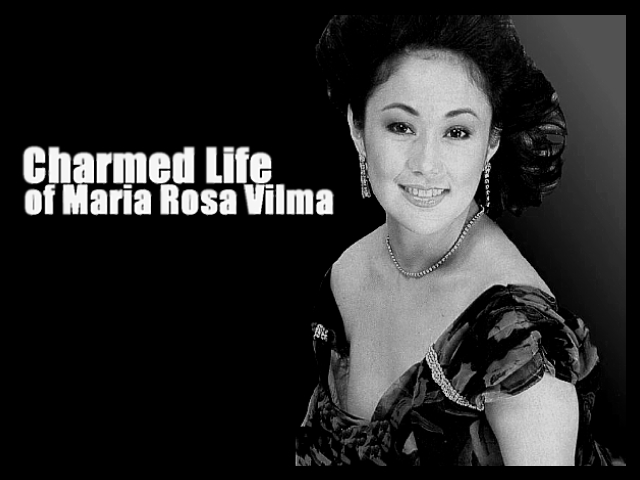





 Star For All Seasons
You must be logged in to post a comment.