Vilma Santos-Recto is a popular multi-awarded actress and politician in the Republic of the Philippines. *** She is known as "Queen of Philippine Movies," "Queenstar," "Grand Slam Queen," "Box Office Queen," and "Star for All Seasons." *** This website is mostly about her iconic film career.
“…Okay, so you’re fertile and I’m barren…pero sa mga pangyayari…para kang karinderyang bukas sa lahat ng gustong kumain!” – Fina
This slideshow requires JavaScript.
Basic Information: Directed: Eddie Garcia; Story: Nerissa Cabral; Screenplay: Racquel Villavicencio; Cast: Vilma Santos, Dina Bonnevie, Edu Manzano, Cherie Gil, Laurice Guillen, Pepito Rodriguez; Executive producer: Vic del Rosario Jr.; Original Music: George Canseco; Cinematography: Joe Batac Jr.; Film Editing: Ike Jerlego Jr.; Production Design: Peter Perlas; Theme Songs: “Hiram” Composed by George Canseco Performed by Zsa Zsa Padilla
Plot Description: A man whose wife is unable to bear him a child seeks out a professional babymaker and is then forced to choose between his wife or a family with children.
On the outside, it looks like a marriage made in heaven. But inside the thick walls of what they call home, theirs is a relationship waiting to crumble. They have been wanting a child for so long, but the wife does not have the capacity to bear a child. And when her husband cannot take it any longer, he decides to end his misery once and for all. – IMDB
The story is about an infertile couple who never had a child of their own. The husband, frustrated by his wife’s infertility, hired somebody who was willing to carry his child. The hired woman got pregnant but she fell in love with the child’s father. The husband falsely adopted the child, hiding the fact from his wife that the child was his own. All the attention the husband gave to the child drove his wife to jealousy. To complicate things, the husband eventually had a secret affair with the child’s mother, and this affair produced another baby. The mistress left the newborn baby at the footsteps of the husband’s house. The wife then took care of the baby, and the children grew without their adoptive mother knowing that the two kids were fruits of her husband’s secret love affair. – Wikipilipinas
Childless couple Fina (Vilma Santos) and Rodel (Edu Manzano) seek medical help which reveals that Fina has an immature uterus, a condition she has known before their marriage but has kept from Rodel. Rodel’s friends suggest that he adopt his own child with Ditas (Dina Bonnevie), a baby maker they introduce to Rodel. The arrangement is very professional but Fina overhears through a telephone extension that Ditas has given birth. Fina is indignant in thinking that Rodel has been cheating on her. She rejects the child and sends Rodel and his infant son away. Rodel turns to Ditas and stays with her for some time until Fina relents and welcomes Rodel and his son. Then Fina finds an infant girl in her garden because Ditas has decided to leave both Rodel’s children for Fina to raise – TFC Now (READ MORE)
Film Achievement: 1987 FAMAS: Best Musical Score – George Canseco; Best Nomination Best Actor – Edu Manzano; Best Actress Nomination – Vilma Santos; Best Supporting Actress Nomination – Dina Bonnevie
Film Reviews: “…The year was 1986. Palimos Ng Pag-ibig directed by Eddie Garcia was a smashed hit. Vilma co-starred with her soon to be ex husband Edu Manzano and Dina Bonnevie. Despite the mixed reviews from the critics, the film gave us, arguably, one of the most memorable lines in Philippine movie history. The scene was, Vilma, playing Fina was about to leave the house when Ditas, (Edu’s mistress and baby maker) knocked on the door, with her was her husband’s child. She forced herself in. Confronting Ditas, Fina: “Ilang gabi kang binili ni Rodel?” Ditas (Dina): “Isang Gabi lang, malakas ang kanyang punla at nangangailangan lang ng matabang lupa!” Fina: “Okey! So you’re fertile and I’m barren…pero sa mga pangyayari, para kang karinderyang bukas sa lahat ng gustong kumain! Paano mong mapapatunayang ang asawa ko nga ang ama ng batang iyan at wala siyang kasosyong iba?…” – RV (READ MORE)
“…I shot Palimos ng Pagibig (a Viva drama, with Edu Manzano and Dina Bonnevie) at Luis’ house,” added Vilma. “I remember him as sobrang kalog, palabiro. Ang tawag namin kay Tito Luis palengke kasi nga Mercado ang real surname niya. I was nine years old then and he always reminded me to just enjoy everything. We were always shooting dramatic scenes at parati akong iyak nang iyak, but after every take, tawa na kami nang tawa because Tito Luis would start cracking jokes…” – RicoJr (READ MORE)
“…On the outside it looks like a marriage made in heaven. But inside the thick walls of what they call home theirs is a relationship waiting to crumble. They have been waiting a child for so long but the wife (Vilma Santos) does not have the capacity to bear a child. And when her husband (Edu Manzano) cannot take it any it any longer he decides to end his misery once and for all…” – Mav Shack (READ MORE)
“Ako ay kristyano, higit sa lahat ako ay tao. Kung nandito lamang si kristo sa ibabaw ng lupa alam kong kasama ko siya sa pakikipaglaban.” – Sister Stella Legaspi
“Kung walang kikilos sino ang kikilos, Kung hindi ngayon Kailan pa… Katarungan para kay Ka Dencio!” – Sister Stella Legaspi
This slideshow requires JavaScript.
Basic Information: Directed: Mike De Leon; Story: Jose Almojuela, Mike De Leon, Jose F. Lacaba; Screenplay: Ricardo Lee; Cast: Vilma Santos, Jay Ilagan, Gina Alajar, Laurice Guillen, Tony Santos Sr., Anita Linda, Liza Lorena, Ruben Rustia, Eddie Infante, Adul de Leon, Rody Vera, Pen Medina; Executive producer: Lily Y. Monteverde; Original Music: Ding Achacoso; Cinematography: Rody Lacap; Film Editing: Jess Navarro; Production Design: Cesar Hernando; Sound: Ramon Reyes; Theme Songs: “Sangandaan”, “Aling Pag-ibig Pa?” performed by Pat Castillo; Sister Stella L. is titled “Sangandaan” when its exhibited in 1985 Venice Int’ Film Fest (“Incroci” in Italy and “Crossroad” in English)
Plot Description: Sister Stella L is the award-winning masterpiece by Mike de Leon. Its about a nun, Sister Stella Legaspi (played by Vilma Santos), who becomes involved in labor strikes after learning about the governments neglect of the poor and the working class. Her sworn duty to fight for the poor and the oppressed turns personal when her journalist friend Nick Fajardo (played by Jay Ilagan) is tortured and the union leader Dencio (played by Tony Santos) is kidnapped and killed. What follows is her eye-opening and tear-jerking battle against cruelty and injustice. This film is one of the most memorable roles for Vilma Santos. She is excellent in her portrayal of the resilient nun. – Regal Films (READ MORE)
A nun who acts as a counselor in a home for unwed mother undergoes political awakening when her friend and namesake belonging to the same congregation as hers inspires her to get involved in the struggle for justice and freedom of striking workers in a cooking oil company. – Database of Philippine Movies
Sister Stella L. is the award-winning masterpiece by Mike De Leon. It’s about a nun, Sister Stella Legaspi, who becomes involved in labor strikes after learning about the government’s neglect of the poor and the working class. Her sworn duty to fight for the poor and the oppressed turns personal when her journalist friend Nick Fajardo is tortured and the union leader Dencio is kidnapped and killed. What follows is her eye-opening and the tear-jerking battle against cruelty and injustice. The film broke censorship barriers back in 1984, during the final years of the US-backed Marcos dictatorship, for its realistic portrayal of labor struggles, and extrajudicial killings, hauntingly mirroring the reality of Philippine society today under Gloria Macapagal-Arroyo. – Filipinas for the Rights and Empowerment
Labor, politics and religion are the issues that come in conflict in Sister Stella L. The film tells the story of Sister Stella Legaspi, a nonpartisan religious, whose pacifist stance is challenged by an older radical colleague, her namesake, and Nick Fajardo, a concerned journalist, her ex-boyfriend, in response to the injustice being perpetrated on a group of factory workers in Barrio Aguho. When a strike is declared at the local oil factory, the young nun is thrown into the thick of the strike and leaves her convent work to help the workers in their efforts against unfair labor practices. While she looks upon the matter as an opportunity to put into practice the teachings of Christ, the strikers on the other hand are quick to realize the strategic advantage of having nuns at the picket line. This utilitarian stage gradually develops into a relationship of deep involvement. Sister Stella begins to think like a worker. She learns to identify with their cause. Denounced by corporate officials, the strikers and the nuns align themselves together to fight off harrassment from management and, para-military agents. On order from higher-up, the group’s labor leader, Ka Dencio, is abducted, tortured, and killed. But his death fails to destroy the spirit of the protest. The workers, Sister Stella L, and the journalist, resolve to carry on the fight. – MPP
“…The peaceful life of a young nun is transformed when she becomes involved in helping the cause of a group of factory workers in a nearby town. She asks to be transferred to the town where she dedicates herself to working against unjust labour practices in the factory…” – British Film Institute (READ MORE)
Film Achievement: 1984 Gawad Urian: Best Picture – Regal Films; Best Actress – Vilma Santos; Best Actor – Jay Ilagan; Best Direction – Mike De Leon; Best Editing – Jess Navarro; Best Music – Ding Achacoso; Best Screenplay – Jose F. Lacaba, Jose Almojuela, Mike De Leon; Best Sound – Ramon Reyes; Best Supporting Actor – Tony Santos Sr.; Best Supporting Actress – Laurice Guillen; Best Cinematography Nomination – Rody Lacap; Best Production Design Nomination – Cesar Hernando; Best Supporting Actress Nomination – Gina Alajar; Best Supporting Actress Nomination – Liza Lorena; 1984 Star Awards: Movie of the Year – Regal Films; 1984 Film Academy of the Philippines: Best Picture – Regal Films; Best Director – Mike De Leon; Best Actress Nomination – Vilma Santos; 1984 FAMAS: Best Supporting Actor – Tony Santos Sr.; Best Actress Nomination – Vilma Santos; Philippines’ entry to 1985 Venice International Film Festival; Sister Stella L. was one of 25 Filipino films shown in New York from July 31 to August 1999, organized by the Film Society of Lincoln Center; Special Selection: 2013 Cinemaralita Film Festival – Urban Poor Resource Center of the Philippines
25 Filipino films shown at Lincoln Center – “In celebration of the 100th year of Philippine Independence, the Film Society of Lincoln Center, in partnership with the Philippine Centennial Commission, the Cultural Center of the Philippines, IFFCOM, the Philippine Information Agency, the Consulate General of the Philippines in New York and the Philippine Centennial Coordinating Council – Northeast USA, presented a series of Filipino films at the Walter Reade Theater of the Lincoln Center. Slated July 31 through August 20, and with a line-up of about 25 films, the series was the most extensive Filipino film retrospective ever to take place in the United States. All prints are subtitled in English. By including old classics as well as contemporary films, the three-week festival brought the country’s centennial commemoration into sharper historical focus. It also featured some of the best works by acclaimed director Lino Brocka, and concluded with the award-winning short films and videos of young, upcoming Filipino and Filipino-American filmmakers. The members of the film selection committee were Richard Peña (Program Director of the Film Society of Lincoln Center), Domingo Hornilla, Jr., Vincent “Ting” Nebrida, and Agustin “Hammy” Sotto. Some of the titles shown in the festival were: In the Classics Category…two films by Mike De Leon: Sister Stella L. starring Vilma Santos and Batch ’81 starring Mark Gil; and three works by Ishmael Bernal namely Nunal sa Tubig (A Speck in the Water) starring Daria Ramirez, Aliw starring Suzette Ranillo and Relasyon starring Vilma Santos…Among Brocka’s films being spotlighted were Maynila sa Mga Kuko ng Liwanag, Insiang, Tinimbang Ka Nguni’t Kulang (You Were Weighed But Was Found Wanting) and Ina, Kapatid, Anak (Mother, Sister, Daughter)…” – Seapavaa Bulletin (READ MORE)
Film Reviews: “…Kung ang Pelikulang Karnal (1983) ay nagpapakita ng anti-feminist, kabaliktaran naman ito ng Pelikulang Sister Stella L. Sa pelikulang ito, matatapang ang mga kababaihan gaya nina Soledad, Aling Auring, Sister Stella B. At Sister Stella L. Sa pagsusuring ito, gusto kong bigyang atensyon ang katauhan ni Sister Stella L. Bagkus, bingyang pansin din sa pelikula ang pagwewelga ng mga manggagawa. Sa puntong ito, ayoko na ng maraming diskusyon sa mga manggawa. Wala namang pinagbago. Mula noon hanggang ngayon, pareho pa rin naman ang sistema. Natural na lang siguro ang pagwewelga lalo pa’t may gusto ka talagang ipaglaban at makamit ang ipinaglalaban mong iyon…Sa aking pagsusuri, nakita ko ang katapangan ni Sister Stella L sa pelikula na syang naging instrumento ng mga welgista upang mas lumaban pa. Nakita ko rin dito ang pabago-bagong desisyon ni Sister Stella L. Siguro ganon nga talaga ang mga babae, pabago-bago ng iniisip. Gayunpaman, napaisip ako. Dapat ba kung ano lang ang katayuan mo sa buhay hanggang dun ka na lang? Parang si Sister Stella L. Kung isang madre ka, dapat ba nasa simbahan ka lang? Hindi ba pwedeng tumulong sa iba pang nangangailangan?. Subalit, dito naman nagkaroon ng mali si Sister Stella L., ang pumasok sa isang sitwasyon na hindi nya pa lubos na alam. Wala namang mali sa pagtulong at lalong walang mali sa pakikipaglaban sa kung anong alam nating tama, siguro dapat suriin at unawain muna nating mabuti ang sitwasyon sapagkat sabi nga ni Ka Dencio, “Kung hindi tayo kikilos, sino ang kikilos? Kung hindi ngayon, kelan pa?…” – Elay Co, elayco20.wordpress.com, 15 September 2014 (READ)
“…The reason why historical revisionism and the support of Martial Law is still prevalent in our society is because there is no solid narrative about one of the country’s darkest moments in history. Our history books have given a watered-down version of its era, which is why it isn’t comprehended in its full gruesome form. Which is why we have movies to thank. Dekada ’70 isn’t the only Martial Law movie out there. As much as we love Nora Aunor and Christopher de Leon, the film industry has a plethora of movies that look at Martial Law through different eyes. With the long weekend and Independence Day coming up, here are some films to remind us of the freedom that we enjoy today. Be warned, most of these movies will include a lot of violence, sexual assault, and more disturbing themes. Sorry but that’s just how Martial Law was…This film is about the political awakening of Sister Stella Legaspi, played by the legendary Vilma Santos. Sister Stella decided to protest against the maltreatment of the government to the labor force and the poor despite the criticisms from her fellow activists. It’s an emotional roller coaster that makes one question what exactly is one’s duty during such hard times…” – Anna Cayco, The Philippine Daily Inquirer, 10 June 2017 (READ)
“…Mike de Leon’s Sister Stella L, which was such a masterpiece that it overshadowed the substantial achievements of several films of 1984 (such as Tikoy Aguiluz’s Boatman, Mario O’Harra’s Bulaklak sa City Jail, Gil Portes’ ‘Merika, Ishmael Bernal’s Working Girls, and Abbo de la Cruz’s Misteryo sa Tuwa). It was a good year for film, and in a good year, good films inevitably have to compete against each other. In fact, Sister Stella L won most of the film awards for 1984, a distinction that could have been Soltero’s in an earlier, less rich year…” – Isagani R. Cruz, Philippine Panorama, 6/2/85
Hindi kami nakakilos sa aming inuupuan matapos panoorin ang “Sister Stella L”. Para kaming sinampal, tinamaan ng kidlat right between the eyes. Masyado kaming naapektuhan. Gusto naming sumigaw. Talagang gagalitin ka ng pelikula. Kay raming eksena ang talagang titiim ang bagang mo. Manggigigil ka, magngingitngit ka. At pahahangain ka. Gusto mong sigawan ng bravo, yakapin at suubin ng papuri ang mga gumawa nito. Si Mike de Leon na siyang direktor. Si Lily Monteverde na naglakas loob na I-produce ito. Ang scripwriters, ang mga artista, at lahat na ng kaugnay sa pelikula. Alam mong itinataya nila ang kanilang kaligtasan sa paggawa ng ganitong uri ng pelikula. At bilang manunulat, naroon ang hangarin mo upang tulungan ang pelikulang ito na mapanood ng lalong nakararaming mga pilipino. ..nang walang putol!
Ang “Sister Stella L” ay kasaysayan ng isang madre, ng isang Pilipino, at ang pagkakamulat ng kanyang mga mata sa mga kaapihang sosyal na nagaganap sa kanyang paligid. Sa pagsisimula ng istorya as siyam na taon nang naglilingkod sa kumbento ng Caritas si Sister Stella Legaspi (Vilma Santos). Guidance counselor siya sa mga taong may problema na tulad ni Gigi (Gina Alajar), isang unwed mother. Minsa’y dinalaw siya ni Nick Fajardo (Jay Ilagan), isang peryodistang dati niyang katipan. May sinusulat itong artikulo tungkol sa mga aktibistang pari at madre. Agad inamin ni Stella na siya’y “walang masyadong alam sa socio-political involvement ng mga madre at pari.” Siya ang ginawang ehemplo ni Nick sa artikulo nito ng mga madreng kulang sa kamulatan. Nag-react dito si Stella at sinabi sa kanya: “ Hindi ba involvement din ang trabaho ko rito sa Caritas?” Madalas ma-depress si Gigi at kay Stella ito sumasandal. Nang minsang sabihin sa kanya ni Stella na kaya niyang dalhin ang kanyang mga problema ay sinumbatan siya nito: “Madaling magsalita. Hindi naman ikaw ang nahihirapan. Paano mo alam, hindi ka naman dumaan sa hirap? Nagbuntis ka na ba? Laging masakit ang suso mo. Nahihirapan kang tumae.” At nang patuloy pa ring malamig si Stella ay sinabi nito: “Bakit hindi ka gumaya sa ‘kin? Nagagalit, nagmumura, nagpapabuntis?”
May kaibigang madre si Stella, si Sister Stella Bautista (Laurice Guillen). Involved ito sa social action work at kasalukuyang tumutulong sa Barrio Agoho, isang factory town, na kung saan ang mga manggagawa sa Republic Cooking Oil ay nagbabantang mag-aklas. Naakit si Stella L. na tingnan ang uri ng trabaho roon ni Stella B. Sa araw ng kanyang pagdalaw sa Agoho ay tiyempo namang pagsisimula ng welga roon. Tuwang-tuwa si Stella B. Sumasama raw siya sa picket line dahil “pag may mga madre at pari sa picket line, nahihiyang pumasok ang mga eskirol.” Sa paglapit niya sa picket ay naabutan si Stella L. ng placard at siya man ay napabilang na rin sa welga. Puno pa siya ng mga katanungan: “Ano ba ‘tong napasukan ko? Anong gagawin ko?” Sabi naman ni Stella B.: “Basta gawin mo lang ang gagawin ko.” Sa paglipas ng oras ay nakausap niya ang mga manggagawang nagwewelga, nakitulong siya sa pagsandok ng kanin, sa paghugas ng plato. Nakilala niya ang lider ng mga welgista na si Dencio (Tony Santos) at ang asawa nitong si Auring (Anita Linda). Nang makita ni Nick ang mga larawang kuha sa welga at kabilang doon si Stella, nasabi nito sa kanyang editor (Liza Lorena): “Kilala ko si Stella. Madali siyang maimpluwensiyahan. Baka kung ano na ang napulot noon sa tokayo niyang radikal.” Nagsimula namang kuwestiyunin ni Stella ang trabaho niya sa Caritas. Binalaan siya ng kanyang superyorang si Juaning (Adul de Leon): “Hindi social action ang linya natin. At tandaan mo ang sabi ng Papa: huwag tayong humalo sa politika.” Sa kanyang mga alinlangan kung tama ang pasiya niyang maglingkod sa Agoho, ito ang payo ni Stella B.: “Paano mo malalaman kung hindi mo susubukan? Hindi ang mga tao ang dapat makinig sa ‘yo, ikaw ang dapat makinig sa kanila.” Dahil sa kanyang karanasan sa Agoho, nasabi ni Stella kay Gigi: “Ang kahirapang nababasa’t naririnig ko lamang ay naging buhay na sa akin. Ako pala’y nangangapa ring tulad mo.” Namulat ang mata niya sa “pang-aabuso sa mga naaapi” at na-touch siya ng “pag-aasikaso ng mga ito.” Aniya: “Sila na ang nangangailangan ay kami pa ang kanilang iniintindi.”
Duda pa rin si Nick sa involvement niya sa welga. Pasulpot-sulpot lang daw siya roon, patulong-tulong. “Kapag nagsawa ka,” anito, “uuwi ka rin sa komportableng kumbento.” Si Stella B. ay kinailangan namang magpunta sa Davao upang tumulong sa isa pa nilang kasamahan doon, lalong nangamba si Stella L. na iiwanan siya nito sa Agoho. “Baka hindi ko kaya,” aniya. Sabi naman ni Stella B. “Puro ka baka, e, kailan mo pa malalaman?” Pinatawag uli si Stella ni Juaning. Sabi nito: “Hindi payag ang kongregasyon sa trabaho mo sa Barrio Agoho.” Sa pagbabalik niya sa Caritas, nagpatiwakal naman si Gigi. Lalong naguluhan si Stella. “Parang bumaliktad ang mundo ko,” aniya. “Marami akong tinatanong. Bakit nga ba ako nag madre?” Sabi naman ni Stella B.: “Madreng lansangan ka pa rin hanggang mamatay ka.” Natuloy ang pag-alis nito, na ang akala’y pinoproblema niya na baka may pagtingin pa rin siya kay Nick. Bilin pa nito: “Kung mahal mo siya, sundin mong feeling mo. Marami namang paraan ngpaglilingkod sa Diyos.” Si Nick ay nagkaroon din ng problema sa trabaho niya. Isang artikulo niya tungkol sa karanasan ni Stella B. sa Isabela na pinamagatan niyang “A Nun’s Story: Military Atrocities” ang hindi pinalathala ng kanilang publisher. “I-rewrite mo,” sabi ng editor niya. “Bawasan mo’ng tapang.” “Ano?” balik niya. “Gawin kong love story?” “Sabi ko, i-rewrite mo, hindi babuyin,” anang editor. Pero sa bandang huli ay nag-give up na rin ito. Tanggapin na raw lamang ang kanilang mga limitasyon. “Hindi lahat ng legal ay makatarungan.” Nagbitiw si Nick sa trabaho niya sa Tribune at lumipat ng pagsusulat sa Malaya.
Nagbalik si Stella L. sa Agoho at naging mas aktibo na siya sa picket line. Nang minsang lalabas ang trak ng mga produkto mula sa pabrika ay siya pa ang nag wika: “Mga kasama, magkapit-bisig tayo.” Samantala’y nagsimula ang pangha-harass kay Dencio at sa pamilya nito. Una’y ginulpi ang anak niyang si Roger, pagkatapos ay binaril ang bahay nila. Ang huli’y kinidnap si Dencio. Nang papaalis na sina Stella at Nick upang humingi ng tulong, sila man ay kinidnap din. Nakita nila ang pagpapahirap kay Dencio. Sila man ay sinaktan din at si Stella ay binastos pa ng mga sanggano. Pinakawalan din sila. Di naglaon, ibinalik si Dencio. Patay na. Sa harap ng mga manggagawa, ipinahayag ng asawa nitong si Auring na tuloy ang welga. Nagsalita rin si Stella at sinabi niya: “Ilang beses akong pinaalalahanan na ako’y isang madre lamang. Pero una sa lahat, ako’y isang tao, ako’y isang Kristiyano.” At isinigaw niya: “Katarungan para kay Ka Dencio. Mabuhay ang uring manggagawa.” Sa last scene ng pelikula’y nagsasalita ng diretso si Stella L. sa mga manonood: “Marami pa akong hindi alam at dapat malaman tungkol sa kasalukuyang kalagayan ng ating sistema ng lipunan. Kailangan pa ‘kong patuloy na mag-aral at matuto. Pero ang mahalaga’y narito na ako ngayon, hindi na nanonood lamang. Nakikiisa sa pagdurusa ng mga di makaimik, tumutulong sa abot ng aking makakaya. Kung hindi tayo ang kikilos, sino ang kikilos? Kung hindi ngayon, kailan pa?”
More than anything else, ipinakita ni Mike de Leon bilang isang socially committed at responsible na director ang iba pang posibilidad ng pelikula bilang art at bilang medium of communication. ‘Yung mga laging pumipintas sa pelikulang lokal at nagsasabing walang kuwenta’t saysay ang mga ito, panoorin ninyo and “Sister Stella L” for it is Filipino moviemaking at its best: aware, concerned, and with a universally relevant message. It also shows that an artistic film can be entertaining and as a matter of fact, is necessarily intellectually entertaining (but an entertaining film is not necessarily an artistic one). The movie succeeds in delivering its message because all the elements that went into its completion are excellently executed. It is that rare kind of movie which has no false moves. The screenplay is brilliantly developed and constructed by Pete Lacaba, Jose Almojuela (who is also the assistant director), and Mike de Leon himself. The cinematography of Rody Lacap deserves nothing but superlatives and the musical score by Ding Achacoso is served in a silver platter (napakagaganda ng mga awiting “Sangandaan” at “Aling Pag-ibig Pa” na nilikha niya para sa pelikula). The editing by Jess Navarro and the production design by Cesar Hernando also deserve the highest commendation. We cannot help but gush dahil lahat ng aspeto ng produksiyong ito ay maganda.
The movie is sure to elicit all sorts of reactions from various quarters. The bigoted and the narrow-minded will no doubt readily brand it as the work of communists and subversives. The involved will merely find it interesting. But the enlightened will declare it as a socially committed work of art. No doubt that some concerned quarters will be offended. Some of the speeches are so frank and fearless. Dencio says in a May 1st rally: “Ang mga manggagawa ang lumilikha ng yaman ng bansa. Panahon na para ipakita ang lakas ng ating pagkakaisa, na makamtan ng bayan ang tunay na kalayaan. Ang manggagawa ang nagpapaandar ng makina, nagpapalago ng puhunan.” Pero ano ang nangyayari? Tayo ang namamatay sa gutom, ang naghihikahos. Hindi magbabago ang ating lipunan kung uupo lang tayo sa isang sulok at maghihimutok. kundi tayo ngayon kikilos, kailan pa?” Nang mamatay siya, sabi naman ng asawa niyang si Auring: “Noon, ang paniwala ko talaga, gano’n ang buhay, may nasa itaas, may nasa ibaba. May nag-uutos at may nagsisilbi. Pero kung tatahimik ka na lang lagi, ang konting meron ka, aagawin pa sa ‘yo. Patay na nga si Dencio pero tuloy ang welga.” Sabi naman ng anak niyang si Roger: “Kung kikilos tayo, dapat ngayon na. Ngayon pa lang, pinapatay na kami. Kaya mas mabuti pang mamatay ng lumalaban kaysa habang buhay kang nagtitiis.”
To make a film like this comes under the heading “they said it couldn’t be done.” Mike de Leon does it, splendidly. In these days when local film faces such problems as exorbitant production cost, commercialism, lack of an intelligent and responsive audience, and censorship, it is heartening to note that movies like this are still being made. Matthew Arnold said that art and society shape each other so artists should deal with serious subjects of moral and social value. This is exactly what Stella L. accomplished, for it allows the viewer to meditate on life and help him gain some insights. Surely no film is an island entire of itself because each movie is made by several men, but the distinguishable personality of an exceptional director is almost always imprinted on his film. We have never really liked the works of Mike de Leon that much and his movies (like “Itim”, “Kung Mangarap Ka’t Magising”, and “Kisapmata”) seemed nothing more to us as exercises in self-indulgence. Starting with “Kakaba-kaba Ka Ba?” though, he demonstrated a newfound cause in making movies, which is further reinforced by “Batch ‘81”. Now, Stella L., offers the pleasure of watching a director as he is hitting full stride, his craft and competence marching in step with history. His deft hand is quickly evident in the cinematography. There is no imposed prettiness in the photography, no straining for arty effects, but the texture is rich and palpable to validate reality, with the effective use of color-acting on the viewer to reinforce the temper and tenor of the story.
De Leon handles his intimate and delicate material powerfully, persuasively and penetratingly. He not only executes the technical aspects marvelously but also knows how to work with his actors, both individually and in the here all-important ensembles. The crowd scenes are a delight, with some sequences presented with the veristic quality of a documentary, and each scene is played for maximum impact, immaculately crafted and made with care and conscience, with dedication and devotion. If we now sound so much like an avid de Leon fan, it is because Stella L. is the kind of work that makes a reviewer long for new adjectives of praise. One knows very well that de Leon works for reasons other than money. This makes the strength, sensitivity and symetry of his direction deserve the highest praise and the sweet of music of thunderous applause for it is just better than perfect. Local cinema gives us very few occasions to rejoice and this is one of them. In the large and uniformly excellent supporting cast, Laurice Guillen stands out as Sister Stella B. She is one film director and actress who is really ablaze with talent. As the instrument to Stella L.’s involvement in a much more worthy cause, she imbuesher role with just the right mixture of intensity and charm. Equally memorable are Tony Santos as the beleaguered labor leader, Anita Linda as his courageous wife, and Liza Lorena as the sympathetic magazine editor who is willing to compromise. Gina Alajar is very effective in a very short role as the unwed mother. In the male lead role, Jay Ilagan proves once more that he is indeed one of our most competent young actors available.
And now, Vilma Santos. Playing the title role, Vilma tries a part that is totally different from her past roles and proves that she has indeed become a highly skilled professional. Her role is somewhat reminiscent of Audrey Hepburn’s in Fred Zinnermann’s “The Nun’s Story”, where a young nun discovers in a hospital at the Congo that she is first a nurse and only second a religious. But Stella’s awakening is much more vital and revolutionary than that of Sister Luke in the Hepburn movie. Vilma’s transformation from an innocent bystander to that of an active participant who is audacious enough to be in the thick of battle is truly quite awesome to behold. We could almost see and feel the internal changes in her. In a sense, the role is somewhat tailor made for her because her beauty is appropriate to the part of Stella L., but she also succeeds in transcending her established personality, delivering her lines and gestures with vigorous conviction and playing it to perfection that one can safely predict that she will again be running in the best actress derby come next year. And so, to Vi, Mike and Mother Lily, our heartfelt gratitude for giving us a film that has the power to cause insomnia. – Mario E. Bautista
Must the ability to entertain the audience be the constant guiding criteria in the film and in the performing arts? While certainly, one does not minimize the importance of the entertainment function of the arts, the film Sister Stella L shows that it is not much the ability to entertain that is crucial as the ability to stir and maintain interest. For, as in this film, one cannot really say that the audience is entertained, regaled with spectacular sights, provided a pleasant diversion or titillated by teasing or amusing scenes, but the audience is invited, through the skills of the performers and director, to engage in immediate issues which concern us today. This film thus poses a challenge to our usual notions and expectations of Philippine cinema, as it is not a romantic or domestic drama, a comedy or an action film. The fact that such a film as this appears at this point implies a belief in the development and maturity of the local audience who can, at least from the responses of previewers so far, be receptive to harder stuff.
Sister Stella L deals with the contemporary social issues through the experience of various characters, among them Sister Stella L (Vilma Santos) and Nick, her former boyfriend now a journalist (Jay Ilagan), Sister Stella B (Laurice Guillen), the union leader Ka Dencio (Tony Santos) and his wife (Anita Linda). Again, the film differs from most productions nowadays in its immersion in contemporary social reality. The characters, too, possess a strong active aspect of people engaged in a meaningful cause, the people’s struggle for social justice. The nun that Sister Stella B portrays typifies in her strength and honesty the person who has gone beyond purely personal and selfish concerns to embrace the larger role of service to the people. No doubt, it is a refreshing and exhilarating experience to see characters who realize themselves fully as human beings by transcending petty selfish interest and giving of themselves to people in need of support and protection. Because of this, the spirit of the film is highly optimistic and reassuring because it makes us strongly aware of the forces in our midst working for change and of the fact that history is moving forward with these forces assuming the active role.
The central issue of the film has to do with the involvement of religious like Sister Stella L and her senior, Sister Stella B, in socio-political affairs. We know, for instance, that one point of view will have priests and religious secluded behind convent walls where their activity is restricted to praying. They are to have nothing to do with life around them as social and political concerns are thought to corrupt their purity and bring in wordly moral dangers and temptations. Or that priests and religious should remain apolitical, not taking sides in socio-political issues, but as men of God, considering all men as brothers who will, in the end, become docile and receptive to preachings of love and unity. The other point of view believes that it is not as simplistic as all that. In fact, it believes that the adoption of a neutral attitude can only serve to dull one’s moral sensibilities and because one shirks from making moral choices, one also renouces one’s responsibility as a human being. In truth, it is of utmost importance, perhaps particularly so for religious, to have a fine and acute sense of moral discernment as applied to social relations, in which the idea of truth and justice operate. The religious who makes grand sermons on love and unity may not himself understand the meaning of truth and justice, because love and unity do not exist in the abstract but are social ideals possible of attainment – only and only when exploitative relationships are destroyed. Otherwise, one contents oneself with hypocrisies. What for instance, would be the love of the rich factory owner intent on profits for the worker, and vise versa. Workers’ wages are only to keep workers alive and in a measure of health for him to have enough strength to operate the machines of work in the fields. Is it enough for factory owner and worker to meet in church and perhaps occupy the same pew – or will religious feel sufficiently edified at the sight? But priests and nuns are citizens of this country as much as any of us and are thus part of the body politic in which they have the right to take active part. Likewise, they are as human as anyone else, and as human beings, they have the drive toward concreteness and totality realized only in social interaction. The Church, too, cannot afford to take a position of alienation and withdrawal, because by doing so it will only continually lose its influence in a time of urgent and pressing realities; otherwise, it will only end up as an outmoded medieval institution. The Church is continually called upon to make moral decisions, and it is through these that the people will know whether it truly supports their cause or whether it only acts as a liaison for exploitative interests.
In the film, for instance, there is a conflict between Sister Stella L and her superior who wants her to stay in the convent to act as guidance counsellor and not to engage in labor activities in Barrio Agoho where a strike in an oil factory is taking place. For a while, she obeys her superior to be spiritual adviser to an unwed mother, portrayed by Gina Alajar, who, however, throws her back the question of what does she know at all, as a nun, of human suffering. The task of counselling this individual soul lost in her private hell is fruitless and Gina eventually commits suicide, which serves to show the nun the narrow limitation of such a task. Sister Stella L henceforth knows that she must make the choice of the larger and more challenging field of the workers in struggle. It is also important to note that Sister Stella B tells her fellow nun that although her immediate superior may not approve of her social participation, it is possible that higher superiors will – thus showing that such is still possible within the fold of the congregation. Also, at one time, there arises the question of whether Sister Stella L will stick it out as a religious or continue her activities outside the convent. Upon consultation with her friend, Sister Stella B, she decides to carry on the struggle as a nun, and by so doing, show the importance of such a function for her fellow religious, as well as its validity as a position within the religious orders.
The central event in the film is the strike of workers in an oil factory in Barrio Agoho where nuns show their support for the workers by participating in the picket, thereby lending valuable protection. The factory owner (Ruben Rustia) sends goons to harass the picket line, and makes use of the military, which readily lends itself to protect the minority interests of wealthy property owners against the majority interests of the workers. When the strike continues despite inclement weather and hunger, the factory owner resorts to kidnapping the union leader, Sister Stella L, and her journalist friend. All are maltreated and tortured, but the old union leader is finally “salvaged” and thrown into a dump. In the confrontation between the factory owner and Sister Stella L, the former shows himself to be hostile to the workers and to the participation of the nuns: “Kung pati ang mga madre ay nagpapagamit sa mga Komunista, mabuti pang magbago na lang ako ng relihiyon.” To which the nun answers: “Mabuti na ngang magbago kayo ng relihiyon upang hindi parehong Diyos ang sambahin natin.” The murder of the union leader, Ka Dencio, only lends more fuel to the workers’ resolve to continue the strike, which is now led by his wife, with the militant participation of Sister Stella L. The latter’s exhortation to the workers – and by extension to the audience – to engage in the struggle ends the film.
A secondary theme is the issue of press freedom, which is explored, in the first-hand experience of Nick, the young journalist. He writes a series on the politicization of the religious and their active participation in mass actions. In the beginning, his motivations are somewhat confused – and this his editor points out clearly to him – because he may be using this as an excuse to follow and communicate with Sister Stella L, who used to be his girlfriend. The journalist, however, understands the futility of the religious confining themselves within convent walls and poses the challenge for involvement. Sister Stella L takes up the challenge – in fact, the journalist’s articles contribute to her politicization. When she gets more and more involved, he becomes protective and anxious for her safety. His articles on the subject barely squeeze through censorship and he experiences increasing difficulty in getting published. Sister Stella L and he are kidnapped by goons and they are physically assaulted even as they witness the torture of the union leader. Instead of intimidating them, the experience completes their politicization and in the end Sister Stella, militant and committed, finds her true social role.
Because this movie deals with issues, it has more than the usual amount of dialogue compared with other films. This, however, does not work against it. Since what is talked about is drawn from the very stuff of social reality and thus concerns a large number, it is able to sustain interest. Too much dialogue would be a defect if it dwelt on banalities or inanities or if it narrated incidents rather than portrayed them. In this case, dialogue is necessary for the exploration of issues, as well as for the portrayal of how the characters reckon with ideas and develop in their social consciousness. The audience is not bored provided the things talked about in the film have a bearing on their lives. Filipinos, after all, are a talky lot (think of the large amounts of time spent in coffee shops over coffee or beer). Moreover, these are talky times, because the larger public is rapidly developing critical awareness, and there is now a greater need for interaction and exchange in the interest of survival. There are references in the film which may, at first, seem extraneous, such as Sister Stella B’s mission to Davao where she joins a fact-finding group. However, such references serve to extend the “area of responsibility,” if we may borrow the expression, from Manila to the far-flung provinces. Thus, the unity of the film is not only in the events that engage the characters in Manila but also in a larger over-all spirit of solidarity in which vibrations of sympathy throughout the islands give strength and comfort to those of a common cause.
For a heart-warming film, the entire cast deserves congratulations, particularly Vilma Santos who reveals another aspect of her multi-faceted talent. From her usual soft and sweet romantic roles, she can be transformed into a strong and militant woman without losing any of her charm and beauty. Jay Ilagan, Tony Santos, Anita Linda and Liza Lorena are also in their best form. Mike de Leon as director, Jose F. Lacaba as scriptwriter are likewise to be congratulated for making a truly human film and for contributing to the cause of workers for justice and of the religious for the recognition of their social role. Not to be overlooked is the producer Lily Monteverde of Regal Films who has this time shifted from puerile erotic dramas to make a courageous film for which she will always be well remembered. – Alice G. Guillermo, Who Magazine, May 30 1984
There would have been two important Filipino films in this year’s prestigious Cannes Film Festival: Sister Stella L., directed by Mike de Leon and Kapit sa Patalim, directed by Lino Brocka. Both smuggled out to France and both vitally political in thrust, the two films were reportedly disowned by the Philippine embassy in France. Supposedly under instructions from the Philippine goverment, the embassy sent the following disclaimer to the festival directorate: “There are no Filipino films in the Cannes Film Festival.” The two films nevertheless made it to the festival site, though only one was screened as scheduled. Brocka’s film was in the category “In Competition,” and was tested against the works of such eminent directors as Werner Herzog, Wim Wenders, and Satyajit Ray. Early on, Kapit sa Patalim (which acquired a second title, Bayan Ko, in deference to another film project which had been approved before Brocka’s project) was rumored to be a strong contender for the Best Film award. Critic Bertrand Tavernier was quoted as saying, “It’s a toss-up between Wim Wenders’ Paris Texas and Brockas’s Bayan Ko.” De Leon’s film was to have had special screenings, on the unanimous request of the Cannes’ board of critics. Sister Stella L., however, suffered from the rush of subtitling work that descended upon Cannes’ select group of translators and De Leon opted not to show the film without subtitles. He nevertheless had the distinct honor of holding a retrospective under the sponsorship of the French Cinematheque right after the festival. The film eventually competed at the Venice Film Festival. Under its original title Sangandaan (Crossroads), Sister Stella L. was invited to the Venice Film Festival in 1984, the second Filipino film (after Genghis Khan in 1951) to be honored with such recognition. – Agustin L. Sotto and Pet Cleto, Philippine Panorama, Dec 02 1984
“…As I’ve said before, this is Pete Lacaba’s film more than it is Mike de Leon’s. Undeniably angry to the point of its indictment of the Marcos regime, the film illustrates the climate of emotions running perilously high in the aftermath of Senator Benigno Aquino’s assassination. Such emotions will culminate in a “people power” and the end of dictatorship two years later…” – Etchie (READ MORE)
“…Tatlong kanta ang ginamit sa Sister Stella L. Ang isa, “Manggagawa,” na kinanta ni Rody Vera sa pelikula (at sa programa noong Marso 20), ay ikini-credit sa akin kung minsan, pero ang talagang sumulat ng lyrics niyon ay si Peping Almojuela, at kay Ding Achacoso ang musika. Ang mga kantang ginawan ko ng lyrics (kinanta ni Pat Castillo, kay Ding Achacoso din ang musika), ay ang sumusunod…Ang isang linya sa kantang “Sangandaan”–“Saan ka tutungo?”–ay idinagdag ni Ding Achacoso dahil parang bitin daw ang ginawa kong lyrics…” – Pete Lacaba (READ MORE)
“…Sa pagkamatay ni Ninoy, ang napagbuhusan namin ng panahon nina Mike at Ding ay isang documentary na pinamagatang Signos at ang pelikulang Sister Stella L. Isang kanta mula sa binabalak na Brechtian zarzuela ang ginamit na isa sa mga theme songs ng Sister Stella L: ang “Aling Pag-ibig Pa,” na binigyang-tinig ni Pat Castillo sa pelikula at sa plaka. Nang ipalabas ang Sister Stella L. sa 1984 Venice International Film Festival, ang pamagat nito ay Sangandaan (Incroci sa Italyano, Crossroad sa Ingles). Pinagtiyap na sa unang storyline ay Sister Corazon de Jesus ang pangalan ni Sister Stella L. Ang nasa isip ko noon ay hindi si Corazon Aquino, kundi ang Sagrado Corazon de Jesus…” – Pete Lacaba (READ MORE)
Political Issues – “…The “Star for All Seasons” said she was not aware yet of political issues when she made the movie which was first shown in 1984 during the Marcos administration. “Hindi ko pa naiintindihan ang sitwasyon noon. All I had to do was act,” she confessed in her usual jolly and passionate mood. “But now I am aware of the condition already. Relevant ang ‘Sister Stella L.’ because it still speaks until now of the current situation in our society. Pareho pa rin ang nangyayari at pareho pa rin ang nakikita natin sa ating paligid,” she said. During the dialogue, it was Jose Lacaba, the scriptwriter of the film, who confirmed that it was only when Santos ran for mayor of Lipa City in Batangas that she came to understand what “Sister Stella L.” was all about. “Sabi sa akin ni Vilma, noon lang daw niya naintindihan ang mga pinagsasabi niya sa pelikula,” revealed Lacaba. “Sister Stella L.” was shown during the Marcos dictatorship in 1984 and had to contend with at the box-office with Viva Films’ “Bukas Luluhod ang mga Tala” topbilled by Sharon Cuneta. According to Young Critics Circle member Nonoy Lauzon, “Sister Stella L.” had to suffer a different form of censorship at that time because of the film’s theme and presentation. Lauzon said the Marcos government had to egg on Viva Films to immediately finish its Cuneta starrer to compete with Santos at the tills. “Bukas Luluhod ang mga Tala” was reportedly a glossed over escapist fare that juxtaposed the gap between the rich and the poor in our society. Lacaba attributed “Sister Stella L.”’s box-office failure to the moviegoers’ patronage of escapist entertainment. Santos was happy that until today, despite its dismal performance at the box-office, her movie about an activist nun is still remembered. “Hindi tulad ng ibang pelikula na nakalimutan na,” she proudly stated. Film director and actress Laurice Guillen was also very proud she was part of “Sister Stella L.” She said she could not forget the line thrown at her by co-star Jay Ilagan who played a journalist. “Memorable sa akin ang linya ni Jay nang tanungin ako kung ‘komunista ka ba, Sister?’” she said….” – Boy Villasanta, ABS-CBN NEWS.com, March 22 2009 (READ MORE)
About Mike de Leon – de Leon spent his childhood in the family owned LVN studio, one of the three major studios of the forties and the fifties. He studied cinematography in Germany and the United States and worked to create the quality that LVN laboratory is known for. In 1975, he formed his own company, CineManila, whose initial offering was the monumental Maynila: sa Kuko ng Liwanga, of which he was also the cinematographer. In 1976, he directed his first film, Itim (Pitch-Black), a psyhological drama of a psychic who is haunted by a past muder, in which the supernatural is suggested rather than exploited. His second film, Kung Mangarap Ka’t Magising (Moments in a Stolen Dream, 1977) touched on the bourgeois values of the upper class as two lovers meet and separate in Baguio ans Sagada. His film Kakaba-kaba Ka Ba? (Will Your Heart Beat Faster? 1980) is a fine, innovative sppof of the country’s sacred cows, using Mother Goose language to hit at, among others, the Japanese and Chinese presence in the Philippines. His fourth film Batch ’81 depicts the initiation rites of aspiring neophytes into quasi-tribal fraternities, and is injected with so much double meaning that the gory initiation rites become a disturbing metaphor of post-Martial Law Phlippines. His last film, Kisapmata (In the Wink of an Eye) delves into the misuse of authority in a closely-knit family. The Mike de Leon style always hints at meanings otehr than those plotted out and creates powerful, disturbing images. Mike de Leon’s last tow films Batch ’81 and Kisapmata were shown together at the 1982 Director’s Forthnight in Cannes, marking the first time in its history that two films by the same director were ever exhibited. – Rosauro de la Cruz (READ MORE)
“…Enigmatic director Mike de Leon has always been known as a risk taker. He pushed for ‘Itim’ as title of his debut film. The film might have ended a flop at the Metro Manila Film Festival but it is still a stunning first film. He also questioned martial law rule in Batch ’81. It was no surprise then that he would pursue a more political film after the assassination of Ninoy Aquino. But, the stars must be aligned too. The murder of Ninoy led to mass protests and a more relaxed censorship atmosphere. Mother Lily bravely took the option of producing Sister Stella L. Meanwhile, Vilma Santos was tired of portraying liberated women. She fought for the role of an activist nun. She begged Mother Lily to give her the role. The original script by Pete Lacaba was voluminous. He excused himself with the pruning of the script because he was then working on Bayan Ko: Kapit sa Patalim. De Leon and Jose Almojuela did the job of shortening the script. Ellen Ongkeko added some dialogues. Lacaba noted during the 2008 Active Vista Film Festival that de Leon found the Vilma film dated. The reclusive director preferred the showing of the magnificent documentary film Signos in lieu of Sister Stella L. While the former may have more bite, the Vilma starrer is still a highly relevant film and a true classic…” – 1505 Film Avenue (READ MORE)
“…But 25 years later, Vilma’s film is still the talk of the town and is rightly recognized as one of the best Filipino films of the 20th century. Roland Tolentino enumerated the three major reasons why the film is a gem of Philippine cinema. He noted the excellent acting by Vilma and the rest of the cast. Laurice Guillen remarked that she had to let go of her stage mannerisms in order to properly portray a nun. It remains a milestone in her acting career. A somewhat embarrassed Vilma admitted that she was clueless on the film’s message during the course of the shooting. Tolentino also highlighted the social realism of the film. Labor problems, persecution of media, and harassment of nuns were effectively portrayed in the film. A forum listener, Sister Rosario Battung, confirmed that her colleagues were stalked by military men during the Marcos regime. They were being harassed by the police and soldiers. A Kilusang Mayo Uno member said the film was always one of the films viewed at picket lines. Pete Lacaba butted in to say that hopefully the DVD copy was an original one. He also noted that media persecution got worse during the administration of President Gloria Macapagal Arroyo. Radio commentators and print journalists were being killed…” – Film Angel (READ MORE)
“…In the 70s, a period characterized by the emergence of a new breed of filmmakers, we witnessed the renascence of a new Philippine cinema. Through their ouevre, there were conscious attempts to examine signigficant Filipino experience. These films, imbued with the sensibility, of their creators, form part of our film legacy. These films, chosen by the critics as the best films of the decade, are Ishmael Bernal’s Nunal sa Tubig and Pagdating sa Dulo, Lino Brocka’s Maynila…Sa Mga Kuko ng Liwanag, Insiang and Jaguar, Mike de Leon’s Itim, and Eddie Romero’s Ganito Kami Noon, Paano Kayo Ngayon? As we journey toward the end of a new decade, the list of the best Filipino films will become longer and will have to include those made by these directors and a number of new ones, too. To this list, I would include Bernal’s Manila by Night, Mike de Leon’s Sister Stella L., Pegue Gallaga’s Oro, Plata, Mata, and Laurice Guillen’s Salome. These are the films I would proudly and justifiably call Filipino – films that are as much a source of genuine pleasure as a cause of great expectations in the future of Philippine cinema.” – Justino Dormiendo, Manila Standard, Apr 7, 1987 (READ MORE)
“…On Sister Stella L. “It will always be an important film. When I was doing this movie, I didn’t realize what it meant to me and the Filipino people. I only started to understand it when I became Mayor of Lipa and if you listen to one of the lines of the movie, you will realize that it is still relevant today. ‘Kung hindi tayo kikilos, sino? Kung hindi ngayon, kailan?…” – Boy Abunda, The Philippine Star, July 31, 2009 (READ MORE)
“…Ka Dencio will eventually be abducted and slain by armed men after being turned in by a comrade. As participants in the strike, Nick and Stella would share part of Ka Dencio’s burden but will live to tell the tale and struggle. Prior to this, Stella would already be tormented by the death Gigi comported to herself and her unborn child. The tragic deaths and the circumstances surrounding it are among the turning points and crossroads which the film is rife with. In the Venice Film Festival, the film was shown under its original title “Sangandaan (Crossroads).“ Until now, the movie theme song of the same title is sung by activists, mostly from petty-bourgeoisie origins like Stella. The Philippine title is said to be adopted by Regal as a scheme to solicit the interest of the same audience of sex flicks the production house is wont to produce on those days. The box office performance of the film however proved that the scheme went in vain. Vilma Santos guiltlessly remembers it as a commercial flop when it shared playdate with the Sharon Cuneta blockbuster “Bukas Luluhod ang Mga Tala.”. “Pinaluhod tlaga kami” she adds jokingly. Critics would later on absolve the film from its huge commercial defeat. The Manunuri ng Pelikulang Pilipino bestowed it with all major awards except production design. Other awards were given by the Film Academy of the Philippines, Star Awards, and FAMAS. It will also be named one of the most important Filipino films and Mike De Leon one of the most important Filipino filmmakers. The creative team which include scriptwriter Pete Lacaba, Cesar Hernando, Rody Lacap, Ding Achacoso continues to chart illustrious careers in the creative industry to this day…” – Dino Manrique, Pinoy Film, 2009-03-04 (READ MORE)
If we do not act, who will act? If not now, when? – “…In Mike de Leon’s “Sister Stella L,” Vilma Santos plays Catholic nun Sister Stella Legaspi. Searching for meaning behind the words in the Bible that teach people to serve the poorest of the poor, she is led to the picket line of striking workers. Gradually, she begins to see her role as a Christian to be amongst the poor and the oppressed in society. Eventually, the management (and military?) try to break the strike through terror and torture, something that is happening to this day. Different strategies of the strike are debated as well as the “sides” between the workers and capitalists. Although there is a simplistic framing of the “evil capitalist,” the issues raised by the union leaders ring very true today, especially in this economic crisis. No Filipino movie could be complete without a love story, or at least the background of one which thankfully doesn’t dominate this movie. Vilma Santos shines as the unsure but strong-willed nun in the beginning to a militant defender of the people by the end. It is a similar role she plays 18 years later in “Dekada ’70.” The movie ends in an almost-cheesy PSA but the message is clear and bold coming out after the Ninoy Aquino assassination. “If we do not act, who will act? If not now, when?…” – Identity & Consciousness (READ MORE)
Mother Mary John Mananzan – “…Nearly a day after watching Philippine President Gloria Macapagal-Arroyo’s deliverance of the State of the Nation Address (SONA) in Manila, Filipinos in New York, unconvinced by Arroyo’s speech, gathered for a in-door forum to discuss “the REAL State of the Nation Address” (SONA) at the BAYANIHAN Filipino Community Center followed by an outdoor march along Roosevelt Avenue in Woodside, Queens. Amongst the special guest speakers at the forum was none other than the real-life inspiration for the 1984 Filipino film “Sister Stella L” featuring actress Vilma Santos, Mother Mary John Mananzan…Aside from serving as the Chairperson for the Association of Major Religious Superiors of the Philippines (AMRSP), Mananzan has the distinguished title of Chairperson Emeritus of GABRIELA Philippines, the largest federation of women’s organizations in the country working for fundamental economic and social reforms. While in New York, Mananzan was happy to be joined by fellow members of Filipinas for Rights and Empowerment (FiRE), one of only a handful of Filipino women’s organizations in the US that are also members of GABRIELA-USA….” – Anakbayan New York-New Jersey (READ MORE)
Still Relevant – “…When “Sister Stella L.” starring Vilma Santos was shown in 1984 by Regal Films, it was up against Viva’s new Sharon Cuneta komiks mo-vie, “Bukas Luluhod ang mga Tala,” which clobbered it at the box office. Although it didn’t succeed at the box office, “Sister Stella L,” the story of a sheltered nun who becomes an activist, withstood the test of time. It won many awards and has been constantly praised through the years for being an excellent example of socially relevant filmmaking. Last Friday, the UP Film Institute (the haven of pornographic gay films) did something right and paid tribute to “Sister Stella L†on its 25th anniversary. Ate Vi, now Gov. Vi of Batangas, was candid enough during the open forum that at the time she did the movie when she was about 28 years old, the political issues that were delineated in the film (made at the time that the protest rallies against the Marcos regime was raging after the murder of Ninoy Aquino) were not really that clear to her. “Hindi ko pa talaga ganap na naiintindihan ang mga sitwasyon noon,” she says. “Basta ginawa ko lang ang pinaaarte sa akin ng director naming si Mike de Leon. But now, I’m more aware of the conditions shown there. Talaga ngang relevant pa rin up to now ang “Sister Stella L.” dahil ang mga sitwasyon na pinakikita roon, lalo na ang labis ng kahirapan ng mga manggagagawa, nangyayari pa rin hanggang ngayon sa ating paligid. It was only when I ran for mayor in Lipa City that I came to understand what “Sister Stella L.” was all about. Kaya proud akong kahit hindi maganda ang naging resulta nito sa takilya, heto’t patuloy pa rin siyang pinupuri at pinararangalan ng future generations. Hindi gaya ng ibang movies na nakalimutan na. I’m really proud na sa career at buhay ko, nagkaroon ako ng chance na gampanan si “Sister Stella L.”. Hanggang ngayon, gaya ng tauhan doong si Ka Dencio, marami pa rin tayong kababayan na naghahanap ng katarungan. Sabi nga sa movie, “kung hindi tayo ang kikilos, sino ang kikilos? Kundi ngayon, kailan pa?” In the panel discussion that preceded the showing of the film, the resource persons aside from Gov. Vi were Mother Lily Monteverde (the film’s producer), Pete Lacaba (the film’s scriptwriter), Laurice Guillen (who won best supporting actress for her role as the other Sister Stella in the film), production designer Cesar Hernando, and critics Mario Hernando and Roland Tolentino, with Prof. Ed Piano as moderator who cited Gov. Vi’s numerous accomplishments…” – Mario Bautista, People’s Journal March 25 2009 (READ MORE)
The Militant nun as political activist and feminist in martial law Philippines – “…The 1984 feature film Sister Stella L. had its main character, Sister Stella, say the activist slogan: “Kung hindi tayo kikilos, sino pa, kung hindi ngayon, kailna pa?” [If we do not act, who will, if not now, when else!] {Reyes 1989}. This slogan was one of the cathphrases of the activists of the 1970s. The fact that screenplay writer Jose Lacaba purposely gave these lines to the character who was a militant nun (not a priest or other activist) was testimony to the visibility of the militant nun as representative of opposition to the Marcos dictatorship. The plot of the movie involves a nun, Sister Stella Legaspi, who is initially politically indiferent, but who eventually becomes sensitized to the plight of the strikers during a labour dispute in a depressed area. Exposed to the miserable lives of the strikers, she joins them on the picket line, only to witness the military assault and murder of a labour leader. This experience strenghtens her determination to fight against tyranny and oppression and she delivers that activist slogan at the climax of the film. The fictionalized story of sister Stella L. (played by film star Vilma Santos) depicted the militant nun’s metamorphosis into political activist. Nuns were in fact interviewed and consulted by director Mike de Leon in the making of the film, which contributed to the film’s relatively accurate representation of the militant nun in the martial law years…” – Maja Mikula, Women, Activism And Social Change (READ MORE)
Justice to Ka Dencio, Kuala – “…Filipino activists gave justice to slain labor leader Ka Dencio (played by the late Tony Santos Sr.), one of the main characters in the movie Sister Stella L produced by Regal Films and directed by Mike de Leon. It was the fourth best film among our activist respondents, citing Lily Monteverde’s film 13 times. The film about an activist nun played by Vilma Santos was shown in 1984, two years before the first Edsa uprising. It was inspired by the people’s fight against the US-backed Marcos dictatorship with the labor front as its political backdrop in denouncing the fascist rule. Amy Dural of the Promotion of Church for People’s Response (PCPR) says Sister Stella L should be cited for its clear depiction of the struggle of workers against the exploiting capitalist class and the Church peoples’ involvement in this fight for class emancipation. “I gave this film a two-thumbs up for its courageous stand on the issue of labor, state fascism and its rallying call for Church people to absorb the workers’ fight for a just and humane society in flesh and in spirit,” says Dural. Brocka’s Tinimbang Ka Ngunit Kulang tied with Sister Stella L in the fourth spot. “If Ka Dencio was given justice, the same was done to Kuala played superbly by seasoned actress Lolita Rodriguez who was abandoned by a rich playboy acted by Eddie Garcia,” says a former UP student and now staff of the peasant group Kilusang Magbubukid ng Pilipinas (KMP)…” – Gerry Albert-Corpuz, Bulatlat (READ MORE)
The Ten Best Filipino Films of the Decade – “…The films which appear in this list were selected because the filmmakers who created them have chosen to break popular conventions, when the industry decrees otherwise. They have courageously attempted to treat Philippine cinema not only as an art form but also as a vehicle for hard-core social criticism. They have done this despite the threat of censorship. They are listed below according to year…Sister Stella L.(1984) – Winner of 10 Urian awards, this Mike de Leon film is the most celebrated work to emerge at a time when Filipinos where furious (yellow). This landmark film about labor unrest effectively captures the anger that gripped the country after the murder of Ninoy Aquino. Vilma Santos gives a memorable performance in the title role…” – Emmanuel Reyes, Manila Times, 1990 (READ MORE)
Media Repression – “…The Filipino film has shown an entire society working together and moving in concert to attain dreams the people hold in common. It has also shown itself capable of great intimacy, allowing us to witness an individual’s joy and pain and involving us in the workings of a particular character’s heart and mind. Sister Stella L., 1984, by Mike de Leon, made during the period when the Philippines was under the Marcos dictatorship, tells the story of a nun who witnesses actual cases of human rights violations committed against workers striking for better wages, and finds herself shedding personal problems and fears to commit herself to the struggle of the oppressed against those who wield power unjustly in our society…The martial law years under President Ferdinand Marcos were a period of media repression that saw radio, television, komiks and film kept under constant survillance with the collaboration of media owners and practitioners as well. Nevertheless, some filmmakers were not daunted by the state’s veiled terrorism. Realities the martial law government wanted to gloss over or conceal appeared in various guises in a number of feature films, such as Hubad na Bayani (The Barechested Hero, 1977, about a peasant revolt), Sakada (Sugar Workers, 1976, about unrest among sugar workers), Batch ’81 (1982, an allegory about fascism), Manila by Night/City after Dark (1980, about the seamy side of Imelda Marcos’ “City of Man”), Minsa’y Isang Gamugamo (Sometimes a Winged Ant, 1976, an exposure of ill effects of U.S. bases), Broken Marriage (1983, touching on media repression), Bayan Ko: Kapit sa Patalim (1984, touching on the repression of worker’s rights) and Sister Stella L. (1984, on media repression and violence against striking workers…” – Bienvenido L. Lumbera, Pelikula – An Essay on Philippine Film (READ MORE)
Film Criticism – “…Early days of Manunuri, ang palagi kong binabasa ay ang reviews ni Jun Cruz Reyes. Jun Cruz’ movie reviews were shaped up by the existing social injustices. Unlike most of the Manunuris na kadalasan, ang kanilang reviews reeked of the formalist tradition of the academe. You can’t read Jun Cruz these days, but I make it a point to read a Mario Bautista review in this mag. I noticed Mario has gone beyond the formalist approach. In Soltero, Mario deplores the fact na ang boredom ng middle-class ay iba sa boredom ng masa – ‘yung Pinoy whose basic problem is how to make both ends meet. Which is true. Mario did the same in his review of Sister Stella L, which I would call the movie of the decade, if not the height of Philippine cinema. I’m always partial to movie reviewers and artists as well whose hearts and eyes are with the masses. Kasi nga, given two equally well-crafted movies, to judge say Soltero or Sister Stella L., ang reviewer na walang social consciousness would have second thoughts of giving the highest award to Sister Stella L. Film criticism, as we know do change with the temperaments of a particualar time and milieu. Pati ang kosepto ng magandang pelikula must change. Kung nasa Third World country ka, kailangang may pagbabago ang batayan mo ng isang magandang pelikula dahil sa limitations. Kung nasa First World country ka naman, s’yempre iba rin ang pamantayan. Puwedeng gamiting pamantayan ang elitist view of art na pa-universal-universal-kuno. Naniniwala ako an art must serve to humanize the conditions of the sorry lot, and not just the conditions of the few elitist groups. After all, art and its greater number of poeole ought to shape each other. Ano’ng pakialam ng mga nagugutom na Pinoy sa boredom ni Jay Ilagan sa pelikulang Soltero? Mas nakaka-identify pa siguro sila sa exploitation theme ng Sister Stella L. kaysa Soltero, di ba? All other factors being equal, sa dalawang movies na ito, I guess those who cannot go beyond the chains of formalist approach to reviewing will take Soltero anytime, pero for those whose orientation is one of social concern, Sister Stella L. would be their kind of movie, Ang tanong, kailan naman kaya mapapanood ng masa ang Sister Stella L.? These days of sheer elitism, we need reviewers like Mario Bautista. Napuna n’yo ba, na wala nang ginawa ang vanguards of Philippine Cinema kundi, hala, magbigayan ng awards taun-taon. Wala silang paki sa mga masang Pinoy na naglulupasay sa kahirapan. As if they make movies para lang magkaroon sila ng elitistang seremonya year in and year out. Pag magkakagulo na ang Pilipinas katulad ng nangyari sa Nicaragua, siguro, ‘yon na. Magigising na tayo sa kahibangan ng mga pa-award-award blues natin. Meantime, let’s enjoy the circus of showbiz. Magpakahilo at magpakabaliw tayo like what Nero did amidst the burning Rome. The signs of bad times are coming. When that time comes, we must know which side of the fence to take para hindi tayo magmukhang daga na bumabahag ang buntot. ‘Yong lang at ‘yon na…” – BCMatignas, Movie Flash Magazine, 14 June 1984 (READ MORE)
Stella in Venice – “…We were quite hesitant at first to ask her…kung tutuong and Sister Stella ay hindi kumita na tulad ng inaasahan. “I was told by Mother Lily na kumita naman daw pero siyempre I still feel disappointed because of high expectations nga ng lahat ng tao…Pero nuong una pa, marami sa aking nagsasabi na baka hindi raw kikita dahil seryosong masyado ‘yung pelikula…Sa ngayon ngaý ipinadala ang pelikula sa Venice Film Festival na ginaganap ngayon. Nagpunta roon si Mike de Leon bilang kinatawanan ng pelikula at ng bansa at gusto ni Mother Lily na sumama na rin si Vi sa delegasyon roon. “Pero imposible nga akong umalis dahil sa commitment ko sa Baby Tsina, lalo na malapit nang matapos ang shooting namin.” At ang pelikula niyang Relasyon ay nakatakdang ilahok sa isang pestibal na gaganapin sa Jakarta next week…Again, Vi is not sure whether she can attend even if she really wanted to…” – Mario E. Bautista, Movie Flash, 1984
“…Biglang lumawak ang daigdig ng isang madre nang mamulat ang kanyang mata sa tunay na daloy ng buhay sa mga manggagawang nagwewelga. Mapuwersa ang istoryang ito ukol sa pag-aalsa ng maliliit laban sa kapitalista at kung paano masangkot sa kanila ang isang madreng datiý kuntento na sa kanyang dating gawaing itinalaga lamang ng kanilang kongregasyon. Tunay na nakaaantig damdamin ang Sister Stella L at ang teknikal na bahagi nito ay totoong mataas na uri, pati na ang pagbibigay buhay na mga artista sa kani-kanilang mga papel…Sa pelikulang Sister Stell L napanagumpayan ni Mike de Leon na ipakita ang mga tunggaliang namamahay sa damdamin at isipan ng isang alagad ng Diyos sa katauhan ng isang madreng napagitna sa isang marahas na kapaligiran. Makatotohanan ang tunggali ng ipinakita ng pelikula, tunggaliang higit na mas malawak, ang tunggalian ng manggagawa at ng kapitalista…Kasabay ng kanyang pag-alsa bilang reyna ng takilya (si Vilma Santos), ay ang nakakakumbinse niyang pagganap sa no mang tauhang binibigyan niya ng buhay sa sinema. Sa hanay ng mga pelikulang ginawa niya sa nakaraang taon, namumukod ang kinang niyang iyon sa “Sister Stella L,” kung saan siya gumanap bilang isang simpleng madre na unti-unting nagising sa dahas ng isang mapang-uring lipunan, at sa “Adultery,” kung saan siya naging biktima ng isang materyalistikong kapaligiran…” – Star Awards 1984
Sister Pilar is SSL – “…As a young journalist fresh out of college, one of this writer’s first jobs was as a former public relations officer of non-government organization Pro-Life Philippines. This writer then had a chance to ask her former boss and the organization’s founder, Sr. Mary Pilar Verzosa, if rumors were true that she is the real Sister Stella L. Sister Pilar, as we called her, admitted to be the nun from which one of the movie’s scriptwriters, Jose Lacaba, based the movie’s character played by Vilma. According to Sister Pilar, she was once arrested during martial law in the ‘70s as an alleged leader of a guerilla army hiding by the name Kumander Laura. She told her story to her cell mate, Lacaba. Years after they were released, Lacaba reportedly told Sister Pilar that she was his inspiration for co-writing Sister Stella L’s character. Sister Pilar placed number one in the nursing board exams, but she left being a nurse and her pilot boyfriend, who never married, she told this writer, to be of service to God and His people. She eventually became a part of the congregation Good Shepherd Sisters. Since she founded Pro-Life Philippines in 1975, she actively reached out to families, especially in depressed areas, through her TV appearances, radio programs, and books about her advocacy against abortion, premarital sex, and death penalty, among others. But also during the Martial Law years, she and Sr. Zenaida Pineda were charged with being a commander of the National People’s Army, allegedly responsible for murdering military informers in Lobo, Batangas. She was eventually given conditional release. Recently, she testified about the presence of human rights abuses during martial law years. Sister Pilar died of brain aneurysm in 2012. She was 67 years old. But thanks to movies like “Sister Stella L.” and award-giving bodies like Urian that pay tribute to such movies, memories and struggles of unsung martial law heroes like her will not go for naught…” – …” – Deni Rose M. Afinidad-Bernardo, Philstar, 21 July 2017 (READ MORE)
Incroci – “…With the assassination of #NinoyAquino the following year, De Leon conceived of a more critical movie about the Philippines under the dictatorship. He got José “Pete” Lacaba to write the script with José Almohuela about the growing activism of religious sisters on the union front. And since Regal Films boss Lily Monteverde was looking for another project to cash in on the box-office magic of Vilma Santos, the proper financing and casting were obtained. The result was the classic “Sister Stella L,” released in 1984. Among many superlatives of the historic movie was its original sound track that included two key songs written by Lacaba and musical director Ding Achacoso, “Aling Pag-ibig Pa?” and “Sangandaan,” which means “crossroads.” When the movie was accepted to the main competition of Venice in 1985, its title was changed to “Incroci,” Italian for “crossroads…” – Lito B. Zulueta, Philippine Daily Inquirer, 18 September 2017 (READ MORE)
On Martial Law – “…What I remember the most are the human rights abuses. In my line of work, I needed a curfew pass because shootings would often wrap up late at night. Martial law was no joke! When I did Mike de Leon’s “Sister Stella L.” in 1984, I didn’t know much about our society. But when I became a public servant, nakita ko na ang realidad ng buhay! Panoorin po ninyo ang movie at malalaman ninyo na ang problema noon sa lipunan ay siya pa ring problema at sitwasyon natin sa ngayon…” – Hon. Rep. Vilma Santos-Recto, Reported by Bayani San Diego Jr., Philippine Daily Inquirer, 20 September 2017 (READ MORE)
Relevant Films for Millenials – “…For the millennial generation who want to learn more about the relevant films during the martial law period, I would highly recommend the book Re-viewing Filipino Cinema by Bienvenido Lumbera, National Artist for Literature. I have not seen all the films during and about martial law. But, I remember those that I would highly recommend…Sister Stella L. was produced in 1984 when martial law was being publicly challenged on the streets of Metro Manila and all over the Philippines. I remember that when I watched it, I was surprised that Vilma Santos had accepted the role. She was then considered as the most glamorous star of Philippine cinema, and her role in Sister Stella L. was so different from her usual movie roles. Sister Stella Legaspi is a pacifist religious who is challenged by an older colleague and a concerned journalist to respond to the injustice being perpetrated on a group of factory workers. She leaves the convent to help the workers and to preach the teachings of Christ. She joins the workers in their picket line when they go on strike; and, she begins to identify with them. Then the workers’ leader is abducted, tortured and killed by para-military agents. Sister Stell L. and the journalist rally the workers and resolve to carry on the fight…There is no question that in today’s digital world, people – students, laborers, rich, poor – prefer film to reading books. Film has become the most powerful means of recreation; but, they can also be a means for education. Film may be the best medium to teach millennials and future generations about the true and unrevised version of Philippine history…” – Elfren S. Cruz, The Philippine Star, 24 September 2017 (READ MORE)
A die-hard Noranian, review of a Vilma Santos starrer…just a short one-sentence praise would be good enough…and he said: “Santos to her credit (it’s the performance of her career) gives the lines very little histrionics: just the facts, ma’am, no palabok.” – Noel Vera, Critic After Dark, 19 March 2009 (READ MORE)
“Sister Stella L. film influence what hero can be. Hero can be in any forms and can came from different class or situation. In this case I can say that different characters influence each other as to be one of the hero. In this movie Sister Stella L. is a hero.” – Quennie Marie M. Acedegbega, Mariteth F. Punzalan, BACR 4-1 Film Appreciation Blog, 10 February 2017 (READ MORE)
Basic Information: Directed: Laurice Guillen; Story: Olivia M. Lamasan; Screenplay: Olivia M. Lamasan; Cast: Vilma Santos, Christopher De Leon, Charito Solis, Bing Loyzaga, Amy Perez, Delia Razon, Ruby Rodriguez, Joonee Gamboa, Johnny Wilson, Vivian Foz, Jinky Oda, Terence Baylon, Bennette Ignacio, Eddie Albert Ramos, Lorli Villanueva; Executive producer: Vic del Rosario Jr.; Cinematography: Eduardo Jacinto; Film Editing: Efren Jarlego; Production Design: Edgar Martin Littaua; Sound: Gaudencio Barredo
Plot Description: A married couple who try to make their marriage work despite the fact that both of them are career-oriented and that there are tensions created by the prescence of their first-born child, Mike Jr., who turns out to be autistic. – RV
Atty. Mike Esquivel (Christopher De Leon) is a very successful lawyer who feels he has everything and the world is at his feet for the asking. He doesn’t know failure and how to deal with it. Mike is married to Celina (Vilma Santos), an equally successful T.V. personality. When Celina gives birth to their firstborn, Mike becomes ecstatic for he is now complete. But as their son grows, the doctor finds he is autistic. Mike is indignant. He cannot accept a feeble minded son as he worries about his reputation like his parents who suggest an institution. The situation is breaking up their ideal marriage for only Celina can understand and love her autistic son unconditionally. – TFC Now (READ MORE)
Film Achievemetns:1991 FAMAS: Best Actor – Christopher De Leon; Best Child Actor – Terence Baylon; Best Director Nomination – Laurice Guillen; Best Picture; 1991 FAP: Best Actor – Christopher De Leon; Best Child Actor – Terence Baylon; Best Editing – Efren Jarlego; Best Picture; Best Actress Nomination – Vilma Santos; 1991 Gawad Urian: Best Actress – Vilma Santos; Best Picture; Best Screenplay – Olivia M. Lamasan; Best Actor Nomination – Christopher De Leon; Best Cinematography Nomination – Eduardo Jacinto; Best Direction Nomination – Laurice Guillen; Best Editing Nomination – Efren Jarlego; Best Production Design Nomination – Edgar Martin Littaua; Best Supporting Actor Nomination – Terence Baylon
Film Reviews: Christopher de Leon and Vilma Santos, the box-office love team of more than a dozen dramas, including “Pakawalan Mo Ako,” “Paano Ba ang Mangarap,” “Relasyon,” “Broken Marriage” and “Imortal” are reunited in this Laurice Guillen drama written by Olive M. Lamasan. They portray a married couple who try to make their marriage work despite the fact that both of them are career-oriented and that there are tensions created by the pres¬ence of their first-born child, Mike Jr., who turns out to he autistic.
At first, their marriage is close to being one made in heaven. Mike Esquivel (Christopher) is a successful lawyer, while Celina (Vilma) is a popular talkshow hostess. Celina gives up her career to devote fall time as mother to Junjun, the autistic child, played well by both Bennett Ignacio (when Junjun is three years old) and Terence Baylon (when the boy is seven years old). The husband, however, is totally unsympathetic and even considers the child a disgrace. With the wife spending practically all her waking hours to attend to her “special” child, the marriage expectedly begins to crumble. They only give themselves a second chance when Celina finds out that she is again pregnant. The second child – to father Mike’s relief – turns out to be a normal, healthy boy. But with Mike still unable to accept the first child, the marriage is on the rocks once more.
The situation worsens when Mike -driven by the abnormal conditions at home and his own self-centeredness – starts an extramarital affair with a balikbayan named Monique (Bing Loyzaga). Finally, a near tragic incident gives Mike another chance to prove himself a worthy husband to Celina and even worthier father to his kids, especially the autistic one. The movie is poignant, nevermushy. It isnotthe run-of-the-mill tearjerker that relies on maudlin theatrics and melodramatic devices to touch the hearts of moviegoers. Surprisingly, despite the frustrating problem facing the movie couple, moviegoers did not seem to be depressed by the movie.
Attempts to “commercialize” the film may be seen in the comic relief provided by the protracted spats between the two kids’ yayas (Ruby Rodriguez and Jinky Oda). But the heavy subject and the conditions in the local film industry allow us to accept the filmmakers’ decision to inject such crowd-pleasing elements. Though the late Lino Brocka has made a posthumous telemovie on the same subject autism — with a similar dramatic situation in the still-unreleased “Lampang Kerubin,” this is the first time in recent memory that a Filipino movie tackles the subject with seriousness and compassion. Beyond the subject of having an autistic child, the movie also deals with the intri¬cacies of family relationships, as indicated by the ties between Celina and her mother (Charito Solis) and a wayward sister (Vivian Foz), and between these folks and Mike’s parents (Delia Razon and Johnny Wilson). “Ipagpatawad Mo” is a major film event of the year, with quiet and restrained per-formances by the cast that erupts in emo¬tional outbursts only periodically and judiciously. – Butch Francisco, The Philippine Star (READ MORE)
“…The 1990s saw Charito Solis graduate to mother and grandmother roles, which she had done with frequency in the 1980s. In another nod to her age, she finally allowed herself to be billed above Vilma Santos, then acknowledged as the Longest-Reigning Box Office Queen of Philippine Movies, albeit above-the-title in films such as Ipagpatawad Mo (1992) and Dahil Mahal Kita: The Dolzura Cortez Story (1993)…” – Gypsy Baldovino and Yolly Tiangco (READ MORE)
“…Christopher redeems himself from his bad performance in the movie Huwag Mong Salingin ang Sugat ko, shown last week. He is in top form here, and portrays a gamut of emotions, as a father who could not accept that his son is autistic; as comfused husband who turns to another woman for comfort; as a desperate man who implores his wife to give him another chance; and as a transformed father who finally accepts his son is autistic. Vilma is exceptional, as usual. The two stars look good together. (I cannot imagine Christopher and Nora Aunor together). Although, they looke visibly – dare I say it? – old. Not even the soft-focus lens could disguise the bags under their eyes and the lines on their cheeks. Good thing Ipagpatawad Mo is a movie which deals with a more sophisticated subject, other than a man who meets a woman and they fall in love, or a married man falls-in-love with another woman and vice versa. In the future, I would like to see less cellular phones and more mature movies like this, please.” – Elvira Mata, Manila Standard, Oct 23 1991 (READ MORE)
“…Ninety percent of these autistic children are very good-looking and are good in numbers but they have a world of their own. If you teach them something, yon kung ang alam nila, no other world exists. Autism is like virus and it is not hereditary. Hindi malalaman na autistic ang isang bata until they are about three or four years old. But doctors know, when a baby is born that he or she is autistic, only they don’t dare tell the parents about it. This movie should be an eye opener for such doctors and parents.” – Nena Z. Villanueva, Manila Standard, Oct 28 1991 (READ MORE)
“…The wife was a popular talk show host. The husband was a top executive in the field of advertising. They were the ideal couple and the envy of all their friends. They seemed to lead the perfect life more so when the birth of their baby boy completed the picture of a domestic paradise. But time brought a realization that their son was not like the other normal children. He was diagnosed as autistic. The wife gave up her career to give her son every possible chance to lead a normal life but the husband could not accept his child. He thought that it was a massive blow on his masculinity. How they came to terms with the presence of this autistic child in their lives is the gist of this wonderfully crafted film…” – Mav Shack (READ MORE)
“Hindi ako naniniwala…Putang…anong karapatan mong sabihin sa akin yan?! Diyos ka ba?! Ikaw ba na nagbigay ng buhay sa akin?! Sino ka ba?…Akala mo alam n’yo nang lahat ayoko nito! Akala mo alam n’yong lahat hah..Ayoko nito…ayoko nito..ayoko pang mamatay!…anong mangyayari sa mga anak ko…mga putang ina n’yo…ayoko nito!” – Dolzura Cortez
Basic Information: Directed: Laurice Guillen; Story: Dolzura Cortez; Screenplay: Ricardo Lee; Cast: Vilma Santos, Christopher De Leon, Charito Solis, Jackie Aquino, Christine Bersola, Noni Buencamino, Maila Gumila, Mia Gutierrez, Gigette Reyes, Gilleth Sandico, Eula Valdez, Mikee Villanueva, Nonie Buecamino, Jaime Blanch, John Caddi, Tess Dumpit, Chris Michelena, Sharme Centenera, Ernie Zarate, Pocholo Montes, Gil Portes; Executive producer: Orly Ilacad; Original Music: Nonong Buencamino; Cinematography: Eduardo Jacinto; Film Editing: Efren Jarlego; Production Design: Edgar Martin Littaua; Sound: Monching Reyes; Theme Songs: “Dahil Mahal Kita” sung by Ogie Alcasid
Plot Description: Based on Ma. Ceres P. Doyo’s award-winning series in the Philippine Daily Inquirer, this film chronicles the life of Dolzura Cortez, the first Filipina to bravely come out in public and admit she was afflicted with AIDS; thus finally giving a face to an AIDS patient. – Philippine Movies Data base, Geocities web site
This Philippine drama chronicles the colorful life of Dolzura Cortez, the first publicly recognized AIDS patient in the Philippines. The film begins with a brief examination of Cortez’s pre-AIDS life. Initially she lived in a small village with her cruel husband and three kids. The spunky woman leaves them and moves to the big city where she engages in several affairs. Her second marriage to a rich foreigner does not last long. To support her children, Dolly begins an all woman “contract worker” agency. This also serves to facilitate her love of night-life. Tragedy comes to Dolzura after she collapses on a dance floor one night and learns that she has full-blown AIDS. At a Manila hospital she meets ex-lover Paulo, an AIDS researcher who encourages to tell her story publicly. The courageous woman does and she becomes instrumental in spreading AIDS awareness to the islands. – Sandra Brennan, All Movie Guide, The New York Times web site
Ma. Dolzura Cortez (d. 1992) is the first Filipino AIDS victim who came out in the open to tell about her life and how she acquired the AIDS virus. Her life story was made into the 1993 Filipino film Dahil Mahal Kita (English “Because I Love You: The Dolzura Cortez Story”), directed by Laurice Guillen and starring Vilma Santos as Cortez. – Wikepedia web-site
“…Life story of the Philippine’s first publicly acknowledged AIDS patient, a woman who leaves her husband in her home village for the big city. Here she indulges in love-affairs that end her second marriage with a wealthy foreigner…” – British Film Institute (READ MORE)
Film Achievements: 1993 Film Academy of the Philippines Best Actress – Vilma Santos; 1993 URIAN Best Actress – Vilma Santos; 1993 URIAN Best Music – Nonong Buencamino; 1993 STAR Best Actress – Vilma Santos; 1993 Manila Film Festival Best Actres – Vilma Santos; 1993 Movie Magazine Best Actress – Vilma Santos; 1993 Intrigue Magazine Reader’s Choice Best Actress – Vilma Santos; 1993 New Fame Magazine Reader’s Choice Best Actress – Vilma Santos; 1993 FAMAS Circle of Excellence -Vilma Santos; 1993 URIAN Best Director nomination – Laurice Guillen; 1993 URIAN Best Picture nomination – Octo Arts; Special screening – the 1994 San Francisco Asian-American International Film Festival; Special screening – the 1994 Amsterdam Film Festival.
Film Reviews: “…If eroticism and sadomasochistic reverberations were ignited in Midnight Passion, Guillen’s The Dolzura Cortez Story (Dahil Mahal Kita, 1993) broke new ground in another direction. It was not only one of the first films to tackle AIDS as a reality by giving it a real human face, but also a rare revelation for its protagonist’s confession that the absence of sexual intimacy as a diseased outsider created a profound ache. This connection of alienation to desire startlingly brings out the humane aspects of the AIDS tragedy. Like her other films, Dolzura Cortez was a strong woman who never allowed herself to be viewed as a victim…” – Vinita Ramani, Big O Magazine (READ MORE)
This Philippine drama chronicles the colorful life of Dolzura Cortez, the first publicly recognized AIDS patient in the Philippines. The film begins with a brief examination of Cortez’s pre-AIDS life. Initially she lived in a small village with her cruel husband and three kids. The spunky woman leaves them and moves to the big city where she engages in several affairs. Her second marriage to a rich foreigner does not last long. To support her children, Dolly begins an all woman “contract worker” agency. This also serves to facilitate her love of night-life. Tragedy comes to Dolzura after she collapses on a dance floor one night and learns that she has full-blown AIDS. At a Manila hospital she meets ex-lover Paulo, an AIDS researcher who encourages to tell her story publicly. The courageous woman does and she becomes instrumental in spreading AIDS awareness to the islands. It was the first movie on AIDS in the Philippines that provided ‘a name and a face’ among the 50 recorded lives that were lost to AIDS in 1992. This movie was utilized as a focus of discussion by some health care personnel to express their thoughts, opinions and recommendations regarding the use of cinema as a powerful tool for AIDS information dissemination. – You and Aids web-site
The “Dolzura Cortez Story” was the Philippines’ first movie on AIDS that provided ‘a name and a face’ among the 50 recorded lives that were lost to AIDS in 1992. This movie was utilized as a focus of discussion by some health care personnel to express their thoughts, opinions and recommendations regarding the use of cinema as a powerful tool for AIDS information dissemination. Responding to a newspaper advertisement looking for a person with AIDS, Ms. Dolzura Cortez agreed to have her life story serialized in print and later developed into a movie. The “Dolzura Cortez Story” was subsequently produced as the Philippines’ first movie on AIDS which documented the real experiences of a person living with AIDS in the country. The author reports findings from a study conducted to determine the social impact of the movie as perceived by some health care personnel. Specifically, it aimed to identify the messages that health care providers derived from watching the movie and to make recommendations on how this and subsequent films could serve as an effective tool for AIDS education. 134 health care personnel representing 13 regional hospitals from all over the country watched the film, then answered a questionnaire.
The sample was of mean age 35.6 years, 84.3% female, and with mean experience of 10.1 years. 20.1% were doctors, 21.6% nurses, 32.4% social workers, and 25.4% other health personnel. 22.9% had direct experience caring for persons with AIDS and 32.8% knew someone with AIDS. Although these participants perceived some simple and subtle messages from the movie, they also noted its shortcomings. The movie lacked realism; overemphasized the dangers of having multiple sex partners at the expense of warning about other risk factors for HIV transmission; the counsellor pressured the patient and failed to provide enough information on infection control; the psychosocial, economic, and spiritual concerns of people with AIDS were not addressed; and there were some misinterpretations and twisted truths about AIDS facts and the story itself. The respondents suggested that health care providers and people directly involved in AIDS education and counseling be involved in the production of such movies. Moreover, documentary pictures and testimonial footage of the woman would have added realism, while additional basic information about AIDS could have been mentioned in either the movie or a trailer. – NCBI web site
‘Dolzura Cortez Story’ is an artistic and brilliant film from Manila’s finest director. The movie’s leading actress, Ms. Santos, played her part so powerfully, and is very convincing as Dolzura, the first Filipino HIV/AIDS patient to come- out to the public. The movie is a thought- provoking film, ready to challenge the Filipino idea of what is right and what is wrong. – “A thought- provoking, honest film from Philippine’s finest director” by Jonard, IBDB web site, March 11, 2000
“…The 1990s saw Charito Solis graduate to mother and grandmother roles, which she had done with frequency in the 1980s. In another nod to her age, she finally allowed herself to be billed above Vilma Santos, then acknowledged as the Longest-Reigning Box Office Queen of Philippine Movies, albeit above-the-title in films such as Ipagpatawad Mo (1992) and Dahil Mahal Kita: The Dolzura Cortez Story (1993)…” – Gypsy Baldovino and Yolly Tiangco (READ MORE)
Defining Moments – “…Other scoops are spectacular in terms of their instant impact or how they led to defining moments in Philippine history. An example of a high-impact scoop was the Dolzura Cortez story by Ceres Doyo in 1992. On the other hand, a February 2001 story on the last days of the Estrada administration, as reported by then Executive Secretary Edgardo Angara, was an example of a scoop that changed the course of our history. Cortez was the first Filipino with full-blown Acquired Immune Deficiency Syndrome (AIDS) to come out and tell her story. Past interviews with Filipinos afflicted with AIDS had been on condition that no names were mentioned and no photographs were taken. Cortez not only allowed the publication of her name but also her photograph. She also gave the Inquirer a photograph of herself before she got AIDS. Her before-and-after-AIDS pictures were revealing?they showed the readers how ravaging the disease could be. Cortez’s story serialized from Aug. 31 to Sept, 3, 1992, gave AIDS a “name and face.” It got tremendous response from readers and helped raise awareness of the disease. Doyo also won a number of awards and a full-length movie was produced on Cortez’s life….” – Lawrence de Guzman, Minerva Generalao, Philippine Daily Inquirer, 29 Nov 2010 (READ MORE)
“…Previously, HIV/AIDS “victims” were seen either as homosexual men, or women who worked in the sex industry. The former stereotype was even turned into a mainstream 1993 Hollywood movie Philadelphia that won a best actor Academy Award for Tom Hanks. The latter, on the other hand, was the subject of a 1993 Filipino film The Dolzura Cortez Story starring Vilma Santos. As a disease, AIDS was highly misunderstood two decades ago. Religious fanatics considered it “a punishment from God” for the sexual excesses of its victims. While a complete falsehood, there was some truth to the other mistaken belief about AIDS—that it would lead to certain death for whoever had the disease, which had no known cure. Fast forward to 2013 and Filipinos still generally remain in the dark about HIV/AIDS…” – Beting Laygo Dolor, Manila Times, 14 August 2013 (READ MORE)
Basic Information: Directed: Laurice Guillen; Story: Salvador Royales; Screenplay: Emmanuel H. Borlaza, Salvador Royales; Cast: Vilma Santos, Richard Gomez, Gloria Romero, Charo Santos-Concio, Kristine Garcia, Carmina Villaroel, Jeffrey Santos, Eula Valdez, William Lorenzo, Tony Carreon, Metring David, Lillian Laing, Vangie Labalan, Terence Baylon; Executive producer: Charo Santos-Concio; Original Music: Nonong Buencamino; Cinematography: Romeo Vitug; Film Editing: Efren Jarlego; Production Design: Edgar Martin Littaua; Art Direction: Bert Habal; Sound: Vic Macamay; Theme song performed by Dulce; Released: August 15 1999
Plot Description: An oppressed housemaid has transformed herself into a wealthy and powerful business mogul through sheer dint of talent, ambition and driving need to avenge herself on her tormentors. She comes back to the scene of her most abject debasement with the sole intent of humiliating the family who once made her life such a living hell. Unknowingly, she gets to exact revenge on the very person who turns out to be her own daughter by the son of her former mistress. – Database of Philippine Movies (READ MORE)
Film Achievement: 1990 Gawad Urian: Best Direction – Laurice Guillen; Best Editing – Efren Jarlego; Best Cinematography – Romeo Vitug; 1990 FAP: Best Cinematography – Romeo Vitug; Best Story Adaptation – Emmanuel H. Borlaza, Salvador Royales; 1990 FAMAS: Best Child Actor Nomination – Terence Baylon; Best Supporting Actor Nomination – Jeffrey Santos; 1990 Gawad Urian: Best Actress Nomination – Vilma Santos; Best Picture1990 Gawad Urian Nomination; Best Production Design 1990 Gawad Urian Nomination – Edgar Martin Littaua; Best Screenplay 1990 Gawad Urian Nomination – Emmanuel H. Borlaza, Salvador Royales; Best Supporting Actress 1990 Gawad Urian Nomination – Kristine Garcia; Best Supporting Actress 1990 Gawad Urian Nomination – Carmina Villaroel; The 2014 Cinema One Originals Film Festival – Digitally Restored Selection
Film Reviews: At first glance, the story may look inane and stale. No question about women moviegoers and fans who eagerly lap up most soap operas indiscriminately. But the movie hasn’t been very popular with a lot of film buffs, intellectuals and the movie press. The most criticized part of the movie is when the oppressed heroine, a housemaid (Vilma Santos), is locked up and chained in a barn when the mean, witch-like mistress of the hacienda (Gloria Romero at her wicked best) hears about her pregnancy, with no other than the dona’s son (Richard Gomez) as the father-to-be. Absurd! Incredible! Too lowbrow! These were the common complaints hurled against the movie, as though recent real-life incidents reported in the front pages about supposedly civilized masters in southern Philippines torturing their servants never happened. That the script is filled with knots and tangles, compounded by intense, passionate and exag¬gerated situations, would seem to lend credence to the criticisms.
Fortunately, director Laurice Guillen has more faith in her material, more respect. For she has not only come up with a beautifully-photographed, well-edited and generally superbly-acted melodrama. She has also held up to us a mirror of the dreams and aspirations, the frustrations, suffer¬ing and uncomplicated lifestyle of the so-called masa. Moments of the heroine’s unmitigated oppres¬sion in the hands of her evil mistress is age-old reality in Philippine life and, quite logically, litera¬ture. Her soul nearly scarred by her excruciating, degrading experience, she somehow manages not only to survive but also to rise from her humble, bleak origins, when she leaves the hellhole and finds hope and rewards in the city. In true melodramatic fashion, she plots out her revenge, but alas, even in carrying it out, she must pay dearly, nearly tragically. Feminist observers may easily notice that in this picture – as in, they would say, Philippine society -it is the women who run things. They domineer and dominate, manipulating the men, even the men they love. True enough, from the very beginning, it is the mistress and her poor servant who move things, decide, and tell men what to do. It is they who plot out schemes and plan their destiny.
The same is true even with the minor characters, those played by Kristine Garcia (who virtually drags the farm stud into a stormy affair and pushes him to run away with her), Eula Valdez (who pulls the trigger that ends a chapter in the drama), Charo Santos (the single mother and self-made tycoon) and Carmina Villarroel (the young woman who tries to extricate herself from the mess which her quarreling mother and grandmother have created). For their part, the men are pushed around, fooled and overtaken by events: the weakling lover (Gomez), the perpetually horny stablehand (Wil¬liam Lorenzo) and the young and rich heir (Jeffrey Santos). All in all, it is a glossy and well-crafted movie, with marvelous performances by Ms. Santos and Ms. Romero. – Mario A. Hernando, MPP (READ MORE)
The power of the script to carry weight to a movie works here, which shows that no matter how famous your actors are, it doesn’t guarantee critics’ approval. After being glued for depression and revenge for two and a half hours (even if you’ll know what will happen next), viewers will be put into sleep. There are many scenes that should’ve been erased and combined. Performances-wise, thumbs-up is given to Eula Valdez as the maid who falls in love with William Lorenzo, the gardener who uses Vilma Santos in the first half of the movie. Even the dialogue is weak. Barely watchable. 3.5/10 – OSCAR99, IMDB – (READ MORE)
“…The scene where the avenging Floreida (Vilma) to Gloria’s Octavia- wine-in-your face thing, followed by Vilma’s hysterical laughter is, to my mind the best scene in the movie. Catharsis at its best. Two great actresses. Bow!…” – Mario O. Garces (READ MORE)
“…Sino ba si Mr. Romantiko? Siya po si Mr. Salvador Royales…na siyang may concepto rin ng nasabing programa. Isa siyang magaling na writer sa radio at pelikula. Ayon sa kaniyang kuwento sa akin…siya ang kauna-unahang sumulat ng Maalala Mo Kaya sa ABS-CBN…na may pamagat na “Sapatos”. Marami siyang isinulat na pelikula sa Seiko Films…at may mga Radio Drama rin siya na ginawang pelikula….isa sa natatandaan ko ang “Kailan Mahuhugasan ang Kasalanan” at “Kapag Langit Ang Humatol” na pinagbidahan ni Vilma Santos, na pawang naging block buster. Kaya hindi matatawaran ang angking talino ni Mr. Romantiko sa pagsusulat. Mula sa kaniya marami rin akong natutunan na ini-aapply ko ngayon sa aking pagsusulat sa radio drama. Kaya masasabi ko na mapalad ako na nakilala ko ang isang taong tulad niya…” – Komixrama (READ MORE)
“…The whole-afternoon affair gave Ate Vi time to bond with Manay Ichu, the “second mother“ she hasn’t seen lately. Ate Vi recalled for the nth time how Manay Ichu and the late Atty. Espiridion Laxa saved her from the poor house, helping her with BIR (tax), financial, and career woes. The actress made memorable films for Manay Ichu, including “Rubia Servios,“ directed by Lino Brocka. Brocka triggered memories about a film she made for Vision, produced by Charo Santos and Simon Ongpin (Where is he?), in which this columnist had a “role.“ Vision offered Ate Vi two project. The true story of a crusading lady doctor to be directed by Brocka. A radio serial by Salvador Royales, “Kapag Langit ang Humatol.“ She wanted to do a Brocka film, but this columnist objected, telling Ate Vi, “You don’t need another award, you need a blockbuster.“ Ate Vi listened and “obeyed.“ The radio serial was a huge, huge hit. And even critically acclaimed, giving Laurice Guillen the best director award from the Manunuri (Urian)…” – Ronald Constantino, Feb 15 2012, Tempo (READ MORE)
“…Also in the Cinema One Originals Festival restored classics lineup are: Kapag Langit ang Humatol, a drama directed by Laurice Guillen starring Vilma Santos as an oppressed housemaid who transforms herself into a successful businesswoman. Richard Gomez plays the leading man of the Star for All Seasons…Completing the list is Anak, the heartwarming OFW story directed by Rory Quintos starring Vilma Santos and Claudine Barretto. Released in 2000, it was the highest-grossing movie of that year and one of the biggest blockbusters in Star Cinema’s history. The unveiling at 2014 C1 Originals marks the first time the restored version of Anak will be seen on the big screen…” – Isah V. Red, Manila Standard Today, 08 Nov 2014 (READ MORE)

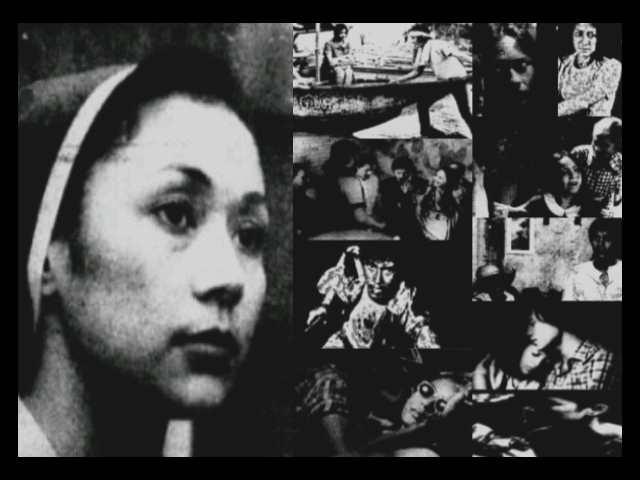
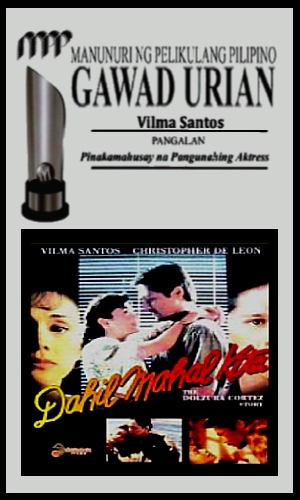
 Star For All Seasons
You must be logged in to post a comment.