Vilma Santos-Recto is a popular multi-awarded actress and politician in the Republic of the Philippines. *** She is known as "Queen of Philippine Movies," "Queenstar," "Grand Slam Queen," "Box Office Queen," and "Star for All Seasons." *** This website is mostly about her iconic film career.
The Plot: Pahiram Ng Isang Umaga revolves around Juliet (Vilma Santos), who finds herself struggling against an ever-escalating series of problems. A determined single parent, she manages to raise a child while remaining successful in her career as an advertising executive. Everything in her life seems to go well until she is diagnosed with a terminal disease. For her son’s sake, and without revealing her condition, she is forced to resolve her most important life relations: rekindling first her connections with her parents, and then with the very man who fathered her son. In the twilight of her life, she meets and falls in love with a beleaguered artist, Ariel (Eric Quizon), who is constantly depressed and perpetually contemplating suicide. She slowly loses her health but unknowingly reawakens Ariel desire to live, and they both engage in a meaningful affair – one that makes each day they live through together more meaningful than the last. – Regal Films
The Reviews: Weepies are a common movie fare in the Philippines, along with extremely violent action thrillers and trite youth comedies. It is, therefore, a cause for cheer when a filmmaker tries to elevate the very common genre of the melodrama into a rich and intellectually rewarding film experience, such as director Ishmael Bernal has done with his Pahiram ng Isang Umaga. Director Ishmael Bernal has seen in the material an opportunity to put substance to what has often been denigrated as the unthinking man’s entertainment, and to a considerable degree, his attempt has been a success. Pahiram is both effective as a tearjerker and meaningful as a depiction of people in crisis. Using a traditional element of the genre, the theme of death, Bernal and writer Jose Javier Reyes probe into the life of a woman who has been told that the end is near. Juliet (Vilma Santos, one of the two reigning Philippine female superstars for the past two decades now) is told that she has eight or maybe seven months to live. As a progressive advertising creative director who has been promoted (rather late) as vice president of her company, she has the means to attend to the less mundane demands of life, examine what may have been an unexamined life, and make the most of the limited time left. In all these, Bernal explores the emotional and psychological condition of the person who lives on borrowed time. Naturally visible here are the many symbols not only of death but also of life to serve as some kind of counterpoint or irony. Sometimes, they blend with each other, and at other times, they contradict.
From the peasants’ ritualistic rice planting to the backyard harvesting of sun-dried patola cultivated as life-giving seedlings, the evidence of life renewing itself could hardly be ignored. Then there are the more obvious symbols of fire, daybreak and persistent rains (the latter of which are used to reinforce the gloomier mood at the second half of the movie, and also suggest the rains’ refreshing and replenishing results). But the most eloquent symbol here of life is the process of artistic creation, personified – again paradoxically – by the expressionist painter Ariel who befriends and then is smitten by Juliet. There are ironies here. The painter creates life through his art, but at the same time, psychologically tormented, he wants to end his own life. Such a restless, free soul, grappling with the complexities of life, he has a whole life ahead of him, his artistic world limited only by his imagination, and yet he wants to quit. In contrast, Juliet who is dying, wants to live. Here is a woman who saves a man’s life (the artist’s) but cannot save her own. The idea of art as life or art vs. life is examined at length. Asked by the boy why he has to put on canvas the seascape, the artist makes the clarification that he is not copying the scenery. Ostensibly, he is recreating it on a different plane, art being something else, with a life of its own. This is suggested by the portrait the artist is making of Juliet. The model may soon die, as she will, but the portrait will live on. Life may indeed be short, an idea which used to be stated directly in previous Bernal movies, but art endures. It is the one thing in this world which is eternal. The briefness of life is suggested with the graphic sight of wet sand dripping down from the hand.
Bernal and Reyes go farther by including a scene in which the artist explains the origins of art. By the fireside at the beach, and watching the flame cast a glow on them, he notes that prehistoric men “discovered” art when they made outlines of shadows on the caves. Those artworks, though crude and primitive, still exist. Implicitly, Juliet’s death, no matter how saddening, is not going to be the end. Philosophical musings like these are not standard soap opera fare, and may alienate a lot of ordinary moviegoers (even the more cerebral ones who cannot accept the conventions of the soap opera genre). Woven unobtrusively into the plot, however, they add texture and enrich the drama. Juliet in a way will continue to live – in that portrait, in her young son who will survive her and hopefully continue her legacy whatever it may be, and in her good deeds. In the last scene, the imagery and symbolisms of life and death abound. Juliet dies at the break of dawn, the start of a new day (and life), but not without first making her last sentimental paean to life. Supported by the artist, her eyesight having failed completely and with the waves caressing their feet, the weak and dying cancer victim remarks how beautiful life is.
True enough, this dying scene set on a beach, with the woman in white, dainty night gown, is one of the most exquisite, breathtaking moments in Philippine movies. But before giving us this grand, highly emotional death scene, the director has gradually introduced various motifs of death, from the artist’s pet black bird which at one point he cruelly squeezes in his hand, to the funeral rituals for Juliet’s father. This is a striking part of the movie, Juliet watching intently as morticians work on her father’s remains, as everyone weeps when the coffin is lowered to its final resting place, and during the ritualistic “pasiyam,” the nine-day novena for the dead. It’s as though Juliet can see herself in her father’s lifeless body while mourners mill around it. The attempts to raise the level of the melodrama and present insights on life and death provide the movie its greatest strength – and wide appeal. How strangely ironic that a movie dealing with death could have so much life- – Mario A. Hernando, “A Look at Death and the Affirmation of Life,” Malaya, 5 March 1989
“…In Pahiram Ng Isang Umaga, Ishmael Bernal’s very competent handling of the material, coupled with Santos’ intelligent portrayal of Juliet, a terminally ill cancer victim, saved the film from becoming a glorified soap opera…” – Jojo Devera, Sari-Saring Sineng Pinoy 03 Nov 2009
“…A series of unfortunate events seemed to hound Nora’s career up to this point. October 1, 1989 was to be the last airing date of the 22-year-old musical-variety show Superstar on RPN 9. A month later, it was revived on IBC 13 with a new title, The Legend … Superstar, but this was short-lived lasting only up to early 1990. Naging mas masuwerte si Vilma Santos sa hinu-host na Vilma! on GMA 7, which started in 1981 as VIP (Vilma in Person) ng lumang BBC 2 (naibalik sa Lopez owners ang ABS-CBN after the EDSA Revolution). Nagbida si Vilma sa isa sa mga pinakaimportanteng pelikula ng Dekada ‘80: Regal Films’ Pahiram Ng Isang Umaga (by Ishmael Bernal), na sinimulan in 1988 at ipinalabas in early 1989. In December 1989, Vilma headlined a period romance-drama (Viva Films’ Imortal, megged by Eddie Garcia) at nanalo sila ng kaparehang si Christopher de Leon ng acting plums sa MMFF. Sa awardings for that year, si Vilma ang nanalong Best Actress sa Star Awards (for Pahiram), her first form the Philippine Movie Press Club. ‘Kumpletung-kumpleto na ang career ko!” nasabi ni Vilma as she accepted her trophy. Later, it was Nora’s turn to get a Best Actress trophy for the first time from the Film Academy of the Philippines, for Elwood Perez’s three-year-in-the-making Bilangin Ang Bituin Sa Langit. ‘Kumpletung-kumpleto na ang career ko!” sabi rin niya in her acceptance speech. Na-elevate si Vilma sa FAMAS Hall of Fame, for having bagged five Best Actress statuettes: Dama de Noche, Pakawalan Mo Ako, Relasyon, Tagos ng Dugo, and Elwood Perez’s Ibulong Mo Sa Diyos. Nora won her fourth Best Actress plum sa FAMAS, also for Bilangin. Walang itulak-kabigin sa dalawa, kaya marapat lang na mag-tie sila for Best Actress, as in the 1990 Gawad Urian, na ‘pantay na parangal ”ang ipinagkaloob ng Manunuri kina Nora (for Bilangin Ang Bituin Sa Langit) at Vilma (for Pahiram Ng Isang Umaga)…” – William Reyes (READ MORE)
“…Vi goes to the kitchen to prepare breakfast at habang nagbabati siya ng itlog, doon pa lang ipinakitang una siyang nag-breakdown. And this is shown nang nakatalikod siya sa camera. No overly ornate kind of emoting na akting na akting ang dating. Pero damang-dama mo pa rin…she becomes the part (lalo na sa eksena nila ni Gabby Concepcion sa simbahan na binalikan nila kung paano sila nagkasira), and if you notice that she is good, well, salamat po…Sa second viewing ng movie namin lalong napansin ang subtle nuances ng performance ni Vi, up to her death scene which confirms our supposition that the movie is not really so much about death than a celebration of life..’yan ang opinion namin…” – Mario Bautista, People Journal 1989 (READ MORE)
“…The only thing I can say about this film is that of its performances – from Vilma Santos (as the woman who spends her last days on earth looking for love) and Eric Quizon (as the ill painter who falls in love with Santos). This film is best fitted for a made-for-TV slot, considering its premise (which may attract mothers). Passable…” – Oscar 99, IMDB web site, September 13, 1999, Manila,Philippines (READ MORE)
“…The last time Bernal and Santos collaborated was in 1989. Santos, still active with her musical variety television show, did three films, all were commercial success. “Imortal” directed by Eddie Garcia was a local festival entry that earned Santos another local festival best actress. “Rizal Alih, Zamboanga Massacre” was directed by Carlo J Caparas. And “Pahiram Ng Isang Umaga” directed by Bernal. The film earned Santos the local critics best actress and Bernal the best director. Vilma her very first Star best actress, considered the Golden Globe local equivalent at that time. Pahiram also received nominations for best actress for Vilma and best director for Ishmael both from FAP, now the local equivalent of OSCAR…Bernal gave Vilma Santos her first grandslam best actress awards and consecutive Gawad Urian best actress (1982 and 1983). Their first film together was Inspiration (1972) and last was Pahiram Ng Isang Umaga (1989).” – RV (READ MORE)
“…Eric’s role in “Pahiram Ng Isang Umaga” is the manic-depressive love of Vilma Santos. He was contrapuntal to Vilma’s existence who wanted to prolong her life while he wanted to end his. But the Method Acting-oriented scribes at teh Philippine Movie Pres Club saw in Eric the mere physicality in his attack of the role. No anxiety in the eyes; all overt body movements to the point of the Nora Aunor anxiety-laden eyes. Eric rationalizes; “That was exactly how I was supposed to attack my role according to Direk Ishmael Bernal – overacting at physical level lang talaga. Wala nang pa-anxiety-anxiety pa. All the other major characters in “Pahiram…” were already making lupasay na with heavy emotions. From Vilma to Zsa Zsa Padilla to Vicky Suba to Gabby Concepcion – silang lahat emotionally loaded na. If I do the same, boring di ba? Ayaw ni Direk Bernal na pa-heavy emotion approach for my role. But you know my homework for that role was to watch several English sad movies on tapes and was told to cry with the characers if I wanted to or feel like crying. I felt so stupid talaga, but that exercise paid off I tell you.” If you have watched “Pahiram…,” the scene where Eric has to strangle a Myna bird was such a memorable highlight. Eric recalls; “I had to do an improvisation for that scene. Sabi ni Direk Bernal, don’t plan anything with the bird. Basta you just confront the bird at bahala ka na sa sarili mo. So what I did was to make mura and kind of strangle pero acting lang out of my supposed madness. You know what happened? The day after, nagpakamatay ‘yung bird. Nagtampo siguro ‘yun. Kasi raw ang Myna bird ay very sensitive, di ba? Sayang ‘yung bird, ano?…” – George Vail Kabristante, Manila Standard, Feb 20, 1990 (READ MORE)
Figure 1: Best Actress from FAMAS, Gawad Urian, Film Academy of the Philippines, and CMMA
The oldest award giving body in the Philippines was the Filipino Academy of Movie Arts and Sciences simply called FAMAS. It was launch two years after the Maria Clara awards folded in 1951. FAMAS shared the same name with the American film academy; AMPAS until the later complained and the Filipino organization have to change theirs into the current acronym. FAMAS created a history of controversies throughout their more than sixty years in award-giving business mostly due to their questionable selection of winners. In 2006, FAMAS experienced another setback when two groups divided the organization due to a controversial election of its officers. As the legal battle settled, the battling groups decided to just hand out their own awards, one used the name FAMAS and the other the Maria Clara Awards. Like its infancy, the Maria Clara Awards did not reach its maturity and died the second time. This is not the first time FAMAS experience disgruntled “break-away” members forming their own award. Prior to 1976, FAMAS retained their status as the most prestigious recognition a Filipino actor could have. Charito Solis, who won best actress at the Asian Film Festival in 1967 used to proudly bring her FAMAS trophies on the film set to intimidate starlets and to instigate professionalism. The breakaway group of critics wish to distinguish themselves from FAMAS by successfully branded their award as not for actors who overtly act in films, they catered to the ones who are restrained and controlled. Hence, the term “Pang-FAMAS na acting” was born, which means over-acting.
The new group of practicing critics handed out their first award in 1976 and called themselves as the Manunuri ng Pelikulang Pilipino (The Filipino Film Critics) and their awards as Gawad Urian. The critics created a name for its credible choices of winners throughout the years. This untainted reputation made the Gawad Urian, the most sought after award in the Philippines.
Two years after the critics handed out their Gawad Urian, the Catholic Church joined the derby by handing out their own version of movie awards. The Catholic Mass Media Awards came to fruition in 1978 with the late Cardinal Jaime Sin in charge of the ceremony. CMMA honour not only films but also television, print, radio, and recently advertisement.
Five years afterwards, came the establishment of the Philippines’ counterpart of OSCAR. Consists of different guilds, the very first academy awards, now called Luna Awards, handed out in 1983. After 25 years, the Luna Awards cemented a reputation as “the popularity contest awards,” which means each guild votes for their favourites and not necessarily about merits. They tried very hard to adopt a new set of voting rules including different nominating group that represented each guild to resolve this issues but like the OSCAR, the results are sometimes questionable. The common consensus was that the Luna Awards remained far behind Gawad Urian. Two years after the creation of Film Academy of the Philippines’ Luna awards, another group joined the award giving business.
The Philippines Movie Press Club or the PMPC handed out their first Star awards in 1985. The Star awards were considered the Philippines’ counterpart of the Golden Globes. And like the Golden Globes, the Star also honours television. The only difference is that the Star Awards hands out their film and televisions ceremonies separately. Consists of publicists and entertainment writers, who are member of PMPC (Philippine Movie Press Club) the Star Awards followed the footsteps of Gawad Urian with very credible choices of winners but just like FAMAS, the Star Awards experienced the same fate with a disgruntled members formed their own version of the same awards. The Entertainment Press Society was born with their Golden Screen Awards in 2004.
Today, in addition to the Gawad Urian, FAMAS, Luna, CMMA, Star Awards, and Golden Screen, we also have the PASADO awards from an organization of academics; the YCC, Young Critics Circle Awards from a group of film students; the Gawad Tanglaw from an organization of film and arts’ instructors. Lately, the OMG Awards by the internet company, Yahoo Philippines, and the MTRC Awards by the board of censors joined the now, overcrowded award giving bodies.
Before 1982, the word grandslam were only used in sports. The term grandslam according to Wikipedia in terms of tennis is a singles player or doubles team that wins all four major tournaments (Australian, French, Wimbledon, US) in the same calendar year, is said to have achieved the “Grand Slam” or a “Calendar Year Grand Slam,” just like what Steffi Graf, the retired German tennis superstar did in 1988. Meanwhile the American Heritage dictionary described the term “grand slam” as follows: first, the winning of all the tricks during the play of one hand in bridge and other whist-derived card games. Second, the winning of all the major or specified events, especially on a professional circuit. And third, in baseball, a home run hit when three runners are on base. From this set of definitions comes the term “grand slam best actress” which basically winning all the best actresses awards from all major award giving bodies. And in 1983, the four majors were FAMAS, Gawad Urian, CMMA, and the FAP (or Luna now).
The Beginning – The Marcos administration created the Film Academy of the Philippines in 1981 under the guidance of first lady Imelda Marcos and Imee Marcos as Experimental Cinema of the Philippines’ director-general. ECP started to ambitiously produced films to showcase local talents for its inaugural Manila International Film Festival. The organization produced two memorable films, Peque Gallaga’s period film, “Oro, Plata, Mata” and Ishmael Bernal’s French influenced film, “Himala.” Come Gawad Urian night, both films received its stiff competitions from three other films, Mike Deleon’s “Batch ’81,” Lino Brocka’s “Cain at Abel” and Marilou Diaz Abaya’s “Moral.” For the Manunuri, the previous year produced only two stand out films, Mike De Leon’s Kisap Mata and Laurice Guillen’s Salome. A big contradiction this year, as not only they have the tasks of sorting out the best in each categories from these five films mentioned above but also other worthy films. Famous with their long heated debates, the local critics added the following films in their list of best films: Nora Aunor’s “Mga Uod at Rosas,” Vilma Santos’ “Relasyon” and Hilda Koronel’s “PX.” The three were cited not only for the overall production but also for the performances of the film’s lead actresses. Also cited were, ECP’s delicate horror film, “Haplos” directed by Jose Perez and two Lino Brocka films, the comedy “Palipat-lipat, Papalit-palit” and the drama “In this Corner.”
For Vilma Santos, The previous year, Pakawalan Mo Ako was a huge summer hit that earned Vilma a surprised best actress in FAMAS. That year also released Ex-Wife and Hiwalay, about marital problems. Art imitating life, as there were reports that Vilma and now, ex-husband, Edu Manzano were having some marital problems. But Vilma as trooper as she is, any personal troubles were not publicly noticeable as she goes on with her work, business as usual. Also, Vilma gave birth to her eldest son Luis “Lucky” Manzano.
By December of 1981, her film festival entry, Karma earned her another surprise best actress trophy after the FAMAS gave her the nod for Pakawalan Mo Ako. In an unrelated news, the entertainment industry were shocked to found that matinee idol, Alfie Anido died on Dec 31st. Like the death of Julie Vega and Rico Yan, it is still unknown the reason behind Anido’s death.
She is determined to make 1982 another successful year. She released a total of six films, out of six; two were certified record breakers, “Sinasamba Kita (I Idolized You)” released in August and “Gaano Kadalas ang Minsan? (How Many Times is Once),” released in November, both produced by Viva Films. The other four films (Relasyon, T-Bird at Ako, Never Ever Say Goodbye, Haplos) were mild hits. All of her hard work paid off because as early as January of the 1983 she was already poised to reap major awards.
Meanwhile for Nora Aunor, 1982 were a mixed bag of mild hits and failed opportunities. “Mga Uod at Rosas,” her collaboration with Lorna Tolentino and director Romy Zusara produced a mixed reviews from the critics. Her excellent performance did not help as the film were just mild hit with the audience. Her follow up films, “Annie Sabungera” and “Palenke Queen” both comedies also did not do well at the box office making the expectation from her next film higher, as she teamed-up with the hottest star of 1982, her closest rival, Vilma Santos in Danny Zialcita’s fast paced film, “T-bird at Ako.” T-bird’s high expectation wasn’t realized as the film earned just a modest income.
By December, all eyes were focused again on Nora and her most ambitious project to date, Ishmael Bernal’s “Himala,” produced by the Imee Marcos’ Experimental Cinema of the Philippines. The film was an entry to the Metro Manila film festival. Nora Aunor was again proclaimed the “queen of local festival” as she won her third Metro Manila Film Festival best actress. Nora’s momentum was rising and she was conditioned to make some serious dent in the following year’s award giving seasons. Critics were all going “gaga” with Aunor’s gigantic performance as Elsa. They said Himala was very effective in communicating its film’s message; it has moving moments and raw power.
Communicated It Really Well – “…Nestor Torre…he finds Batch ’81 the best movie made in 1982. “The movie had something very important to say and it communicated it very well…As for the best actress, it’s Nora Aunor in Himala. “It was a good role, and she communicated it very well. At least, Nora wasn’t api here for a change, It was quite a complicated role, but she handled it very well….Other choices were Gina Alajar and Lorna Tolentino in Moral…Vilma Santos, Nestor notes, is admittedly a “very hard worker but her physical structure really makes it difficult for her to be really effective—hindi malalim—and her voice is not that expressive.” Nestor adds, though, once in a while, Vilma “transcends her physical limitations, as in Rubia Servios…” – Nestor Torre Jr. (film critic), Parade Magazine, January 19, 1983
Moving Moments – “…Best Films: (in the order of preference) 1. Oro, Plata, Mata and Batch ’81; 2. Relasyon and Himala; 3. Moral. Best Directors: (in no particular order) 1. Ishmael Bernal for Relasyon and Himala; 2. Peque Gallaga for Oro Plata Mata; 3. Mike de Leon for Batch ’81. Actresses: 1. Vilma Santos for Relasyon; 2. Nora Aunor for Himala and Uod at Rosas; 3. Sandy Andolong for Moral and Oro Plata Mata; 4. Gina Alajar for Moral. Actors: 1. Mark Gil for Batch ’81 and Palipat-lipat, Papalit-palit; 2. Joel Torre for Oro Plata Mata; 3. Christopher de Leon for Relasyon. Most movies are usually flawed, and those in my list are no exception. However, apart from the standard criteria I am applying to them (the classic from and content balance), I am giving much weight on impact and emotional power. So, my top two are Oro and Batch. Himala is an ambitious film and much flawed, but it has visual beauty and emotional wallop.
Relasyon is more modest in scope, but I think is more successful on its own terms. Moral has many good things going for it, from direction and writing, to performances, but it does not match the four other films in impact (though it has some moving moments) and originality…” – Mario Hernando (film critic), Parade Magazine, January 19, 1983
Raw Power – “…Ding Nolledo…confesses to liking Himala “very much” but mentions that he hasn’t seen Oro Plata Mata…because the film exudes “raw power,” not to mention the excellent acting and the direction, which was like early Fellini, especially the middle part…Ding doesn’t agree with Moral’s rave reviews because “I’ve seen Moral in about 369 other films.” It’s not that original, he implies. As for best actress, it’ll have to be Nora in Himala. “She reminds me of the young Anna Magnani. Besides, the script fitted her to a T. The role practically coincides with what she is in real life…” – Wilfrido Nolledo (novelist, screenwriter, film critic), Parade Magazine, January 19, 1983
Himala won nine out of eleven local festival awards. A sort of repeat of what Vilma’s “Burlesk Queen” achieved in 1977 but without the complaints or sour grapes.
Body of Work – The success of Himala in the December festival has been overshadowed by the commercial success of Vilma Santos’ body of work. In fact, on Dec 14, 1982, Channel 9’s talk show, Let’s Talk Movies recognized Vilma Santos as their best actress for her body on work. Nora Aunor was nominated for her films excluding her epic movie Himala which was not qualified due to the show’s fiscal year requirements which covers December 1981 to November 1982 (More about this below).
On January 20, 1983, Vilma was crowned the Box Office Queen by the Metro Manila Theaters Association in their very first The 1st Cinehan Awards. Reporter Meg Mendoza wrote in an article for Prime Magazine, “…Vilma gave Viva Films its first biggest hit in Sinasamba Kita earning over P7M in Metro Manila alone. Then came T-Bird at Ako (a mild hit), Never Ever Say Goodbye (a sorry miss), Gaano Kadalas ang Minsan? (her biggest hit for that year) and Haplos. As early as January 20, 1983, Vilma began to reap several victories when she was awarded by the Metro Manila Theaters Association on their first Cinehan Awards together with Fernando Poe, Jr. held at the Philippine Plaza.
National Artist Nick Joaquin, in an article that came out in the Bulletin Today on February 11, 1983 wrote: “By emerging as box-office queen, Vilma Santos proved herself to be the Philippine Cinema’s Superstar – a title, it’s to be realized now, that can be bestowed only by the Cinehan.” So, on Cinehan Awards Night, Vilma was the very picture of the conquering heroine, drawing all eyes as she glowed and glittered, a rapture of radiance in her strapless white gown with lilac sash – and in white gloves yet! In her triumph joined both cinema and cinehan. Her pictures were all well done – and they also did very well at the box-office. In the same awards night, Ambassador Jaime Zobel de Ayala, another recipient of the Cinehan, upon receiving his award from Dean Lucresia Kasilag said: “I’m only a little bit sorry that Vilma didn’t give me the award. But it’s all right, I’ll try again next year. You’re my favorite star, you’re my muse! I’ll suffer in silence…”
Ironically, few weeks after her crowning as box office queen, Vilma released Ayaw Kong Maging Kerida, the result was average, proving the Romeo Vasquez and Vilma Santos screen charisma has subsided immensely.
Not to be outdone with Vilma’s latest feat, Nora’s “Himala” competed in the 1983 Berlin International Film Festival the following month. The film was the Philippines’ sole entry. The rave reviews were solid, Aunor’s performance was recognized by a nomination but unfortunately, according to Bernal, she lost the race by a mere vote. Would a similar fate awaits Aunor as the local award giving seasons begins?
First Major – By late February, the award-giving season in the country started. In their website, the Catholic Mass Media Awards recalled, “…The Archdiocese of Manila, through His Eminence Archbishop Jaime L. Cardinal Sin, organized the Catholic Mass Media Awards (CMMA) in 1978, in observance of the International Social Communication Day (established by the Universal Church to stress the importance of mass media and to instill a sense of responsibility in communicators). An outstanding way, in radio, print, advertising, television, and film. It was first given out in 1978; since then the CMMA was held every year onwards. In 1980, His Holiness Pope John Paul II graced the awarding ceremonies. Handing out personally the trophies to the winners, the Pontiff illustrated the significant place of mass media in today’s society, and its pervasive influence in the lives of the people…”
Just the previous year, the CMMA praised Nora Aunor’s acting in the late Mario O’harra film, “Bakit Bughaw ang Langit?” and she was adjudged their best actress. There is a great chance that Nora would repeat the feat, as many expected the church would favor a well-crafted film with religious theme.
On February 29, 1983, the fight between Nora Aunor’s “goliath” type of performance in “Himala (Miracle)” versus the “davidian” type of performance in Vilma Santos’ “Relasyon (the affair)” begins. The media were partly right, CMMA gave their best picture, screenplay, supporting actor/actress to Himala. But despite its, taboo story of a mistress, the Catholic Church’s award giving body favoured Vilma’s sympathetic performance.
Vilma won the first bout. Nora left empty-handed. The first blood has been drawn and Noranians, Nora Aunor’s fanatic fans were furious. The fight didn’t stop at the Catholic Mass Media Awards. The next one was a big one.
Second Major – Noranians expected a third Urian best actress considering the magnitude of Aunor’s performance in Himala and the positive reviews it received. Positive reviews that were written by the Manunuri critics themselves. Noranians dismissed Vilma’s win at the CMMA and expected that metal sculpted trophy was in the bag already. By the way, who are these critics anyway?
Practicing Film Critics – Movie writer, Billy R. Balbastro described the Manunuris: “…The Manunuri ng Pelikulang Filipino…is an organization of practicing film critics established in 1976. Most came from the Academe then with Nestor U. Torre becoming its first president. The Manunuri had its Gawad Urian in simple one hour-long rites at the CCP then. Dr. Bienvenido Lumbera Jr. became its second president. Other presidents include: Mario Hernando, Butch Francisco, Agustin “Hammy” Sotto, Gigi Javier Alfonso of UP. Each critic-member is expected to write regularly film reviews or film criticism which must be published in national publications. Each year too they give out awards for achievements in the movie industry, thus joining the FAMAS, the Film academy of the Philippines and the Philippine Movie Press Club’s Star Awards in this aspect of endeavor. During their first decade (1976 to 1985), they also came up with their Stars of the Decade: Nora Aunor, Vilma Santos, Vic Silayan and Phillip Salvador. The members of the Manunuri are: Mario Hernando (editor of Sunday Malaya), Bienvenido Lumbera Jr.(1993 Ramon Magsaysay awardee for journalism, literature and creative communication), Nicanor Tiongson (former artistic director of the Cultural Center of the Philippines, and former MTRCB chair), Butch Francisco (TV personality), Agustin “Hammy” Sotto (founding president of the Society of Film Archivists), Paul Daza (columnist), Gigi Javier Alfonso (dean of the UP-Diliman Open University and professor at the UP College of Mass Communication –UP-CMC), Ellen Paglinauan (dean of UP-CMC), Bro. Miguel Rapatan (DLSU), and Lito Zulueta (Inquirer sub-editor and faculty member of the UST Faculty of Arts and Letters)…”
The 1973 Scandal – Speaking of co-winner or “tie,” writer Rolfie Velasco pointed out in his article, “…FAMAS was the sole award-giving body for film in the Philippines from 1952 until 1976, when the Manunuri ng Pelikulang Pilipino (MPP) formed the Gawad URIAN (FAMAS was also contested by the Manila Film Festival, established in the 1960s, but a film festival cannot be considered as a major award-giving body). From 1952 to 1976, FAMAS alone has awarded the most foremost performers and craftsmen of Filipino films, from screen legend Rosa Rosal to master director Gerardo de Leon. Winning a FAMAS Award became the target obsession for many film craftsmen, for it was, after all, the Philippines’ counterpart of the Oscars. The awards itself, then held mostly in the Manila Hotel, was the biggest annual event in the Philippine movie industry…In 1973, the FAMAS was rocked by a terrible scandal. It awarded the first tie in the lead categories in the history of Philippine cinema. Before this, the only recorded tie was in 1968, when Tito Arevalo and Tony Maiquez shared the Best Musical Score honors. Because of the popular nominees with their loyal supporters, the tie in the 1973 best actress category became a hot topic with both Boots Anson-Roa (Tatay Na Si Erap) and Vilma Santos (Dama De Noche) sharing the honors. Because a tie in the lead categories was unheard of, the public dissented the vote. Therefore, for the next years, the FAMAS invited film critics to be members of its nominating and awarding committee. These critics left the FAMAS in 1976 to form MPP and subsequently, the Gawad Urian (Urian Award), named after the Tagalog word for gold standard…”
On April 15, 1983, the Gawad Urian was set to give out their hardware. It was known by many, that the critics or the Manunuris were pro-Nora Aunor. They gave Aunor their very first best actress award in 1976 for her excellent performance in “Tatlong Taong Walang Diyos (three years without God)”. They also gave Aunor a second nod in 1980 in her wonderful performance in “Bona” with Gina Alajar as co-winner.
When the winner was read, even Vilma was surprised. After so many years of snubs, she finally received the recognition she truly deserved. The critics finally came to their senses and recognized Vilma’s explosive and giant killer performance.
By winning the Gawad Urian, Vilma defeated not only Nora but also Lorna Tolentino and Gina Alajar both equally gave a felt performance in the feminist film, “Moral.”
Adding cherry to an already sumptuous plate, at the same night, on April 15, 1983, Vilma have to rush to another ceremony, she was crowned by the Guillermo Mendoza Memorial Foundation as the 1982 – 83 Box Office Queen of Philippine Movies at the Celebrity Sports Plaza with Fernando Poe Jr as the Box Office King, her second crown/title after January’s Cinehan Awards.
This was Vilma’s second major best actress wins in the same calendar year. She was half way there. People are now starts talking about the possibility of Vilma winning all the best actress awards.
Not to be outdone, Noranians regained from their disappointments as Nora Aunor received an award from a socio-political group, the TOWNS on April 23, 1983. Nora Aunor received (The Outstanding Women in the Nation’s Service) or simply TOWNS award from the former first lady, Madame Imelda Romualdez Marcos, at the Plenary Hall of the Philippine Convention Center. With the first lady handing out the TOWNS to Nora, people are started to insinuate that Nora Aunor’s defeat in two previous majors are politically motivated.
Third Major – The next race was the very first Luna Awards, back then, simply called the Film Academy Awards, Philippines’ counterpart of OSCAR.
On April 27, 1983 the First Film Academy of the Philippines Awards were held at the Manila Film Center. The FAP official web site provided some basic information about The Luna Awards, “…Established in 1981 as mandated by Executive Order No. 640-A, the Academy has been able to forge an alliance among the various guilds of the movie industry. Serving as the umbrella organization, the Film Academy oversees the welfare of the guilds thru an assortment of subsidies, projects and opportunities that would bring about the upgrading of the knowledge and expertise of the guild members. The principal function of the Academy is to give awards in recognition of the artistic and technical excellence of the performances and to accentuate the value of quality works of the people behind the outstanding films shown during the year. The Annual Luna Awards is intended to provide the necessary motivation in enhancing the craftsmanship of movie industry workers that will eventually uplift the quality of local films. The Academy also assists in the staging and managing of the annual Metro Manila Film Festival from which proceeds the Film Academy gets a share. Delegates to foreign film festivals are primarily sent thru the intercession of the Academy. The Academy also spearheads the collaboration of the movie industry with government agencies in order to gain opportunities for the guilds and its members…”
Academy insider, Jose N. Carreon wrote: “…At seven o’clock on a Wednesday evening on April 27, 1983, the Film Academy of the Philippines held its first ever awards night for distinguished works and performances in films exhibited in 1982. The venue was the Manila Film Center, one of the cultural edifices that were constructed under the auspices of former First Lady, Madame Imelda Romualdez-Marcos…The first ever Academy award winner was the late Rodolfo ‘Boy’ Garcia who was adjudged the best supporting actor for his role in Ito Ba ang Ating mga Anak?…Liza Lorena was best supporting actress for her role in Oro, Plata, Mata…The late Vic Macamay won the best sound award for Gaano Kadalas ang Minsan?…The best cinematography award was won by Romy Vitug for Sinasamba Kita…Sinasamba Kita by the late George Canseco was voted the best original song…The late Orlando Nadres won the best screenplay adaptation for Sinasamba Kita…Romy Suzara won as best director for Uod at Rosas…Manay Ichu’s MVP Pictures’ Batch ’81 was voted the first best picture of the academy awards…With the stage overflowing with showbiz people, the best actor and best actress awards were announced. Philip Salvador (for Cain at Abel) was declared best actor over Robert Arevalo (Santa Claus is Coming to Town), Mark Gil (Batch ’81), Christopher de Leon (Relasyon) and Joel Torre (Oro, Plata, Mata). The last winner of the night turned out to be Vilma Santos who was best actress for her performance in Relasyon. The other aspirants were Gina Alajar (Moral), Nora Aunor (Himala), Coney Reyes-Mumar (Pedring Taruc) and Lorna Tolentino (Moral). Then everything was history. After 25 years, we remember and we celebrate and we recommit ourselves for another quarter of a century. The Film Academy of the Philippines and its Luna Awards live on…”
Vilma Santos faces again a stiff resistance from Nora Aunor. In the end, Vilma received her fourth best actress award. And like when Nora received her TOWNS award, the former first lady, Imelda Marcos handed out the very first Academy award best actress to Vilma.
Vilma won her third major best actress in the same calendar year. One short of a complete overhaul.
Fourth Major – The award season of 1983 ended with the handing out of the FAMAS. The Manila Film Center was jam packed with not only celebrities but also a boisterous group of Noranians and Vilmanians. Unfortunately, Nora Aunor wasn’t nominated for her gigantic role of Elsa in “Himala” instead, she was nominated for her portrayal of an underdog lover of the late Johnny Delgado in Romy Zusara’s “Mga Uod at Rosas (The Worms and Roses)”. The competition didn’t stop with Vilma’s “Relasyon,” Noranians were worried about the other nominees too. Hilda Koronel was cited for her solo starrer, “PX” and Alma Moreno was nominated for her daring role as Cristina Gaston in the “Diary of Cristina Gaston.” The list of Nominees were completed with the inclusion of two veterans: Mona Lisa for her supposed to be supporting role in “Cain at Abel” and Liza Lorena for her surprising role in “Santa Claus is Coming to Town.” With this list comes a lesser expectation from Noranians, as Nora wasn’t nominated for her more intense role as Elsa. But this didn’t bother them as they raided the Manila Film Centre with so much fanfare.
The unofficial FAMAS website declared the winners, “…The 31st FAMAS Awards was held at the Manila Film Center on May 28, 1983. The Best Picture went to Cine Suerte’s Cain at Abel defeating Gaano Kadalas Ang Minsan [Viva Films], Himala [Experimental Cinema of the Philippines], Ang Panday: Ikatlong Yugto [FPJ Productions] and Sinasamba Kita [Viva Films]. The Best Actor went to Anthony Alonzo for Bambang defeating Christopher de Leon for Relasyon, Dolphy for My Heart Belongs to Daddy, George Estregan for Lalaki Ako, Dindo Fernando for Gaano Kadalas Ang Minsan, Fernando Poe, Jr. for Ang Panday: Ikatlong Yugto, and Philip Salvador for Cain at Abel. The best supporting Actor went to Tommy Abuel for Gaano Kadalas Ang Minsan while the best supporting Actress went to Sandy Andolong for Moral. Eddie Garcia won the best director Sinasamba Kita defeating Marilou Diaz-Abaya for Moral, Ishmael Bernal for Himala, Lino Brocka for Cain at Abel, Fernando Poe, Jr. for Ang Panday: Ikatlong Yugto and Danny Zialcita for Gaano Kadalas Ang Minsan. Gaano Kadalas Ang Minsan also won the best story for Tom Adrales; best screenplay for Tom Adrales and Danny Zialcita; best editing for Ike Jarlego, Jr.; best musical score and theme song for George Canseco and best sound for Vic Macamay. Joseph Estrada received the Hall of Famer Award for winning five times as producer. The most anticipated award was for best actress which went to Vilma Santos for Relasyon defeating Nora Aunor for Mga Uod at Rosas, Hilda Koronel for PX, Mona Lisa for Cain at Abel, Liza Lorena for Santa Claus is Coming to Town, Alma Moreno for The Diary of Cristina Gaston ..”
Unfortunately, for Noranians, their idol went empty handed again for the last time. Vilma claimed her fourth major best actress in one calendar year. The night for Vilmanians didn’t stop from Vilma’s win. Eddie Garcia won the best director award for a Vilma Santos’ blockbuster film, “Sinasamba Kita.”
Noranians were all mad as hell. Writer Bum D. Tenorio Jr., in his article for Philippine Star, described how the feisty Noranians reacted on Vilma’s win on their home turf, the Gawad Urian, “…Talk about Himala, it was because of this movie that two ladies in my neighborhood got into a nasty hair-pulling fight. Nora could have won the grand slam for Best Actress in all the award-giving bodies for this movie in 1982 except that her archrival and now Batangas Gov. Vilma Santos won for the movie “Relasyon” in the Gawad Urian. The feisty Noranians in the neighborhood could not accept this, while the Vilmanians gloated. This irreconcilable difference unfortunately turned ugly. In those days, fans were fiercely loyal. When Vilmanians talked about “Wonder V,” expect Noranians to come up with “Super G.” When Vilmanians mentioned how they got scared in “Phantom Lady,” expect a multitude of Noranians to thwart their claim by discussing “Fe, Esperanza, Caridad,” Nora’s suspense thriller. Even when Nora and Vilma starred together in a movie, say “Pinagbuklod ng Pag-Ibig” or the legendary “T-Bird at Ako,” competition between fans of both camps still raged. But in my community, the Noranians always prevailed!…”
Paranoia seeped in their brain as they hypothesized the reasons why Nora failed to win any awards. Sabotage according to them was the only reason. The political repercussion of the film being made under the Marcos administration resulted Nora Aunor being ignored by all award-giving bodies! Never mind that Vilma Santos deserved all the wins. Vilma Santos swept the entire best actress in four major award-giving bodies in one calendar year. The tag line “grand slam” was born.
In addition to the above majors, talk show, “Let’s talk movies” came up with their own film awards on its anniversary presentation at the end of 1982. The hosts, Behn Cervantes (filmmaker, film critic), Armida Siguion Reyna (film actress, producer) and Mario Bautista (movie reporter, critic, columnist) were quoted as who they think deserve the year’s accolade.
Behn Cervantes: “…Behn’s choice for best movie of 1982 comes easy, with one qualification (he has not seen Oro, Plata, Mata). “It’s Batch ’81 because it was innovative and more daring…As for the choice of best actress, “mahirap iyan,” Behn admits spontaneously. “It’s a difficult choice between Gina Alajar in Moral and Nora Aunor in Himala. Gina was beautifully flamboyant and effective as the funky character in Moral, while Nora was very cinematic in Himala. Nora is one actress who knows how to use her medium…Vilma is also good. She knows her craft, but somehow, at the moment of truth, physically she doesn’t quite hit me. There’s something very cutesified about it…”
Armida Siguion Reyna: “…Armida has said it in her TV show Let’s Talk Movies and she’s saying it again: her choice for best movie not only for the film fest but for the entire 1982 is Moral. “It’s very ‘today,’ NOW. You really get to identify with the characters in the movie…After Moral, Armida chooses Oro, Plata, Mata and Cain at Abel, respectively, as among 1982’s best…Armida chooses Vilma Santos as best actress for her performance in Relasyon. “I can’t explain my choice in the beautiful language of the Manunuri but I go by gut and alam kong maganda.” She is also more inclined toward Vilma because the actress made a number of good movies last year…”
Mario E. Bautista: “…For us, sinuman ang manalo kina Vilma Santos o Lorna Tolentino ay okey lang. Both Gina and Nora have won the Urian best actress awards twice. Gina for Brutal and Salome, Nora for Tatlong Taong Walang Diyos and Bona. Napakagaling ni Gina in portraying the role of the trying hard Kathy in Moral. Hindi biru-biro ang ganoong character na gagawin mong sympathetic dahil mas malamang na lumabas itong ridiculous lang kaysa nakakakuha ng simpatiya. But Gina succeeded in making her Kathy both ridiculous and sympathetic. As Elsa, Nora’s case is that of star and role merging into one, fitting into each other perfectly dahil alam nating ang karisma ni Guy sa kanyang fans ay siya ring karisma ni Elsa sa kanyang naging followers. Pero palagay namin, kung hindi magta-tie sina Lorna at Vilma, mananalo ng solo si Vilma Santos. Vi has never won the Urian. She should have gotten it in 1977 for Burlesk Queen but the trophy went to Daria Ramirez in Sinong Kasiping. Maraming acting highlights ang paper ni Vi bilang Marilou sa Relasyon. Sa confrontation scenes nila ni Boyet, superb siya roon sa tagpong sinusumbatan niya ito dahil ginagawa na lamang siyang tau-tauhan. Ang acting niya sa death scene ni Boyet na hindi malaman ang gagawin sa katarantahan is also awesome to behold…”
Unfortunately, despite their highly praises of Nora Aunor, the talk show hosts gave their nod to Vilma Santos due to their technical rules. An article from Movie Flash explained: “…In celebration of its first anniversary, Channel 9’s Let’s Talk Movies will have a special presentation on December 14 from 9:30 to 11:30 pm. The talk show hosted by Armida Siguion-Reyna, Behn Cervantes and Mario E. Bautista will distribute seven major awards to deserving artists who excelled in local pictures shown from Dec, 1981 to November, 1982. The Let’s Talk Movies awards differ from those of other award-giving bodies in that they honor a director or performer not for just a single work or performance in one movie but for a body of outstanding works or performances shown during the said fiscal year. This is in line with the show’s aim to help uplift local movies. To qualify, a nominee should have at least two significant contributions. Nominees for…best actress…are Gina Alajar (Init o Lamig, Pusong Uhaw), Nora Aunor (Uod at Rosa, T-bird, Rock ‘n Roll, Palengke Queen), Amy Austria (Katas ng Langis, Waywaya, Pusong Uhaw), Vilma Santos (Karma, Relasyon, T-bird, Sinasamba Kita, Never Ever Say Goodbye) and Maricel Soriano (Galawgaw, Mother Dear, Schoolgirls)…An award for best producer will be given to the company which has produced the most number of outstanding films during the year. Special citations will be given to movie personnel who made worthy contributions to the industry during the year…”
While Vilmanians celebrated their idol’s historical win, Nora Aunor redeemed their broken ego by lining up to the 1983 Manila International Film Festival on June 24th, Himala was chosen as the opening gala film together with Hollywood film, Gandhi as the closing.
After the awards season of 1983, Vilma Santos released three more films after the disappointment, Ayaw Kong Maging Kerida.
On June 9th, Viva Films released Paano Ba ang Mangarap? that turned out to be another box office hit. Few months afterwards, Regal films released Bernal’s Broken Marriage, the follow-up film after the successful grand slam film, Relasyon.
Finally, four days after Vi’s birthday, Viva Films released Marilou Diaz-Abaya’s drama, Minsan pa Natin Hagkan Ang Nakaraan, another box office hit. This film plus the two films mentioned above confirmed her bankable status. Not to be outshine again, “Himala” continued its relentless fight for recognition, winning the bronze prize at the 1983 Chicago International Film Festival on November of 1983 (Nov 4-18 1983).
Vilma Santos made history. The first grand slam win of Vilma Santos was repeatedly analyzed over and over again. Mostly to give accolade to Nora Aunor.
Joel David, in his article titled “Performances of the Age” wrote: “…the outstanding performance of the period belongs to that of Nora Aunor in Himala, which was honoured only by the MMFF….In Himala the director and writer seemed to have agreed to a mutual stand-off, thus amplifying the theatrical potential of an expansive locale with a protracted takes; stage-trained talents ensured the competent execution of histrionic stylizations, with the climax set on an open-air platform before a hysterical audience. It was a truly great actress’ opportunity of a lifetime, and Nora Aunor seized it and made it not just her role, but her film as well. Not since Anita Linda in Gerardo de Leon’s Sisa (circa the first Golden Age) had there been such a felicitous exploitation by a performer of ideal filmmaking conditions – and in this instance, Himala has the decided advantage of being major-league and universal….”
Arnel Resma Ramos’ article titled “Himala Revisited” praised Nora’s complex role: “…we believe that Nora Aunor should have swept all the best actress awards for that particular year…Aunor had the more complex role and only an actress of her calibre can pull off the part with much persuasion. It calls for a restrained, self-effacing acting style. And Aunor, the consummate actress that she was…strikes not a false note in her performance. It is, in one word, mesmerizing. And Himala is without a scintilla of a doubt the pinnacle of her cinematic achievements.”
In recent years, Himala was recognized in many film exhibitions around the world. Even international television network fell on the prey and held an international internet poll, raising Himala to its highest glory, proclaiming the film as one of Asia’s best film. They hail, finally, Aunor were given the citations its truly deserved!
Again, never mind that Vilma Santos gave the most effective performance in the history of local movie screen. The fact is, no matter what they do or say they can’t change history. Vilma Santos was the very first “grand slam” best actress winner.
The history continues – Three years after Vilma Santos registered the very first grand slam win, Philip Salvador replicated the honours by winning all the best actor in 1985 via Lino Brocka’s political drama, ‘Bayan Ko kapit sa Patalim.’ Salvador won five majors as Star Awards were added to the four. The next year, 1986, Nida Blanca followed suit with a best supporting actress grand slam for her outstanding performance in the film, “Magdusa Ka.” Then four years after Blanca’s came the most awaited turn for Vilma’s rival.
Noranians were ecstatic as their idol claimed all the best actress hardwares of 1990 for “Andrea Paano Ba Ang Maging Isang Ina.” A deserving consolation as the film bombed at the box office. Nora’s stiffest competition came from Vilma’s two films, Lino Brocka’s “Hahamakin Lahat,” and Laurice Guillen’s “Kapag Langit ang Humatol.” But the table was turned and Nora claimed almost all of the major awards except from CMMA where she was declared runner up to Gina Alajar.
By 1990, CMMA was relegated into the minor league of award giving bodies replaced by much more popular Star Awards. Two years after Nora Aunor claimed the honour as grand slam winner, Lorna Tolentino took the crown for her effective performance in 1992′s “Narito Ang Puso Ko.”
Then back to Vilma again. – In 1993, Vilma Santos successfully relived the life of the first PWA in Laurence Guillen’s “Dahil Mahal Kita: Dolzura Cortez Story.” Not only the film recorded the second grand slam win for Vilma as best actress of 1993, the film was also a smashed hit. The two years intervals prove to be a normal pattern as Vilma’s closest rival took all the trophies again in 1995.
Nora Aunor hit the jackpot via true to life film, the “Flor Contemplacion Story.” And not only did she won the grand slams, she added an international recognition winning the best actress at Cairo International Film Festival. In addition to the majors, Aunor also received the best performer from YCC and the box office queen title from the Guillermo Mendoza Memorial Scholarship Foundation, Inc. (GMMSFI).
The next years, two actresses claimed the grand slam honours. Sharon Cuneta as best actress for her effective performance in “Madrasta (the Stepmother)” and the best supporting actress awards for Gina Alajar in “Mulanay, Sa Pusod Ng Paraiso.”
Then back to Vilma Santos again after two years for the third time. Vilma Santos won all the best actress awards for 1998′s “Bata Bata Paano Ka Ginawa (Lea’s Story)”. Then like Aunor in 1995, she added an international recognition with her grand slam win. Vilma was cited as the best actress at the Brussels International Film Festival. And also received the YCC-Film Desk’s best performer award.
By 1999, the grand slams wins were alive and kicking. Elizabeth Oropeza won all the best actress hardwares for her very intense performance as a prostitute in 1998′s “Bulaklak Ng Maynila.” The same year, an unknown actress Glydel Mercado, surprised everyone as she won all the best supporting actress awards coincidentally from a Nora Aunor comeback vehicle, “Sidhi.”
Then in 2002, Vilma Santos for the fourth time claimed the grand slam title by winning all the best actress awards for her superb performance in the film, “Dekada 70 (the seventies).” At the same time, Vilma’s co-star, Piolo Pascual declared his arrival to the big league of fine acting by winning all the best supporting actor awards. The film also gave Vilma her second international recognition winning the best actress from Cinemanila International Film Festival. In addition, she also received hardwares from PASADO (Pampelikulang Samahan ng mga Dalubguro) and YCC-Film Desk in its annual Circle Citations.
In Conclusion – For Noranians, Nora Aunor should be given the honour as the very first grand slam win in 1976 as they argued Aunor won the best actress from FAMAS and Gawad Urian, the only major award giving bodies back then. Unfortunately, this wins didn’t create the tag line, grand slam. Also, Vilma Santos, as film producer won all the best picture award in 1978 for Pagputi ng Uwak Pagitim ng Tagak from FAMAS and Gawad Urian, still the only major award giving bodies. Unfortunately, no one said this is a grand slam win.
It was only when Vilma Santos won four majors in 1983 did the tag line “grand slam” came to its birth at least in Philippine award giving film history. And so, history will record Vilma’s achievements as the very first actress who claimed all four major best actresses in one calendar year based on the true meaning of the word “grand slam.” She is also the current record holder of the most grand slam wins, four [Relasyon (1982); Dahil Mahal Kita – The Dulzora Cortez Story (1993); Bata, Bata, Paano Ka Ginawa? (1998); and “Dekada 70” (2002)]. – Florencio “Rendt” Viray, V Magazine 2007, (READ MORE)
The Plot: “Botanist, Tere’s (Nora Aunor) long stable relationship with business executive Rex (Christopher Deleon) was shaken when Sandra (Vilma Santos) came into their lives. A pill popping liberal career minded, Sandra made Rex’s monotonous life colourful and exciting. He later realized that both women complete his existence.” – RV (READ MORE)
“An unusual story of three people caught in the unexplainable intricacies of love and need. The five year old relationship of Rex and Tere is put to a test as Sandra, the kooky, talented and aggressive designer rocks the picture perfect and peaceful relationship. The solid and unruffled engagement cracks as Rex is immediately smitten by Sandra’s dynamic persona. The film features the superstar team-up of award winning artists Nora Aunor and Vilma Santos and the drama king, Christopher de Leon.” – Database of Philippine Movies (READ MORE)
“Ang ‘Ikaw ang Akin’ ay tungkol sa isang paboritong paKsa sa ating puting-tabing: ang trianggulo ng pag-ibig. Si Rex (Christopher de Leon) ay batambatang tagapamahala ng isang pagawaan ng dyipni. Limang taon na silang magkatipan ni Tere (Nora Aunor), isang dalubhasa sa paghahalaman. Mapayapa at maayos ang kanilang pagsasama hanggang makilala ni Rex si Sandra (Vilma Santos), isang designer. Nagsimulang magkaroon ng sigalot ang pagsasama nina Rex at Tere. Hindi makapagpasiya si Rex kung sino ang pipilijn sa dalawa na kapwa naging matimbang sa kanya. Sa huli, nataios ni Rex na ang pag-ibig at pag-aangkin sa isang nilalang ay isang masalimuot na damdaming hindi nararapat sarilinin ng isang tao lamang.” – Manunuri (READ MORE)
The Reviews: “…After 37 years, Ikaw Ay Akin becomes a materialist indictment of the patriarchal deceit cisgender passion must contend with, opening up the queerness that emerges from feminine confidence as zone of alternative feelings. And, of course, Nora still punctures the assault with an imperturbable will to punctuate the sentence, despite the adages of her time failing to utter competitive affection, convincing Vilma that the encounter isn’t just about female rivalry, but also masculine decadence…” – J. Pilapil Jacobo, Young Critics Circle Film Desk, 21 November 2015 (READ MORE)
“…Bernal, testing the tensions of triangular love (for geometry books, one of his characters wittily says) for some time now, plunges deeper into character analysis and metaphorizing. In Lumayo, Lumapit ang Umaga, the triangle was unevenly explored: the first love was sketchily drawn. Dalawang Pugad, Isang become a choice for a more stable relationship. Walang Katapusang Tag-araw was a strange reverse of characters for two women and an unusual development of love into hatred and hatred into love, where therefore the triangle was essentially illusions. Ikaw ay Akin finally sets an interlocked triangle on its bases and looks at it (from all 3 angles) squarely in the face. Except for some scenes with overdrawn energy, the viewing is intelligent entertainment. However, after an interesting beginning and development one feels the resolution is too simplified…and too calculated. Charing (Nora) is the confident, authoritative, ultra-responsible mother-figure who fits very nicely with Rex’s (Boyet) tentative character: orphan-psyched, retreating… an incomplete figure. Sandra (Vilma) outs a very colorful character: agressive, creative, lively – but underneath it all, essentially a clinging vine. They are such convincing characters, and all their needing and suffering come accross very easily from the celluloids. With just a few scenes they are rounded out. Charing and her orchids – a reflection of her care for Rex and her discerment between experiment and commitment; Rex and his parachute – a give-away of his secret longing to get away from all the givens of his life (the inherited business, cons of orphan’s loneliness even his 5-year relationship with Charing!) Sandra and her designs – creating is at once product of her character and a need (initiating a realtionship with Rex is expression of need more than any romantic feeling). When Rex, balancing the triangle, verbalizes all these into a very basic “She needs me; I need her needing me plus your caring for me,” clearly sided heavily on Sandra’s side, it is unbelievable that it should all boil down to plain need, that decisions on love could be made this easily. Questions: While one is at verbalizations, why not mention the giving side of love, appraise or even applaud it a little instead of leaving it implicit in Charing’s character – which could be, come to think of it, the key out of tanglejails of possession? Ofcourse Bernal might have been considering less subtlety in a bid for a more popular style. Granting that, one may still appreciate the five selections of environmental details that areally delineate characters and character development – a fine effort to bring setting characters and action into a unified direction – but are triangles the curret favorite in the moviemarket? If this means it is a main concern in many lives today, then…what a hell!…” – Petronila Cleto, Pelikula, Atbp (READ MORE)
“…Unlike other superstar team-ups that fail to exploit the golden opportunity of pulling in sure audiences to watch a serious work, Bernal’s greatest achievement lies not so much in putting his three big stars together but in making use of them to lure their fans and followers intos eeing a mature, sensible film. And his cast serves Bernal very well. In the hands of a capable director, Christopher de Leon proves that his forgettable appearance in such odious films as “Topo-Topo Barega” and “Disco Fever” are mere lapses in judgment that do not entirely discredit his craft. He also shows enough gallantry by not getting into the way of his leading ladies, whose roles are undoubtedly more demanding than his. As the uptight Sandra, Vilma Santos has the script’s choicest, wittiest lines. She makes the most of them and succeeds in giving a fairly accurate portrait of an emotionally insecure young woman. And when she tells Rex: “sabi nila liberated ako, front lang. Kalog daw, front din. Alam mo namang kulang-kulang ako. Pag wala ka, magkakalat ako. Para akong manok, takbo ng takbo wala namang ulo.” She likewise handles her final breakdown exceedingly well. Nora has less lines but she nevertheless manages to conveys her emotions very effectively. In that family reunion-party which is so engrossed in gossip and banter, she remains so detached, speaking nary a word — a triumph for both Bernal and her. The hurt in her eyes continues to build up until that disrupted dinner scene where she rushes to her room and, unable to contain herself, finally cries. The most stable of the three, you could really believe her when she tells Rex: “Galit ako sa ‘king sarili, dahil sinasaktan mo na ako nang todo-todo pero lalo ka namang napapamahal sa akin.” The film is greatly enhanced by Jose Carreon’s vibrant script, Mel Chionglo’s superb production design, the Vanishing Tribe’s fine musical score, and Augusto Salvador’s brisk editing (few scenes last longer than a couple of minutes). But the lion’s share of credit goes to Bernal. I particularly like his splendid use of meaningful pauses and oppressive silences, as in Sandra and Tere’s accidental first meeting at Rex’s house, Sandra’s soundless dinner with her father that leads to her breakdown, and the long, quiet ending scene where Sandra and Tere never say a word and yet succeed in finally communicating with each other. Our viewers are discomfited by this exhausting process, what with the underdeveloped tastes of our mass audience perpetuated by irresponsible irectors. But one fervently hopes for Bernal, who apparently believes he owes the audience his best even if they are more likely to love his third best more, that they would get the film’s message and, perhaps, even accept and like it.” – Mario E. Bautista, Philippine Daily Express, 1978 (READ MORE)
“…Mas challenging ang role ni Ate Vi rito kumpara kay nora…mas magaganda ang mga dialogues ni Ate Vi na nakakatuwa at magaling ang pagkakadeliver niya ng mga linya. Sexy siya ha at magaganda ang mga damit na ginamit niya rito. Maigsi ang buhok na medyo curly. Bagay na bagay sa kanya. Komento ko lang ay medyo matinis pa ang boses ni Ate Vi rito…Vilma-Nora Scenes: a) sa sine parang sa tingin ko ay di sabay ito kinunan sa tingin ko lang ay di sila magkaeksena rito bagamat pareho silang nasa sinehan. b) bahay scene – ang ikli ng pagsasama nilang dalawa rito na parang pinasabik ang mga manonood kung may iringan ba or acting sa acting ang magaganap, pero walang naganap na ganun! c) No Dialogue Scene – Grabe!! Ang galing ng eksenang ito. First time kong makanood ng ganitong ending…walang salitaan, sagutan, walang murahan, walang away, wala as in wala except labanan ng facial expression, eye acting ika nga. Kainis lang ang director na ito kasi pinaglaruan lamang ang imahinasyon ng mga manonood at ng mga Vilmanians-Noranians!…” – Dream Forest, V Magazine Issue No. 7 Literary Issue 2006 (READ MORE)
“…Makikita sa Ikaw Ay Akin ang dalawang magkaibang estilo ng pagganap na ipinamalas nina Nora at Vilma at kapwa akmang-akma ito sa buong katauhan ng mga karakter na kanilang ginampanan. Sino ang mas mahusay sa kanilang dalawa? Kani-kaniyang opinyon, depende sa mga nakapanood ng pelikula. Maraming nagsabing mas pinaboran daw ni Bernal si Vilma sa dahilang mas maramin itong mabibigat na eksena kaysa kay Nora, ngunit paano makakalimutan ang huling tagpo sa Ikaw Ay Akin kung saan mahabang katahimikan ang naging daan upang higit na magkaintindihan sina Tere at Sandra tungkol sa kanilang pag-ibig kay Rex. Kung totoong mas pinaboran ng direktor si Vilma ay nakabawi naman ito ng husto kay Nora pagdating sa nabanggit na eksena. Kakaiba din ang husay na ipinamalas ni Christopher de Leon, maaring alam niyang ang Ikaw Ay Akin ay pelikula ng dalawang malalaking aktres kung kaya tama lamang ang bigat ng pagganap na ipinamalas ng aktor sa papel ni Rex. Napagwagihan ni Christopher ang Pinakamahusay Na Pangunahing aktor mula sa Manunuri Ng Pelikulang Pilipino nang sumunod na taon samantalang kapwa nakatanggap ng nominasyon bilang Pinakamahusay Na Pangunahing Aktres sina Nora at Vilma sa Ikaw Ay Akin ngunit kapawa sila natalo ni Beth Bautista para sa kanyang mahusay na pagganap sa Hindi Sa Iyo Ang Mundo, Baby Porcuna. Hindi matatawaran ang tagumpay ng mga manlilikhang bumuo sa Ikaw Ay Akin na nagtaas ng kalidad ng dramatikong pelikulang Pilipino, nagturong umintindi ng husto sa damadamin ng mga taong tunay na nagmamahalan.” – Jojo Devera, Sari-saring Sineng Pinoy (READ MORE)
“…While the previous year was less productive in terms of quantity, Vilma Santos came back with a big bang the following year with twelve films. Most of these films were adult dramas. Three notable films were the critically acclaimed “Pagputi ng Uwak, Pag-itim ng Tagak” directed by Celso Ad Castillo and produced by Vilma herself. The local film festival entry, “Rubia Servios” directed by the late Lino Brocka. And lastly, “Ikaw ay Akin” directed by Bernal. “Ikaw ay Akin” reunited Vilma with rival, Nora Aunor. The film also featured Christopher De Leon, who won the local critics’ best actor and best actress nominations for Aunor and Santos as well as best director nomination for Bernal. Aside from Ikaw, Bernal also did two other films, both starring Alma Moreno, “Lagi na lamang ba akong babae?” and “Isang gabi sa iyo Isang gabi sa akin” with Elizabeth Oropeza…” – RV (READ MORE)
“…“Ikaw Ay Akin,” 1978, Ishmael Bernal. A refreshing change of role for the superstar, cast here as a smart and sophisticated horticulturist at odds with best friend and real-life rival Vilma Santos. Notable for its experimental and long closing shot of the two friends’ reunion, with only their eyes talking…” – Mario A. Hernando, Philippine Daily Inquirer, 01 October 2011 (READ MORE)
197 films, 70 directors, 5 decades, Vilma Santos, one of the original Philippine movie queens, rose up to become the versatile actress that has been given the fitting title of “Star for All Seasons” because of her capacity to adapt to the changing mores and values of the Filipino woman, giving a face to their plight and struggles, albeit in success both critically and box-office wise in some of Philippine cinema’s classics such as Relasyon (1982), Pahiram ng Isang Umaga (1989), Broken Marriage (1984) and Ikaw ay Akin (1978). This is the number one director who contributed to her success.
Considered the number one director of Vilma Santos, National Artist, Ishmael Bernal contributed significantly to her success. Their collaborations as actor and director spanned three decades. Eight films in total, almost a dozen best actress for Santos and a several best director for Bernal not including nominations both locally and internationally. He was quoted saying: “In Ikaw ay Akin, Vilma was already conscious of her own particular style of acting…which can be described as minimal, less is more. The fewer and simpler gestures, the greater effect…(Working in Pahiram Ng Isang Umage, Bernal said)…she had become an artist, no longer a movie star and just following the director’s instructions..” Their films are still relevant, timeless and to this day, being celebrated by many. READ MORE
Ishmael Bernal – A filmmaker of the first order and one of the very few who can be truly called a maestro. Critics have hailed him as “the genius of Philippine cinema.” He is recognized as a director of films that serve as social commentaries and bold reflections on the existing realities of the struggle of the Filipino. His art extends beyond the confines of aesthetics. By polishing its visuals, or innovating in the medium, he manages to send his message across: to fight the censors, free the artists, give justice to the oppressed, and enlighten as well as entertain the audience. Among his notable films are “Pahiram ng Isang Umaga” (1989), “Broken Marriage” (1983), “Himala” (1981), “City After Dark” (1980), and “Nunal sa Tubig” (1976). He was recognized as the Director of the Decade of the 1970s by the Catholic Mass Media Awards; four-time Best Director by the Urian Awards (1989, 1985, 1983, and 1977); and given the ASEAN Cultural Award in Communication Arts in 1993 (NCCA.gov.ph). Bernal was born in Manila on September 30, 1938, the son of Elena Bernal and Pacifico Ledesma. He studied at Burgos Elementary School and Mapa High School before entering the University of the Philippines, and graduated in 1962 with a degree of Bachelor of Arts degree in English. For a time he worked with Lamberto Avellana’s documentary outfit. He went on to earn his Licentiate in French Literature and Philosophy at the University of Aix-en-Prevence in France, and then in 1970 his Diplomate in Film Directing at the Film Insititue of India in Poona, under the Colombo plan scholarhip. Bernal was a board member of the Concerned Artists of the Philippines and the Directors Guild of the Philippines, Inc., an organization that studies the role of film as an instrument of entertainment, education and development. He actively crusaded for the rights and welfare of artists for as long as he lived. He died in Quezon City on June 2, 1996 (Wikipilipinas).
HIGHLIGHTS: Bernal gave Vilma Santos her first grandslam best actress awards and consecutive Gawad Urian best actress (1982 and 1983). Their first film together was Inspiration (1972) and last was Pahiram Ng Isang Umaga (1989).
Ishmael Bernal, 58, leading Filipino movie director who made about 60 films on social injustice. He studied diplomacy at the University of the Philippines and was in the diplomatic service until he switched to filmmaking in the early 1970s. Over the last quarter-century, he used satire to describe social and political problems, often angering the late President Ferdinand Marcos and his wife, Imelda. The couple often had large portions of Bernal’s films cut by censors, including 1982’s “Manila by Night,” a film illustrating the poverty that drives people to act irresponsibly. Bernal overcame the censorship by having his films shown in their entirety at film festivals around the world. On Sunday in Manila of a heart attack. – L. A. Times, June 08, 1996 (READ MORE)
Worthy Films “…Of the 39 films he has made, at least 20 are worthy of his name, out of which seven are quite good, nine others are very good or outstanding – Pagdating sa Dulo (1971), Ligaw na Bulaklak (1975), Nunal sa Tubig (1976), Dalawang Pugad Isang Ibon (1977), Ikaw ay Akin (1978), Aliw (1979), City After Dark (1980, and Relasyon and Himala (1982). With all these films to his credit, Bernal has already assured himself of a prominent position in the history of Philippine cinema even if he decides to stop working now. as many of these films prove, he has done what was earlier cosidered to be impossible – reconcile the box-office with aesthetic daring and intellectual dynamism, virtues hardly found together before in Philippines movies…Every aspect of a Bernal film may not always be successfully realized, but his weakness is outshine by his strengths. In every film, he seems to be ready to try something new, whether it be a theme, conflict, character or scene. He is also out of the few major local directors to have covered the broadest range of film genres and theme with varying levels of success, from the historical drama, like the Bonifacio episode in the unreleased multi-million peso omnibus Lahing Pilipino (1976), to the disco musical Good Morning Sunshine (1980) and the personal, experimental films Nunal sa Tubig and Himala…” – Mario A. Hernando (READ MORE)
Hataw Na! – “…Direk Joey has fond memories of the legendary Bernal whom he worked with as screenwriter for ‘Pahiram ng Isang Umaga” in 1989…Since I was a screenwriter during the Second Golden Age of Philippine cinema, I met Bernal, along with Lino Brocka. The only script of mine that Bernal directed, “Pahiram ng Isang Umaga,” won for me my first Urian (critics’ award) for Best Screenplay. I will never forget how Bernal sent a message to my Pocketbell unit, congratulating me for “Hataw Na!” in 1995. (He was a big fan of Gary Valenciano kasi.) Or how he hugged me after seeing “Iisa Pa Lamang,” the second film I wrote and directed in 1992. A director like Bernal is a rarity. He saw his peers not as competition, but as comrades. His life to the very end was to inspire young filmmakers to be original and to fight for their identities. Apart from “Working Girls,” what are your favorite Bernal films? “Relasyon,” “Broken Marriage,” “Manila by Night” are three films that have sunk into my very being. [They represent] the image of the ultimate Filipino filmmaker….” – Bayani San Diego Jr., Philippine Daily Inquirer, Apr 18 2010 (READ MORE)
Last Film – “…Bernal’s film career was characterized by a highly successful combination of form and content. He was as passionate about the techniques of scriptwriting and camera movement as he was about the use of his art to impart scathing social commentary. As is usual in the film industry, Bernal started out with commercially-oriented films before he could venture into cause-oriented cinema. In fact, even when he was already identified with socially-committed film, he did a commercially-oriented film every now and then. But he took care not to make films that ran counter to his basic principles. Thus, even as he occasionally made commercially-oriented films, he made sure they were not films that reinforced the societal values he abhorred. Socially committed films—the likes of his classics “Nunal sa Tubig,” “Manila After Dark,” “Himala,” and “Wating” — made the bulk of his work. The ruling classes’ employment of deceit to make the people accept social injustice, the hypocritical values that prevail in society, unequal gender relations—these were the themes he frequently dealt with. He is best known for the 1980 film “Manila by Night,” a film that depicts the decadence of the night life in Manila. In the 1990s, he got disillusioned with the trend of degeneration in the film industry which started in the late 1980s—a reversal of what he and his contemporaries Lino Brocka, Behn Cervantes, and Mike de Leon had achieved in the 1970s. After making his last film, “Wating,” an action movie which is at the same time an attack on the religious establishment, he decided to quit filmmaking. He turned to theater and directed plays for the militant mass movement while occasionally making television commercials…” – Alexander Martin Remollino, Bulatlat.com (READ MORE)
Bernal and Rodriguez – “…After he got back from India, Manila’s art scene reverted to its “normal” state of inspired insanity, and he went about trying to get his movie produced. No, I told the film students—and they were “shocked” to hear it—it wasn’t “Pagdating sa Dulo,” as they had been taught in their film history subjects, but a Virgo Productions movie titled (take a deep breath) “Ah, Ewan, Basta sa Maynila Pa Rin Ako!” Virgo, by the way, was the production company of “drama king” Eddie Rodriguez. Ishmael’s brilliance, wit, loquaciousness and volatility had impressed Eddie, and he agreed to produce the first Bernal opus, which was meant to be a “loving” satire on the city of Manila. During the production’s shooting phase, Ishmael invited us to watch some rushes with him, and we were delighted at how funny and spot-on his satirical scenes were. We remember one series of sequences in particular in which Ishmael spoofed the many vendors who came up to cars and other vehicles caught in traffic, selling all sorts of wares, from apples to zebras (well, you get the picture). In one especially droll scene, a vendor lugged an entire aparador past the camera! In another, the traffic jam took so long to unravel that, by the time it flowed again, the little seedling a vendor had sold a customer had grown into—a tree! Really outrageously funny stuff like that…But it turned out that, while we were laughing our heads off, the producer wasn’t having such a fun time. The way we see it now, he may have been worried that Ishmael’s acerbic kind of wit would not be all that easy for ordinary local moviegoers (used to more slapstick stuff, perhaps) to relate to. So, it appears that he and his young writer–director had a talk, during which he asked for changes—and the result was, Ishmael bowed out of the project! That’s right, with the movie not completely finished, it lost its director, and Eddie had to finish shooting the movie himself. We watched “Ah, Ewan…” when it opened in theaters, and quite expectedly, it was pretty much a mish-mash that didn’t amount to much. What was interesting and instructive to us was the fact that we could readily tell which scenes had been shot by Bernal, and which had been appended by Rodriguez. Eventually Ishmael got over his unfortunate first experience in filmmaking and went on to do “Pagdating sa Dulo,” which was a singular success, along with the many other fine films that followed…” – Nestor U. Torre, Philippine Daily Inquirer, September 18, 2011 (READ MORE)
Bernal’s Family – “…Ishmael Bernal grew up in the Santa Mesa district where a mestizo streak persists to date, with his mother Elena Bernal, in an extensible family setup under the proximate wings of a maternal grandfather Lope K. Santos, who had survived a jazz age image of a man in white sharkskin, beloved of ideologues and obreros, Rizalistas and fragile Spanish-speaking Tagalas. They lived not far from where the conquistadores had built in late-18th century a pied-a-terre, its back to a river which bisects the city before debouching into Manila Bay. It would pass on to American civil governors at the turn of the 20th century and to Filipino presidents since the end of the Pacific War, as the Yanks reference the backdrop to the Filipinos’ cameo role in a theater of World War II. But a more important landmark than Malacanang Palace to Bernal was Embassy theater, a minute’s dash from his childhood niche, which provided him with an early arsenal of images to use later in what we called Project Wham+a, for Winning Hearts and Minds plus arse, after an American hybrid of Madison Avenue stratagems vis-a-vis the exigencies of the war in VietNam where victory was elusive in the 60’s. We affixed arse as a realistic ancillary target and motivation of a film director’s career…For some years after we first met Ishmael never mentioned his father. He did make brief references to an uncle in Mariano Toledo to whom his mother was married: a tall man who lumbered unsmiling across our field of vision for many years, at their house in Caloocan, whose windows he would shut when Nena would play an opera; then upstairs of When It Is a Grey November in Your Soul Coffee Shop in Malate, where I often crashed in the late Sixties, before Ishmael left for India and the Poona Film Institute.
I would be a conspirator in the task of making it known to Nena that her only child had long known who his biological father was; that they had met ( I tried to annoy him by asking if it was like James Dean in a scene from East of Eden but I never succeeded) before he went aboard a cargo ship that would take him to France (among the passengers was an Indian who would borrow his toothbrush) to get a licentiate in French at Aix-en-Provence; and that cinema was instrumental in introducing him to his father’s family as well as in getting him to call Tio Mar “Father” toward the end of their lives which had come in fairly quick succession, for Nena died within a year of Ishmael (I could not bear to see her, she was never quite the same, she told someone who had asked her why she never visited Ishmael’s old room that she would not be responsible if she never came down again), and Tio Mar within a year of the woman he had taken care of with unquestioning devotion. Bernal used to say, in getting me to agree to write his biography, that there was nothing I forgot and pretended to overlook the fact that I remembered only odds and ends and irrelevant details. He tempted me with the admonition to by all means “Tell all”. He even agreed to record a number of conversations on subjects usually considered germane to a biography. The tapes were mercifully lost in a fire that destroyed everything I had ever owned except what I was wearing and, by happenstance, a suitcase bursting with Bernal’s photos, notes, and occasional journals, enough surely to start a bio….” – Jorge Arago (READ MORE)
Cinema Bernal “…As artist lock horns with Malacanang and the Church over freedom of expression, a novelist, an experssionist painter, a dramatist and a filmmaker have been named the country’s newest Natiional Artists…Ironically, one of the newest National Artist, Bernal had had a storied career battling state censors over the social content and sexy scenes of his movies which had won acclaime here and abroad. Bernal (1938-1995) studied literature at the University of the Philippines and obtained a licentiate in French literature and philosophy at the Universtiy of Aix-en-Provence in France. He became a Colombo Plan scholar and studeied film directing at the Film Institute of India in Poona, under the tutelage of the Indian master Satyajit Ray. Returning to the PHilippines, Bernal established himself early on as a leading voice of the cinema with his first movie, “Pagdating sa Dulo” (1971), a gritty movie about the “bomba” (soft-porn) film industry before martial law. Starring the irreverent Rita Gomez in what was perhaps the high point of her career, the movie had the hall marks of what was to become the cinema of Bernal: campy wit, accerbic dialogue, sexy tenor, trenchat characterization, and inventive camera work. In the following years, Bernal, together with Lino Brocka (who was also awarded the National Artist posthumously) made some of the most memorable films of so-called second golden age of Philippine cienma. He directed the innovative “Nunal Sa Tubig,” which despite the criticism of conservative groups, went on to win the best picture in the Catholic Mass Media Awards in 1977and was named one of the top international movies of the 1970s by the Internatinal Catholic Committee of the Cinema. Bernal’s other notable films were “City After Dark” (1980), “Himala” (1982), “Relasyon” (1982), and “Broken Marriage” (1983), Last Saturday, the Manunuri ng Pelikulang Pilipino named, “Wating,” Bernal’s last movie as one of the best movies of the 1990s…” – Lito B. Zulueta, Philippine Daily Inquirer, March 27, 2001 (READ MORE)
Ishmael Bernal and Vilma Santos
Bernal gave Vilma Santos her first grandslam best actress awards and two consecutive Gawad Urian best actress (1982 and 1983). Their first film together was Inspiration (1972) and last was Pahiram Ng Isang Umaga (1989).
Inspiration (1972) – “…In a musical era of 1970s, “Inspiration” was quite an experimental film, with no musical numbers, better screenplay, well-written characters. Nestor and Bernal works well in establishing the character of Jay and Vilma. Their dialouges are not “corny” and very realistic. There is no over the top dramatic scenes inserted between musical numbers here…” – RV (READ MORE)
Now and Forever (1973) – “…1973 turned out to be a banner year for Vilma Santos as she emerged on top with box office hits one film after another. Nine films altogether that featured her in different genres (comedy – “Tsismosang Tindera;” fantasy – “Maria Cinderella,” “Dyesebel at ang Mahiwagang Kabibe” and ”Ophelia at Paris;” action/fantasy – “Wonder Vi,” “Lipad, Darna, Lipad,” and “Darna and the Giants;” horror – “Anak ng Aswang” and teenybopper – “Carinosa” and “Now and Forever”). While Vilma was productive Bernal, like the past two years did only two films, one was the comedy fantasy starring television host and comedian Ariel Ureta in a spin off of Superman, “Zoom, Zoom, Superman!” and his film wih Vi, “Now and Forever” with Edgar Mortiz…” – RV (READ MORE)
Dalawang Pugad Isang Ibon (1977) – “…Bernal, testing the tensions of triangular love (for geometry books, one of his characters wittily says) for some time now, plunges deeper into character analysis and metaphorizing… In Lumayo, Lumapit ang Umaga, the triangle was unevenly explored: the first love was sketchily drawn. Dalawang Pugad, Isang become a choice for a more stable relationship. Walang Katapusang Tag-araw was a strange reverse of characters for two women and an unusual development of love into hatred and hatred into love, where therefore the triangle was essentially illusions. Ikaw ay Akin finally sets an interlocked triangle on its bases and looks at it (from all 3 angles) squarely in the face…” – Petronila Cleto, Pelikula Atbp (READ MORE)
Ikaw ay Akin (1978) – “…The film is greatly enhanced by Jose Carreon’s vibrant script, Mel Chionglo’s superb production design, the Vanishing Tribe’s fine musical score, and Augusto Salvador’s brisk editing (few scenes last longer than a couple of minutes). But the lion’s share of credit goes to Bernal. I particularly like his splendid use of meaningful pauses and oppressive silences, as in Sandra and Tere’s accidental first meeting at Rex’s house, Sandra’s soundless dinner with her father that leads to her breakdown, and the long, quiet ending scene where Sandra and Tere never say a word and yet succeed in finally communicating with each other. Our viewers are discomfited by this exhausting process, what with the underdeveloped tastes of our mass audience perpetuated by irresponsible irectors. But one fervently hopes for Bernal, who apparently believes he owes the audience his best even if they are more likely to love his third best more, that they would get the film’s message and, perhaps, even accept and like it…” – Mario E. Bautista, Philippine Daily Express, 1978 (READ MORE)
Good Morning Sunshine (1980) – “…Junior – Now 66 years old (can you believe that?), he was Vilma Santos’ leading man in Good Morning Sunshine in 1980. Born Antonio Morales Barretto, he was born in Manila, but moved to Spain with his family when he was 15. He was already a popular singer in Spain when he tried Pinoy showbiz. After doing a series of local movies (another one of his films was Disco Madhouse with Lorna Tolentino and Rio Locsin) and record albums (Yakap is still memorable to me), he went back to Spain (his wife and kids were all living there) where he continued singing. Eventually, he managed the showbiz career of his wife, Rocio Durcal, but she died of cancer in 2006…” – Butch Francisco (READ MORE)
Relasyon (1982) – “…The writers have fed significance into the conversations by filling them with popular ideas on marriage and relationships, engaging the viewers to respond with their own beliefs. There is irony though in the confessions of Emil and Marilou – in happier times – that each had been a better person upon being loved by the other. But their life together contradicted that statement. Her selfishness is revealed. “Ikaw lang ang iniintindi mo” he says and it uncovered his insensitivity. “Ako rin, may ego”, She replies. Vilma Santos confidently showed she felt the character she was portraying. Her depiction of feelings and emotions easily involve the viewers to share in her conflicts and joys. In this film, she has peeled-off apprehensions in her acting. Christopher de Leon has also been supportive in emphasizing the characterization of Marilou. He suitably complements Vilma’s acting. The director, Ishmael Bernal, displays his flair for taking scenes of Vilma putting on make-up. Unwittingly, he has suggested that whatever make-up is put on over adultery, it is still adultery…” – Lawrence delos Trinos, Star Monthly Magazine, July 1982 (READ MORE)
Broken Marriage (1983) – “…Vilma Santos is not about to be a letdown, not this time when the most important female roles are coming her way. A new intelligence she infuses in the character Ellen. Like De Leon, she turns Ellen into a woman-child, but the stress is less on her part as she has done similar roles before. Her beautiful face is flush receptive: the quiet moments of just observing the people around her are moments of perfect acting. Her body moves with an agility that is both funny and dramatic. Her two monologues – the first with her friends in the cafe when she informs them that she is bored, and the second with Rene when she tells him that they are not children anymore – are her best scenes: the camera lingers upon her countenance and she enunciates in return with ironic ease. She should watch out for next year’s awards race – there is simply no stopping her at the moment…” – Joselito Zulueta, Sine Manila – 1983 (READ MORE)
Pahiram ng Isang Umaga “…Director Ishmael Bernal has seen in the material an opportunity to put substance to what has often been denigrated as the unthinking man’s entertainment, and to a considerable degree, his attempt has been a success. Pahiram is both effective as a tearjerker and meaningful as a depiction of people in crisis. Using a traditional element of the genre, the theme of death, Bernal and writer Jose Javier Reyes probe into the life of a woman who has been told that the end is near. Juliet (Vilma Santos, one of the two reigning Philippine female superstars for the past two decades now) is told that she has eight or maybe seven months to live. As a progressive advertising creative director who has been promoted (rather late) as vice president of her company, she has the means to attend to the less mundane demands of life, examine what may have been an unexamined life, and make the most of the limited time left…” – Mario A. Hernando, Malaya – 5 March 1989 (READ MORE)
Physical Endurance – “…Ishmael Bernal, who claims to have directed Vilma’s best pictures, believes she has endured because she has physical, emotion and mental endurance. ‘She could work for 24 hours straight without getting tired, without flagging in her acting. There were times when we had to shoot for three or four successive days, getting very little sleep, but there Vilma would be: fresh, enthusiastic, rarin’ to go. Physical endurance is very important to a star. Another thing I noticed was her strong sense of competition. At that time, though of course, she didn’t say so, it was Nora she wanted to beat. Vilma was out to be the bigger star, the better actress. And so she geared her career for a zoom to the top.” Bernal first directed her in Inspiration (1971), produced by Tagalog Ilang-Ilang from a script by Nestor Torre. ‘This was at the height of the Nora-Vilma rivalry and the competing love teams were Nora-Tirso[Cruz] and Vilma-Edgar[Mortiz]. But in Inspiration, Atty. Laxa decided to pair Vilma with a rising new star: Jay Ilagan. That early, I noted that Vilma had the potential to become a great dramatic star. At that time she was not yet doing actress roles, only juvenile fan movies. Her assets were the expressiveness of her eyes, very important for the camera; the creaminess of her complexion, very important on the screen; and the ability to make her audience sympathize if not identify with her. Another thing I noticed was that she’s perfectly relaxed in front of the camera: no sense of compulsion. She just stands there and with a flick of the eye, a movement of the hand, she communicates whatever emotion has to be communicated to the audience. Unlike theater actors who feel they have to use the entire body to communicate, she achieves her effects with the simplest gestures. She already had perfect timing…” – Quijano De Manila (Nick Joaquin), Philippine Graphic Magazine 05 November 1990 (READ MORE)
The Mistress as The Heroine – “…In the documentary, Santos admitted that working with Bernal brought out the best in her as an actress. “She made me do this scene in ‘Relasyon’ that was really tough as it was unpredictable. I think Bernal was the first director to risk putting the character of The Mistress as The Heroine. In the past, the roles of mistresses were mere punching bags of The Wives in many confrontation scenes in Filipino movies,” she added…” – Pablo A. Tariman, VERA Files (READ MORE)
Ishmael Bernal, a filmmaker of the first order and one of the very few who can be truly called a maestro. Critics have hailed him as “the genius of Philippine cinema.” He is recognized as a director of films that serve as social commentaries and bold reflections on the existing realities of the struggle of the Filipino. His art extends beyond the confines of aesthetics. By polishing its visuals, or innovating in the medium, he manages to send his message across: to fight the censors, free the artists, give justice to the oppressed, and enlighten as well as entertain the audience. Among his notable films are “Pahiram ng Isang Umaga” (1989), “Broken Marriage” (1983), “Himala” (1981), “City After Dark” (1980), and “Nunal sa Tubig” (1976). He was recognized as the Director of the Decade of the 1970s by the Catholic Mass Media Awards; four-time Best Director by the Urian Awards (1989, 1985, 1983, and 1977); and given the ASEAN Cultural Award in Communication Arts in 1993 (NCCA.gov.ph). Bernal was born in Manila on September 30, 1938, the son of Elena Bernal and Pacifico Ledesma. He studied at Burgos Elementary School and Mapa High School before entering the University of the Philippines, and graduated in 1962 with a degree of Bachelor of Arts degree in English. For a time he worked with Lamberto Avellana’s documentary outfit. He went on to earn his Licentiate in French Literature and Philosophy at the University of Aix-en-Prevence in France, and then in 1970 his Diplomate in Film Directing at the Film Insititue of India in Poona, under the Colombo plan scholarhip. Bernal was a board member of the Concerned Artists of the Philippines and the Directors Guild of the Philippines, Inc., an organization that studies the role of film as an instrument of entertainment, education and development. He actively crusaded for the rights and welfare of artists for as long as he lived. He died in Quezon City on June 2, 1996. – Wikipilipinas (READ MORE)
197 films, 70 directors, 5 decades, Vilma Santos, one of the original Philippine movie queens, rose up to become the versatile actress that has been given the fitting title of “Star for All Seasons” because of her capacity to adapt to the changing mores and values of the Filipino woman, giving a face to their plight and struggles, albeit in success both critically and box-office wise in some of Philippine cinema’s classics such as Relasyon (1982), Pahiram ng Isang Umaga (1989), Broken Marriage (1984) and Ikaw ay Akin (1978). This is the number one director who contributed to her success.
Considered the number one director of Vilma Santos, National Artist, Ishmael Bernal contributed significantly to her success. Their collaborations as actor and director spanned three decades. Eight films in total, almost a dozen best actress for Santos and a several best director for Bernal not including nominations both locally and internationally. He was quoted saying: “In Ikaw ay Akin, Vilma was already conscious of her own particular style of acting…which can be described as minimal, less is more. The fewer and simpler gestures, the greater effect…(Working in Pahiram Ng Isang Umage, Bernal said)…she had become an artist, no longer a movie star and just following the director’s instructions..” Their films are still relevant, timeless and to this day, being celebrated by many. READ MORE
HIGHLIGHTS: Bernal gave Vilma Santos her first grandslam best actress awards and consecutive Gawad Urian best actress (1982 and 1983). Their first film together was Inspiration (1972) and last was Pahiram Ng Isang Umaga (1989).
Inspiration (1972) – “…In a musical era of 1970s, “Inspiration” was quite an experimental film, with no musical numbers, better screenplay, well-written characters. Nestor and Bernal works well in establishing the character of Jay and Vilma. Their dialouges are not “corny” and very realistic. There is no over the top dramatic scenes inserted between musical numbers here. The parent played wonderfully by Merle Tuazon and Carlos Salazar were convincing. Although both Vilma and Jay played their roles effectively, Lilian Laing steals the film as Lola Jane. She was bubly and funny, a sex-starved, karate black belter, polo game afficianado, who loves life and considering she playing the old grandma who is also the solution to all the complication in life. Bernal was on his element here, a good story teller, pre-”Dalawang Pugad Isang Ibon, Pahiram Ng Isang Umaga and Relasyon.” Although he is directing a light comedy, written by Nestor Torre Jr., he managed to established all the characters without relying on corny dialouges common in this era…” READ MORE
Now And Forever (1973) – Produced by Tagalog Ilang-Ilang Productions, Now and Forever was the lesser know Bernal-Santos collaboration. Vilma was teamed-up with teen idol, Edgar Mortiz. READ MORE
Dalawang Pugad, Isang Ibon (1977) – “…Dalawang Pugad, Isang Ibon is a 1977 drama film directed by Ishmael Bernal. The film analyzes adultery in a mature way and presents reasons why many modern marriages in bourgeois families slowly dissipate into alienation and lead to adultery. The movie’s main plot involves a fashion model (Vilma Santos) who is torn between two men: her young boyfriend, who is a self-centered, airheaded fashion model (Mat Ranillo III), and an older married man (Romeo Vasquez), who is estranged from his domineering wife (Anna Gonzales)…” READ MORE
Ikaw ay Akin (1978) – “…Unlike other superstar team-ups that fail to exploit the golden opportunity of pulling in sure audiences to watch a serious work, Bernal’s greatest achievement lies not so much in putting his three big stars together but in making use of them to lure their fans and followers intos eeing a mature, sensible film. And his cast serves Bernal very well. In the hands of a capable director, Christopher de Leon proves that his forgettable appearance in such odious films as “Topo-Topo Barega” and “Disco Fever” are mere lapses in judgment that do not entirely discredit his craft. He also shows enough gallantry by not getting into the way of his leading ladies, whose roles are undoubtedly more demanding than his. As the uptight Sandra, Vilma Santos has the script’s choicest, wittiest lines. She makes the most of them and succeeds in giving a fairly accurate portrait of an emotionally insecure young woman. And when she tells Rex: “sabi nila liberated ako, front lang. Kalog daw, front din. Alam mo namang kulang-kulang ako. Pag wala ka, magkakalat ako. Para akong manok, takbo ng takbo wala namang ulo.” She likewise handles her final breakdown exceedingly well. Nora has less lines but she nevertheless manages to conveys her emotions very effectively. In that family reunion-party which is so engrossed in gossip and banter, she remains so detached, speaking nary a word — a triumph for both Bernal and her. The hurt in her eyes continues to build up until that disrupted dinner scene where she rushes to her room and, unable to contain herself, finally cries. The most stable of the three, you could really believe her when she tells Rex: “Galit ako sa ‘king sarili, dahil sinasaktan mo na ako nang todo-todo pero lalo ka namang napapamahal sa akin.” The film is greatly enhanced by Jose Carreon’s vibrant script, Mel Chionglo’s superb production design, the Vanishing Tribe’s fine musical score, and Augusto Salvador’s brisk editing (few scenes last longer than a couple of minutes). But the lion’s share of credit goes to Bernal. I particularly like his splendid use of meaningful pauses and oppressive silences, as in Sandra and Tere’s accidental first meeting at Rex’s house, Sandra’s soundless dinner with her father that leads to her breakdown, and the long, quiet ending scene where Sandra and Tere never say a word and yet succeed in finally communicating with each other…” READ MORE
Good Morning, Sunshine (1980) – The 80’s first Santos-Bernal film, GMS stars Vi with musical idol, Junior and with veteran Liza Lorena and Anita Linda. READ MORE
Relasyon (1982) – “…The writers have fed significance into the conversations by filling them with popular ideas on marriage and relationships, engaging the viewers to respond with their own beliefs. There is irony though in the confessions of Emil and Marilou – in happier times – that each had been a better person upon being loved by the other. But their life together contradicted that statement. Her selfishness is revealed. “Ikaw lang ang iniintindi mo” he says and it uncovered his insensitivity. “Ako rin, may ego”, She replies. Vilma Santos confidently showed she felt the character she was portraying. Her depiction of feelings and emotions easily involve the viewers to share in her conflicts and joys. In this film, she has peeled-off apprehensions in her acting. Christopher de Leon has also been supportive in emphasizing the characterization of Marilou. He suitably complements Vilma’s acting. The director, Ishmael Bernal, displays his flair for taking scenes of Vilma putting on make-up. Unwittingly, he has suggested that whatever make-up is put on over adultery, it is still adultery…” READ MORE
Broken Marriage (1983) – “…Bernal shows Ellen’s retrospective mood minus the conventional flashback: her younger sister is engaged to be married, and Ellen watches the two lovebirds running like children, with a bright but painful smile, even with jealousy, knowing that after the ceremonies, the two will lose the innocence which tradition stifles. This is a repetition of the technique Bernal used in Relasyon – the mistress attending the wedding of her cousin – with just the same effect, namely, sympathy. The screenplay plunges right into the boiling point, the issues hurled to the foreground like machine-gun fire, the familiar scenes of hatred and division treated like aimless confetti so that the audience neither breathes nor is excused. It jolts us at the outset and after the terrible whipping, when the squabbles lessen and finally ebb into peace, we realize that these two handsome people must have had only one tragic flaw: they did not keep mum for a while. Manolo Abaya’s cinematography dances with the jetstyle rhythm of the two protagonists. From the clever blocking of the morningjumble scenes to the hurried bustle of the television studio, Abaya’s camera sweeps avidly and flawlessly. In his hands, the incessant quarrels of Rene and Ellen seem like a vengeful lovemaking. The long shots, conventions of a Bernal, are more developed here. Above all, Abaya’s camera has humor and pathos. The production design never digresses from its limited scope but manages to make poetry out of cluttered rooms and artificial television set-ups. The claustrophobia one feels at the outset of the movie with the couple’s disorderly room easily renders the hopelessness of the two people’s situation. The music filters the emotions of the characters with a detached but effective air. Jesus Navarro’s splendid editing is a breathless canvass of cosmopolitan animation…” READ MORE
Pahiram Ng Isang Umaga (1989) – “…Vi goes to the kitchen to prepare breakfast at habang nagbabati siya ng itlog, doon pa lang ipinakitang una siyang nag-breakdown. And this is shown nang nakatalikod siya sa camera. No overly ornate kind of emoting na akting na akting ang dating. Pero damang-dama mo pa rin…she becomes the part (lalo na sa eksena nila ni Gabby Concepcion sa simbahan na binalikan nila kung paano sila nagkasira), and if you notice that she is good, well, salamat po…Sa second viewing ng movie namin lalong napansin ang subtle nuances ng performance ni Vi, up to her death scene which confirms our supposition that the movie is not really so much about death than a celebration of life..’yan ang opinion namin…” READ MORE
Ang tambalang Vilma-Boyet ay pinagtibay ng panahon. Hindi basta-basta na maigugupo ng kahit sino o ng kahit anong tambalan. Tulad din ng alak na habang tumatagal ay lalong sumasarap. There have been many loveteams in Philippine cinema but the tandem of Vilma Santos and Christopher de Leon has chalked up the longest list of movies that have been given awards and made good records at the boxoffice. Until now, their tandem has been unsurpassed. Their loveteam is the most enduring tandem in local cinema. Siguro may iba pang loveteam na nakagawa ng mas maraming pelikula kaysa sa kanila like during the height of the Vi and Bot and Nora-Tirso but theirs did not span decades, nakakaahon lang sila within the short period of time at the height of their popularity. Hindi man naging magkapalad sina Vi at Boyet bilang lovers sa tunay na buhay ay nagklik naman sila sa masa bilang lovers sa pelikula. Matatandaan na sumibol din ang tambalang Nora-Boyet noon sa pelikula at kapag-daka’y nauwi sa totohanan. Sa kabila ng katotohanang ito ay hindi gaanong tinanggap ng publiko ang kanilang pareha sa puting tabing.
They were first paired in 1975 in Celso Ad Castillo’s Tag-ulan sa Tag-araw, as first cousins who fall in love with each other. With the success at the tills of the movie, sinundan pa ito ng sunud-sunod na pelikula that crossed over the 80’s, the 90’s and up until this new millennium. Ilan sa mga pelikulang ginawa nila sa bakuran ng Sampaguita Pictures na mahirap malimutan ay ang Masarap, Masakit ang Umibig, taong 1977 kung saan ka-triangle ang sumisikat na aktor noong si Mat Ranillo. Sinundan ito ng Nakawin Natin ang Bawat Sandali ng VP Pictures, taong 1978 na pinamahalaan ng batikang director na si Elwood Perez, Disco Fever; (a rare Vi-Boyet musical); at Ikaw Ay Akin (with Nora Aunor megged by the late Ishmael Bernal). Nang kalagitnaan ng taong 1980, ipinadala si Ate Vi sa States ng Tagalog Ilang-Ilang boss na si Atty.Laxa para gumawa ng reunion movie with Romeo Vasques and Boyet, ang “Gusto Kita, Mahal Ko Siya”. Habang buntis noon kay Luis ay ginawa ni Ate Vi ang “Pakawalan Mo Ako”, taong 1981 sa direksyon ni Elwood Perez at nanalo siya ng second FAMAS Best Actress award sa role bilang babaeng idiniin ng kanyang biyenan sa pagpatay sa asawang si Anthony Castelo. Pinaka-memorable naman para kay Ate Vi ang pelikulang Relasyon na idinerek ng mahusay na Ishmael Bernal sa ilalim ng Regal Films, taong 1982.Sa pelikulang ito nagtamo ng kanyang unang grandslam si Ate Vi bilang Best Actress sa lahat ng award giving bodies. Later, kinuha ang serbisyo ng aktres ng Viva Films na katatatag lamang noon at ginawa nila ni Boyet ang isang commercial hit movie na “Sinasamba Kita”. Komersyal na komersyal ang dating ng pelikula ito na hindi lamang umani ng tagumpay sa takilya, kungdi pati na rin sa mga kritiko. Taong 1983 nang gawin nila ni Boyet ang record-breaker na “Paano Ba ang Mangarap” kung saan papel ng isang api-apihang manugang ni Armida Siguion Reyna ang kanyang ginampanan. Sinundan naman agad ng “Broken Marriage” under Regal Films at sa direksyon pa rin ni Ishmael Bernal, ang director to whom Ate Vi is very much indebted dahil sa mga natamong best actress awards sa mga pelikulang idinirehe nito. Isa pa rin ito sa mga mahalagang pelikulang nagawa ni Ate Vi na nagbigay sa kanya ng karangalan bilang mahusay na aktres sa URIAN and of course kay Boyet bilang mahusay na aktor. Sa Viva Films sila nakagawa ng maraming pelikulang pinagtambalan dahil na rin sa isinasaad ng kani-kanilang mga kontrata. Kaya naman sa pagtatapos ng taong 1983, ginawa nila ni Boyet ang “Minsan Pa Natin Hagkan Ang Nakaraan”, the only movie na namatay silang magkasama kung saan asawa siya ni Eddie Garcia sa pamamahala ni direk Marilou Diaz Abaya.
Taong 1989 nang gawin naman nila ni Boyet ang Imortal na kung saan natamo ni Ate Vi ang Metro Manila Film Festival Best Actress at si Boyet naman ang tinanghal na Best Actor. Muling naulit ang kanilang pagtatambal ng taong 1991 sa pelikulang “Ipagpatawad Mo” ng Viva Films,sa direksyon ni Laurice Guillen at sa pagkakaga-nap niya bilang supportive mother of an autistic child ay napagwagian niya ang ikalimang URIAN Best Actress award. Taong 1993, nang gawin naman nila ang award winning movie na “Dahil Mahal Kita, Dolzura Cortez” sa ilalim ng OctoArts films at sa pamamahala ni direk Laurice Guillen na nagbigay kay Ate Vi ng ikalawang Grand Slam Best Actress award. Sinundan ito ng “Nag-iisang Bituin” under Regal Films na ka-triangle naman ang mahusay na aktor na si Aga Muhlach under the helm of Jose Javier Reyes. Muling naulit ang kanilang pagtatambal noong 1997 nang gawin nila ang “Hanggang Ngayon Ika’y Minamahal” ng Neo Films na pinamahalaan naman ni direk Ike Jarlego Jr. Limang taon ang nakalipas at muling nagpugay ang kanilang tambalan sa pelikulang “Dekada ’70″ ng Star Cinema sa direksyon ng award winning director na si Chito Rono. Sa pelikulang ito nanalo si Ate Vi ng kanyang ika-apat na Grand Slam Best Actress.
Mano Po 3, My Love is Vilma’s 22nd film with Boyet kung saan nagwagi ang numero unong aktres ng MMFF, Gawad Tanglaw, Gawad Suri at Star Awards ng Best Actress awards. In most of these films, either Best Actress si Ate Vi(Relasyon, Broken Marriage, Pakawalan Mo Ako, Imortal, Ipagpatawad Mo, Dulzura Cortez, Dekada ’70 at Mano Po 3) at si Boyet naman sa Best Actor ( Broken Marriage, Haplos, Imortal, Ipagpatawad Mo, Dolzura Cortez at Dekada). Sa dami ng pelikulang ginawa nilang dalawa na pawang big hits at nagbigay sa kanila ng acting recognitions, hindi tuloy maiwasang itanong ng karamihan kung ano ang sikreto ng kanilang matagumpay na tambalan. “We’ve never been linked to each other and yet the public loves seeing our movies together. Siguro it’s because we have this unbelievable chemistry. We know each other so well that tinginan lang on screen, we already know what to do to make a take very good.” Ate vi relates. “Siguro yung respeto sa isa’t-isa at pagiging professional ni Boyet. Kapag trabaho, seryoso siya talaga. Ang galing niyang magdala. Alam niya kung paano niya ako sasaluhin kapag nahalata niyang nawawala na ako.” sabi pa ng actress-politician. In an interview, Boyet was asked why does he think his partnership with Vilma continues to thrive even after 30 years? “I just love working with Vi because she is such a giving co-actor. Hindi siya nangaagaw ng eksena. If the scene is yours, susuportahan ka niya nang husto for you to shine. You can’t help but get carried away kapag siya ang kaeksena mo dahil napakahusay niya..O di ba, very well said. Ang trabaho kina Ate Vi at Boyet ay hindi kailanman nahaluan ng malisya. They have over the years worked strictly on the professional level. Off camera ay best friends sila. Sa katunayan nga, si Boyet ang unang aktor na pinagtapatan ni Ate Vi na magpapakasal kay Senator Ralph at ng kanyang pagbubuntis kay Ryan. Platonic daw ang tawag sa uri ng relasyong namagitan kina Ate Vi at Boyet in the sense na alam nila kung hanggang saan ang limitasyon ng closeness nila. Platonic dahil hindi na kailangan an0g anumang physical contact upang ipahayag ang kanilang nararamdaman para sa isa’t isa.
Subok na Matibay, Subok na Matatag ang tambalang VILMA-BOYET. No other loveteam can compile such successes,award wise and box-office wise. Their tandem spells capital B-I-G-H-I-T at the box-office. Mula nang gawin nila ang first movie nila noong late 70’s hanggang ngayon ay hindi pa rin pinagsasawaan at patuloy na tinatangkilik ng publiko at kanilang mga tagasubaybay na mapanood sila sa silver screen.Loveteam for all seasons, ika nga.O may hihirit pa ba? – Willie Ferrnandez, V Magazine, Dec 2006
Ang tambalang Vilma-Boyet ay pinagtibay ng panahon. Hindi basta-basta na maigugupo ng kahit sino o ng kahit anong tambalan. Tulad din ng alak na habang tumatagal ay lalong sumasarap. There have been many loveteams in Philippine cinema but the tandem of Vilma Santos and Christopher de Leon has chalked up the longest list of movies that have been given awards and made good records at the boxoffice. Until now, their tandem has been unsurpassed. Their loveteam is the most enduring tandem in local cinema. Siguro may iba pang loveteam na nakagawa ng mas maraming pelikula kaysa sa kanila like during the height of the Vi and Bot and Nora-Tirso but theirs did not span decades, nakakaahon lang sila within the short period of time at the height of their popularity. Hindi man naging magkapalad sina Vi at Boyet bilang lovers sa tunay na buhay ay nagklik naman sila sa masa bilang lovers sa pelikula. Matatandaan na sumibol din ang tambalang Nora-Boyet noon sa pelikula at kapag-daka’y nauwi sa totohanan. Sa kabila ng katotohanang ito ay hindi gaanong tinanggap ng publiko ang kanilang pareha sa puting tabing. – Willie FerrnandezREAD MORE
Basic Information: Directed: Ishmael Bernal; Story: Ricardo Lee; Screenplay: Ricardo Lee, Raquel Villavicencion, Ishmael Bernal; Cast: Vilma Santos, Christopher De Leon, Jimi Melendez, Ernie Zarate, Lucy Quinto, Manny Castañeda, Beth Mondragon, Bing Fabregas, Olive Madridejos, Augusto Victa, Dante Castro, Tony Angeles, Thaemar Achacoso; Executive producer: Lily Monteverde; Original Music: Winston Raval; Cinematography: Sergio Lobo; Film Editing: Augusto Salvador; Production Design: Benjie De Guzman; Art Direction: Dennis Cid; Sound: Vic Macamay; Theme Songs: “Relasyon” performed by Eva Eugenio
Plot Description: He sees nothing wrong in having a wife and a mistress. She would do anything to make him happy, including putting up with his idiosyncrasies, babysitting his child, and finding loopholes in the law so she could be with him. The characters are so familiar and so realistic that you might see yourself. Vilma Santos and Christopher de Leon star in this very touching story about two people who truly love each other but are trapped by the circumstances. Relasyon is another fine motion picture from director Ishmael Bernal. – Regal Films
Plot Description: He sees nothing wrong in having a wife and a mistress. She would do anything to make him happy, including putting up with his idiosyncrasies, babysitting his child, and finding loopholes in the law so she could be with him. The characters are so familiar and so realistic that you might see yourself. Vilma Santos and Christopher de Leon star in this very touching story about two people who truly love each other but are trapped by the circumstances. Relasyon is another fine motion picture from director Ishmael Bernal. – Regal Films

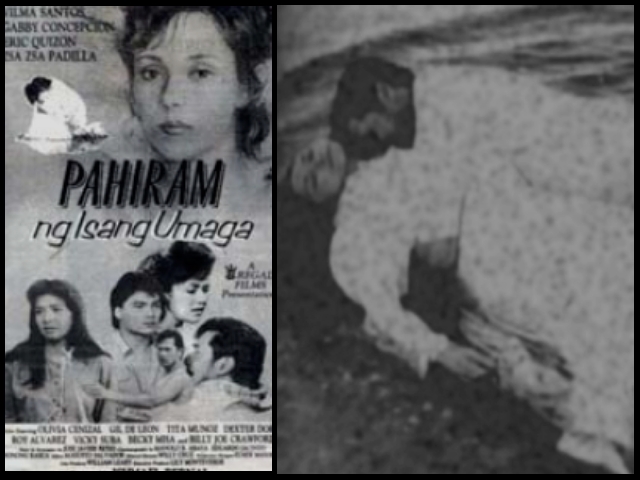
 RELATED READING:


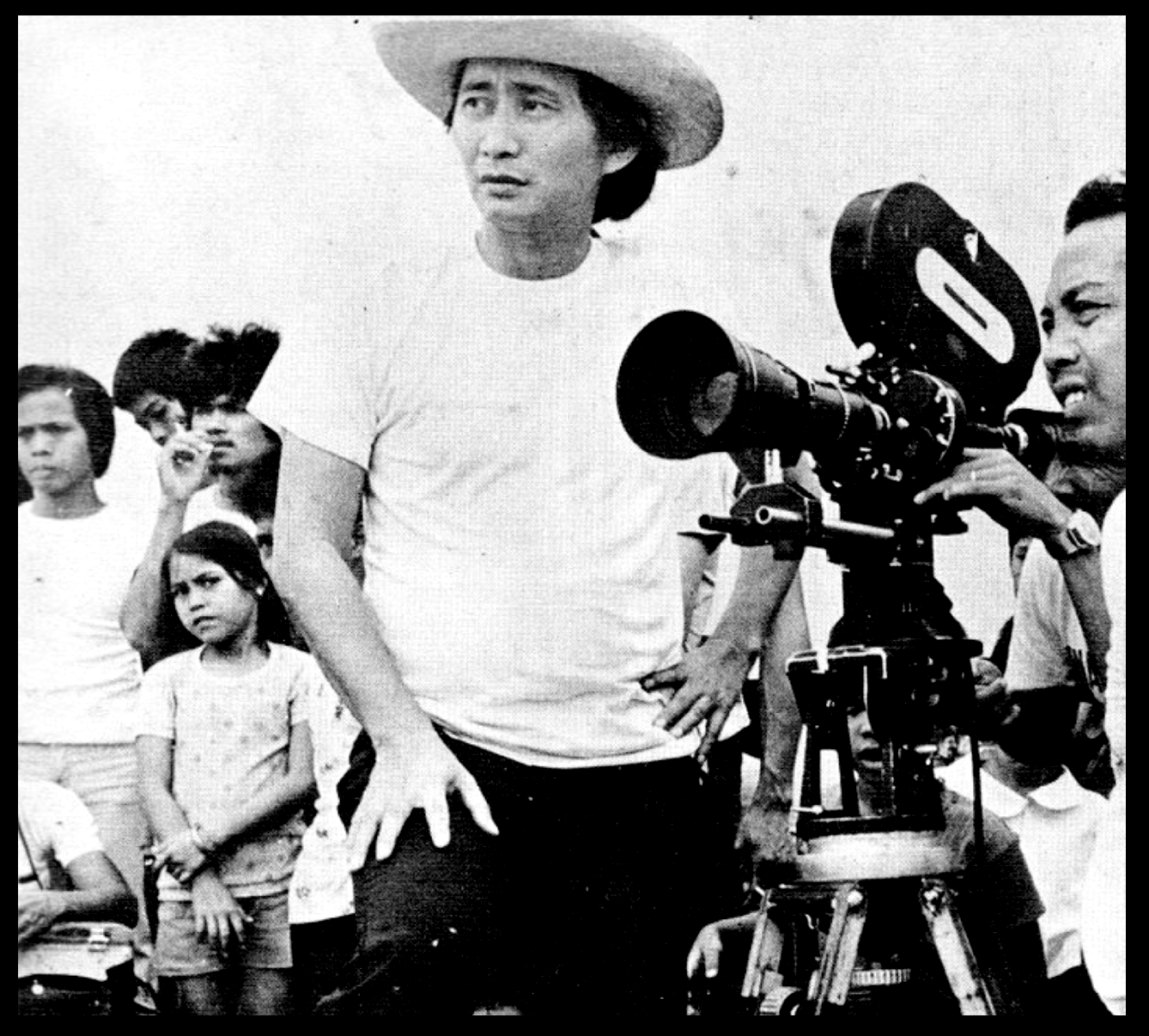


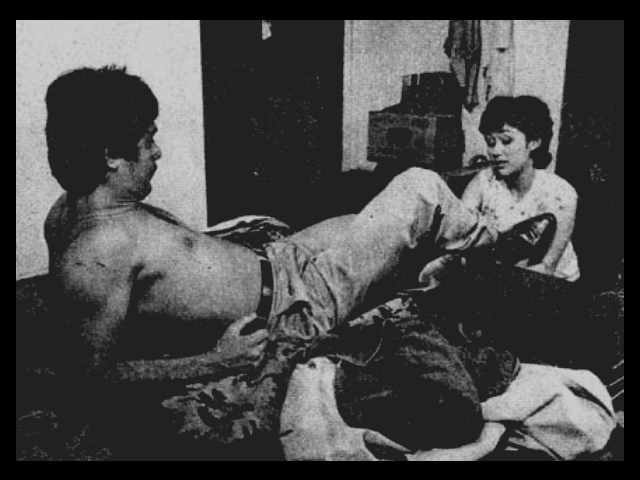



 Star For All Seasons
You must be logged in to post a comment.