Vilma Santos-Recto is a popular multi-awarded actress and politician in the Republic of the Philippines. *** She is known as "Queen of Philippine Movies," "Queenstar," "Grand Slam Queen," "Box Office Queen," and "Star for All Seasons." *** This website is mostly about her iconic film career.
Pulot-gata, Pwede Kaya? (1977) An intrigued filled love affair between Baby Abueva a poor lass of Baguio and Teddy Burgos a millionaire from Zamboanga. An affair married with the appearance of Lota. – Kabayan Central (READ MORE)
FAIR USE NOTICE (NOT FOR COMMERCIAL USE): This site contains copyrighted materials the use of which has not always been specifically authorized by the copyright owner. We are making such material available in our efforts to preserve the film legacies of actress, Vilma Santos, and to make her career information available to future generations. We believe this is NOT an infringement of any such copyrighted materials as in accordance to the the fair dealing clauses of both the Canadian and U.S. Copyright legislation, both of which allows users to engage in certain activities relating to research, private study, criticism, review, or news reporting. We are making an exerted effort to mention the source of the material, along with the name of the author, performer, maker, or broadcaster for the dealing to be fair, again in accordance with the allowable clauses. – Wikipedia (READ MORE)
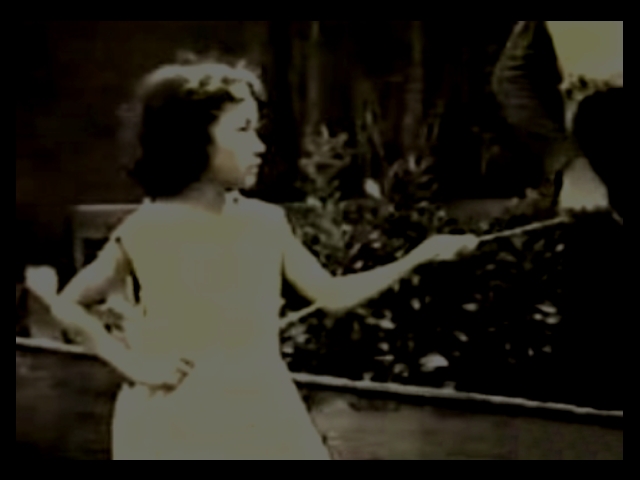
“…Ging (1964) was directed by Cirio Santiago and Teodorico Santos. Although it was made in the old-fashioned way of making films (the flashback scenes in particular), the material used here is timeless – especially since there are more street children in our midst now more than ever. As far as the showbiz scene is concerned, there are still a lot of heartless impresarios today exploiting young talents in the business. But what really made “Ging” a delight to watch was the performance of the very young Vilma Santos. Even at the early age, it was clear that she was already brimming with talent. Vilma, apparently, was born into this world to perform, entertain and make people happy. She was utterly convincing in the dramatic scenes and thoroughly graceful in her musical numbers. Listang-lista – as we’d say in the vernacular. Even then, she was already living up to her showbiz title of “Star for All Seasons” because her performance in “Ging” is not only brilliant, but timeless as well…” – Butch Francisco, People’s Journal 04 March 1999 (READ MORE)
FAIR USE NOTICE (NOT FOR COMMERCIAL USE): This site contains copyrighted materials the use of which has not always been specifically authorized by the copyright owner. We are making such material available in our efforts to preserve the film legacies of actress, Vilma Santos, and to make her career information available to future generations. We believe this is NOT an infringement of any such copyrighted materials as in accordance to the the fair dealing clauses of both the Canadian and U.S. Copyright legislation, both of which allows users to engage in certain activities relating to research, private study, criticism, review, or news reporting. We are making an exerted effort to mention the source of the material, along with the name of the author, performer, maker, or broadcaster for the dealing to be fair, again in accordance with the allowable clauses. – Wikipedia (READ MORE)
Biktima (1974) In a strange turn of events, Dolores (Vilma Santos) moves in to live with her grandfather, who has sole custody of her ever since her mother was imprisoned for the m rder of Dolores’ father. Mystery unfolds as Dolores stays with her grandfather when members of the household are murdered one by one. Will Dolores escape the chaos unraveling around her or will she be the next victim? – Kabayan Central (READ MORE)
FAIR USE NOTICE (NOT FOR COMMERCIAL USE): This site contains copyrighted materials the use of which has not always been specifically authorized by the copyright owner. We are making such material available in our efforts to preserve the film legacies of actress, Vilma Santos, and to make her career information available to future generations. We believe this is NOT an infringement of any such copyrighted materials as in accordance to the the fair dealing clauses of both the Canadian and U.S. Copyright legislation, both of which allows users to engage in certain activities relating to research, private study, criticism, review, or news reporting. We are making an exerted effort to mention the source of the material, along with the name of the author, performer, maker, or broadcaster for the dealing to be fair, again in accordance with the allowable clauses. – Wikipedia (READ MORE)
Dugo at Pag-ibig sa Kapirasong Lupa (1975) is a must for the Filipino History Students and for everyone who wants to awaken the innate nationalism in them. These series of stories depicting the fight of the Filipinos against colonialism of Spain, Japan and even their fellow Filipinos abusing the power in the government. A seemingly serious film but spiced with the star-studded cast like Fernando Poe Jr., Ramon Revilla, Joseph Estrada, Nora Aunor, Dante Rivero, Eddie Garcia, Vic Vargas, Goerge Estregan and the other all time favorite artists. This movie even highlighted the comparison between the love of country and the other kind of love we offer to our family and to our beloved as the story featured love stories in the midst of tragic and bloody war happening in our society. – Kabayan Central (READ MORE)
FAIR USE NOTICE (NOT FOR COMMERCIAL USE): This site contains copyrighted materials the use of which has not always been specifically authorized by the copyright owner. We are making such material available in our efforts to preserve the film legacies of actress, Vilma Santos, and to make her career information available to future generations. We believe this is NOT an infringement of any such copyrighted materials as in accordance to the the fair dealing clauses of both the Canadian and U.S. Copyright legislation, both of which allows users to engage in certain activities relating to research, private study, criticism, review, or news reporting. We are making an exerted effort to mention the source of the material, along with the name of the author, performer, maker, or broadcaster for the dealing to be fair, again in accordance with the allowable clauses. – Wikipedia (READ MORE)
FAIR USE NOTICE (NOT FOR COMMERCIAL USE): This site contains copyrighted materials the use of which has not always been specifically authorized by the copyright owner. We are making such material available in our efforts to preserve the film legacies of actress, Vilma Santos, and to make her career information available to future generations. We believe this is NOT an infringement of any such copyrighted materials as in accordance to the the fair dealing clauses of both the Canadian and U.S. Copyright legislation, both of which allows users to engage in certain activities relating to research, private study, criticism, review, or news reporting. We are making an exerted effort to mention the source of the material, along with the name of the author, performer, maker, or broadcaster for the dealing to be fair, again in accordance with the allowable clauses. – Wikipedia (READ MORE)
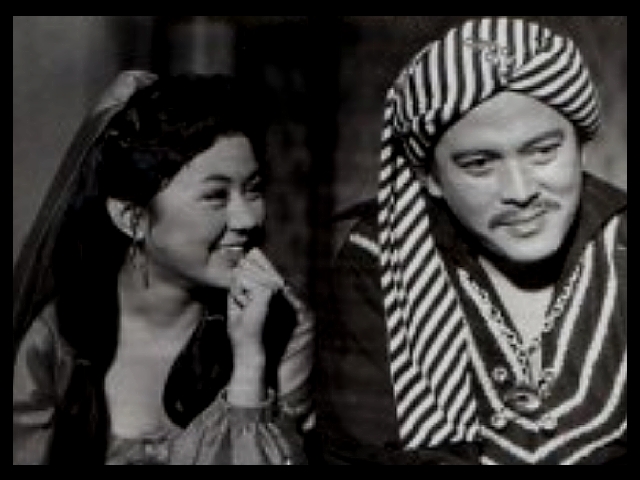
King Khayam’s search for another wife brought him the escapee, Princess Gracia. She doesn’t want to be wed to a man, she doesn’t love so she left her kingdom and ended up in King Kayam’s kingdom. They met and fell in love. (READ MORE)
Joseph “Erap” Ejercito Estrada (born Jose Marcelo Ejercito on April 19, 1937) was the 13th President of the Philippines, serving from 1998 until 2001. Estrada was the first person in the Post-EDSA era to be elected both to the presidency and vice-presidency. Estrada gained popularity as a film actor, playing the lead role in over 100 films in an acting career spanning 33 years. He used his popularity as an actor to make gains in politics, serving as mayor of San Juan for seventeen years, as Senator for one term, then as Vice President of the Philippines under the administration of President Fidel V. Ramos. – Wikipedia (READ MORE)
FAIR USE NOTICE (NOT FOR COMMERCIAL USE): This site contains copyrighted materials the use of which has not always been specifically authorized by the copyright owner. We are making such material available in our efforts to preserve the film legacies of actress, Vilma Santos, and to make her career information available to future generations. We believe this is NOT an infringement of any such copyrighted materials as in accordance to the the fair dealing clauses of both the Canadian and U.S. Copyright legislation, both of which allows users to engage in certain activities relating to research, private study, criticism, review, or news reporting. We are making an exerted effort to mention the source of the material, along with the name of the author, performer, maker, or broadcaster for the dealing to be fair, again in accordance with the allowable clauses. – Wikipedia (READ MORE)
Jaguar is a 1979 drama film by Lino Brocka. The title comes from the Filipino word guardia or “guard,” Anglicized into the word “jaguar.” Colloquially, the word means “bodyguard,” the occupation of the film’s main character, played by Philip Salvador, who dreams of becoming an important person one day. The movie is based on the 1961 essay written by Nick Joaquin on the notorious 1960 Brown Derby shooting (as printed in Reportage on Crime) of Napoleon Nodecal. The film has also gained the distinction of entering into the Competition Category in the 1980 Cannes International Film Festival, where it was nominated for the prestigious Golden Palm Award. Poldo (Philip Salvador), a poor man, fantasizes about having good pay, social acceptance by the rich, fancy clothes and a good lifestyle, like most other Filipinos. He becomes a security guard in a posh apartment house to help his family. Trouble ensues after he saves his boss’s son, Sonny (Mengie Colarribias), from a corrupt nightclub owner’s attack. The grateful Sonny offers Poldo a job as his bodyguard. Unbeknownst to Poldo, his new employer publishes porno magazines and is just as corrupt as his attacker. Poldo, however, is lulled because now he gets a taste of his boss’ carefree and extravagant lifestyle and believes that his boss accepts him as a friend. In one of the nightclubs they frequent, Poldo meets Cristy (Amy Austria), a dancer whom Poldo is attracted to. Sonny, too, is smitten by Cristy and aggressively pursues her, despite a warning from San Pedro, the movie director with whom Cristy has had an affair. Sonny and San Pedro fight over Cristy, while Poldo and Cristy act upon their sexual attraction with each other. Soon after, Sonny and San Pedro fight. Poldo comes to his boss’ rescue and guns down San Pedro. Sonny, however, is unwilling to risk his reputation defending a functionary from the slums, and Poldo comes to the bitter realization that he is alone, abandoned, and betrayed. – Wikipedia (READ MORE)
Phillip “Ipe” Salvador (born Phillip Mikael Reyes Salvador; August 22, 1953) is a three-time FAMAS award-winning Filipino actor. – Wikipedia (READ MORE)
FAIR USE NOTICE (NOT FOR COMMERCIAL USE): This site contains copyrighted materials the use of which has not always been specifically authorized by the copyright owner. We are making such material available in our efforts to preserve the film legacies of actress, Vilma Santos, and to make her career information available to future generations. We believe this is NOT an infringement of any such copyrighted materials as in accordance to the the fair dealing clauses of both the Canadian and U.S. Copyright legislation, both of which allows users to engage in certain activities relating to research, private study, criticism, review, or news reporting. We are making an exerted effort to mention the source of the material, along with the name of the author, performer, maker, or broadcaster for the dealing to be fair, again in accordance with the allowable clauses. – Wikipedia (READ MORE)
Kampanerang Kuba (1974) (lit. Hunchbacked Lady Bellringer) was a fantasy soap opera television series broadcast by ABS-CBN in the Philippines. It was inspired by 1973 film with same title, which was starred by Vilma Santos and Bobot Mortiz. It was tagged as Pinoy Disney. It was originally based from a comic book series written by Pablo Gomez. – Wikipedia (READ MORE)
“…Kampanerang Kuba’s convoluted long story maybe attributed to the original comics material written by Pablo Gomez. A good director should iron out all the unbelievable plots specially all the one-dimensional characters. For example, Celia Rodriguez character, Tateng. She is so masochistic that viewer might wonder why she is so mean. Also, with her tower-nesque beauty, why she decided to remained in a town where everything seems to be so trivial and everyone seems loves to gossip, even the men. Nilo Saez (with Jose Flores Sibal wrote the script) failed miserably in this regard. Shot in Nagcarlan Laguna, Kampanerang Kuba showcased the old Filipino beliefs in patron saints, religious rituals and miracles. It also demonstrates that people can be so cruel, can passed judgement, and can asked for forgiveness that quick when confronted with truth. All will be forgiving without taking into account all the harm that they have done. In the real world, these people will be punished. Celia Rodriguez seems to be wooden in so many scenes but equally infuriating when she started to do her verbal and physical abuse of Andang. With limited dialogue, a young Dindo Fernando portrayed Tateng’s lover convincingly. All the other supporting roles including Perla Bautista, Ernie Garcia and others gave forgettable performances. About the two main lead, Edgar Mortiz and Vilma Santos, both did what they can to portrayed their respective roles. Edgar Mortiz seems to be trying very hard to be effective as the priest but acting is clearly not his forte. Would this be different if Jay Ilagan did this role? Vilma Santos succeed more with her solo scenes, talking to the patron saints and the bell tower, eating with her bare hands and trying to beautify her ugly face. She appeared to be gearing up for more versatile roles that requires her not to sing but to act…” – RV (READ MORE)
FAIR USE NOTICE (NOT FOR COMMERCIAL USE): This site contains copyrighted materials the use of which has not always been specifically authorized by the copyright owner. We are making such material available in our efforts to preserve the film legacies of actress, Vilma Santos, and to make her career information available to future generations. We believe this is NOT an infringement of any such copyrighted materials as in accordance to the the fair dealing clauses of both the Canadian and U.S. Copyright legislation, both of which allows users to engage in certain activities relating to research, private study, criticism, review, or news reporting. We are making an exerted effort to mention the source of the material, along with the name of the author, performer, maker, or broadcaster for the dealing to be fair, again in accordance with the allowable clauses. – Wikipedia (READ MORE)
“…Iginuhit ng Tadhana: The Ferdinand E. Marcos Story (1965) (Carved by Destiny) is a movie based on the life of Ferdinand Marcos prior to his ascendancy as President of the Philippines. The movie was chronological in setting, featuring Marcos as a young boy in his hometown, as a brilliant student, and up to the time that he was unjustly imprisoned as a suspect in the murder of the political rival of his father. The movie then moves up to his acquittal, his career as a young congressman and senator, and up to the time that he married Imelda Marcos. The movie was shown in Manila as additional campaign material for Marcos’ candidacy for the Presidential race, which he eventually won. The movie portrayed Marcos as a person who is more than just a politician…” – Wikipilipinas (READ MORE)
“…Marcos knew the power of the medium of film. Earlier on, Marcos produced a film biography using the most popular stars for his first presidential campaign. He ran against Macapagal who also came up with a film biography to boost his reelection bid. Marcos would also use another film Iginuhit ng Tadhana (Written by Destiny, 1965) to campaign for a second term. The two Marcos film bios would be the only successful political films—commercial and election wise—as other film biographies in the post-Marcos period by senatorial and presidential aspirants would prove dismal, unhelpful for election bids. The post-Marcos period liberalized the political and economic scene. It conventionalized and intensified the election of movie and sports stars, and even television news hosts to national politics. Television stations were sequestered by the government, the largest of which, however, was returned to its pre-martial law owners. ABS-CBN would become the leading television station until after 2000, allowing two of its news anchors to become senators…” – Rolando Tino (READ MORE)
FAIR USE NOTICE (NOT FOR COMMERCIAL USE): This site contains copyrighted materials the use of which has not always been specifically authorized by the copyright owner. We are making such material available in our efforts to preserve the film legacies of actress, Vilma Santos, and to make her career information available to future generations. We believe this is NOT an infringement of any such copyrighted materials as in accordance to the the fair dealing clauses of both the Canadian and U.S. Copyright legislation, both of which allows users to engage in certain activities relating to research, private study, criticism, review, or news reporting. We are making an exerted effort to mention the source of the material, along with the name of the author, performer, maker, or broadcaster for the dealing to be fair, again in accordance with the allowable clauses. – Wikipedia (READ MORE)
”…As far as he can recall, his first gay outing was in the critically acclaimed High School Circa ’65. “Doon naman, I was nominated for Best Supporting Actor considering na 15 or 16 pa lang ako noon. I was the comic relief of the movie.” Bibeth Orteza, who played a teacher in High School Circa ’65, created a gay character for him in the sitcom “Tepok Bunot.” “Nag-hit ‘yon,” says Roderick. Then a producer gave him the lead role in Charot, a movie inspired by Dustin Hoffman’s gender-bending performance in Tootsie. Before Roderick knew it, other offers to do gay roles started coming his way, with one of them from a very persuasive line producer-actress. “After Charot, ayoko munang tanggapin ang mga gay-gay roles,” he says. “But it was Charo Santos who convinced me to do a gay movie where I would be paired with Maricel (Soriano).” The project was Regal Films’ Inday, Inday sa Balitaw which ended up being a huge success. “The rest is history!” Roderick exclaims. “Yun na! Sunud-sunud na sa box-office…” (READ MORE)
Maryo J. delos Reyes was born on October 12, 1952 in Sta. Cruz, Manila, Philippines. He finished his primary education at Malate Catholic School and when he reached high school, he decided to give priesthood a chance and graduated at the Our Lady of Guadalupe Minor Seminary. His dream of being a director never left him so he enrolled at the Institute of Mass Communications of the University of the Philippines where he graduated with honors. While in school, he became active with PETA, the country’s premiere theater group in the seventies. He started handling acting workshops and a scriptwriter for the film Disco Fever. He then became the creative head of Agrix Films where he directed High School Circa ’65, his first directorial venture in 1979. He received nominations for his work on this film. Since then, he has directed 56 feature films, several television programs and specials, commercials and stage plays. – Tiburon Film Festival (READ MORE)
FAIR USE NOTICE (NOT FOR COMMERCIAL USE): This site contains copyrighted materials the use of which has not always been specifically authorized by the copyright owner. We are making such material available in our efforts to preserve the film legacies of actress, Vilma Santos, and to make her career information available to future generations. We believe this is NOT an infringement of any such copyrighted materials as in accordance to the the fair dealing clauses of both the Canadian and U.S. Copyright legislation, both of which allows users to engage in certain activities relating to research, private study, criticism, review, or news reporting. We are making an exerted effort to mention the source of the material, along with the name of the author, performer, maker, or broadcaster for the dealing to be fair, again in accordance with the allowable clauses. – Wikipedia (READ MORE)








 Star For All Seasons
You must be logged in to post a comment.