Vilma Santos-Recto is a popular multi-awarded actress and politician in the Republic of the Philippines. *** She is known as "Queen of Philippine Movies," "Queenstar," "Grand Slam Queen," "Box Office Queen," and "Star for All Seasons." *** This website is mostly about her iconic film career.
197 films, 70 directors, 5 decades, Vilma Santos, one of the original Philippine movie queens, rose up to become the versatile actress that has been given the fitting title of “Star for All Seasons” because of her capacity to adapt to the changing mores and values of the Filipino woman, giving a face to their plight and struggles, albeit in success both critically and box-office wise in some of Philippine cinema’s classics such as Relasyon (1982), Pahiram ng Isang Umaga (1989), Broken Marriage (1984) and Ikaw ay Akin (1978). This is the number one director who contributed to her success.
Considered the number one director of Vilma Santos, National Artist, Ishmael Bernal contributed significantly to her success. Their collaborations as actor and director spanned three decades. Eight films in total, almost a dozen best actress for Santos and a several best director for Bernal not including nominations both locally and internationally. He was quoted saying: “In Ikaw ay Akin, Vilma was already conscious of her own particular style of acting…which can be described as minimal, less is more. The fewer and simpler gestures, the greater effect…(Working in Pahiram Ng Isang Umage, Bernal said)…she had become an artist, no longer a movie star and just following the director’s instructions..” Their films are still relevant, timeless and to this day, being celebrated by many. READ MORE
Ishmael Bernal – A filmmaker of the first order and one of the very few who can be truly called a maestro. Critics have hailed him as “the genius of Philippine cinema.” He is recognized as a director of films that serve as social commentaries and bold reflections on the existing realities of the struggle of the Filipino. His art extends beyond the confines of aesthetics. By polishing its visuals, or innovating in the medium, he manages to send his message across: to fight the censors, free the artists, give justice to the oppressed, and enlighten as well as entertain the audience. Among his notable films are “Pahiram ng Isang Umaga” (1989), “Broken Marriage” (1983), “Himala” (1981), “City After Dark” (1980), and “Nunal sa Tubig” (1976). He was recognized as the Director of the Decade of the 1970s by the Catholic Mass Media Awards; four-time Best Director by the Urian Awards (1989, 1985, 1983, and 1977); and given the ASEAN Cultural Award in Communication Arts in 1993 (NCCA.gov.ph). Bernal was born in Manila on September 30, 1938, the son of Elena Bernal and Pacifico Ledesma. He studied at Burgos Elementary School and Mapa High School before entering the University of the Philippines, and graduated in 1962 with a degree of Bachelor of Arts degree in English. For a time he worked with Lamberto Avellana’s documentary outfit. He went on to earn his Licentiate in French Literature and Philosophy at the University of Aix-en-Prevence in France, and then in 1970 his Diplomate in Film Directing at the Film Insititue of India in Poona, under the Colombo plan scholarhip. Bernal was a board member of the Concerned Artists of the Philippines and the Directors Guild of the Philippines, Inc., an organization that studies the role of film as an instrument of entertainment, education and development. He actively crusaded for the rights and welfare of artists for as long as he lived. He died in Quezon City on June 2, 1996 (Wikipilipinas).
HIGHLIGHTS: Bernal gave Vilma Santos her first grandslam best actress awards and consecutive Gawad Urian best actress (1982 and 1983). Their first film together was Inspiration (1972) and last was Pahiram Ng Isang Umaga (1989).
Ishmael Bernal, 58, leading Filipino movie director who made about 60 films on social injustice. He studied diplomacy at the University of the Philippines and was in the diplomatic service until he switched to filmmaking in the early 1970s. Over the last quarter-century, he used satire to describe social and political problems, often angering the late President Ferdinand Marcos and his wife, Imelda. The couple often had large portions of Bernal’s films cut by censors, including 1982’s “Manila by Night,” a film illustrating the poverty that drives people to act irresponsibly. Bernal overcame the censorship by having his films shown in their entirety at film festivals around the world. On Sunday in Manila of a heart attack. – L. A. Times, June 08, 1996 (READ MORE)
Worthy Films “…Of the 39 films he has made, at least 20 are worthy of his name, out of which seven are quite good, nine others are very good or outstanding – Pagdating sa Dulo (1971), Ligaw na Bulaklak (1975), Nunal sa Tubig (1976), Dalawang Pugad Isang Ibon (1977), Ikaw ay Akin (1978), Aliw (1979), City After Dark (1980, and Relasyon and Himala (1982). With all these films to his credit, Bernal has already assured himself of a prominent position in the history of Philippine cinema even if he decides to stop working now. as many of these films prove, he has done what was earlier cosidered to be impossible – reconcile the box-office with aesthetic daring and intellectual dynamism, virtues hardly found together before in Philippines movies…Every aspect of a Bernal film may not always be successfully realized, but his weakness is outshine by his strengths. In every film, he seems to be ready to try something new, whether it be a theme, conflict, character or scene. He is also out of the few major local directors to have covered the broadest range of film genres and theme with varying levels of success, from the historical drama, like the Bonifacio episode in the unreleased multi-million peso omnibus Lahing Pilipino (1976), to the disco musical Good Morning Sunshine (1980) and the personal, experimental films Nunal sa Tubig and Himala…” – Mario A. Hernando (READ MORE)
Hataw Na! – “…Direk Joey has fond memories of the legendary Bernal whom he worked with as screenwriter for ‘Pahiram ng Isang Umaga” in 1989…Since I was a screenwriter during the Second Golden Age of Philippine cinema, I met Bernal, along with Lino Brocka. The only script of mine that Bernal directed, “Pahiram ng Isang Umaga,” won for me my first Urian (critics’ award) for Best Screenplay. I will never forget how Bernal sent a message to my Pocketbell unit, congratulating me for “Hataw Na!” in 1995. (He was a big fan of Gary Valenciano kasi.) Or how he hugged me after seeing “Iisa Pa Lamang,” the second film I wrote and directed in 1992. A director like Bernal is a rarity. He saw his peers not as competition, but as comrades. His life to the very end was to inspire young filmmakers to be original and to fight for their identities. Apart from “Working Girls,” what are your favorite Bernal films? “Relasyon,” “Broken Marriage,” “Manila by Night” are three films that have sunk into my very being. [They represent] the image of the ultimate Filipino filmmaker….” – Bayani San Diego Jr., Philippine Daily Inquirer, Apr 18 2010 (READ MORE)
Last Film – “…Bernal’s film career was characterized by a highly successful combination of form and content. He was as passionate about the techniques of scriptwriting and camera movement as he was about the use of his art to impart scathing social commentary. As is usual in the film industry, Bernal started out with commercially-oriented films before he could venture into cause-oriented cinema. In fact, even when he was already identified with socially-committed film, he did a commercially-oriented film every now and then. But he took care not to make films that ran counter to his basic principles. Thus, even as he occasionally made commercially-oriented films, he made sure they were not films that reinforced the societal values he abhorred. Socially committed films—the likes of his classics “Nunal sa Tubig,” “Manila After Dark,” “Himala,” and “Wating” — made the bulk of his work. The ruling classes’ employment of deceit to make the people accept social injustice, the hypocritical values that prevail in society, unequal gender relations—these were the themes he frequently dealt with. He is best known for the 1980 film “Manila by Night,” a film that depicts the decadence of the night life in Manila. In the 1990s, he got disillusioned with the trend of degeneration in the film industry which started in the late 1980s—a reversal of what he and his contemporaries Lino Brocka, Behn Cervantes, and Mike de Leon had achieved in the 1970s. After making his last film, “Wating,” an action movie which is at the same time an attack on the religious establishment, he decided to quit filmmaking. He turned to theater and directed plays for the militant mass movement while occasionally making television commercials…” – Alexander Martin Remollino, Bulatlat.com (READ MORE)
Bernal and Rodriguez – “…After he got back from India, Manila’s art scene reverted to its “normal” state of inspired insanity, and he went about trying to get his movie produced. No, I told the film students—and they were “shocked” to hear it—it wasn’t “Pagdating sa Dulo,” as they had been taught in their film history subjects, but a Virgo Productions movie titled (take a deep breath) “Ah, Ewan, Basta sa Maynila Pa Rin Ako!” Virgo, by the way, was the production company of “drama king” Eddie Rodriguez. Ishmael’s brilliance, wit, loquaciousness and volatility had impressed Eddie, and he agreed to produce the first Bernal opus, which was meant to be a “loving” satire on the city of Manila. During the production’s shooting phase, Ishmael invited us to watch some rushes with him, and we were delighted at how funny and spot-on his satirical scenes were. We remember one series of sequences in particular in which Ishmael spoofed the many vendors who came up to cars and other vehicles caught in traffic, selling all sorts of wares, from apples to zebras (well, you get the picture). In one especially droll scene, a vendor lugged an entire aparador past the camera! In another, the traffic jam took so long to unravel that, by the time it flowed again, the little seedling a vendor had sold a customer had grown into—a tree! Really outrageously funny stuff like that…But it turned out that, while we were laughing our heads off, the producer wasn’t having such a fun time. The way we see it now, he may have been worried that Ishmael’s acerbic kind of wit would not be all that easy for ordinary local moviegoers (used to more slapstick stuff, perhaps) to relate to. So, it appears that he and his young writer–director had a talk, during which he asked for changes—and the result was, Ishmael bowed out of the project! That’s right, with the movie not completely finished, it lost its director, and Eddie had to finish shooting the movie himself. We watched “Ah, Ewan…” when it opened in theaters, and quite expectedly, it was pretty much a mish-mash that didn’t amount to much. What was interesting and instructive to us was the fact that we could readily tell which scenes had been shot by Bernal, and which had been appended by Rodriguez. Eventually Ishmael got over his unfortunate first experience in filmmaking and went on to do “Pagdating sa Dulo,” which was a singular success, along with the many other fine films that followed…” – Nestor U. Torre, Philippine Daily Inquirer, September 18, 2011 (READ MORE)
Bernal’s Family – “…Ishmael Bernal grew up in the Santa Mesa district where a mestizo streak persists to date, with his mother Elena Bernal, in an extensible family setup under the proximate wings of a maternal grandfather Lope K. Santos, who had survived a jazz age image of a man in white sharkskin, beloved of ideologues and obreros, Rizalistas and fragile Spanish-speaking Tagalas. They lived not far from where the conquistadores had built in late-18th century a pied-a-terre, its back to a river which bisects the city before debouching into Manila Bay. It would pass on to American civil governors at the turn of the 20th century and to Filipino presidents since the end of the Pacific War, as the Yanks reference the backdrop to the Filipinos’ cameo role in a theater of World War II. But a more important landmark than Malacanang Palace to Bernal was Embassy theater, a minute’s dash from his childhood niche, which provided him with an early arsenal of images to use later in what we called Project Wham+a, for Winning Hearts and Minds plus arse, after an American hybrid of Madison Avenue stratagems vis-a-vis the exigencies of the war in VietNam where victory was elusive in the 60’s. We affixed arse as a realistic ancillary target and motivation of a film director’s career…For some years after we first met Ishmael never mentioned his father. He did make brief references to an uncle in Mariano Toledo to whom his mother was married: a tall man who lumbered unsmiling across our field of vision for many years, at their house in Caloocan, whose windows he would shut when Nena would play an opera; then upstairs of When It Is a Grey November in Your Soul Coffee Shop in Malate, where I often crashed in the late Sixties, before Ishmael left for India and the Poona Film Institute.
I would be a conspirator in the task of making it known to Nena that her only child had long known who his biological father was; that they had met ( I tried to annoy him by asking if it was like James Dean in a scene from East of Eden but I never succeeded) before he went aboard a cargo ship that would take him to France (among the passengers was an Indian who would borrow his toothbrush) to get a licentiate in French at Aix-en-Provence; and that cinema was instrumental in introducing him to his father’s family as well as in getting him to call Tio Mar “Father” toward the end of their lives which had come in fairly quick succession, for Nena died within a year of Ishmael (I could not bear to see her, she was never quite the same, she told someone who had asked her why she never visited Ishmael’s old room that she would not be responsible if she never came down again), and Tio Mar within a year of the woman he had taken care of with unquestioning devotion. Bernal used to say, in getting me to agree to write his biography, that there was nothing I forgot and pretended to overlook the fact that I remembered only odds and ends and irrelevant details. He tempted me with the admonition to by all means “Tell all”. He even agreed to record a number of conversations on subjects usually considered germane to a biography. The tapes were mercifully lost in a fire that destroyed everything I had ever owned except what I was wearing and, by happenstance, a suitcase bursting with Bernal’s photos, notes, and occasional journals, enough surely to start a bio….” – Jorge Arago (READ MORE)
Cinema Bernal “…As artist lock horns with Malacanang and the Church over freedom of expression, a novelist, an experssionist painter, a dramatist and a filmmaker have been named the country’s newest Natiional Artists…Ironically, one of the newest National Artist, Bernal had had a storied career battling state censors over the social content and sexy scenes of his movies which had won acclaime here and abroad. Bernal (1938-1995) studied literature at the University of the Philippines and obtained a licentiate in French literature and philosophy at the Universtiy of Aix-en-Provence in France. He became a Colombo Plan scholar and studeied film directing at the Film Institute of India in Poona, under the tutelage of the Indian master Satyajit Ray. Returning to the PHilippines, Bernal established himself early on as a leading voice of the cinema with his first movie, “Pagdating sa Dulo” (1971), a gritty movie about the “bomba” (soft-porn) film industry before martial law. Starring the irreverent Rita Gomez in what was perhaps the high point of her career, the movie had the hall marks of what was to become the cinema of Bernal: campy wit, accerbic dialogue, sexy tenor, trenchat characterization, and inventive camera work. In the following years, Bernal, together with Lino Brocka (who was also awarded the National Artist posthumously) made some of the most memorable films of so-called second golden age of Philippine cienma. He directed the innovative “Nunal Sa Tubig,” which despite the criticism of conservative groups, went on to win the best picture in the Catholic Mass Media Awards in 1977and was named one of the top international movies of the 1970s by the Internatinal Catholic Committee of the Cinema. Bernal’s other notable films were “City After Dark” (1980), “Himala” (1982), “Relasyon” (1982), and “Broken Marriage” (1983), Last Saturday, the Manunuri ng Pelikulang Pilipino named, “Wating,” Bernal’s last movie as one of the best movies of the 1990s…” – Lito B. Zulueta, Philippine Daily Inquirer, March 27, 2001 (READ MORE)
Ishmael Bernal and Vilma Santos
Bernal gave Vilma Santos her first grandslam best actress awards and two consecutive Gawad Urian best actress (1982 and 1983). Their first film together was Inspiration (1972) and last was Pahiram Ng Isang Umaga (1989).
Inspiration (1972) – “…In a musical era of 1970s, “Inspiration” was quite an experimental film, with no musical numbers, better screenplay, well-written characters. Nestor and Bernal works well in establishing the character of Jay and Vilma. Their dialouges are not “corny” and very realistic. There is no over the top dramatic scenes inserted between musical numbers here…” – RV (READ MORE)
Now and Forever (1973) – “…1973 turned out to be a banner year for Vilma Santos as she emerged on top with box office hits one film after another. Nine films altogether that featured her in different genres (comedy – “Tsismosang Tindera;” fantasy – “Maria Cinderella,” “Dyesebel at ang Mahiwagang Kabibe” and ”Ophelia at Paris;” action/fantasy – “Wonder Vi,” “Lipad, Darna, Lipad,” and “Darna and the Giants;” horror – “Anak ng Aswang” and teenybopper – “Carinosa” and “Now and Forever”). While Vilma was productive Bernal, like the past two years did only two films, one was the comedy fantasy starring television host and comedian Ariel Ureta in a spin off of Superman, “Zoom, Zoom, Superman!” and his film wih Vi, “Now and Forever” with Edgar Mortiz…” – RV (READ MORE)
Dalawang Pugad Isang Ibon (1977) – “…Bernal, testing the tensions of triangular love (for geometry books, one of his characters wittily says) for some time now, plunges deeper into character analysis and metaphorizing… In Lumayo, Lumapit ang Umaga, the triangle was unevenly explored: the first love was sketchily drawn. Dalawang Pugad, Isang become a choice for a more stable relationship. Walang Katapusang Tag-araw was a strange reverse of characters for two women and an unusual development of love into hatred and hatred into love, where therefore the triangle was essentially illusions. Ikaw ay Akin finally sets an interlocked triangle on its bases and looks at it (from all 3 angles) squarely in the face…” – Petronila Cleto, Pelikula Atbp (READ MORE)
Ikaw ay Akin (1978) – “…The film is greatly enhanced by Jose Carreon’s vibrant script, Mel Chionglo’s superb production design, the Vanishing Tribe’s fine musical score, and Augusto Salvador’s brisk editing (few scenes last longer than a couple of minutes). But the lion’s share of credit goes to Bernal. I particularly like his splendid use of meaningful pauses and oppressive silences, as in Sandra and Tere’s accidental first meeting at Rex’s house, Sandra’s soundless dinner with her father that leads to her breakdown, and the long, quiet ending scene where Sandra and Tere never say a word and yet succeed in finally communicating with each other. Our viewers are discomfited by this exhausting process, what with the underdeveloped tastes of our mass audience perpetuated by irresponsible irectors. But one fervently hopes for Bernal, who apparently believes he owes the audience his best even if they are more likely to love his third best more, that they would get the film’s message and, perhaps, even accept and like it…” – Mario E. Bautista, Philippine Daily Express, 1978 (READ MORE)
Good Morning Sunshine (1980) – “…Junior – Now 66 years old (can you believe that?), he was Vilma Santos’ leading man in Good Morning Sunshine in 1980. Born Antonio Morales Barretto, he was born in Manila, but moved to Spain with his family when he was 15. He was already a popular singer in Spain when he tried Pinoy showbiz. After doing a series of local movies (another one of his films was Disco Madhouse with Lorna Tolentino and Rio Locsin) and record albums (Yakap is still memorable to me), he went back to Spain (his wife and kids were all living there) where he continued singing. Eventually, he managed the showbiz career of his wife, Rocio Durcal, but she died of cancer in 2006…” – Butch Francisco (READ MORE)
Relasyon (1982) – “…The writers have fed significance into the conversations by filling them with popular ideas on marriage and relationships, engaging the viewers to respond with their own beliefs. There is irony though in the confessions of Emil and Marilou – in happier times – that each had been a better person upon being loved by the other. But their life together contradicted that statement. Her selfishness is revealed. “Ikaw lang ang iniintindi mo” he says and it uncovered his insensitivity. “Ako rin, may ego”, She replies. Vilma Santos confidently showed she felt the character she was portraying. Her depiction of feelings and emotions easily involve the viewers to share in her conflicts and joys. In this film, she has peeled-off apprehensions in her acting. Christopher de Leon has also been supportive in emphasizing the characterization of Marilou. He suitably complements Vilma’s acting. The director, Ishmael Bernal, displays his flair for taking scenes of Vilma putting on make-up. Unwittingly, he has suggested that whatever make-up is put on over adultery, it is still adultery…” – Lawrence delos Trinos, Star Monthly Magazine, July 1982 (READ MORE)
Broken Marriage (1983) – “…Vilma Santos is not about to be a letdown, not this time when the most important female roles are coming her way. A new intelligence she infuses in the character Ellen. Like De Leon, she turns Ellen into a woman-child, but the stress is less on her part as she has done similar roles before. Her beautiful face is flush receptive: the quiet moments of just observing the people around her are moments of perfect acting. Her body moves with an agility that is both funny and dramatic. Her two monologues – the first with her friends in the cafe when she informs them that she is bored, and the second with Rene when she tells him that they are not children anymore – are her best scenes: the camera lingers upon her countenance and she enunciates in return with ironic ease. She should watch out for next year’s awards race – there is simply no stopping her at the moment…” – Joselito Zulueta, Sine Manila – 1983 (READ MORE)
Pahiram ng Isang Umaga “…Director Ishmael Bernal has seen in the material an opportunity to put substance to what has often been denigrated as the unthinking man’s entertainment, and to a considerable degree, his attempt has been a success. Pahiram is both effective as a tearjerker and meaningful as a depiction of people in crisis. Using a traditional element of the genre, the theme of death, Bernal and writer Jose Javier Reyes probe into the life of a woman who has been told that the end is near. Juliet (Vilma Santos, one of the two reigning Philippine female superstars for the past two decades now) is told that she has eight or maybe seven months to live. As a progressive advertising creative director who has been promoted (rather late) as vice president of her company, she has the means to attend to the less mundane demands of life, examine what may have been an unexamined life, and make the most of the limited time left…” – Mario A. Hernando, Malaya – 5 March 1989 (READ MORE)
Physical Endurance – “…Ishmael Bernal, who claims to have directed Vilma’s best pictures, believes she has endured because she has physical, emotion and mental endurance. ‘She could work for 24 hours straight without getting tired, without flagging in her acting. There were times when we had to shoot for three or four successive days, getting very little sleep, but there Vilma would be: fresh, enthusiastic, rarin’ to go. Physical endurance is very important to a star. Another thing I noticed was her strong sense of competition. At that time, though of course, she didn’t say so, it was Nora she wanted to beat. Vilma was out to be the bigger star, the better actress. And so she geared her career for a zoom to the top.” Bernal first directed her in Inspiration (1971), produced by Tagalog Ilang-Ilang from a script by Nestor Torre. ‘This was at the height of the Nora-Vilma rivalry and the competing love teams were Nora-Tirso[Cruz] and Vilma-Edgar[Mortiz]. But in Inspiration, Atty. Laxa decided to pair Vilma with a rising new star: Jay Ilagan. That early, I noted that Vilma had the potential to become a great dramatic star. At that time she was not yet doing actress roles, only juvenile fan movies. Her assets were the expressiveness of her eyes, very important for the camera; the creaminess of her complexion, very important on the screen; and the ability to make her audience sympathize if not identify with her. Another thing I noticed was that she’s perfectly relaxed in front of the camera: no sense of compulsion. She just stands there and with a flick of the eye, a movement of the hand, she communicates whatever emotion has to be communicated to the audience. Unlike theater actors who feel they have to use the entire body to communicate, she achieves her effects with the simplest gestures. She already had perfect timing…” – Quijano De Manila (Nick Joaquin), Philippine Graphic Magazine 05 November 1990 (READ MORE)
The Mistress as The Heroine – “…In the documentary, Santos admitted that working with Bernal brought out the best in her as an actress. “She made me do this scene in ‘Relasyon’ that was really tough as it was unpredictable. I think Bernal was the first director to risk putting the character of The Mistress as The Heroine. In the past, the roles of mistresses were mere punching bags of The Wives in many confrontation scenes in Filipino movies,” she added…” – Pablo A. Tariman, VERA Files (READ MORE)
Ishmael Bernal, a filmmaker of the first order and one of the very few who can be truly called a maestro. Critics have hailed him as “the genius of Philippine cinema.” He is recognized as a director of films that serve as social commentaries and bold reflections on the existing realities of the struggle of the Filipino. His art extends beyond the confines of aesthetics. By polishing its visuals, or innovating in the medium, he manages to send his message across: to fight the censors, free the artists, give justice to the oppressed, and enlighten as well as entertain the audience. Among his notable films are “Pahiram ng Isang Umaga” (1989), “Broken Marriage” (1983), “Himala” (1981), “City After Dark” (1980), and “Nunal sa Tubig” (1976). He was recognized as the Director of the Decade of the 1970s by the Catholic Mass Media Awards; four-time Best Director by the Urian Awards (1989, 1985, 1983, and 1977); and given the ASEAN Cultural Award in Communication Arts in 1993 (NCCA.gov.ph). Bernal was born in Manila on September 30, 1938, the son of Elena Bernal and Pacifico Ledesma. He studied at Burgos Elementary School and Mapa High School before entering the University of the Philippines, and graduated in 1962 with a degree of Bachelor of Arts degree in English. For a time he worked with Lamberto Avellana’s documentary outfit. He went on to earn his Licentiate in French Literature and Philosophy at the University of Aix-en-Prevence in France, and then in 1970 his Diplomate in Film Directing at the Film Insititue of India in Poona, under the Colombo plan scholarhip. Bernal was a board member of the Concerned Artists of the Philippines and the Directors Guild of the Philippines, Inc., an organization that studies the role of film as an instrument of entertainment, education and development. He actively crusaded for the rights and welfare of artists for as long as he lived. He died in Quezon City on June 2, 1996. – Wikipilipinas (READ MORE)
197 films, 70 directors, 5 decades, Vilma Santos, one of the original Philippine movie queens, rose up to become the versatile actress that has been given the fitting title of “Star for All Seasons” because of her capacity to adapt to the changing mores and values of the Filipino woman, giving a face to their plight and struggles, albeit in success both critically and box-office wise in some of Philippine cinema’s classics such as Relasyon (1982), Pahiram ng Isang Umaga (1989), Broken Marriage (1984) and Ikaw ay Akin (1978). This is the number one director who contributed to her success.
Considered the number one director of Vilma Santos, National Artist, Ishmael Bernal contributed significantly to her success. Their collaborations as actor and director spanned three decades. Eight films in total, almost a dozen best actress for Santos and a several best director for Bernal not including nominations both locally and internationally. He was quoted saying: “In Ikaw ay Akin, Vilma was already conscious of her own particular style of acting…which can be described as minimal, less is more. The fewer and simpler gestures, the greater effect…(Working in Pahiram Ng Isang Umage, Bernal said)…she had become an artist, no longer a movie star and just following the director’s instructions..” Their films are still relevant, timeless and to this day, being celebrated by many. READ MORE
HIGHLIGHTS: Bernal gave Vilma Santos her first grandslam best actress awards and consecutive Gawad Urian best actress (1982 and 1983). Their first film together was Inspiration (1972) and last was Pahiram Ng Isang Umaga (1989).
Inspiration (1972) – “…In a musical era of 1970s, “Inspiration” was quite an experimental film, with no musical numbers, better screenplay, well-written characters. Nestor and Bernal works well in establishing the character of Jay and Vilma. Their dialouges are not “corny” and very realistic. There is no over the top dramatic scenes inserted between musical numbers here. The parent played wonderfully by Merle Tuazon and Carlos Salazar were convincing. Although both Vilma and Jay played their roles effectively, Lilian Laing steals the film as Lola Jane. She was bubly and funny, a sex-starved, karate black belter, polo game afficianado, who loves life and considering she playing the old grandma who is also the solution to all the complication in life. Bernal was on his element here, a good story teller, pre-”Dalawang Pugad Isang Ibon, Pahiram Ng Isang Umaga and Relasyon.” Although he is directing a light comedy, written by Nestor Torre Jr., he managed to established all the characters without relying on corny dialouges common in this era…” READ MORE
Now And Forever (1973) – Produced by Tagalog Ilang-Ilang Productions, Now and Forever was the lesser know Bernal-Santos collaboration. Vilma was teamed-up with teen idol, Edgar Mortiz. READ MORE
Dalawang Pugad, Isang Ibon (1977) – “…Dalawang Pugad, Isang Ibon is a 1977 drama film directed by Ishmael Bernal. The film analyzes adultery in a mature way and presents reasons why many modern marriages in bourgeois families slowly dissipate into alienation and lead to adultery. The movie’s main plot involves a fashion model (Vilma Santos) who is torn between two men: her young boyfriend, who is a self-centered, airheaded fashion model (Mat Ranillo III), and an older married man (Romeo Vasquez), who is estranged from his domineering wife (Anna Gonzales)…” READ MORE
Ikaw ay Akin (1978) – “…Unlike other superstar team-ups that fail to exploit the golden opportunity of pulling in sure audiences to watch a serious work, Bernal’s greatest achievement lies not so much in putting his three big stars together but in making use of them to lure their fans and followers intos eeing a mature, sensible film. And his cast serves Bernal very well. In the hands of a capable director, Christopher de Leon proves that his forgettable appearance in such odious films as “Topo-Topo Barega” and “Disco Fever” are mere lapses in judgment that do not entirely discredit his craft. He also shows enough gallantry by not getting into the way of his leading ladies, whose roles are undoubtedly more demanding than his. As the uptight Sandra, Vilma Santos has the script’s choicest, wittiest lines. She makes the most of them and succeeds in giving a fairly accurate portrait of an emotionally insecure young woman. And when she tells Rex: “sabi nila liberated ako, front lang. Kalog daw, front din. Alam mo namang kulang-kulang ako. Pag wala ka, magkakalat ako. Para akong manok, takbo ng takbo wala namang ulo.” She likewise handles her final breakdown exceedingly well. Nora has less lines but she nevertheless manages to conveys her emotions very effectively. In that family reunion-party which is so engrossed in gossip and banter, she remains so detached, speaking nary a word — a triumph for both Bernal and her. The hurt in her eyes continues to build up until that disrupted dinner scene where she rushes to her room and, unable to contain herself, finally cries. The most stable of the three, you could really believe her when she tells Rex: “Galit ako sa ‘king sarili, dahil sinasaktan mo na ako nang todo-todo pero lalo ka namang napapamahal sa akin.” The film is greatly enhanced by Jose Carreon’s vibrant script, Mel Chionglo’s superb production design, the Vanishing Tribe’s fine musical score, and Augusto Salvador’s brisk editing (few scenes last longer than a couple of minutes). But the lion’s share of credit goes to Bernal. I particularly like his splendid use of meaningful pauses and oppressive silences, as in Sandra and Tere’s accidental first meeting at Rex’s house, Sandra’s soundless dinner with her father that leads to her breakdown, and the long, quiet ending scene where Sandra and Tere never say a word and yet succeed in finally communicating with each other…” READ MORE
Good Morning, Sunshine (1980) – The 80’s first Santos-Bernal film, GMS stars Vi with musical idol, Junior and with veteran Liza Lorena and Anita Linda. READ MORE
Relasyon (1982) – “…The writers have fed significance into the conversations by filling them with popular ideas on marriage and relationships, engaging the viewers to respond with their own beliefs. There is irony though in the confessions of Emil and Marilou – in happier times – that each had been a better person upon being loved by the other. But their life together contradicted that statement. Her selfishness is revealed. “Ikaw lang ang iniintindi mo” he says and it uncovered his insensitivity. “Ako rin, may ego”, She replies. Vilma Santos confidently showed she felt the character she was portraying. Her depiction of feelings and emotions easily involve the viewers to share in her conflicts and joys. In this film, she has peeled-off apprehensions in her acting. Christopher de Leon has also been supportive in emphasizing the characterization of Marilou. He suitably complements Vilma’s acting. The director, Ishmael Bernal, displays his flair for taking scenes of Vilma putting on make-up. Unwittingly, he has suggested that whatever make-up is put on over adultery, it is still adultery…” READ MORE
Broken Marriage (1983) – “…Bernal shows Ellen’s retrospective mood minus the conventional flashback: her younger sister is engaged to be married, and Ellen watches the two lovebirds running like children, with a bright but painful smile, even with jealousy, knowing that after the ceremonies, the two will lose the innocence which tradition stifles. This is a repetition of the technique Bernal used in Relasyon – the mistress attending the wedding of her cousin – with just the same effect, namely, sympathy. The screenplay plunges right into the boiling point, the issues hurled to the foreground like machine-gun fire, the familiar scenes of hatred and division treated like aimless confetti so that the audience neither breathes nor is excused. It jolts us at the outset and after the terrible whipping, when the squabbles lessen and finally ebb into peace, we realize that these two handsome people must have had only one tragic flaw: they did not keep mum for a while. Manolo Abaya’s cinematography dances with the jetstyle rhythm of the two protagonists. From the clever blocking of the morningjumble scenes to the hurried bustle of the television studio, Abaya’s camera sweeps avidly and flawlessly. In his hands, the incessant quarrels of Rene and Ellen seem like a vengeful lovemaking. The long shots, conventions of a Bernal, are more developed here. Above all, Abaya’s camera has humor and pathos. The production design never digresses from its limited scope but manages to make poetry out of cluttered rooms and artificial television set-ups. The claustrophobia one feels at the outset of the movie with the couple’s disorderly room easily renders the hopelessness of the two people’s situation. The music filters the emotions of the characters with a detached but effective air. Jesus Navarro’s splendid editing is a breathless canvass of cosmopolitan animation…” READ MORE
Pahiram Ng Isang Umaga (1989) – “…Vi goes to the kitchen to prepare breakfast at habang nagbabati siya ng itlog, doon pa lang ipinakitang una siyang nag-breakdown. And this is shown nang nakatalikod siya sa camera. No overly ornate kind of emoting na akting na akting ang dating. Pero damang-dama mo pa rin…she becomes the part (lalo na sa eksena nila ni Gabby Concepcion sa simbahan na binalikan nila kung paano sila nagkasira), and if you notice that she is good, well, salamat po…Sa second viewing ng movie namin lalong napansin ang subtle nuances ng performance ni Vi, up to her death scene which confirms our supposition that the movie is not really so much about death than a celebration of life..’yan ang opinion namin…” READ MORE
The Plot: Ang Trudis Liit ay isang pelikulang Drama kung saan inaapi ang kaawa-awang si Trudis (Vilma Santos) ng kanyang madrasta (Bella Flores). Ito ay ipinalabas noong Pebrero 21, taong 1963. – Wikipedia (READ MORE)
The Reviews: “This is, of course, Vilma’s first film and it has all the elements of a melodrama – the good guys and one extremely bad woman (Bella Flores). This early, you can already tell that Vilma was to the acting profession born. (She won FAMAS Best Child Actress for this film). She doesn’t allow herself to be eclipsed by her veteran co-stars: Luis Gonzales and the Lolita Rodriguez. But with due respect to Vilma, even if she is the one who plays the title role here and is undeniably good in this Sampaguita Pictures box-office hit, the one who leaves a really lasting impression in the minds of most viewers is the character played by Connie Angeles – Oreng. After all, wasn’t it this girl who gets chewed up by a German Shepherd in the film?” – Butch Francisco, Newsflash.org Feb 2004 (READ MORE)
“Nakihalo lang ako doon sa mga nag-a-audition sa Trudis Liit [1963],” pagbabalik-tanaw ng aktres kung paano siya napasok sa showbiz at naging bida nga kaagad sa nabanggit niyang proyektong iyon. Hindi ako dapat talaga doon [sa audition na iyon]. Nakipila lang ako. Pagpila ko, tinatawag ako ng mommy ko na, ‘Hindi ka diyan! Sabi ko, ‘Andito na, e!’ Makulit na ako no’ng time na ‘yon! So, anyway, tinawag ako ni Doc Perez [of Sampaguita Pictures] at that time. Pinaarte ako. Nag-adlib-adlib pa ako. Nakuha naman ako. So, when I started, dalawa kaagad ang pelikula ko—Trudis Liit at Anak, Ang Iyong Ina [1963]. Ang naaalala ko lang tungkol sa maaga kong pagpasok sa pag-aartista, parang laro lang sa akin iyon. Parang naglalaro lang ako noon kaya hindi trabaho sa akin iyon, e. So, very-very memorable sa akin iyon. At saka no’ng Trudis Liit, every lunch, lagi akong may apple. Lagi akong may chicken. Every lunch talaga ‘yon. Parang… Siguro bata, so ibibigay nila ‘yong gano’ng ano sa ‘yo. Parang may prize ka, gano’n. So, memorable sa akin iyon.” – Vilma Santos (READ MORE)
“This is, of course, Vilma’s first film and it has all the elements of a melodrama – the good guys and one extremely bad woman (Bella Flores). This early, you can already tell that Vilma was to the acting profession born. (She won FAMAS Best Child Actress for this film). She doesn’t allow herself to be eclipsed by her veteran co-stars: Luis Gonzales and the Lolita Rodriguez. But with due respect to Vilma, even if she is the one who plays the title role here and is undeniably good in this Sampaguita Pictures boxoffice hit, the one who leaves a really lasting impression in the minds of most viewers is the character played by Connie Angeles – Oreng. After all, wasn’t it this girl who gets chewed up by a German Shepherd in the film?…” – Butch Francisco, Philippine Star November 3, 2005 (READ MORE)
“Throughout the years, the local film industry saw a continuous parade of child actors and actresses who eventually became adult performers to take their rightful places in the pantheon of movie stars. Hereunder are some of those phenomenal thespian-turned-stars:..Vilma Santos—She was the original Trudis Liit in 1963. Paired with Edgar Mortiz as a loveteam, they appeared in Our Love Affair, My Love at First Sight, Don’t Ever Say Goodbye and Young Love. But her filmography is filled with outstanding films directed by top-notch directors. Her unforgettable films included: Bata..Bata..Paano Ka Ginawa? (Chito Rono) which won for her a best actress award from Belgium directed by Chito Roño; Anak (Rory Quintos); Dekada 70 (Chito Rono) with Christopher de Leon; Pahiram ng Isang Umaga (Ishmael Bernal); Relasyon (Ishmael Bernal) which gave her a gand slam of all local best actress awards from FAP,FAMAS, Star; Broken Marriage (Ishmael Bernal); Hahamakin Lahat (Lino Brocka); Rubia Servios (Lino Brocka); Kapag Langit ang Humatol (Laurence Guillen); Pagputi ng Uwak, Pag-Itim ng Tagak (Celso Ad. Castillo); Burlesk Queen (Celso Ad. Castillo) and Sister Stella L. (Mike de Leon)…” – FAP (READ MORE)
“…Contravida Queen Bella Flores was featured in “Showbiz Central’s” Most Influential segment as she plays a big part in GMA Films’ new movie with Rhian Ramos and Aljur Abrenica, “My Kontrabida Girl.” It’s also a tribute to Bella as she’s celebrating her 60th anniversary in showbiz. The screen name Bella Flores was given to her by the late Sampaguita Pictures’ boss Dr. Jose Perez. “I was so glad when I was told it means beautiful flowers,” she said. Her real name is Remedios Dancel and she was born on Feb. 27, 1936, which means she turned 76 yesterday, Monday (Feb 27/2012). She was only 15 when she did her first villain role maltreating child star Tessie Agana in the blockbuster “Roberta.” She recounted that Vilma Santos auditioned with her for her first movie, “Trudis Liit,” in 1963. “Natakot siya at tumakbo dahil nakita niyang pinahirapan ko ‘yung ibang batang nag-audition,” she said. “Ngayon, governor na siya. Sina Roderick Paulate at Gina Alajar, sa’kin din nagsimula as child stars sa ‘Kaibigan Kong Sto. Nino’…” – Mario Bautista (READ MORE)
“Ang pelikula ni Ate Vi na Trudis Liit ay tandang tanda ng maraming Vilmanians. Nagdulot ito ng unang karangalan para kay Ate Vi at sa murang edad ng siyam. Sa mga Vilmanians ang maraming madramang eksena ni Vilma ritoy natanim sa ating alaala. Ang sabi nga ng isa sa ating Vilmanian na si Henry Llaneza, “the first movie I’ve seen in Black & White TV mula sa bintana ng kapitbahay ay ang “Trudis Liit” na napaiyak ang lahat ng nanonood dito nagsimula ang lahat…” ng kanyang pagiging isang Vilmanian. Katulad ni Henry, dito rin nagsimula ang aking paghanga sa star for all season. Galit na galit ako nuon kay Bella Flores dahil sa pang-aaping ginawa niya kay Trudis. Sa pagkapanalo ni Ate Vi ng FAMAS Best Child Actress sa pelikulang ito, sinundan pa ng Sampaguita Pictures ang tagumpay nito sa pamamagitan ng pelikulang Ging. Dito makikita ang malinaw na talento ni Ate Vi. Hindi lamang sa kanyang hindi pilit na pag-iyak kundi sa pagkanta rin. Dito rin sa pelikulang ito’y nakipagsabayan siya sa pagganap ni Olivia Cenizal at sa pang-aapi ni Carol Varga. Ang dekada ng sisenta ay patuloy na nagbigay ng maraming pelikula kay Ate Vi magmula sa pagiging isang batang artista hanggang sa isang teenager. Umabot ito sa unang karangalan niya bilang isang hindi na batang artista sa pamamagitan ng pagkanominado niya sa Best Supporting Actress muli sa FAMAS at ang kanyang pagkapanalo ng parehong titulo mula naman sa San Beda College…” – RV (READ MORE)
“…Vilma was talking about Trudis Liit, the ’60s Sampaguita tearjerker in which she played the title role, with Luis playing her father, now US-based Lolita Rodriguez her mother and Bella Flores as the kontrabida. Luis, whose real surname is Mercado, died of complications of pneumonia at 11:30 Thursday night, March 15, at the Makati Medical Center where he was confined for the last time (he had been in and out of the hospital). As in the case of movie greats, Luis’ age is confidential and maybe not even his wife Vina Concepcion, who belongs to the clan that owns Concepcion Industries, and their three children can be forced to reveal it. After Trudis Liit, Vilma would star with Luis years later when she was already a teenager, in Iginuhit ng Tadhana and in Pinagbuklod ng Langit, produced by Sampaguita Pictures, believed to have helped Ferdinand Marcos win when he ran for President and then for reelection. In both movies, Luis plays Marcos, with Gloria Romero as First Lady Imelda Marcos and Vilma as Imee Marcos (now Ilocos Norte Governor). In the second, Gina Alajar plays as Irene Marcos (Mrs. Greggy Araneta), Now-Sen. Bongbong Marcos plays himself in the first movie (it was Jonjie Aranda, ex-husband of Sen. Loren Legarda, who plays Bongbong in the second). “I shot Palimos ng Pagibig (a Viva drama, with Edu Manzano and Dina Bonnevie) at Luis’ house,” added Vilma. “I remember him as sobrang kalog, palabiro. Ang tawag namin kay Tito Luis palengke kasi nga Mercado ang real surname niya. I was nine years old then and he always reminded me to just enjoy everything. We were always shooting dramatic scenes at parati akong iyak nang iyak, but after every take, tawa na kami nang tawa because Tito Luis would start cracking jokes…” – RicoJr (READ MORE)
The Plot: A young Vilma Santos starred as Ging. A smart mouth street kid who have to beg for money to support her crippled mother. She was adopted by a deceitful couple who heard her sing in a restaurant. The couple made Ging into a singing sensation but abuse her, limiting her food intake and sleep to prevent her to grow. Ging eventually left them and surprisingly discovered her father. She reconciled with him and her crippled mother.
The Reviews: Ang sarap balikan ng mga pelikula ng the Premier Acress of the Land. Mga pelikulang may mga temang napapanahon kahit sabihin pang luma na ang mga ito. May tatak Vilma Santos. GING (1964) – all of 11 years, here is the newly-crowned FAMAS best child actress sa isa sa mga title roles niya bilang anak ng laos na artista (Olivia Cenizal) na nalumpo after she gave birth to Ging (Vilma). Ang ama ni Ging ay isang bit player na Mama’s boy, si Jose Padilla, Jr.(SLN) whose mother is the screen’s perennial conravida, Etang Discher (SLN), mother of the late Panchito. Padilla abandoned Ging and her mother on her mother’s wishes so he won’t be dropped from her “pamana” (will). Mother and daughter lived in a slum area. Their squalid lives are made bearable with the presence of a cantankerous neighbor Aruray and her son who was sired by a black G.I. named George. Aruray’s son is about Ging’s age. They practically were street urchins who beat the other kids in soliciting alms, thanks to Ging’s histrionics: she would fake syncope (play dead) and “kawawa” by relating her sad plight as an abandoned poor daughter with a paraplegic of a mother – through a song that would drive her audience at a restaurant to tears and pity – and would give her free food and money. The ploy works all the time. Little did Ging realize that an unscupulous couple, racketeers Ramon D’Salva and Carol Varga were observing her in a restaurant and saw in her a goldmine: they would adopt her and make them rich as her talent manager. Talk of child exploitation. Reluctant at first, Ging agrees to go with the evil couple provided she would go to shool and that they would send her alcoholic mother (bagay na bagay ito sa isang artista) to the hospital for treatment. Of course, the evil and scheming couple reneged on their promises. They exploited Ging by forcing her to work overtime and would starve her so she wouldn’t grow up and lose her audience. Luckily, she has a guardian angel in Georgie Quizon, Dolphy’s erthswhile brother who, along with Aruray provided comic relief, and who would protect Vilma from her exploiters. Young Vilma’s raw, innate talent surfaces most especially in her scenes where she vacllates or mulls in leaving her mother. Her final goodbye scene with her mother is heartbreaking, enough a motivation for a Vilma fan Nora Aunor in Iriga city to follow in her footsteps. “One day, I wanna be like Vilma, I will sing and make people cry. Love that “gripo” princess to death. Idol ko siya.” Shot in black and white and adapted from the comics to the screen by Mars Ravelo, the movie was directed by Cirio Santiago and Teodorico Santos. The movie is a must have for any true blue Vilmanian. Listang-lista at ang husay ni Vilma rito. Naroong kumanta siya (the voice over seemed like her singing voice), sumayaw at nagdrama. Luma si Madonna doon sa isang parang La Isla Bonita number niya. One memorable scene was when she was singing her signature song to the audience of her longing to see her mother and her father – the camera captures her pain and agony and the deep wound she suffers from her abusers – a poignant scene, complete with tears and and a well-internalized acting. Bravo! Karapat-dapat na U.P. Gawad Plaridel Awardee – maliit pa lang ang dyaske, ang husay talaga. Sa katunayan, some scenes from Ging were included in the audio-visual presentation at both the FAMAS Hall of Fame awards and the recent U.P. Gawad Plaridel coronation of the Summa Cum Laude of All Philippine Actors. Ang galing-galing mo talaga, Rosa Vilma Tuazon Santos-Recto! – Mario Garces, V magazine 2006
All Vilmanians and even those who just love watching old Tagalog movies must have been glued to their TV screens last Thursday afternoon when Channel 9’s “Premiere Pilipino Klasiks” aired “Ging”, Vilma Santos’ follow-up movie after she was introduced in Sampaguita Pictures’ “Trudis Liit.” Produced by Premiere Productions when Vilma was only 10 (circa 1963), “Ging” casts the now-Star for All Seasons (and Batangas Governor, too!) as a street child who is in charge of taking care of her invalid mother, played by Olivia Cenizal. In flashback fashion, we find out that Ms. Cenizal was once a big movie star who fell in love and married a young rich man (portrayed in the film by Jose Padilla, Jr.) Padilla’s aristocratic mother (Etang Discher), unfortunately, breaks up the union and the two lovers go their separate ways. Vilma, as Ging, was born shortly after. While begging for food scraps from customers at the restaurant of the Chinese Ponga (I doubt if today’s generation have any idea who he is or how he looks like), she is spotted by Ramon D’Salva and his wife, Carol Varga. The couple immediately express their wish to adopt her. Vilma was hesitant at first at the idea – until she was promised by D’Salva that she would be sent to school, and her mother, to the hospital for medical treatment. Once she is in the D’Salva home, the couple show their true colors. They exploit her by making her perform in vaudeville presentations. Although she is a hit and a top money maker, she is still badly treated by Varga. For one, she is not given proper nutrition to stunt her growth (child stars are supposed to be cute and small). Little Vilma rebels when she finds out that D’Salva does not fulfill his promise of sending her mother to the hospital for treatment. She runs away and in the process bumps into people related to her biological father. Padilla and Cenizal are reunited and the little heroine lives happily ever after with her parents. “Ging” was directed by Cirio Santiago and Teodorico Santos. Although it was made in the old-fashioned way of making films (the flashback scenes in particular), the material used here is timeless – especially since there are more street children in our midst now more than ever. As far as the showbiz scene is concerned, there are still a lot of heartless impresarios today exploiting young talents in the business. But what really made “Ging” a delight to watch was the performance of the very young Vilma Santos. Even at the early age, it was clear that she was already brimming with talent. Vilma, apparently, was born into this world to perform, entertain and make people happy. She was utterly convincing in the dramatic scenes and thoroughly graceful in her musical numbers. Listang-lista – as we’d say in the vernacular. Even then, she was already living up to her showbiz title of “Star for All Seasons” because her performance in “Ging” is not only brilliant, but timeless as well. – Butch Francisco, People’s Journal March 04 1999
Basic Information: Directed: Mike De Leon; Story: Jose Almojuela, Mike De Leon, Jose F. Lacaba; Screenplay: Ricardo Lee; Cast: Vilma Santos, Jay Ilagan, Gina Alajar, Laurice Guillen, Tony Santos Sr., Anita Linda, Liza Lorena, Ruben Rustia, Eddie Infante, Adul de Leon, Rody Vera, Pen Medina; Executive producer: Lily Y. Monteverde; Original Music: Ding Achacoso; Cinematography: Rody Lacap; Film Editing: Jess Navarro; Production Design: Cesar Hernando; Sound: Ramon Reyes; Theme Songs: “Sangandaan”, “Aling Pag-ibig Pa?” performed by Pat Castillo
Plot Description: Labor, politics and religion are the issues that come in conflict in Sister Stella L. The film tells the story of Sister Stella Legaspi, a nonpartisan religious, whose pacifist stance is challenged by an older radical colleague, her namesake, and Nick Fajardo, a concerned journalist, her ex-boyfriend, in response to the injustice being perpetrated on a group of factory workers in Barrio Aguho. When a strike is declared at the local oil factory, the young nun is thrown into the thick of the strike and leaves her convent work to help the workers in their efforts against unfair labor practices. While she looks upon the matter as an opportunity to put into practice the teachings of Christ, the strikers on the other hand are quick to realize the strategic advantage of having nuns at the picket line. This utilitarian stage gradually develops into a relationship of deep involvement. Sister Stella begins to think like a worker. She learns to identify with their cause. Denounced by corporate officials, the strikers and the nuns align themselves together to fight off harrassment from management and, para-military agents. On order from higher-up, the group’s labor leader, Ka Dencio, is abducted, tortured, and killed. But his death fails to destroy the spirit of the protest. The workers, Sister Stella L, and the journalist, resolve to carry on the fight. – MPP
First thing actress and Batangas Gov. Vilma Santos will do is present her Presidential Lingkod Bayan award to her constituents and co-workers in the provincial capitol. Wearing a white terno by Danilo Franco, Santos received the award with 22 other individual and six group awardees who were honored at the Malacañang Palace early Wednesday. Considered the highest honor that a public servant can receive in the Philippines, the award is handed out by the Civil Service Commission (CSC).
“I couldn’t have achieved all this on my own,” she told the Inquirer in a phone interview Wednesday afternoon. “I’m excited to show the plaque and medal to the people in the capitol. They worked side by side with me in pursuing my different programs in the province. Our secret in Batangas is team work.” She said this honor is special “because it recognizes my work in public service. I think I am the only governor in the lineup. This is a different world from show business.
I’ve received other awards for government service in the past, but it’s my first national recognition. Plus, it was handed out by President Aquino at the Malacañang.” It was announced at the awarding ceremony that, apart from the plaque and medal, the honorees will likewise receive P200,000 cash prize and a “promotion.” But since Santos already occupies the highest post in Batangas, will the promotion mean that she would move up to a national post?
“I was asked the same question by CSC officers,” she recalled. “I told them that I’m not running for congressman or senator in next year’s elections. I still want to run as Batangas governor so I can make sure that my programs will be pursued until my third and last term.” She said she wants to “graduate” as governor, and serve all three three-year terms. “I want to receive my final report card as governor the same way that I received my passing grade as Lipa mayor.”
She related that since winning as Lipa mayor, she has been serving the province for 15 years. Santos clarified that the “promotion” may come in the form of a salary hike. “My Salary Grade will move up from that of a governor to that of a congressman. It’s a good incentive…a great way to inspire public servants to give their best in their respective offices.” The current Salary Grade of a Governor is ranked 30 (P67,944 to P74,305); while the Salary Grade of a Congressman is ranked 31 (P79,729 to P87,408).
She said that awardees are also given the chance to pursue higher studies in the field and institution of their choice. “We can study anywhere we want: University of the Philippines, Asian Institute of Management (AIM), Ateneo. The CSC will support us in this endeavor. Given time, I’d like to take a master’s in public administration at the AIM. Wow, I hope I can fulfill that dream soon.” She believes that she won the award because of her various projects, particularly, her health policies in the province.
“We were able to improve the equipment, manpower capabilities and facilities of provincial hospitals,” she said. She said that she made sure that husband Sen. Ralph Recto and sons Luis Manzano and Ryan Christian Recto were present at the Malacañang Palace, too. “They are my inspiration. I want to share that important moment in my life with them,” she said. “My family gives me the energy to pursue all my projects in the province. It’s not an easy job, but my family inspires me to never give up in spite of the challenges.” – Bayani San Diego Jr., Philippine Daily Inquirer, Sep 19 2012 (READ MORE)
The Plot: PX, short for Paula Xavier (Vilma Santos) was an illegal alien in New York City. She’s broke and waiting for fiancé, Cocoy laurel to fulfill his promise of marriage despite the fact that Cocoy has already married an American to secure a green card. Hiding from the authorities, PX met two men who are willing to take care of her but conflicts arise as the two wanted to maintain a serious relationship with her. Played wonderfully by Christopher Deleon and Bembol Roco, the film resolved the love quadrangle between ex-fiancé, Cocoy Laurel and the two brothers when the jealous Cocoy reported Vilma to the immigration authorities. PX was deported back to the Philippines. But the films didn’t end in a sour note, PX found herself reunited with Christopher Deleon when the later followed her in the Philippines. – RV (READ MORE)
The Reviews: Shot in New York City and directed by Elwood Perez, this film seems to be a precursor to Miss X (1980) ’Merika (1984) starring Nora Aunor and Milan (2004), even Anak (2000) and Dubai (2005). Talaga bang masarap ang buhay sa ibang bansa? Bakit nagpapakamatay sa green card ang mga Pinoy? PX, mahal na mahal kita, PX, I love you walang iba. Paula Xavier or PX (Vilma Santos) is a TNT like boyfriend Victor Laurel (what an effective undersated performance) who leaves her as his live-in to be engaged to an American to get a green card who promises Vilma to divorce the White girl and to marry PX so they could live happily forever after. Not. Vilma is pissed that Laurel dropped her for good and he left her with unpaid rent and a broken heart. Enter Boyet De Leon, as Vilma’s next boyfriend who has two jobs who has been around long enough to know what he wants in life – women and the American Dream. Enter Bembol Roco, in a great performance as Boyet’s Kuya who is a bagito green card holder in America. He was in the opening scene of the movie where he owns his business and lives comfortably even have someone to make him coffee. Rosa Mia are Roco and De Leon’s battered mother who suffers from the physically abusive second husband (a geriatric Irishman), and verbalized regrets for leaving the Philippines. She has the best lines in the movie and summarized the movie’s theme: “Kung uuwi ako sa Pilipinas ay kung patay na ako. Ayokong umuwi ng buhay at malaman nila na ang hirap ng buhay dito – kayod ka talaga to survive, at di pinupulot ang dolyar, ubas at mansanas sa daan. Ang dami kong dinaanang hirap para lang magka green card.” Vilma Santos as PX is most effective in her scenes as a dumped/bitter girlfriend of Laurel, as a conflicted girlfriend of De Leon, and as a grateful soul who thank Roco for saving her from paying her overdue rent to her white landlord. Her PX is a toned down Sandra of Ikaw Ay Akin. She says to Roco: “Dati, sa konting pagkain, I offer myself to be laid. Napakabait mo.” Roco answers back: “Hindi ganoon kababa ang tingin ko sa sarili ko.” You see, Roco falls for the beautiful PX too and was upset to learn that PX is already making it with his brother, which drove him to drink and was depressed for a while. Panoorin na lang ninyo ang movie. The movie’s hopeful view of America begins with Perry Como singing White Christmas as Roco, in a dream scene, cavorts in the snow in slow motion. In his dying scene in the arms of his brother De Leon, Roco whispers “ni hindi ko man lang nakita ang snow and the above Winter Wonderland scene was replayed, while Boyet’s cry for help fell on deaf American ears. Vilma was deported after Laurel clandestinely reported her to the INS which arrested her at her birthday party. Her farewell scene with De Leon, handcuffed and all in a train station was one of the best scenes in the movie. The movie has a happy ending, with De Leon finding Santos, a flower picker amidst a field of white daisies with Benguet/Baguio as a backdrop. In a typical Elwood Perez slow mo fashion, amidst the daisy flower plantation, the box office love team of all time hugged and lived happily ever after. As credits rolled, Florante’s song Pinay played on. Pinay, American Style. Ang ganda! Vilma Santos yata iyan! – Mario O. GArces, V Magazine Issue No. 6 2006 (READ MORE)
Vilma was obviously under utilized as PX in these Elwood Perez experiment. Despite this predicament, Vilma was able to give us a splash of her abilities. While Nora was in full bloom as Mila in these quiet Portes film. She gave us a convincing portrayal of lonely woman who realized that she was being used by a man she truly loves. The contrast of style was the main point why I matched these two roles. As PX, Vilma was talkative, hiding her insecurity and vulnerability with her fragile disguise pretending to be a rich New Yorker with almost caricature gestures.
Regal films’ Pinay American Style was as commercial as one can imagine. Regal films producer, Lily Monteverde hired three leading men to support the most bankable actress of 1979, Christopher DeLeon, Bembol Rocco and Victor Cocoy Laurel. It was a period in Vilma’s career where she is doing one commercial films after the other. Two dance/musical hits Swing it Baby and Rock Baby Rock and a string of sexy films like Rubia Servious the previous year, Coed and Magkaribal mostly targeting the mature adult audience established her status as the number one box office superstar of 1978-79. Vilma in 1979 was a picture of self-assured bankable star. She did two movies with Elwood Perez, Magkaribal and Pinay American Style both were box office hits. She also produced an Eddie Rodrigues starrer Halik sa Paa Halik sa Kamay, and teamed-up with comedy king, Dolphy in Buhay Artista. As the year 1979 ends, she battled the drama queen Charito Solis in the local festival entry, Modelong Tanso. The end of the decade marked her stronghold as the box office queen. Clearly, Vilma Santos’ versatility as an actress was the secret weapon of her box office success. And this weapon was in full display in Pinay American Style.
Pinay American Style was the story of PX, an illegal alien or TNT – “tago ng tago.” Her boyfriend played by Victor Laurel abandoned her for a rich American girl mainly to secure a green card. PX met an Americanized Filipino, Christopher DeLeon but found him not serious of having her as a steady girlfriend. It just so happened that PX also met Christopher’s brother, Bembol Rocco, a new immigrant. PX and Bembol fell for each other. And a love triangle surfaced the screen. Adding to the drama was Victor Laurel’s enraged, jealous appearances. Laurel eventually tipped the police ending PX stays in New York. As Bembol Rocco realized that America doesn’t fit his lifestyle, he reconciled with his brother and advised him to follow PX in the Philippines. Christopher and Vilma reconciled in a farm field in the Philippines. The end.
The film was so forgettable that the critics didn’t even bother to write any reviews. The lack of enthusiasm on the part of the critics was compensated with the box office success of the film. Vilma fits the role as the illegal alien, PX. Her attempt to speak fluent English and pretend that she’s rich when she met the boyish looking Christopher was funny and poignant. She was given enough scenes to shine. One was when she was harassed by her landlady, she promised her the rent money the next day and when she’s gone, she opened her refrigerator and found a staled piece of bread. She took bottled water and ate the staled bread, went to the bedroom and found her mom’s letter. Lying down in bed, she started to break down. A quiet scene without dialogue. A contrast from the earlier scenes where she was talkative as she tried to impress Christopher and telling him she’s rich and from a well-known family. It was obvious in 1979, Elwood Perez wasn’t the kind of director you will expect to produce a serious output. He wasn’t a Bernal or Brocka. He’s a commercial director. It was a better effort though, compared to a much more convoluted Magkaribal or their past successful projects like Nakawin natin ang bawat sandali and masakit masarap ang umibig. In Pinay, Toto Belano’s script wasn’t efficient in ironing out the “love quadrangle” plot twists and establishing the characters of four actors. So the blame can’t be put to solely to Perez’ shoulder. There was a scene were Vilma Santos and Christopher were watching a concert which was obviously not part of the script. – RV (READ MORE)
“…Elwood Perez and Vilma Santos colloborated in seven films (Ibulong Mo Sa Diyos 1988, Lipad Darna Lipad 1973, Magkaribal 1979, Masarap Masakit ang Umibig 1977, Nakawin Natin ang Bawat Sandali 1978, Pakawalan Mo Ako 1981, Pinay American Style 1979). The first one was the trilogy that he co-directed with two other director, Borlaza and Gosiengfiao (these three are the most underrated and under appreciated directors in the Philippines), the remake of Mars Ravelo comic super hero, Darna in Lipad Darna Lipad. The film was a record-breaking hit Box-office Film. They follow this up with a more mature projects as Vilma started to switched her image from sweet to a mature versatile actress, pairing her with Christopher DeLeon in five films starting with Masarap Masakit Ang Umibig in 1977. The Perez-Santos-DeLeon team produced seven blockbuster hits that gave Vilma two FAMAS best actress awards that secured her elevation to FAMAS highest honour, the FAMAS Hall of Fame award. She won in 1979 for Pakawalan Mo Ako and 1988 for Ibulong Mo Sa Diyos…” – RV (READ MORE)
The Plot: Stella got pregnant by boyfriend Rick. Unfortunately, Rick is not willing to gamble on his inheritance. He is tied up with a promise to his super snotty, super rich old grandmother that he have to finish law school before he can get any money. In order to avoid scandal Stella agreed to be married to Rick’s retarded brother, Val. Together with his adopted family Stella learned to love the retarded Val and at the same time discovered that Val is a product of infidelity that cause the suicide of Rick and Val’s father. Unfortunately Stella’s new found love ended when Val accidentally fell from a window when he had a fight with his irrational brother one night. – RV (READ MORE)
The Reviews: Nang malaman ni Stella na buntis siya ay pinilit niyang managot ang kasintahan nitong si Rick, isang law student na tagapagmana na ariarian ng kanyang matapobreng lola. Dahil sa panakot na mag-i-iskandalo’y ipinakasal nila si Stella sa kapatid ni Rick na retarded upang hindi mawala ang mana nito at kasabay ay maiwasan ang kahihiyan ni Stella na mabuntis ng walang asawa at ama ang kanyang dinadalang bata. Kasabay ng pagbubuntis ni Stella ay natutunan nitong mahalin ang retarded na si Val. Kasabay rin nito’y natuklasan ni Stella na si Val ay anak sa labas ng kanilang ina at ito’y hindi sinilang na kulang-kulang. Dahil sa kalupitan ng matapobreng lola ng mga bata’y nahulog ito sa hagdanan ng pagbintangan si Val ng matandang nagnanakaw ng pera. Nahulog ang batang si Val habang pinapalo ito ng kanyang ina. Isang gabi’y nagwala si Val nang Makita nitong nakikipagtalo si Stella kay Rick. Sinunggaban ni Val si Rick at nagaway sila. Ang naging resulta ng pag-aaway na ito’y aksidenteng nahulog sa balkonahe ang kaawa-awang si Val.
Namatay ito at sa araw ng libing ay dumating ang matapobreng matanda para ibigay ang abuloy nito kay Stella. Isinauli ni Stella ang tseke sa matanda at ipinahayag na si Val ang ginawa nilang ama ng kanyang anak pero ang tutoo’y dahil sa takot na mawalan ng mana’y ito ang pinaako ng responsibilidad ni Rick. Galit na umalis ang matanda at tuluyang naglaho ang mana ni Rick. Nagdesisyon na iwan ni Stella ang bahay kasama ng kanyang anak. Mula sa direksiyon ni Eddie Garcia, ang Saan Nagtatago Ang Pag-ibig ay hango sa komiks. Bagama’t mahahalatang puro isang dimensiyon lamang ang halos lahat na karakter ng pelikula’y mahusay naman naihayag ni Direktor Eddie ang komiks na komiks na istorya nito. Bakit kailangang maging binata si Rick habang nagaaral ito ng abogasya? Bakit napakahalaga ito sa matapobreng si Alicia Vergel? Bakit may nakatakip ang isa sa mata ng matanda na parang bandido? Sa ubod ng yaman ng matanda hindi ba puedeng maglagay ng pekeng mata kesa sa bendang itim? Bagamat nakakatawa ang obserbasyon na ito’y dahil sa bisyuwal na kaanyuan ng matapobreng matanda kung kaya naman epektibong makikita ang pagiging kontrabida nito.
Tulad ng “Paano Ba Ang Mangarap,” merong ‘dream sequence” ang pelikula kung saan kunwari’y hinuhusgahan si Val na isang baliw. Kung puputulin ang eksenang ito’y hindi magiging sagabal sa paglalahad ng buong istorya ni Gilda Olvidado. Mula sa lumang bahay hanggang sa eksena sa libingan ay mahusay ang sinematograpiya ni Romy Vitug at disenyong pangproduksiyon ni Manny Morpe. Mahusay ang mga katulong na artista mula kay Cherrie Gil, Alicia Alonzo at Alicia Vergel. Mahusay rin si Ricky Davao bilang Rick at Gloria Romero bilang ina ni Rick at Val. Ngunit ang pelikulang ito’y tungkol kay Val at bilang si Val ay nabigyan ng mahusay na pagganap ni Tonton Gutierrez ang papel na sinto sinto mula sa pagsasalita na utal utal haggang sa pisikal na mukha at pa-ika-ikang paglalakad. Tulad ng inaasahan, mahusay si Vilma bilang si Stella. At tulad ng maraming pelikulang ginawa niya sa ilalim ng Viva at sa direksiyon ni Eddie Garcia ay merong linya o dayalogo siya na hindi malilimutan, ito ay nang bigkasin niya ang linyang, “…si Val, si val na wala naman malay…” na magpahanggang ngayon ay natanim sa mga Pilipino na mahihilig sa pelikulang tagalog. – RV (READ MORE)
“…Viva Films produced a movie adaptation of this story in 1987 that starred Vilma Santos as Stella, Ricky Davao as Rick and Tonton Gutierrez as Val. The movie received five citations in the 36th Filipino Academy of Movie Arts and Sciences including Best Picture, Best Director for Eddie Garcia, and Best Story for Gilda Olvidado. This line from the movie: “Si Val! Si Val! Puro na lang si Val! Si Val na walang malay!”, delivered by Vilma Santos is claimed to be one of the most memorable lines in Philippine Cinema in the June 11 episode of QTV’s “Ang Pinaka”, hosted by Pia Guanio…” – Wikipilipinas (READ MORE)
The Plot: A young woman falls in love with a married man, and they eventually try to live together — may be tame for Western audiences, but director Ishmael Bernal made this film for the Philippines, where divorce is forbidden at this time. Marilou (Vilma Sanders works as a guide in a Planetarium and has an on-going affair with Emil (Christopher de Leon) that neither her family nor friends can condone — Emil is married and has two sons. But when his wife leaves him, Emil and Marilou move in together, and that is when the problems start. She tries to make everything work out perfectly, and Emil, in turn, shows an arrogance that was quite hidden before. Given society’s disapproval of their arrangement in the bargain, their future together hardly seems bright. Ishmael Bernal was one of the most prolific directors in Philippine film history, he died in 1996 after making more than 50 films. – Eleanor Mannikka, All Movie Guide
“In a time when the concept of divorce does not exist, much less imagined possible, we find Marilou, a planetarium guide who decides to pursue an affair with Emil, a college teacher sepatated from his wife. They seem perfect for each other, and soon decide to move in together. Their once happy affair turns sour as Marilou slowly discovers the real Emil, a chauvinistic, domineering, and emotionally abusive man who disctates everything to her, from how she should act and manage her life to the most inconsequentials details of running their house. They soon find themselves in an on-again, off – again relationship, with Malou going as for as laying a let’s meet only three times a week rule to protect herself.” – UP (READ MORE)
The Reviews: “…The notion of the martir resurfaces in Relasyon (1982), a stellar example of a mistress movie with genuine depth. It portrays Marilou (Vilma Santos) as not just a mistress, but also a servant for the chauvinistic Emil (Christopher De Leon). There is a poignant scene in the aforementioned: in spite of catering to her lover’s every need, she is still left alone in the house on Christmas Eve, because he really isn’t hers to begin with. Santos’ brilliant, appropriately emotive acting in the movie gave the star her big break. Filipino Department faculty member Jayson Jacobo, PhD expounds on Santos’ role in Philippine media. “[Her] middle period presents us a social sphere of material conditions which articulate the context of amorous situations that persuade a woman to enter and exit a relasyon.” Jacobo finds that more recent mistress films are devoid of the dramatic sophistication that these older films presented. He points out their key faults, saying, “These films of late are too concerned with the calisthenics of sexual encounter, the scandalous confrontation, the fashionable hysteria, the publicity of neurosis and the contrivance of normative resolution…” – Rissa A. Coronel, Katipunan The Guidon Magazine, 30 January 2013 (READ MORE)
“Dalawang magagandang pelikula ang sabay na itinatanghal ngayon. Ito’y ang “Relasyon” ni Ishmael Bernal at “Hubad na Gubat” ng baguhang si Lito Tiongson. Sa taong ito, tatlo pa lamang ang talagang namumukod tangi para sa amin. Ang “Ito Ba Ang Ating Mga Anak” ni Bernal, “In This Corner” ni Brocka at ngayon nga’y ang “Relasyon” ni Bernal na naman. Napakahusay ni Vilma Santos sa papel ng pangunahing tauhan, isang dalagang umibig sa isang may asawa. It’s one hell of a role and a heaven of a performance. Kasama si Vilma sa lahat ng eksena sa pelikula at talagang ito na ang pinakamabigat na papel na napaatang sa mga balikat ng isang local actress mula ng gampanan ni Gina Alajar and lead role sa “Salome”. This time, sigurado nang mano-nominate si Vilma sa Urian (ito lamang ang award na hindi niya napapagwagihan) at malamang na ang maging pinakamahigpit niyang kalaban dito ay si Nora Aunor na very demanding din ang role sa “Himala” (na si Bernal din ang direktor). Ito’y kung matatapos ang ECP project na ito sa taong ito na sa palagay nami’y hindi kahit gusto ng ECP na isali ito sa filmfest sa Disyembre. Dinalirot ng “Relasyon” ang lahat ng mga anggulong maaaring suutan ng isang babaing nagiging kerida. Maraming madamdaming tagpo sa pelikula, lalo na ang death scene ni Christopher de Leon na tuhog ang pagkakakuha. Bagay na bagay kay Jimi Melendez ang papel niya bilang torpeng talisuyo ni Vilma. Hit na hit siya sa audience. Hanggang ngayon ay patuloy na dumarag sa dito sa amin ang mga sulat na pumupuri sa acting ni Vilma Santos sa “Relasyon”. Sabi ni Nelda Santiago ng Arellano St., Marikina : “Napakagaling ni Vilma at kahit hindi pa ako nagiging kerida, para bang na identify ako sa kanya.” Sabi naman ni Hector Cruz ng 14 Malaya St., Q.C. : “Maraming nasasabi ang mga mata ni Vilma lalo sa mga eksenang wala siyang dialogue. Pati pilikmata niya ay umaarte. Dapat lang na magka award siya rito. Magaling din sina Jimi Melendez at Beth Mondragon.” Ayon naman kay H. Santillan III ng UP Village : Hindi kami fan ni Vilma pero kung ganito ng ganito ang performances niya, dapat siguro’y maging fan na nga niya kami. Tour de force ang acting niya at dapat ilagay sa textbook on acting. Hindi mapapantayan ang rapport nila ni Christopher de Leon.” May iba pang mga sulat pero hindi na namin masisipi sa kakulangan ng espasyo…” – Mario E. Bautista, People’s Journal July 1982 (READ MORE)
“24 years after its release, Relasyon remained relevant and fresh due to its social topic (the flight of many mistresses in society) and Vilma Santos’ performance in this film made it possible for everyone to sympathize their (mistresses) flight. Even critics agrred Heres what one said: “…Napakahusay ni Vilma Santos sa papel ng pangunahing tauhan, isang dalagang umibig sa isang may asawa. It’s one hell of a role and a heaven of a performance. Kasama si Vilma sa lahat ng eksena sa pelikula at talagang ito na ang pinakamabigat na papel na napaatang sa mga balikat ng isang local actress mula ng gampanan ni Gina Alajar and lead role sa “Salome.” This time, sigurado nang mano-nominate si Vilma sa Urian (ito lamang ang award na hindi niya napapagwagihan) at malamang na ang maging pinakamahigpit niyang kalaban dito ay si Nora Aunor na very demanding din ang role sa “Himala” (na si Bernal din ang direktor). Ito’y kung matatapos ang ECP project na ito sa taong ito na sa palagay nami’y hindi kahit gusto ng ECP na isali ito sa filmfest sa Disyembre. Dinalirot ng “Relasyon” ang lahat ng mga anggulong maaaring suutan ng isang babaing nagiging kerida. Maraming madamdaming tagpo sa pelikula, lalo na ang death scene ni Christopher de Leon na tuhog ang pagkakakuha. Bagay na bagay kay Jimi Melendez ang papel niya bilang torpeng talisuyo ni Vilma. Hit na hit siya sa audience…” – Mario Bautista, Puna at Puri People’s Journal July 1982 (READ MORE)
“…Technically, the film does not rank high in Ishmael Bernal’s canon of films. The production design, presumably middle class, raises questions (especially about the fact that Santos can withdraw a thousand pesos from a bank at a moment’s notice:lower middle class persons do not have that kind of instant money.) The music is undistinguished, and the cinematography sometimes places the actors in shadows. There is one technical achievement worth watching for: De Leon’s death scene, covering more than one minute, is taken with one continuous shot (no cuts). Otherwise, the editing is spotty, especially with one sequence completely out of its proper place (before Santos says in one sequence that they have been together only for eight months, a sequence is shown in which she asks De Leon how many years they have been together, even allowing for hyperbole, that is too much of an exaggeration). Santos’ acting is adequate and extraordinary. De Leon gives another of his solid performances, though he could have worked harder to show how inconsiderate his character is. The supporting cast do not stand out; since two of them are supposed to be mistresses themselves, and the third loses much of her credibility when she starts lecturing on man’s selfishness…” – Isagani Cruz, Parade magazine, July 21, 1982 (READ MORE)
“…Makatotohanan ang akting sa pelikulang ito. Hindi sila caricature. Sila’y mga karakter na marahil ay mga kapitbahay natin. Muli na namang ipinamalas ni Bernal ang kanyang kakayahan sa pagpapagalaw ng mga artista. Hindi lang akting ang mapapanood mo. Ang nakikita mo ay ang tunay na takbo ng buhay. Nananatili si Christopher bilang isa sa iilan nating mahuhusay na kabataang actor. Makakalimutan mo na siya si Cris at ikaw ay ganap na mabibihag ng karakter na kanyang binubuhay sa aninong gumagalaw. Marahil, higit pa nating mauunawaan sana ang karakter na ginagampanan ni Chris kung nalaman natin kung ano ang kanyang propesyon at nagkaroon pa tayo ng ilang background ng kanyang buhay. Hindi tulad ni Vi na medyo kumpleto ang background…Napakadramatiko ang pagkompronta ni Vi kay Chris sa direksyon ng kanilang relasyon. Higit sa lahat, sa pamamagitan ng huling eksena, ang pagsasara ni Vi sa pinto ng kanilang bahay, ang pugad ng kanilang “relasyon”, inihayag ni Bernal na ang ganitong relasyon ay may hindi maiiwasang magwakas tulad ng sa tunay na buhay. Maaaring kamatayan o isang panibagong relasyon. Kung ang isang lalaki ay may-asawa, at mayroon na siyang relasyon o nagbabalak pa lang magkaroon ng relasyon sa ibang babae, dapat niya itong panoorin ng dalawang beses. Una, kasama ang kanyang misis at ikalawa, kasama angkanyang no. 2 o magiging ka-relasyon. Sa mga babaing katulad ni Vi sa pelikulang ito, mabuting panoorin ninyo nang nag-iisa ang pelikulang ito upang higit na maunawaan ninyo ang inyong relasyon o magiging relasyon.” – Mando Plaridel, Star Monthly Magazine July 10, 1982 (READ MORE)
“…The writers have fed significance into the conversations by filling them with popular ideas on marriage and relationships, engaging the viewers to respond with their own beliefs. There is irony though in the confessions of Emil and Marilou – in happier times – that each had been a better person upon being loved by the other. But their life together contradicted that statement. Her selfishness is revealed. “Ikaw lang ang iniintindi mo” he says and it uncovered his insensitivity. “Ako rin, may ego”, She replies. Vilma Santos confidently showed she felt the character she was portraying. Her depiction of feelings and emotions easily involve the viewers to share in her conflicts and joys. In this film, she has peeled-off apprehensions in her acting. Christopher de Leon has also been supportive in emphasizing the characterization of Marilou. He suitably complements Vilma’s acting. The director, Ishmael Bernal, displays his flair for taking scenes of Vilma putting on make-up. Unwittingly, he has suggested that whatever make-up is put on over adultery, it is still adultery.” – Lawrence delos Trinos, Star Monthly Magazine, July 1982 (READ MORE)
“…Sa kabuuan, mahusay ang pagsasalarawan ni Vilma Santos ng kanyang papel bilang Marilou ngunit hindi ito maihahanay sa ibang pelikula kung saan kinakitaan ang aktres ng kaibahan sa kanyang pagganap tulad ng ating nasaksihan sa Dalawang Pugad, Isang Ibon (1977) at Broken Marriage (1983). Samantalang ibayong talino naman ang ipinamalas ni Christopher de Leon bilang Emil. Naipahiwating lang sana ng maayos ang motibo ni Emil sa pakikisama nito kay Marilou. Hindi maitutulad ang aspetong teknikal ng Relasyon sa ibang obra ni Bernal. Ang disenyong pamproduksiyon ni Benjie de Guzman ay hindi kapani-paniwala. Ipinakitang mababa ang estado ng kabuhayan ni Marilou ngunit madalian siyang nakakuha ng isang libong piso sa bangko. Ang mga tulad nito ay karaniwang walang natatagong ganoong kalaking halaga. Halos hindi marining ang musika ni Winston Raval habang ang sinematograpiya ni Sergio Lobo ay kadalasang nababalot ng dilim. Makikita din ang pagkakamali ng editing ni Augusto Salvador. Sa isang tagpo ay ipinakitang walong buwan nang nagsasama sina Marilou at Emil at nang sumunod na mga eksena, tinanong nito si Emil kung ilang taon na silang magkasama. Ngunit sa kabila ng mga pagkukulang na ito, naging matagumpay pa rin si direktor Ishmael Bernal sa kanyang paglalahad ng isang pelikulang sumubok sa ating mga kaalaman at paniniwala.” – Jojo Devera, Sari-Sarng Sineng Pinoy (READ MORE)
“Vilma Santos confidently showed she felt the character she was portraying. Her depiction of feelings and emotions easily involve the viewers to share in her conflicts and joys. In this film, she has peeled-off apprehensions in her acting. Christopher de Leon has also been supportive in emphasizing the characterization of Marilou. He suitably complements Vilma’s acting.” – Lawrence delos Trinos, Star Monthly Magazine Vol. 1 No. 10 July 1982 (READ MORE)
”Vilma Santos holds the first ace on acting this year with her terrific performance in Relasyon – the range is wide, the insight deep, hardly a false note in the entire performance – she was always in control, even when she seemed totally lost in her role…basta magaling si Vilma, tapos!“ – Ador Cs Tariman (READ MORE)
“…Like 1972 of the previous decade, 1982 turned out to be a repeat in terms of success for Vilma Santos. If critics took noticed in 1972, her performance in Dama De Noche, a decade after, the critics went gagah over her performance in ”Relasyon,” directed by Bernal. The film earned Vilma all the local best actress trophies from all award-giving bodies. Aside from this success, she will also be crowned as the box office queen of 1982 (the next year for her body of work this year) because of the financial success of her six films notably, “Sinasamba Kita” a film directed by Eddie Garcia and “Gaano Kadalas ang Minsan?’ directed by Danny Zialcita. Bernal on the other hand not only was credited for Vilma success for “Relasyon” he also received accolades for “Himala” a film by Nora Aunor, Vilma’s rival. Both “Himala” and “Relasyon” were considered two of Bernal’s signature films. In addition to this, he did two Marecel Soriano films, the comedy “Galawgaw” and the drama, “Hindi Kita Malimot” and finally another Cherrie Gil film, “Ito Ba Ang Ating Mga Anak…Bernal gave Vilma Santos her first grandslam best actress awards and consecutive Gawad Urian best actress (1982 and 1983). Their first film together was Inspiration (1972) and last was Pahiram Ng Isang Umaga (1989).” – RV (READ MORE)
“23 Years has passed since Vilma Santos did “Relasyon.” As we all know, this film gave her first grand slam best actress, winning four best actress from URIAN, FAP, FAMAS and CMMA (the four major award giving bodies that time). It is worth noting that the film has been successfully transferred into DVD and VCD and everyone can buy a copy, click here. Relasyon has been exhibited in many international film festival. Sub-titled, “The Affair” was screened in New York Filipino Film Festival with its rival film, “Himala.” Relasyon has been tested by times. All award giving bodies agreed. Vilma’s performance outscored the intricate and overrated performance of her rival, Nora Aunor…” – RV (READ MORE)
“Relasyon was the only film with three screenings at the on-going Pelikua at Lipunan last March 3, 2006. No other films hold this record. We were enthusiastic about the students who reviewed the film of more than two decades. Talagang relevant and timeless ang theme at plot ng nasabing pelikuka at maituturing na isa sa great films of Philippine Movie history. Before the screening of the film ay masaya kaming nag-uusap and at times our attention was called sa mga updates and or instructions ni Jojo Lim for the next group activity like March 8 sa U.P. sa Cine Adarna para sa Diwata Awards kung saan ay confirmed na darating si Ate Vi who is one of 4 distinguised honorees. Tumigil lang kami ng magsimula na ang screening. Wala ka ng makausap pa. Nakatuon lahat sa pelikula. Animo’y mga magagaling na kritiko ng gawad Urian na magre-review ng nasabing pelikula sa unang pagkakataon?! Hmp. For the film’s final highlight, we all sat in real silence. Motionless. Then, the expected tour de force/acting coup cum real drama essayed by Ate Vi. Her solitariness remained absolute in this particular scene with her heart wrenching monolgue. Then I thought I caught a glimpse of some of our co-Vilmanians wiping away “precious tears” in between sobs. Several more moments passed in silence. Tinapos namin ang panonood ng pelikula with an ovation. ’Di lang kaming mga Vilmanians ang pumalakpak! We hope ay nakapag-contribute ang mga Vilmanians in support of Mowelfunds worthy projects. Mabuhay Ms. Vilma Santos The Philippines Movie Queen For All Seasons. Mabuhay Vilmanians around the globe.” – June Sison, 5 Mar 2006 (READ MORE)
“…O, bakit parang lutang ka diyan? Porke’t naka-grand slam ka, feeling mo, magaling ka na?…” Bernal scolded Vi when she reported to the set of Broken Marriage, still high after her grand slam wins for Relasyon and a little unmotivated. – Richard Bolisay, Lilok Pelikula, 15 May 2010 (READ MORE)
“… Reportedly Ms. Santos, buoyed by the many acting awards earned by the previous film, was so eager to do well in the new production that Bernal got irritated, locked her in a bathroom, and delivered to her an ultimatum: she was not coming out till she got over her ‘hysteria.’ One sees what made the latter so successful, the same time watching this one sees why Bernal didn’t want to simply duplicate that success. Relasyon was a lean and elegantly told melodrama that took a sidelong glance at the institution of Filipino marriage; in Broken Marriage Bernal wanted to examine the institution directly, without the oblique glances. He didn’t want to film some doomed struggle to keep love alive but something less dramatic, far more difficult to capture: the aftermath of a protracted war, where the ultimate casualty is married love. He in effect didn’t want Ms. Santos at her perkiest and most energetic–he wanted her exhausted, looking for a way out, and to her credit Ms. Santos delivers exactly this with her performance…” – Noel Vera, Critique After Dark, 08 April 2012 (READ MORE)
“…Relasyon remains in the Philippines, on the ground of facts. But the film does not end with social criticism. Behind the well-meaning film problem hiding an everyday epic of real existing love, so how and if it is to have in the wrong world. Sometimes this gets epic train of the film with its stated educational content in conflict. Marilou suggests that the advice of the well-informed uncle in the wind, of course, is unreasonable. But it is just their stubborn irrationality adverse circumstances over which so occupies us for it. Therein also lies the quiet, growing with each minute of film Would this really banal figure. At some point, it is sufficient Vilma Santos watch when make-ups – and the heart wants to rip one…” – Nicholas Perneczky, Critic.de, 10 Sep 2014 (READ THE TRANSLATION)
“…In Filipino melodramas, the heroines often lean on against a hostile environment. Some no less combative women have created a permanent place in the film industry of the country…Lino Brocka and Ishmael Bernal devoted themselves repeatedly with a strong social and political consciousness of the popular form of melodrama. More than Brocka himself Bernal frequently focused on strong female characters that need to manage their lives under unfavorable circumstances. In his films female stars in the spotlight, without the problems of everyday life would go by the board. With Vilma Santos in 1982 he turned Relasyon, wherein the main character wants to escape from a stifling marriage and not only emotionally, but also legally reaches its limits (a year later with Santos Bernal turned the thematically similar mounted Broken Marriage). Was produced Relasyon of Lily Monteverde , who plays an influential role in the Philippine film industry today. Already at the beginning of the 20th century there were in the studios and production companies in the country powerful women who ruled with a firm hand and were addressed by their subordinates even as mothers. “Mother Lily” made his mark as a hard nosed business woman, often more economic than artistic interests followed, understandably, not just friends. The young director Raya Martin let her in his short film Long Live Philippine Cinema! (2009) even to death to save the Philippine cinema…” – Michael Kienzl, Critic.de, 10 Sep 2014 (READ THE TRANSLATION)



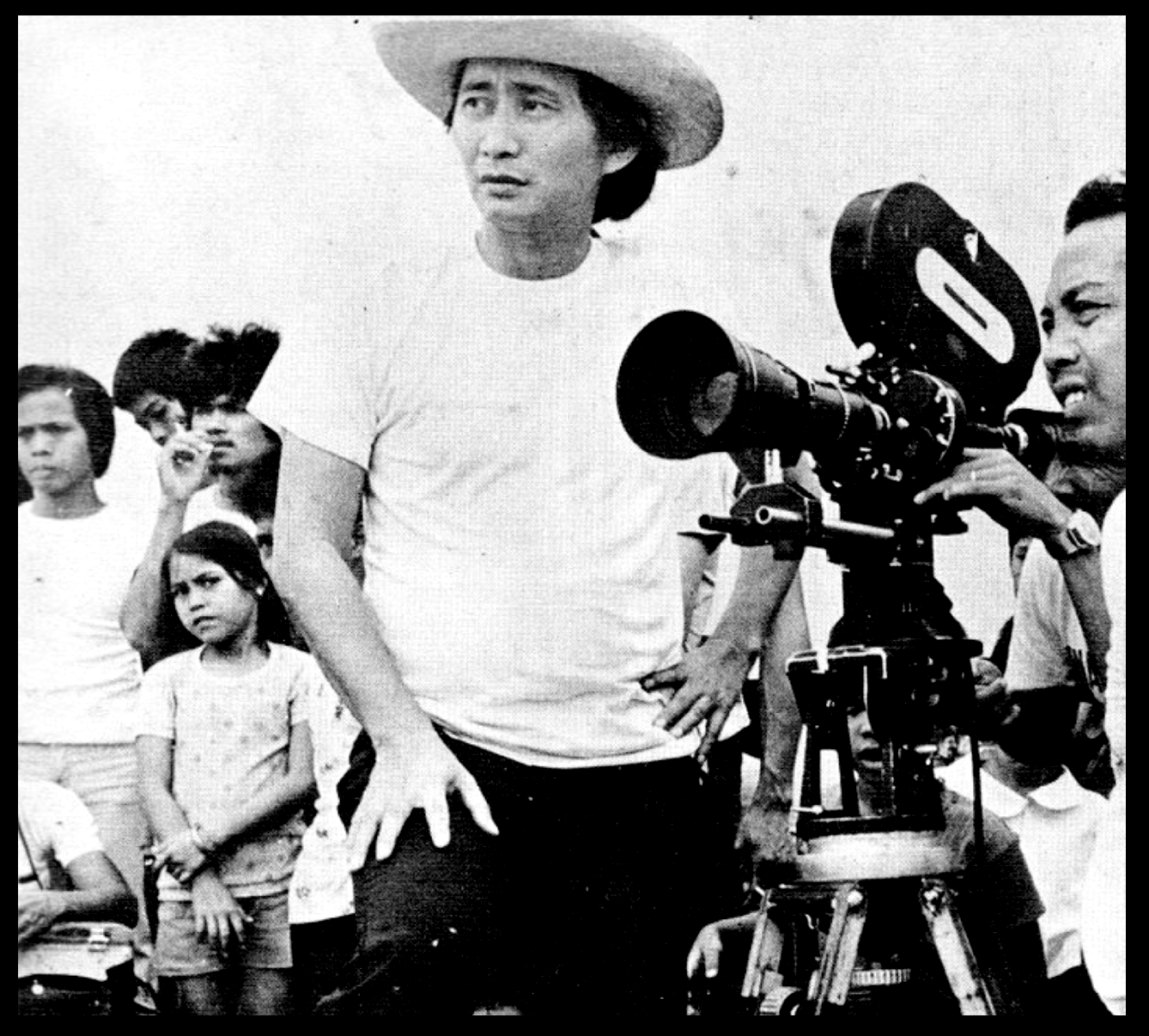


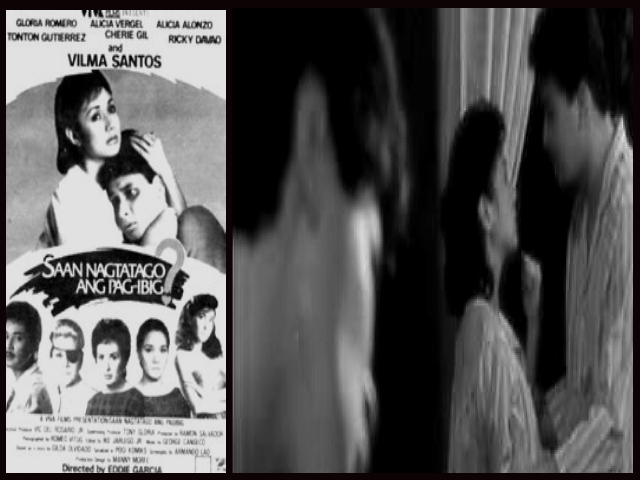
 Star For All Seasons
You must be logged in to post a comment.