The Gawad Urian Through The Years 3/3

This slideshow requires JavaScript.

The Best Actresses and their First Gawad Urian

2011 – Maja Salvador for “Thelma” – “…Ganito pala ang pakiramdam,” said Maja as tears streamed down her face during her acceptance speech. Gawad Urian, maraming-maraming salamat po. Sampung taon na ‘ko sa industriya, ngayon lang ako nanalo ng Best Actress award. Sa mga producers, maraming salamat sa tiwala dahil sa akin ninyo ibinigay ang Thelma. Sa aking director na si Paul Soriano, maraming salamat. Sa aking managers, Tita Mariole [Alberto], Mr. M [Johnny Manahan], sa mama ko, sa papa ko na nasa heaven na, para sa Kanya ito.” Maja then thanked her make-up artist who gave her a vote of confidence that night. “Salamat sa pag-makeup mo. Sabi niya, ‘Papagandahin kita, baka manalo ka. Siguro nga, nagandahan sila sa akin kaya ako nanalo. Salamat po, Gawad Urian, maraming-maraming salamat.” After the awarding ceremony, Maja told the press: “Lahat ng hirap ko sa paggawa ng pelikula, lahat yun nawala dahil may nakapansin po ng talento. Maraming salamat po…” – Jocelyn Dimaculangan, PEP, June 14, 2012 (READ MORE)

2009 – Rustica Carpio for “Lola” – “…Anita Linda and Rustica Carpio, both past their physical primes, may have just given their more-than-impressive swan songs. Director Mendoza, who is not that much known on squeezing out pure performances from his actors/actresses (as his characters usually just blend in into the realistic palette of the surroundings), handled may be the two most astounding ones from aged performers. In some ways, it’s almost a miraculous feat on his part (and cinematographer Odyssey Flores) in terms of enhancing Anita Linda and Rustica Carpio’s natural and honest evocation of suppressed sufferings and prolonged sacrifices as impoverished grandparents through a panoramic view of the present social state of those inflicted with destitution. But the real highlight is of course from the two brave, nagging, and at times, swindling heroines who will do just about anything not just to resolve their numerous woes, mostly involving money, but also to unconsciously prove their ‘worth’. Throughout the film, as the camera follows them both, we see them express stern authority to younger people, ask for directions and assistance like one, and show extreme determination like middle-aged fellows…” – Ivan6655321 (READ MORE)

2006 – Gina Pareño for “Kubrador” – “…Veteran actress Gina Pareño led the awards for Kubrador with her win in the Best Actress category. She was already honored at the Golden Screen Awards earlier this year, as well as numerous citations from international film festivals. “Apat na dekada bago ko napanalunan ang tropeo ng Gawad Urian. Sa wakas, nagkaroon din ako ng pag-aari na ganito… Napakasarap na nandito ako sa Pilipinas. Nanalo ako sa bayan ko,” she said in her speech. Kubrador won in five out of the ten categories it was nominated. It won Best Picture for MLR Films as well as Best Director for Jeffrey Jeturian. It also took home Best Production Design for Leo Abaya and Best Cinematography for Roberto ‘Boy’ Yñiguez…” – Philippine Entertainment Portal (READ MORE)

2005 – Hilda Koronel (best supporting) for “Nasaan Ka Man” – “…In 1975 and 1976, she starred in the Lino Brocka classics Maynila: Sa Mga Kuko ng Liwanag which won six FAMAS awards in 1976 and Insiang which received FAMAS and Gawad Urian awards in 1977. It was Lino who turned her into a high-caliber actress with movies like Santiago, Tubog sa Ginto, Maynila sa mga Kuko ng Liwanag, Tatlo Dalawa Isa, Init, Insiang, etc. Insiang is the first Filipino film to be screened at the Cannes Film Festival in 1978 where both Lino and Hilda earned rave reviews from the international film community. Her illustrious career was highlighted with her winning the Best Supporting Actress awards from the FAP, Gawad Urian and Maria Clara for Nasaan Ka Man (2006); Best Performance by Male or Female, Adult or Child, Individual or Ensemble in Leading or Supporting Role from the Young Critics Circle for Tanging Yaman (2001); and Best Actress from the MMFF for Insiang (1976)….” – Boy Abunda, The Philippine Star, 30 August 2012 (READ MORE)

2004 – Judy Ann Santos for “Sabel” – “…Complementing Judy Ann’s excellent performance are Wendell Ramos as the ex-convict who rapes and hopelessly falls in love with her (this early, I can say he’s already assured of an acting nomination in next year’s awards race), Rio Locsin as the mother who can’t get along with her headstrong daughter, Iza Calzado as the writer Wendell eventually marries, Sunshine Dizon as the lesbian lover of Sabel, Jeffrey Hidalgo as Sabel’s ex-boyfriend, and even Jim Pebanco as the wayward priest (I just don’t know how the Catholic Church would react the way he blabbers about Sabel’s secrets—all revealed within the confines of the confessional box)…” – Butch Francisco, The Philippine Star (READ MORE)

2003 – Cherrie Pie Picache for “Bridal Shower” – “…Cherry Pie has won two Best Actress awards from the Urian, first for the comedy “Bridal Shower” in 2003, and then for “Foster Child” in 2007. Both movies were directed by Jeffrey Jeturian. Cherry Pie won the same award (Best Performance by an Actress in a Leading Role) for “Bridal Shower” from the Golden Screen Awards (given by the Entertainment Press Society) and in 2007, Best Performance by an Actress in a Leading Role (drama) for “Foster Child.” These were Cherry Pie’s first awards from the distinguished award-giving bodies. In addition to that, she also won the Best Supporting Actress award from the Golden Screen Awards in 2006 for her outstanding performance in “Twilight Dancers.” Cherry Pie’s latest film project is “Isda,” which is about a woman who gives birth to a fish. The movie is being directed by Adolf B. Alix Jr., who also directed “Donsol,” “Kadin,” “Presa,” “Muli” and other noteworthy indie films…” – Crispina Martinez-Belen (READ MORE)

2001 – Rosanna Roces for “La Vida Rosa” – “…I’m not saying this only because we work together in a television show. If you don’t believe me, see the movie yourself once it opens in downtown theaters within the next few weeks and I think you will agree with me that she had already ensconced herself as one of the best actresses in Philippine movies because of this film. Insome of her scenes, in fact, she reminds me of a young Rosa Rosal (one of the greatest we have) in the classic film, Anak-Dalita. Actually, even in her old, sex films like Basa sa Dagat and Patikim ng Piña, Rosanna was already showing flashes of brilliance – which was quite a feat considering that those movies were, well, trashy and exploitative. Fortunately, she had her chance to redeem herself as an actress in Ligaya ang Itawag Mo sa Akin and in Ang Lalake sa Buhay ni Selya under the guidance of Carlos Siguion Reyna. In fact, I thought that those two films would already be the pinnacles of her film career. I was wrong. Here in La Vida Rosa, she even gives an even more sterling (and far more colorful) performance compared to both Selya and Ligaya. Her best scene in the film is the part where she confronts Pen Medina and, later, drops one of her delicious trademark Osang one-liners. If only for this scene, La Vida Rosa is already worth watching…” – Butch Francisco, The Philippine Star, 06 September 2001 (READ MORE)

2000 – Gloria Romero for “Tanging Yaman” – “…As with all films that are inspired with overly good intentions, Tanging Yaman is enveloped by an atmosphere that predictably directs the narrative towards its amiable conclusion. From the light effects that drown the face of Romero during her moment of self-sacrifice that has been done and redone in various films for comedic effect to the use of mass songs to provide a sense of overt religiosity in the plot, the film is too littered with significant details that nearly push the film from being merely a portrait of a family nearly torn to pieces by greed and envy into a proselytizing sermon that seeks for its audience a result that is more likely achievable in a sharing session than inside the darkened halls of a movie theater. Thankfully, the film is balanced enough to be enjoyed even from the perspective of a viewer who has no intention of being pulled into religious didactics. It is exquisitely put together. Guillen, who has always laced her films with a certain sensuality that can only be fleshed out by a feminine mind, only subtly suggests that kind of sensuality here. In one scene, Hilda Koronel’s character talks of her dreams of travelling to the United States to her humble husband, dancing with her husband to the romantic song from the radio. The scene by itself seems very ordinary, but as framed by Guillen, and as acted by both Koronel and Delgado with enough levels of playfulness and domestic mischief, it results in something subtly sweet and tender…” – Oggs Cruz (READ MORE)

1996 – Sharon Cuneta for “Madrasta” – “…Madrasta is very special to me. It was not only my first time to work with Star Cinema, it was also my first time to work outside Viva. Meaning it was the first movie I did without the professional advice of the people I grew up with, the people who have handled my career since Day One. It was the first time I ventured out on my own – made a decision solely by myself, for myself. And the gambit paid off. God has been so good…The first time I won at the Star Awards, I cried because when I looked at the audience, I saw fellow actors and actresses cheering me on. They were so happy to see me onstage. It felt good because I’m not really that close to them. It felt great because they were some of the best performers in the industry…It had a good effect on me. It didn’t change me as a person per se. But I think it changed something in me, in the sense that it inspires me to want to do better. Now, I am trying to find a way to take care of all the wonderful things I’ve been blessed with…” – The Movie Queen (READ MORE)

1995 – Helen Gamboa for “Bagong Bayani (OCW)” – “…This powerful docu-drama by Tikoy Aguiluz attempts to seek answers to the question raised by the murder of Delia Maga and the execution of Flor Contemplation – two of the countless Filipina OCWs who are forced to leave their children for better opportunities in life, only to end up lost and hlepless in hostile lands. The heartbreaking plight of the overseas contract workers is dramatized in the tragic tale of Flor Contemplacion – the Filipino domestic helper in Singapore convicted of murder and condemned to death. Accounts culled from reports of Amnesty International as well as classified info gathered in the Asian city-state itself are combined with actual footages and recreated scenes of events leading to the heroine’s execution…” – Database of Philippine Movies (READ MORE)

1992 – Lorna Tolentino for “Narito ang Puso Ko” – “…The 48-year-old star is best remembered for having portrayed many strong characters in unforgettable movies like Maging Akin Ka Lamang, Nagbabagang Luha, and Narito Ang Puso Ko. But according to Lorna, she still found her role as Amanda in Sa ‘Yo Lamang challenging to do. “Ang role ng isang may asawa at ina ‘yun ang talagang hawig sa mga nagawa ko dati. Pero ‘yung role ko talaga na Amanda dito e kakaiba. Iba ang pinagdaanan niya kesa sa mga babaeng roles na ginawa ko. Si Amanda mas malalim na ‘yung pagiging ina niya, asawa, at bilang tao. Siyempre noon mas bata pa kami kaya kung ikukupara mo sa mga characters namin ngayon mas malalim na…” – Star Times (READ MORE)

1986 – Jaclyn Jose for “Takaw tukso” – “…Its sexual dynamics bears a striking resemblance to Scorpio Nights, Peque Gallaga’s 1985 film about a student bedspacer peeping through a hole on the floor and fancying the sight of a woman in her lingerie, whom he eventually sleeps with. Both movies depict the claws of darkness that hovers around the setting, particularly the bedroom, and in Takaw Tukso’s case, the car repair shop. These confined spaces breathe a life of their own and provide a distinct mood of claustrophobia. Debbie, Boy, Nestor, and Letty get trapped in some sort of black hole: they act according to their instincts and turn into animals when provoked. Lao is less conscious about the scruples of morality than the logic of dramaturgy, putting danger signs everywhere, and keeping track of each character’s misstep. Like most directors of Lao’s scripts, Pascual allows himself to be controlled and overpowered, yet there are crucial scenes in the film whose strength comes from his directorial command, most especially the confrontations among the four characters. The manner in which the acting is delivered to perfection—the vulnerability that warrants an explosion anytime—owes a lot to his discipline as a director…” – Richard Bolisay (READ MORE)

The Gawad Urian Awards are annual film awards in the Philippines held since 1977. It is given by the Manunuri ng Pelikulang Pilipino (the Filipino Film Critics) and is currently regarded as the counterpart of the United States’ New York Film Critics Circle. – Wikipedia (READ MORE)

Related Reading:

Remembering George Masangkay Canseco

This slideshow requires JavaScript.

Musical Director – “…Arguably the best composer in the land, George Canseco was born on April 23, 1934. He took Liberal Arts at the University of the East, but did not finish his course…Aside from composing movie theme songs, he has also been musical director for many films, such as “Burlesk Queen,” “Pagputi ng Uwak , Pag-itim ng Tagak,” “Atsay,” and “Miss X.” The great songwriter has won almost every musical award for a composer: best composer, best theme song, song of the year, best musical director, and best musical scoring from several award giving bodies. His best theme song awards were for “Kapantay ay Langit,” 1971, and “Imortal,” 1989, for the Metro Manila Film Festival (MMFF); “Huwag Bayaw,” 1979, “Langis at Tubig,” 1980, “Gaano Kadalas Ang Minsan?” 1982, “Paano Ba ang Mangarap?” 1983, “Dapat Ka Bang Mahalin?” 1984, and “Hihintayin Kita sa Langit,” 1991, all from the Filipino Academy of Movie Arts and Sciences (FAMAS). His other musical directing awards include “Hiram,” Star Awards, 1987 and “Sinasamba Kita,” 1982, “Misis mo, Misis ko,” 1988, and “Hihintayin Kita Sa Langit” from the film academy awards (FAP). He was also chosen as the Best Musical Director by the MMFF for “Bato-bato sa Langit,” 1975; “Burlesk Queen,” 1977; “Pagputi ng uwak, Pag-itim ng Tagak,” 1978, “Huwag Bayaw,” 1979; “Miss X”, 1980, “Gaano Kadalas ang Minsan?” 1982, and “Palimos ng Pag-ibig,” 1988, by the FAP Awards for “Paano Tatakasan ang Bukas,” 1988, and by the Star Awards for “Magdusa Ka!” 1987. Among his award winning songs are “Sinasamba Kita,” 1982, and “Langis at Tubig,” 1983, both chosen by the Cecil Awards as best song written for a motion picture. “Gaano Kadalas ang Minsan?” gave George the Cecil Song of the Year award 1984, and “True love came too late,” Awit Awards’ Song of the year, 1970….” – Carrie B. Yan (READ MORE)

P1.5M for a song – “…Canseco said that Marcos paid him P1.5 million to write the song, which was interpreted by Kuh Ledesma. The song also became the theme for a bank’s television commercial. The songwriter also brought honor to the country by winning in foreign music festivals. The song “Ako ang Nagwagi,” interpreted by Dulce, lost in the Metro Pop Music Festival in 1978. But it brought home top honors for Canseco and the country from the Hong Kong Music Festival the same year. The following year, he bagged the grand prize in the Metro Pop Music Festival with the song “Ngayon,” interpreted by Basil Valdez. He also wrote music for the movies and won countless awards for his scores. However, Canseco was not proud of his movie scores, because “not one of them stands out.” He composed his last film score in 1989 for “Paano Ang Ngayon Kung Wala Nang Bukas,” which starred Kring Kring Gonzales and Ronaldo Valdes. He also wrote the movie’s theme song, “Sana’y Wala Nang Wakas,” sung by Basil. Canseco wrote jingles for radio and television commercials. Like his songs, these jingles were also timeless. A jingle for a cigarette commercial which he wrote in the ’70s is still being used today….” – Nini Valera, Philippine Daily Inquirer, November 20, 2004 (READ MORE)

George Masangkay Canseco (23 April 1934 in Naic, Cavite, Philippines – 19 November 2004 in Manilla, Philippines) was a Filipino song composer…He died on November 19, 2004 in Manila, Philippines due to cancer. – Wikipedia (READ MORE)

George Canseco’s Music in Vilma Santos Films

  • Imortal (1989) – George received the best musical score and best original song from the 1989 Metro Manila Film Festival, Vilma recieve the best actress.
  • Saan nagtatago ang pag-ibig? (1987) – George recieved the FAMAS hall of fame award this year while Vilma Santos recieved her fifth best actress award that elevated her to be the following year’s hall of famer awardee.
  • Palimos ng pag-ibig (1986) – George received the best musical score award from FAMAS while Vilma recieved a best actress nomination.
  • Muling buksan ang puso (1985) – George was ignored by the award giving bodies for his work on this film, Vilma received a nomination from FAMAS.
  • Minsan pa nating hagkan ang nakaraan (1983) – Basil Valdez performed the soundtrack, both George and Vilma weren’t recognized for their work on this Diaz-Abaya film.
  • Paano ba ang mangarap? (1983) – George received the best theme song from FAMAS for the soundtrack, “Paano ba ang mangarap” while Vilma did not received any acting award for this film but was recognized for another film, Bernal’s Broken Marriage.
  • Sinasamba kita (1982) – Both George and Vilma were big winners from the very first Luna Awards. He recieved the Academy Award for best original song for the soundtrack, “Sinasamba Kita” while she received the best actress trophy.
  • Gaano kadalas ang minsan? (1982) – Canseco received the FAMAS best musical score and best theme songs for the soundtrack, “Gaano Kadalas Ang Minsan” while Vilma did not received any acting award for this film but instead recognized for her grand slam film, Bernal’s Relasyon.
  • Langis at tubig (1980) – Canseco received the best theme song from FAMAS for the soundtrack, “Langis at tubig,” performed by a very young, Sharon Cuneta, Vilma received a nomination for best actress from FAMAS.
  • Miss X (1980) – He received the best musical score award from FAMAS while Vilma did not received any acting award for this film but was recognized for Langis at Tubig.
  • Good Morning, Sunshine (1979) – George was credited as contributor lyricist for the single, “Yakap,” one of the soundtrack of this musical and sung by Latin singer, Junior but this clearly needs official citation.
  • Coed (1979) – Both George and Vilma did not received any awards or nomination for this film.
  • Pagputi ng uwak…Pag-itim ng tagak (1978) – George received the best musical score from FAMAS and a nomination from Gawad Urian (Pinakamahusay na Musika) and Vilma received the best picture trophies both from FAMAS and Gawad Urian as the film’s executive producer.
  • Bakit kailangan kita (1978) – The soundtrack, “Kailangan Kita” composed by George and performed by Leah Navarro was this year’s biggest hit song.
  • Burlesk Queen (1977) – Both Vilma and George were big winners at the 1977 Metro Manila Film Festival, she received the best actress while he got the best musical score. They also recieved nominations from Gawad Urian in their respective categories.
  • Mga rosas sa putikan (1976) – Both George and Vilma did not received any awards or nomination for this film but Vi performed the film’s soundtrack, “Mga Rosas sa Putikan.”
  • Vilma and the Beep Beep Minica (1974) – The very first film of Vi and George as actor and musical scorer. Although both did not received any award or nomination on this project, Beep Beep Minica was a huge hit.

Related Reading:

Special Film: Ibong Lukaret

Ibong Lukaret (1975) Vilma witnessed the traumatic death of her mother that made her crazy until she met the murderer again. – RV (READ MORE)

Source: gobitz69

FAIR USE NOTICE (NOT FOR COMMERCIAL USE): This site contains copyrighted materials the use of which has not always been specifically authorized by the copyright owner. We are making such material available in our efforts to preserve the film legacies of actress, Vilma Santos, and to make her career information available to future generations. We believe this is NOT an infringement of any such copyrighted materials as in accordance to the the fair dealing clauses of both the Canadian and U.S. Copyright legislation, both of which allows users to engage in certain activities relating to research, private study, criticism, review, or news reporting. We are making an exerted effort to mention the source of the material, along with the name of the author, performer, maker, or broadcaster for the dealing to be fair, again in accordance with the allowable clauses. – Wikipedia (READ MORE)

Special Film: King Khayam and I

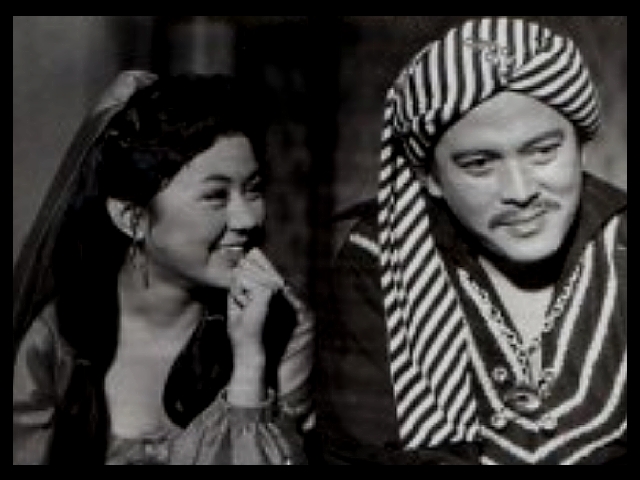
King Khayam’s search for another wife brought him the escapee, Princess Gracia. She doesn’t want to be wed to a man, she doesn’t love so she left her kingdom and ended up in King Kayam’s kingdom. They met and fell in love. (READ MORE)

Joseph “Erap” Ejercito Estrada (born Jose Marcelo Ejercito on April 19, 1937) was the 13th President of the Philippines, serving from 1998 until 2001. Estrada was the first person in the Post-EDSA era to be elected both to the presidency and vice-presidency. Estrada gained popularity as a film actor, playing the lead role in over 100 films in an acting career spanning 33 years. He used his popularity as an actor to make gains in politics, serving as mayor of San Juan for seventeen years, as Senator for one term, then as Vice President of the Philippines under the administration of President Fidel V. Ramos. – Wikipedia (READ MORE)

Source: gobitz69

FAIR USE NOTICE (NOT FOR COMMERCIAL USE): This site contains copyrighted materials the use of which has not always been specifically authorized by the copyright owner. We are making such material available in our efforts to preserve the film legacies of actress, Vilma Santos, and to make her career information available to future generations. We believe this is NOT an infringement of any such copyrighted materials as in accordance to the the fair dealing clauses of both the Canadian and U.S. Copyright legislation, both of which allows users to engage in certain activities relating to research, private study, criticism, review, or news reporting. We are making an exerted effort to mention the source of the material, along with the name of the author, performer, maker, or broadcaster for the dealing to be fair, again in accordance with the allowable clauses. – Wikipedia (READ MORE)

Darna and the Giants (VIDEOS)

Plot Description: The second film after the massive success of Lipad Darna Lipa (Fly Darna Fly), Vilma Santos returned as Darna/Narda in Darna and the Giants. Directed by Emmanuel H. Borlaza, Giants was about X3X (Helen Gamboa) who infected ordinary people with serum that made them giants. The giants played havoc to the city and thank goodness Darna eliminated them before demonic X3X conquered the whole world. Now paired with Don Don Nakar as Ding, Vilma radiated the screen for the second time. Kudos to the tricky special effects that made the giants realistic. Ike Lozada stole the film though. His scenes were the funniest in years. Darna used a huge church bell to defeat him. It was unclear why the fat giant, Ike, were allergic to the sound of the church bell. Darna rung the bell to great effects, making the giant Ike felt excruciating pain in his ears. Darna then threw the bell on Ike’s head suffocating him to his immediate death. That alone made everyone’s theatre tickets worth every penny! And lots of pennies as the film became one of two Darna movies that featured Vilma Santos and both films became big box office hits of 1973. – RV


Video credit: Star Star


Video credit: Star Star


Video credit: Star Star


Video credit: OctoArts Films

RELATED READING:

Special Film: Jaguar

Jaguar is a 1979 drama film by Lino Brocka. The title comes from the Filipino word guardia or “guard,” Anglicized into the word “jaguar.” Colloquially, the word means “bodyguard,” the occupation of the film’s main character, played by Philip Salvador, who dreams of becoming an important person one day. The movie is based on the 1961 essay written by Nick Joaquin on the notorious 1960 Brown Derby shooting (as printed in Reportage on Crime) of Napoleon Nodecal. The film has also gained the distinction of entering into the Competition Category in the 1980 Cannes International Film Festival, where it was nominated for the prestigious Golden Palm Award. Poldo (Philip Salvador), a poor man, fantasizes about having good pay, social acceptance by the rich, fancy clothes and a good lifestyle, like most other Filipinos. He becomes a security guard in a posh apartment house to help his family. Trouble ensues after he saves his boss’s son, Sonny (Mengie Colarribias), from a corrupt nightclub owner’s attack. The grateful Sonny offers Poldo a job as his bodyguard. Unbeknownst to Poldo, his new employer publishes porno magazines and is just as corrupt as his attacker. Poldo, however, is lulled because now he gets a taste of his boss’ carefree and extravagant lifestyle and believes that his boss accepts him as a friend. In one of the nightclubs they frequent, Poldo meets Cristy (Amy Austria), a dancer whom Poldo is attracted to. Sonny, too, is smitten by Cristy and aggressively pursues her, despite a warning from San Pedro, the movie director with whom Cristy has had an affair. Sonny and San Pedro fight over Cristy, while Poldo and Cristy act upon their sexual attraction with each other. Soon after, Sonny and San Pedro fight. Poldo comes to his boss’ rescue and guns down San Pedro. Sonny, however, is unwilling to risk his reputation defending a functionary from the slums, and Poldo comes to the bitter realization that he is alone, abandoned, and betrayed. – Wikipedia (READ MORE)

Phillip “Ipe” Salvador (born Phillip Mikael Reyes Salvador; August 22, 1953) is a three-time FAMAS award-winning Filipino actor. – Wikipedia (READ MORE)

Source: Pelikulapinoy103

FAIR USE NOTICE (NOT FOR COMMERCIAL USE): This site contains copyrighted materials the use of which has not always been specifically authorized by the copyright owner. We are making such material available in our efforts to preserve the film legacies of actress, Vilma Santos, and to make her career information available to future generations. We believe this is NOT an infringement of any such copyrighted materials as in accordance to the the fair dealing clauses of both the Canadian and U.S. Copyright legislation, both of which allows users to engage in certain activities relating to research, private study, criticism, review, or news reporting. We are making an exerted effort to mention the source of the material, along with the name of the author, performer, maker, or broadcaster for the dealing to be fair, again in accordance with the allowable clauses. – Wikipedia (READ MORE)

Special Film: Kampanerang Kuba

Kampanerang Kuba (1974) (lit. Hunchbacked Lady Bellringer) was a fantasy soap opera television series broadcast by ABS-CBN in the Philippines. It was inspired by 1973 film with same title, which was starred by Vilma Santos and Bobot Mortiz. It was tagged as Pinoy Disney. It was originally based from a comic book series written by Pablo Gomez. – Wikipedia (READ MORE)

“…Kampanerang Kuba’s convoluted long story maybe attributed to the original comics material written by Pablo Gomez. A good director should iron out all the unbelievable plots specially all the one-dimensional characters. For example, Celia Rodriguez character, Tateng. She is so masochistic that viewer might wonder why she is so mean. Also, with her tower-nesque beauty, why she decided to remained in a town where everything seems to be so trivial and everyone seems loves to gossip, even the men. Nilo Saez (with Jose Flores Sibal wrote the script) failed miserably in this regard. Shot in Nagcarlan Laguna, Kampanerang Kuba showcased the old Filipino beliefs in patron saints, religious rituals and miracles. It also demonstrates that people can be so cruel, can passed judgement, and can asked for forgiveness that quick when confronted with truth. All will be forgiving without taking into account all the harm that they have done. In the real world, these people will be punished. Celia Rodriguez seems to be wooden in so many scenes but equally infuriating when she started to do her verbal and physical abuse of Andang. With limited dialogue, a young Dindo Fernando portrayed Tateng’s lover convincingly. All the other supporting roles including Perla Bautista, Ernie Garcia and others gave forgettable performances. About the two main lead, Edgar Mortiz and Vilma Santos, both did what they can to portrayed their respective roles. Edgar Mortiz seems to be trying very hard to be effective as the priest but acting is clearly not his forte. Would this be different if Jay Ilagan did this role? Vilma Santos succeed more with her solo scenes, talking to the patron saints and the bell tower, eating with her bare hands and trying to beautify her ugly face. She appeared to be gearing up for more versatile roles that requires her not to sing but to act…” – RV (READ MORE)

Source: gobitz69

FAIR USE NOTICE (NOT FOR COMMERCIAL USE): This site contains copyrighted materials the use of which has not always been specifically authorized by the copyright owner. We are making such material available in our efforts to preserve the film legacies of actress, Vilma Santos, and to make her career information available to future generations. We believe this is NOT an infringement of any such copyrighted materials as in accordance to the the fair dealing clauses of both the Canadian and U.S. Copyright legislation, both of which allows users to engage in certain activities relating to research, private study, criticism, review, or news reporting. We are making an exerted effort to mention the source of the material, along with the name of the author, performer, maker, or broadcaster for the dealing to be fair, again in accordance with the allowable clauses. – Wikipedia (READ MORE)

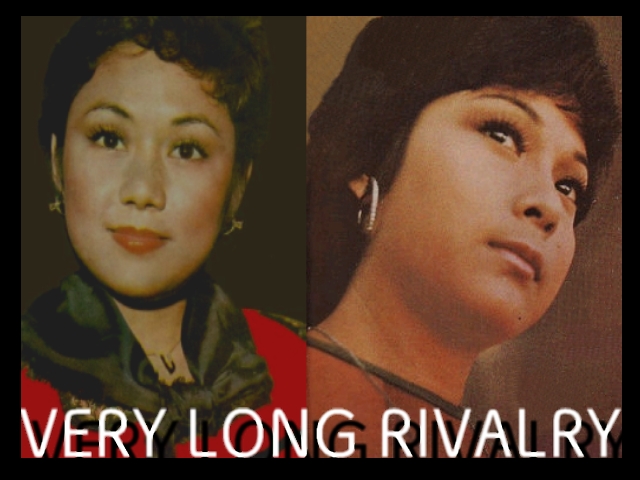
A Very Long Rivalry – 1976

This slideshow requires JavaScript.

Pre-1976 – Although Vilma Santos showed great promise the previous year, all with her dramatic projects like “Nakakahiya?” with Eddie Rodriguez; “Karugtong ng Kahapon” with Eddie Garcia and Gloria Romero and “Tag-ulan sa Tag-araw with Christopher de Leon, it was Nora Aunor who owns 1976, at least in terms of notable films.

Landmark Performance – “…Nagkakalaban pa rin sina Nora at Vilma sa FAMAS, pero kapwa sila talunan. Especially Vilma, who didn’t win another FAMAS Best Actress trophy until 1982 (with Elwood Perez’s 1981 meager Pakawalan Mo Ako). In 1976, Nora Aunor’s “landmark performance ” in Mario O’Hara’s Tatlong Taong Walang Diyos won nods from the FAMAS voters as well as from the Gawad Urian critic-jurors bilang Best Actress. Hindi si Vilma ang naging mahigpit na kalaban ni Nora, kundi si Hilda Koronel (for Lino Brocka’s Insiang). Sa MMFF in December 1976, si Hilda ang Best Actress, but Nora’s performance in Lupita Kashiwahara’s Minsa’y Isang Gamugamo was equally acclaimed by the critics. (Minsa’y…won as FAMAS Best Picture in 1977.) It was the first year of the Gawad Urian (organized by film critics collectively known as the Manunuri ng Pelikulang Pilipino), at si Nora ang nag-buena-mano as Best Actress. Henceforth, hindi na lamang ang FAMAS ang kinilalang tagapagbigay-parangal sa industriya ng pelikulang lokal. Sa mga sumunod na taon, dumami ang award-giving body sa movie industry. Bukod dito, ang mga filmfest sa iba’t ibang siyudad outside Metro Manila; like in Davao City, where Nora Aunor once won as Best Actress for Tito Sanchez’s Ibilanggo si Neneng Magtanggol…” – William Reyes (READ MORE)

Nora Aunor’s 1976 Films (9): (Ang Bulag, ang Pipi at ang Bingi; Big Ike’s Happening; Kaming Matatapang ang Apog; Magandang Gabi sa Inyong Lahat; Minsa’y Isang Gamu-gamo; Relaks Lang Mama, Sagot Kita; Sapagka’t Kami’y Mga Misis Lamang; Tatlong Taong Walang Diyos; Wanted: Deb or Alayb Agad-agad) – After “Banaue” of previous year, Nora Aunor produced another memorable film, “Tatlong Taong Walang Diyos,” directed by Mario O’Harra where she won all the best actress, from the only two award giving bodies during this time. Aside from this remarkable feat, she also did an equally notable film under Premiere Productions, “Minsa’y Isang Gamo-gamo.”

Vilma Santos’ Films (10): (Bato sa Buhangin; Bertang Kerengkeng; Big Ike’s Happening; Hindi Nakakahiya; Let’s Do the Salsa; Makahiya at Talahib; Mapagbigay ang Mister Ko; Mga Reynang Walang Trono; Mga Rosas sa Putikan; Nag-aapoy na Damdamin) – In terms of notable projects, there was no award deserving films that Vilma did this year but she remained bankable with commercial success of “Bato sa Buhangin,” film with FPJ, Hindi Nakakahiya,” film with Eddie Rodriguez; “Makahiya at Talahib,” film with Rudy Fernandez and “Nag-aapoy na Damdamin,” film with Romeo Vasquez.

Nora Aunor’s 1976 acting recognition (2) – Best Actress from FAMAS; URIAN for “Tatlong Taong Walang Diyos.”

Vilma Santos’ 1976 acting recognition (0) – none

Means Business – “…People who used to smile and wink when they talk of Nora Aunor as an actress should see this film, because the lady is determined to show everybody that she means business both as an actress and as a producer. In this film she is successful as both…In the end, Mario O’Hara symbolizes man’s fate as helpless creature buffeted by the winds of adversity but still turning to God by a blind man who lights a candle as a procession enters the church to mark the return of normalcy. The tragic fate of Rosario, Crispin and Masugi goes against the grain if traditional “cine Pilipino” which insists on a happy ending. And for this we must thank conscientious craftsmen like Mario O’Hara and Nora Aunor for their concerted effort. “Tatlong Taong Walang Diyos” is without doubt one of the best films of 1976…” – Pio de Castro III, The Times Journal 1976 (READ MORE)

Good Sign – “…Then she did Mga Rosas Sa Putikan for her own VS Films where she played a country girl forced into prostitution in the big city. The movie did fairly well at the tills. Good sign…” – Ricardo F. Lo, Expressweek, Jan 19 1978 (READ MORE)

Post-1976 – After Nora’s triumph in both FAMAS and Gawad Urian, Vilma seems to be reawakened the following year by the success of “Burlesk Queen.”  The film earned her nominations from Famas and Gawad Urian but failed to secure her the trophies. Despite this, 1977 seems to favor Vilma more than Nora in terms of quality output.  Aside from Burlesk Queen, she did “Dalawang Pugad Isang Ibon” directed by Bernal, “Masarap Masakit Ang Umibig” directed by Elwood Perez, “Pulot-gata, Pwede Kaya?” with Romeo Vasquez and “Susan Kelly, Edad 20” with Dante Rivero, these films were smash hits. Meanwhile, Nora did twelve films, her only award worthy film was “Ibilanggo si Neneng Magtanggol” where she won the best actress in Davao Film Festival and a nomination from the Metro Manila Film Festival for “Bakya Mo Neneng.”  Like Vilma in her past year, Nora had a similar run, “high on output and commercial success but low on quality, worthy of acting awards” (“Little Christmas Tree” wirh FPJ and “Bakya Mo Neneng” with Joseph Estrada were both mediocre films).  With Vi and Guy’s careers on fire in term of box office success, the next year would be a test on who will sustain popularity, as more worthy project will come their way.

Related Reading:

Vilma Santos – Child Actress (Videos)

This slideshow requires JavaScript.

“Nakihalo lang ako doon sa mga nag-a-audition sa Trudis Liit [1963],” pagbabalik-tanaw ng aktres kung paano siya napasok sa showbiz at naging bida nga kaagad sa nabanggit niyang proyektong iyon. Hindi ako dapat talaga doon [sa audition na iyon]. Nakipila lang ako. Pagpila ko, tinatawag ako ng mommy ko na, ‘Hindi ka diyan! Sabi ko, ‘Andito na, e!’ Makulit na ako no’ng time na ‘yon! So, anyway, tinawag ako ni Doc Perez [of Sampaguita Pictures] at that time. Pinaarte ako. Nag-adlib-adlib pa ako. Nakuha naman ako. So, when I started, dalawa kaagad ang pelikula ko—Trudis Liit at Anak, Ang Iyong Ina [1963]. Ang naaalala ko lang tungkol sa maaga kong pagpasok sa pag-aartista, parang laro lang sa akin iyon. Parang naglalaro lang ako noon kaya hindi trabaho sa akin iyon, e. So, very-very memorable sa akin iyon. At saka no’ng Trudis Liit, every lunch, lagi akong may apple. Lagi akong may chicken. Every lunch talaga ‘yon. Parang… Siguro bata, so ibibigay nila ‘yong gano’ng ano sa ‘yo. Parang may prize ka, gano’n. So, memorable sa akin iyon.” – Vilma Santos (READ MORE)

YEAR FILMS
1963 Anak, ang Iyong Ina
1963 Aninong Bakal
1963 Duelo sa Sapang Bato
1963 King & Queen for a Day
1963 Trudis Liit
1964 Ging
1964 Larawan ng Pag-ibig
1964 Naligaw na Anghel
1964 Sa Bawat Pintig ng Puso
1965 Iginuhit ng Tadhana
1965 Kay Tagal ng Umaga
1965 Maria Cecilia
1965 Morena Martir
1965 Sa Baril Magtutuos
1966 Batang Iwahig
1966 Hampaslupang Maton
1966 Hindi Nahahati ang Langit
1966 Ito ang Dahilan
1967 Ito ang Pilipino
1967 Longest Hundred Miles
1968 De Colores
1968 Eagle Commandos
1968 Kasalanan Kaya?
1968 Sino ang may Karapatan?

Related Readings:
Vilma Santos- the Child star
IMDB: Trudis liit (1963)
Trudis Liit From Wikipedia
DEKADA 60: Si Ate Vi, Si GING
Favorite Penpal (Repost)
DEKADA 60: Si Ate Vi, Si GING (Repost)
FAMAS Recognitions
Vilma Santos in Mars Ravelo’s “Ging” komiks Serial and Movie Adaptation
Film Scenes – Child Star (Video)

Special Film: Iginuhit ng Tadhana The Ferdinand E. Marcos Story (1965)

“…Iginuhit ng Tadhana: The Ferdinand E. Marcos Story (1965) (Carved by Destiny) is a movie based on the life of Ferdinand Marcos prior to his ascendancy as President of the Philippines. The movie was chronological in setting, featuring Marcos as a young boy in his hometown, as a brilliant student, and up to the time that he was unjustly imprisoned as a suspect in the murder of the political rival of his father. The movie then moves up to his acquittal, his career as a young congressman and senator, and up to the time that he married Imelda Marcos. The movie was shown in Manila as additional campaign material for Marcos’ candidacy for the Presidential race, which he eventually won. The movie portrayed Marcos as a person who is more than just a politician…” – Wikipilipinas (READ MORE)

“…Marcos knew the power of the medium of film. Earlier on, Marcos produced a film biography using the most popular stars for his first presidential campaign. He ran against Macapagal who also came up with a film biography to boost his reelection bid. Marcos would also use another film Iginuhit ng Tadhana (Written by Destiny, 1965) to campaign for a second term. The two Marcos film bios would be the only successful political films—commercial and election wise—as other film biographies in the post-Marcos period by senatorial and presidential aspirants would prove dismal, unhelpful for election bids. The post-Marcos period liberalized the political and economic scene. It conventionalized and intensified the election of movie and sports stars, and even television news hosts to national politics. Television stations were sequestered by the government, the largest of which, however, was returned to its pre-martial law owners. ABS-CBN would become the leading television station until after 2000, allowing two of its news anchors to become senators…” – Rolando Tino (READ MORE)

Source: Ganito Sila Noon

FAIR USE NOTICE (NOT FOR COMMERCIAL USE): This site contains copyrighted materials the use of which has not always been specifically authorized by the copyright owner. We are making such material available in our efforts to preserve the film legacies of actress, Vilma Santos, and to make her career information available to future generations. We believe this is NOT an infringement of any such copyrighted materials as in accordance to the the fair dealing clauses of both the Canadian and U.S. Copyright legislation, both of which allows users to engage in certain activities relating to research, private study, criticism, review, or news reporting. We are making an exerted effort to mention the source of the material, along with the name of the author, performer, maker, or broadcaster for the dealing to be fair, again in accordance with the allowable clauses. – Wikipedia (READ MORE)